


Primary sourceBook1785
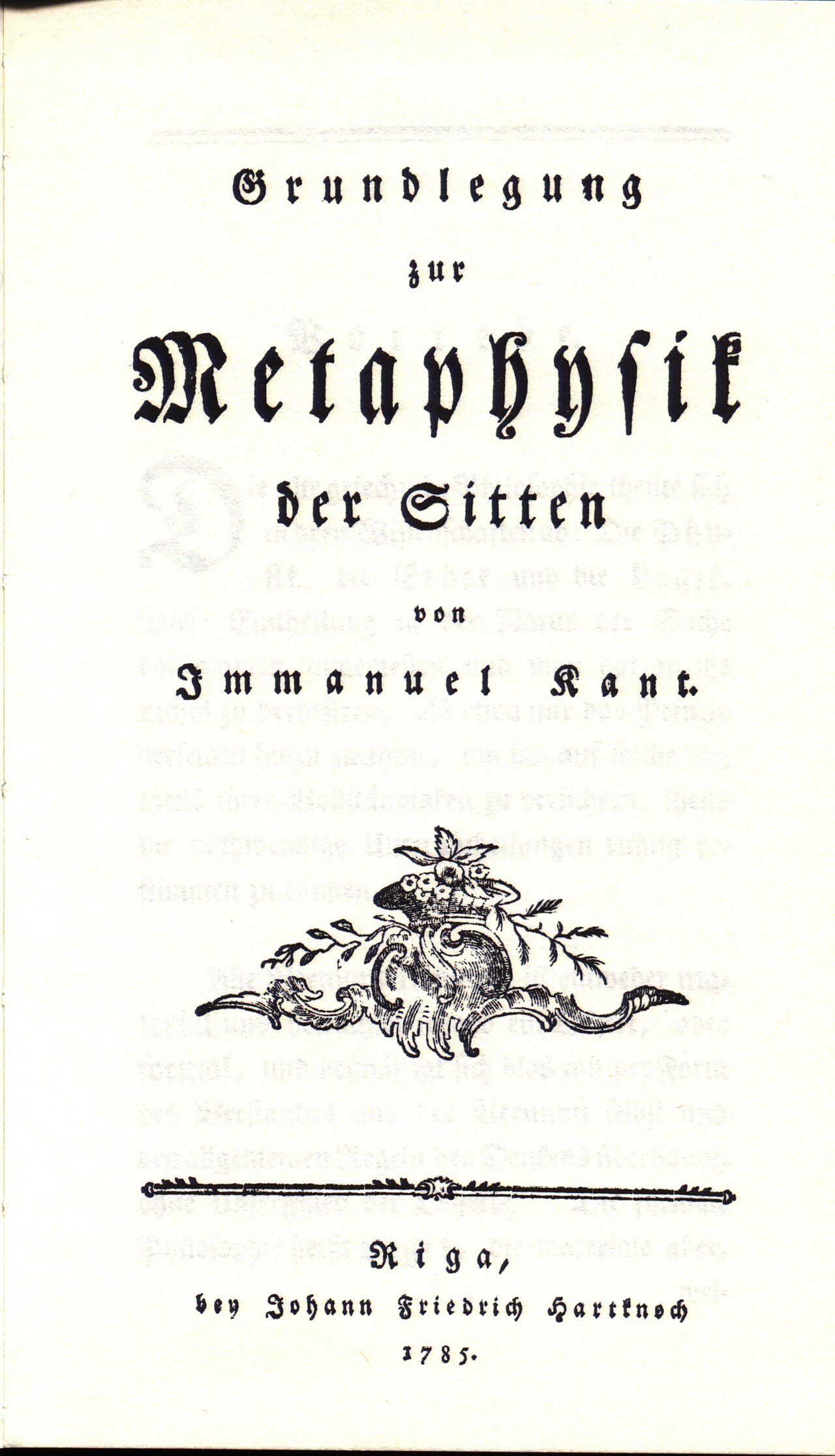
Groundwork of the Metaphysic of Morals
Immanuel Kant · 1785
Kant's 1785 work laying out the categorical imperative, the foundation of his moral philosophy.
Kant's own text introducing the categorical imperative, the core of his ethical system.
About this source
What it is
Written by Immanuel Kant and published in 1785, this short book is the first of his major works on ethics, followed later by the Critique of Practical Reason and The Metaphysics of Morals. In it Kant tries to find the basic principle underlying all morality.
Why it matters
Kant introduces the categorical imperative: the idea that we should only act according to rules we could want everyone else to follow too. This was a sharp break from earlier moral theories based on feelings or on consequences, and it remains one of the most influential ideas in ethics, studied in philosophy and religious education classes to this day.
Look closer
- Why might Kant have thought morality needed to be worked out through pure reasoning rather than through feelings or experience?
- What might be difficult about applying a rule you could 'will to become universal law' to a real situation?
- What does the plain, undecorated title page suggest about how seriously this kind of book was meant to be taken?
This book is part of the curated material that grounds the AI version of Immanuel Kant on Humy.ai — when students ask about related events, the AI can quote it and cite it.
More Immanuel Kant sources
Meet the AI Immanuel Kant →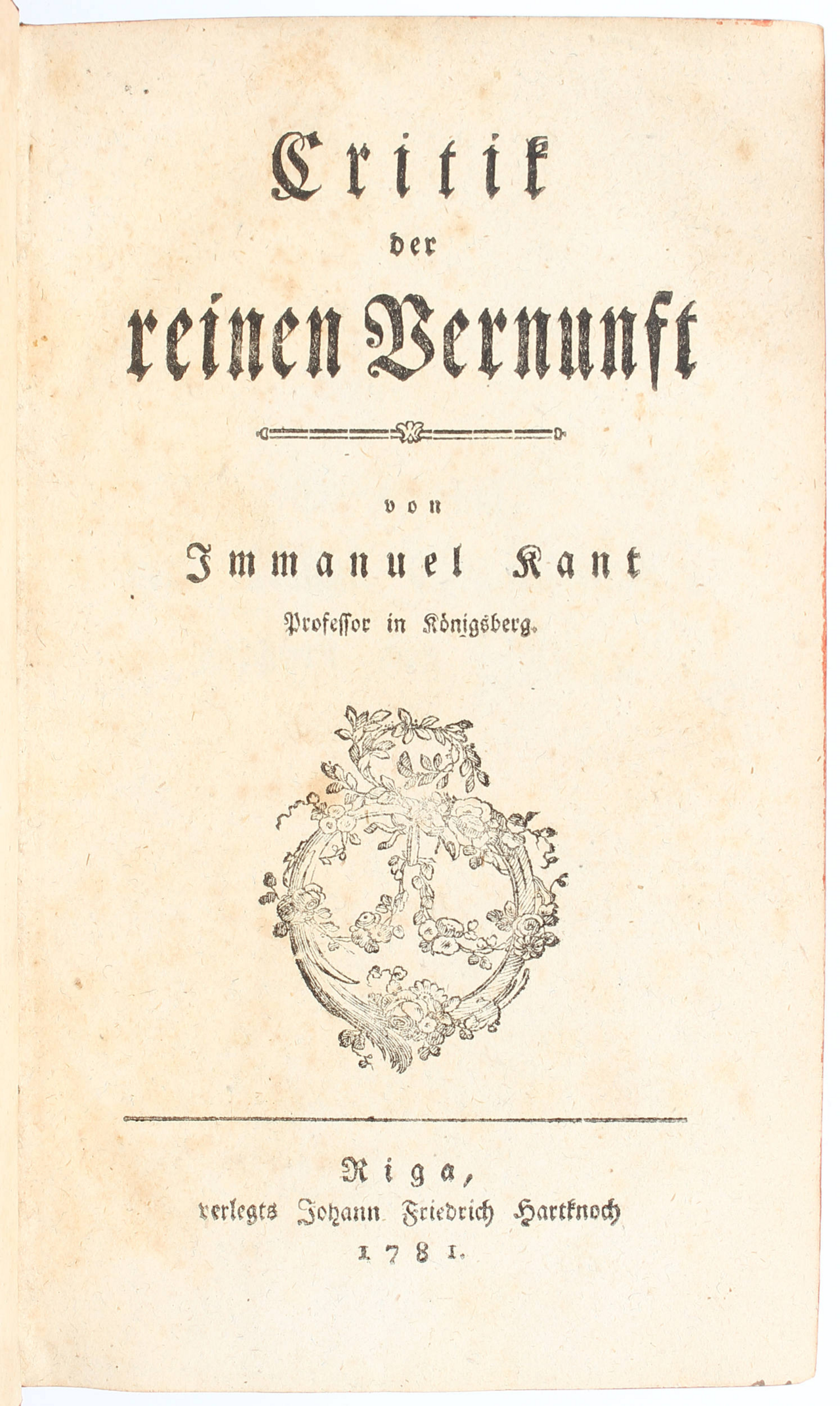 Book
Primary source
Critique of Pure Reason
Immanuel Kant · 1781 (revised 1787)
 Book
Primary source
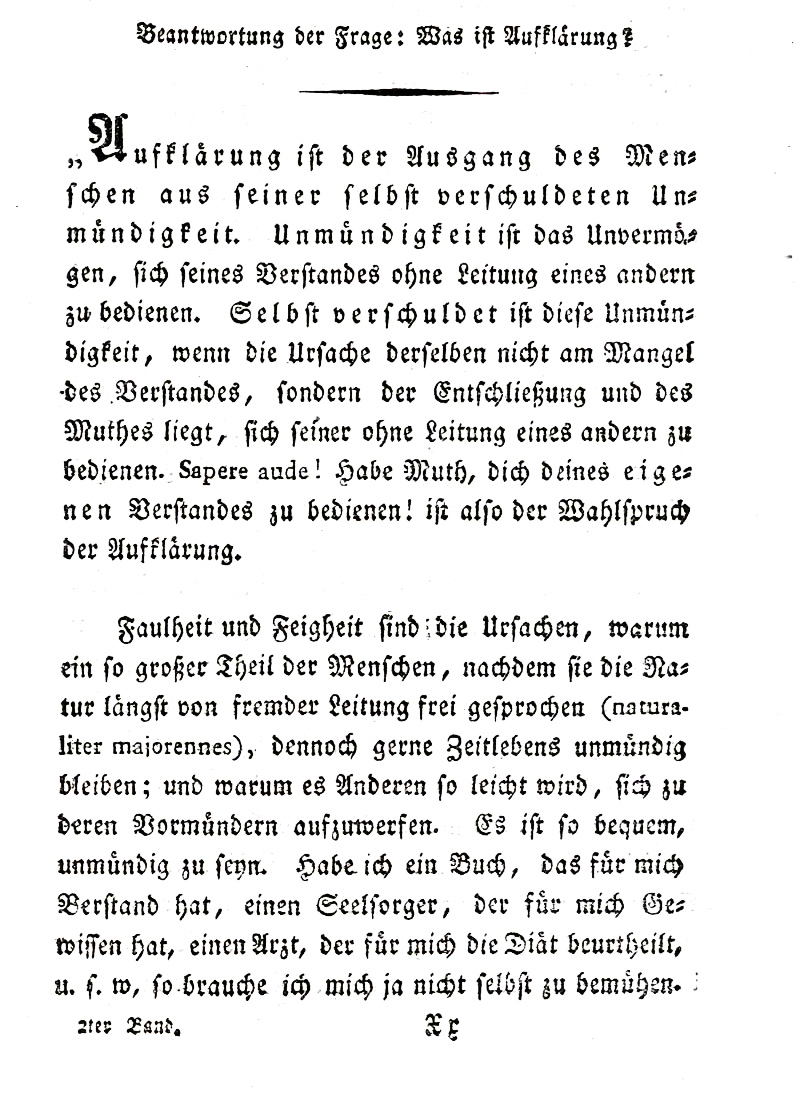
Answering the Question: What Is Enlightenment?
Immanuel Kant · 1784
 Book
Primary source
Perpetual Peace: A Philosophical Sketch
Immanuel Kant · 1795
 Book
Primary source
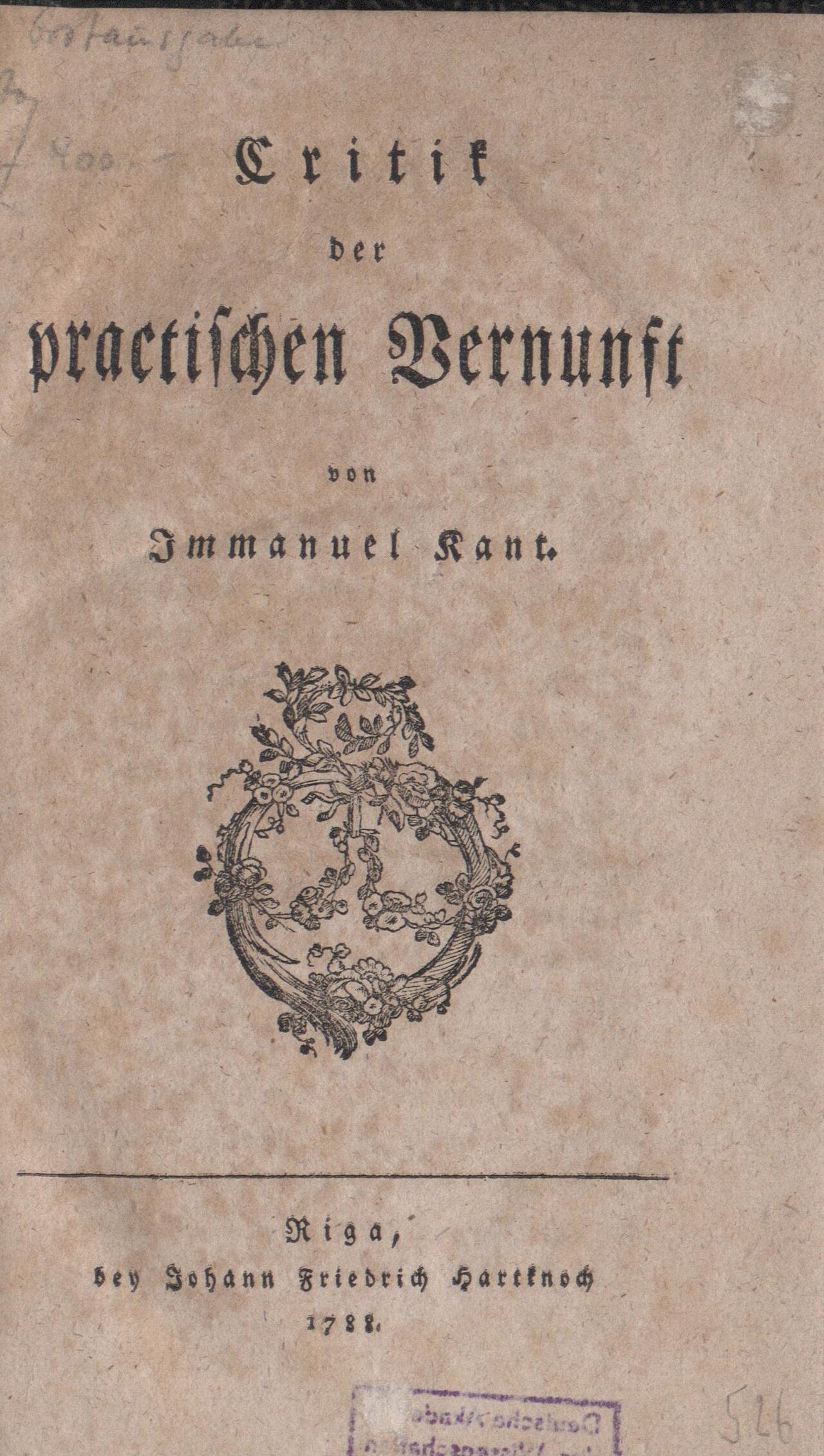
Critique of Practical Reason
Immanuel Kant · 1788 (completed 1787)
 Book
Primary source
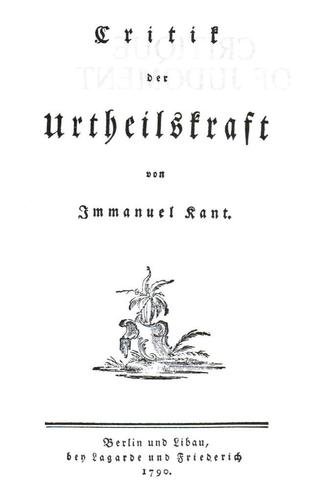
Critique of Judgment
Immanuel Kant · 1790
Ready when you are
Start chatting with Immanuel Kant now.
20 messages free · No credit card · Available in 50+ languages.