


Secondary sourceSculpturec. 1784
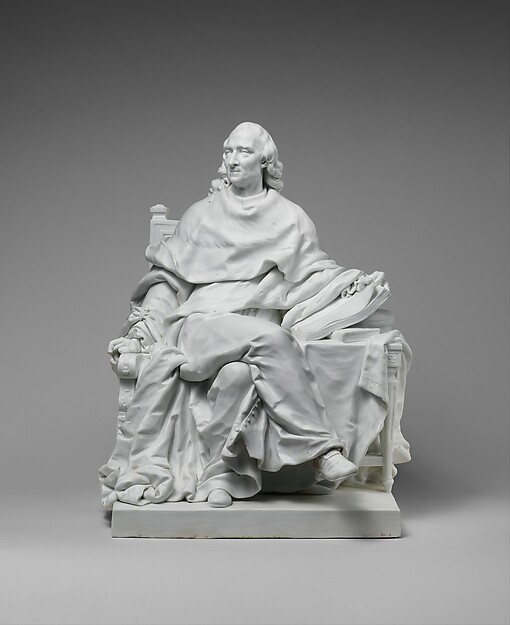
Porcelain Figure of Montesquieu
Sèvres Manufactory · c. 1784
A white porcelain sculpture made by the Sèvres Manufactory decades after Montesquieu's death, portraying him seated with books.
This porcelain figure portrays Montesquieu as a scholar, made decades after his death for decorative use.
About this source
What it is
This is a biscuit porcelain figure made by the Sèvres Manufactory around 1784, almost thirty years after Montesquieu died. It shows him seated in a robe and cloak, leaning on a stack of books, with his legs crossed. The piece is now held by the Metropolitan Museum of Art, a gift from John A. Rutherfurd in 1905.
Why it matters
Porcelain figures of famous writers and thinkers were popular decorative objects in the 18th century, showing how intellectuals like Montesquieu were celebrated and turned into cultural icons after death. The books beside him emphasize his identity as a scholar and writer.
Look closer
- Why might a porcelain factory choose to make a figure of a philosopher decades after his death?
- What does the pose, leaning on books, tell you about how Montesquieu wanted (or was wanted) to be remembered?
- What is missing from a decorative object like this compared to a written biography?
This sculpture is part of the curated material that grounds the AI version of Baron de Montesquieu on Humy.ai — when students ask about related events, the AI can quote it and cite it.
More Baron de Montesquieu sources
Meet the AI Baron de Montesquieu →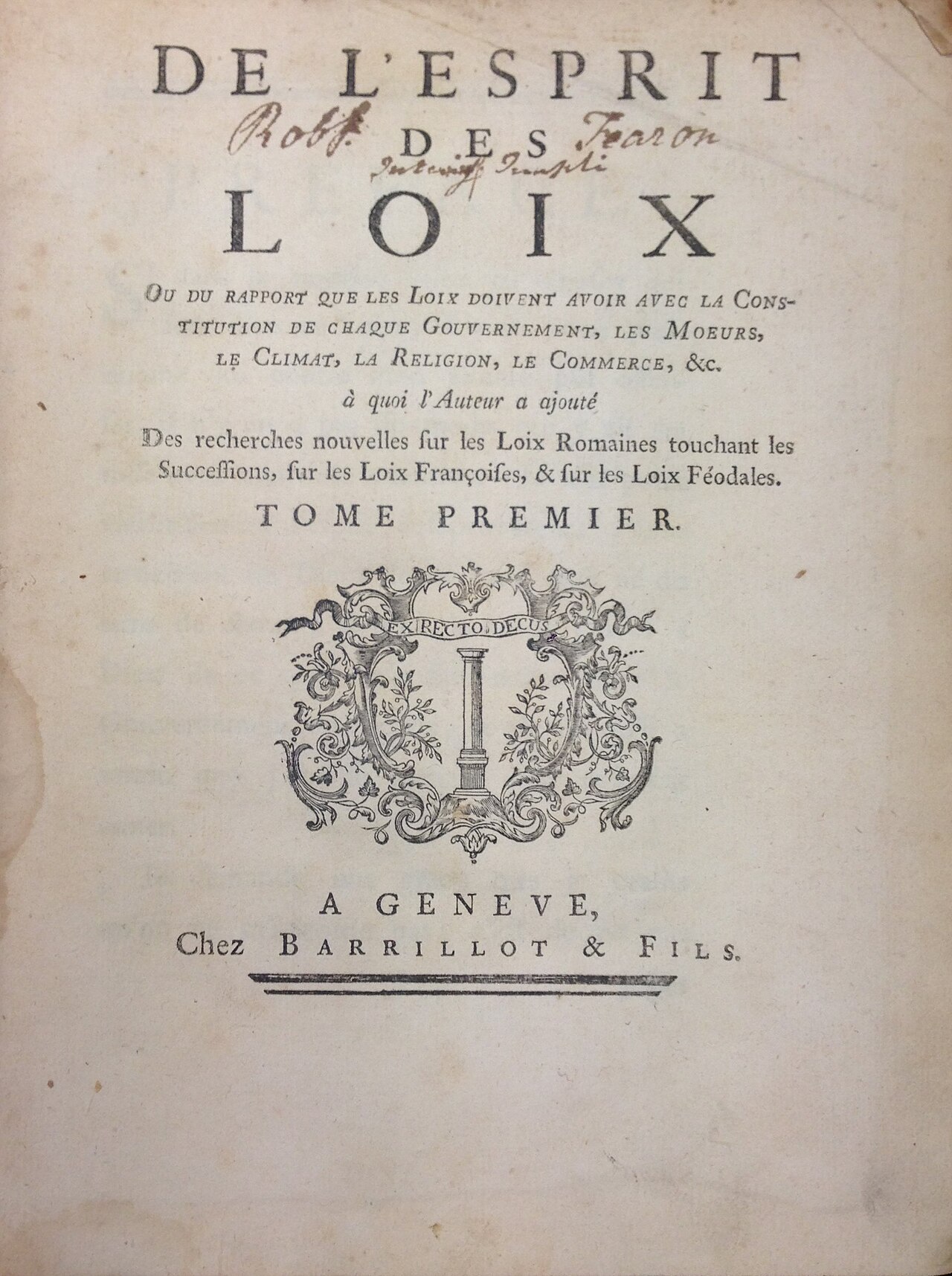 Book
Primary source
The Spirit of the Laws
Montesquieu · 1748
 Book
Primary source
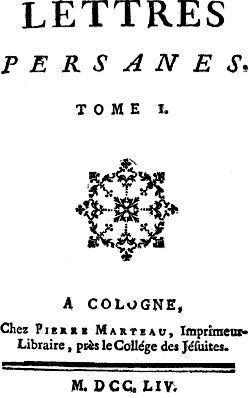
Persian Letters
Montesquieu · 1721
 Book
Primary source
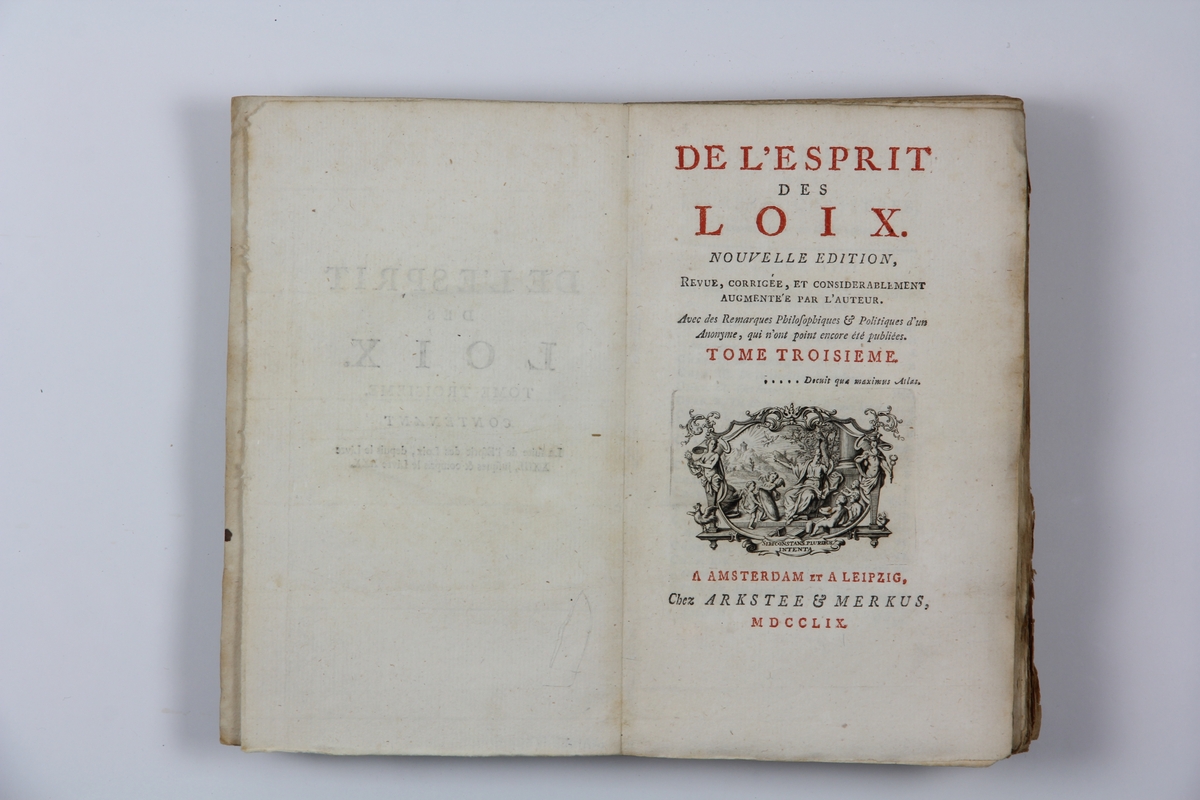
De l'esprit des loix (volume III), Amsterdam and Leipzig, 1759
Montesquieu · 1759
 Book
Primary source
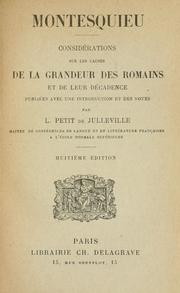
Considerations on the Causes of the Greatness of the Romans and their Decline
Montesquieu · 1734
 Document
Primary source
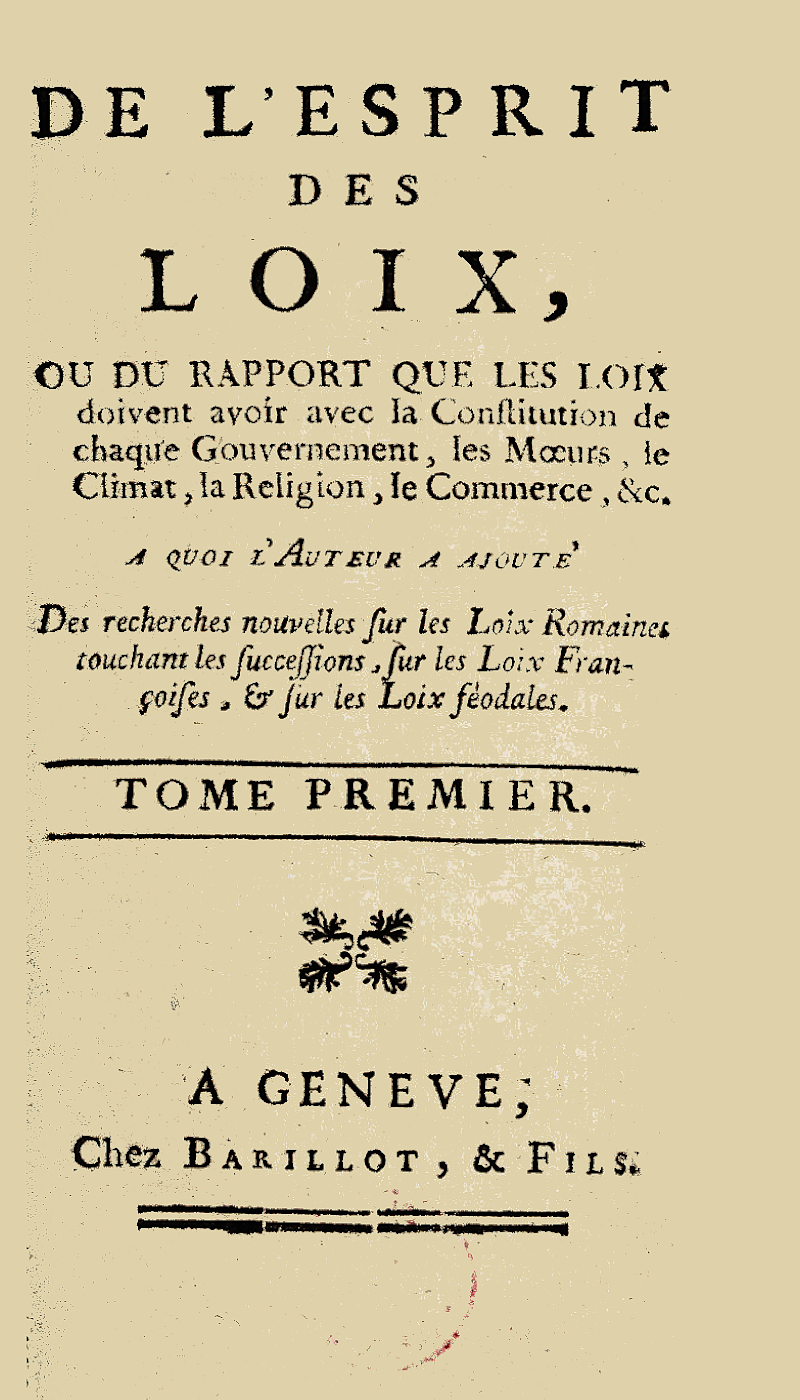
De l'Esprit des loix, Volume 1, Title Page
Montesquieu · 1748-1750
Ready when you are
Start chatting with Baron de Montesquieu now.
20 messages free · No credit card · Available in 50+ languages.