


Secondary sourceSculpture1778
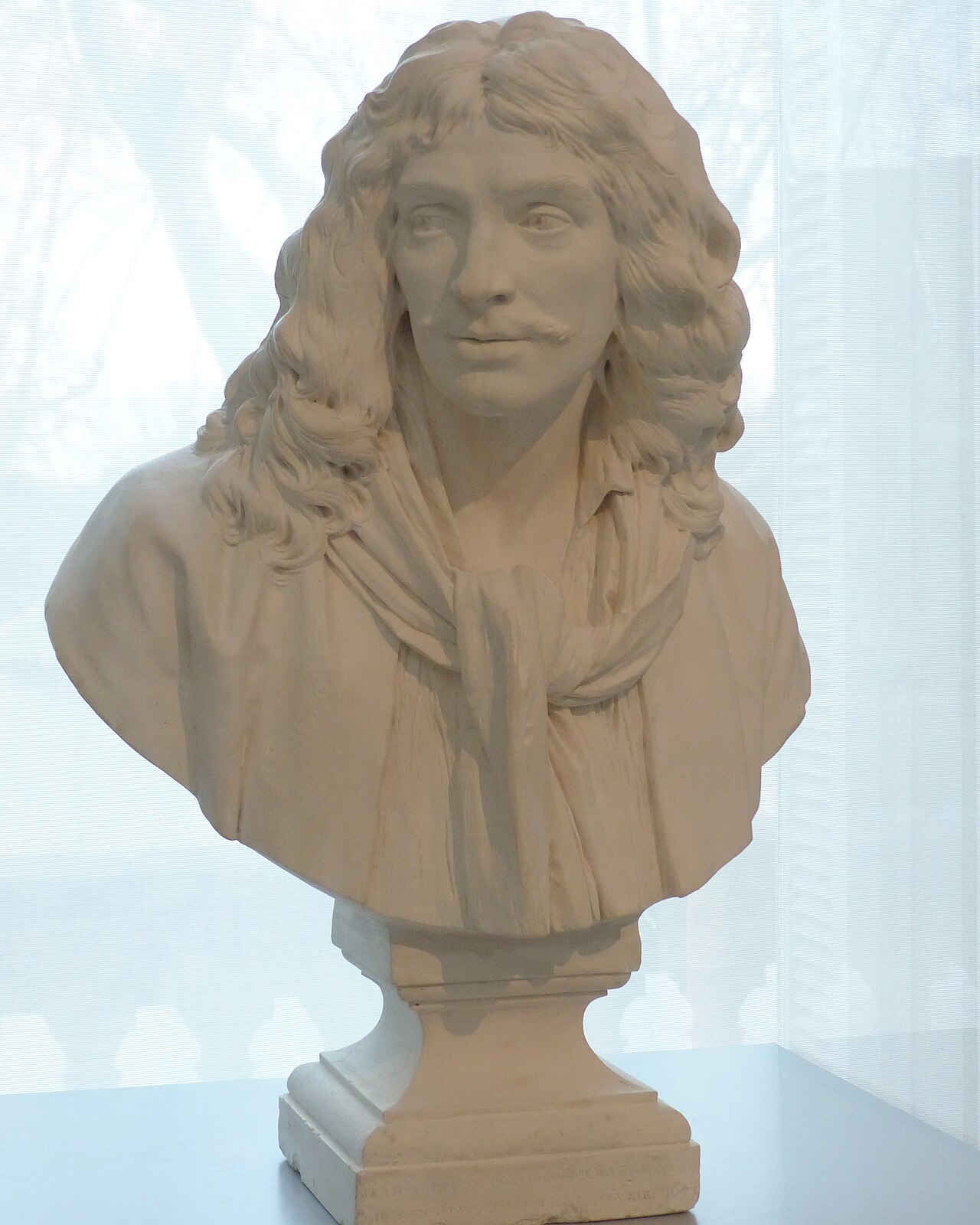
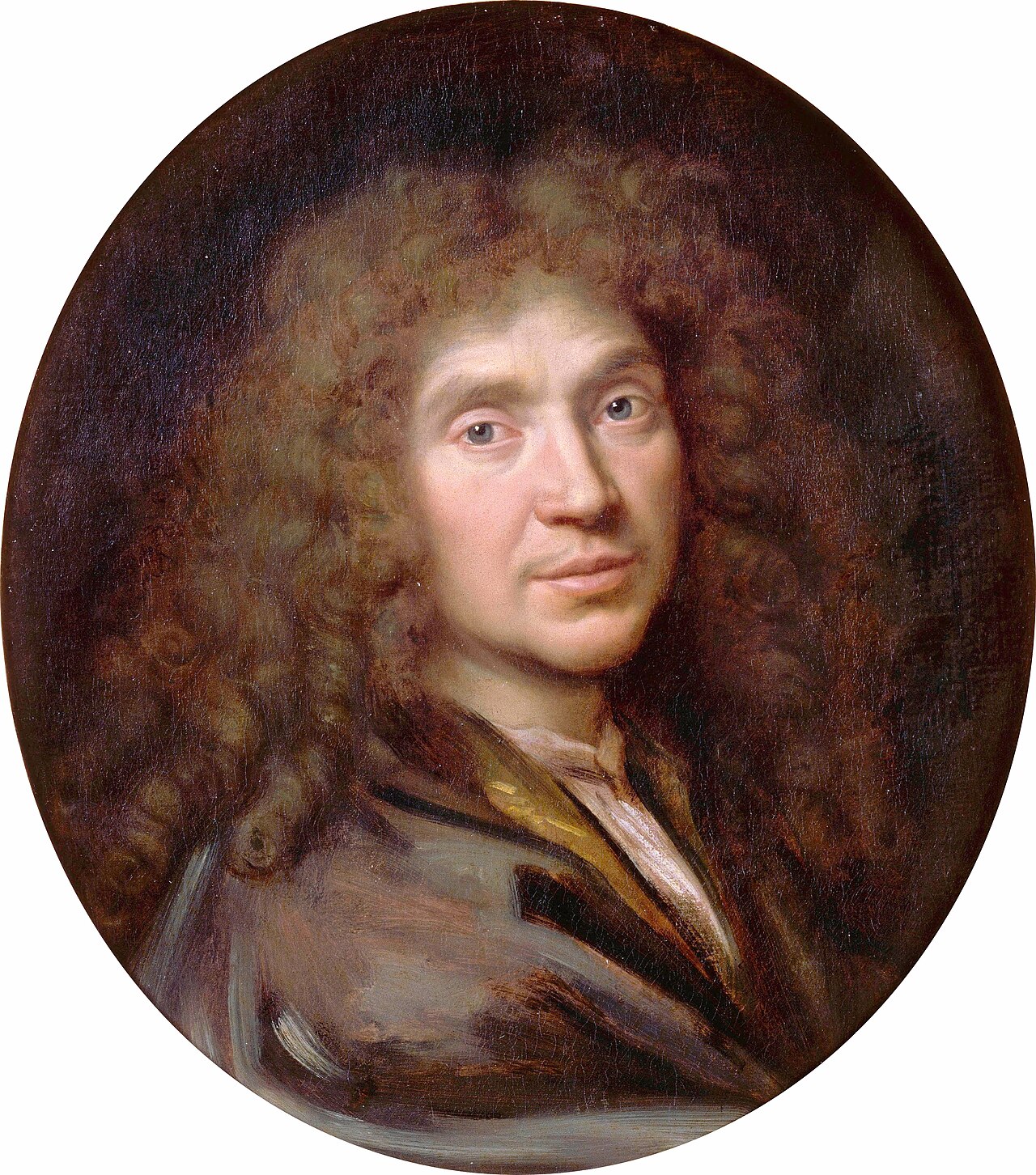
Portrait de Molière
Jean-Antoine Houdon · 1778
A plaster bust of Molière by sculptor Jean-Antoine Houdon, made for the Comédie-Française and later given to Montpellier's art school.
This bust, made over a century after Molière's death, shaped his lasting image as France's comic genius.
About this source
What it is
This is a plaster bust of Molière made by the sculptor Jean-Antoine Houdon in 1778, originally created for the Comédie-Française theatre. Houdon later gave this plaster cast to Abraham Fontanel, and it became part of the first public art collection in Montpellier. It is now held at the Musée Fabre.
Why it matters
This bust helped fix the lasting Enlightenment image of Molière as France's great comic genius. Its history also shows how art collections and schools of art were founded in French provincial cities in the 18th century, with Houdon's gift marking the start of Montpellier's public art collection.
Look closer
- Why might a theatre company want a sculpture of a famous past playwright?
- What does it tell us that this plaster cast became the founding piece of a public art collection?
- How might a plaster cast differ from a marble or bronze version of the same bust?
This sculpture is part of the curated material that grounds the AI version of Molière on Humy.ai — when students ask about related events, the AI can quote it and cite it.
Ready when you are
Start chatting with Molière now.
20 messages free · No credit card · Available in 50+ languages.