


Primary sourceArtifactc. 1600-1625
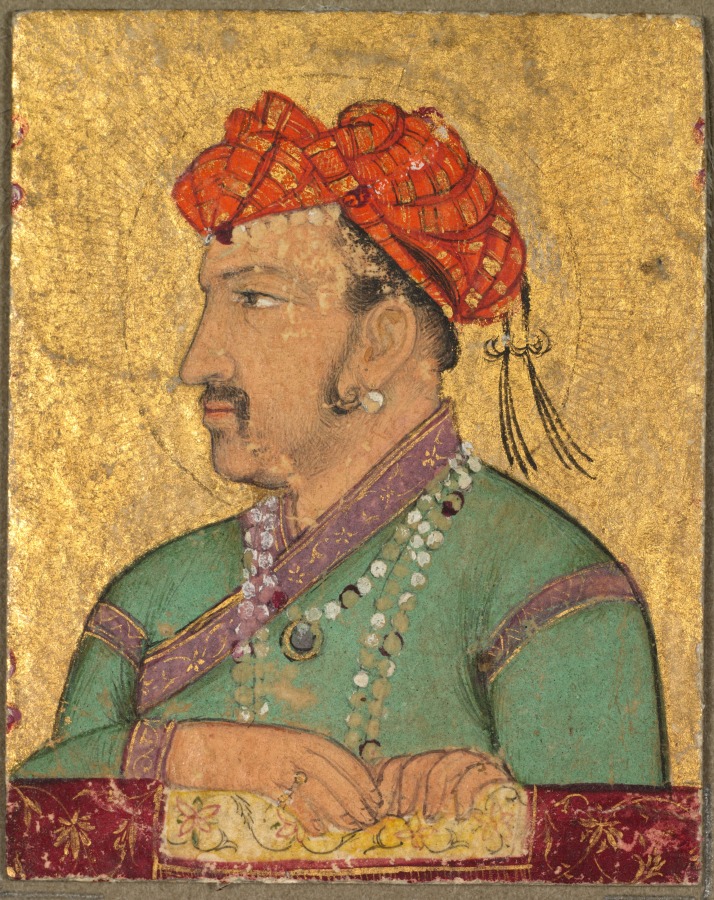
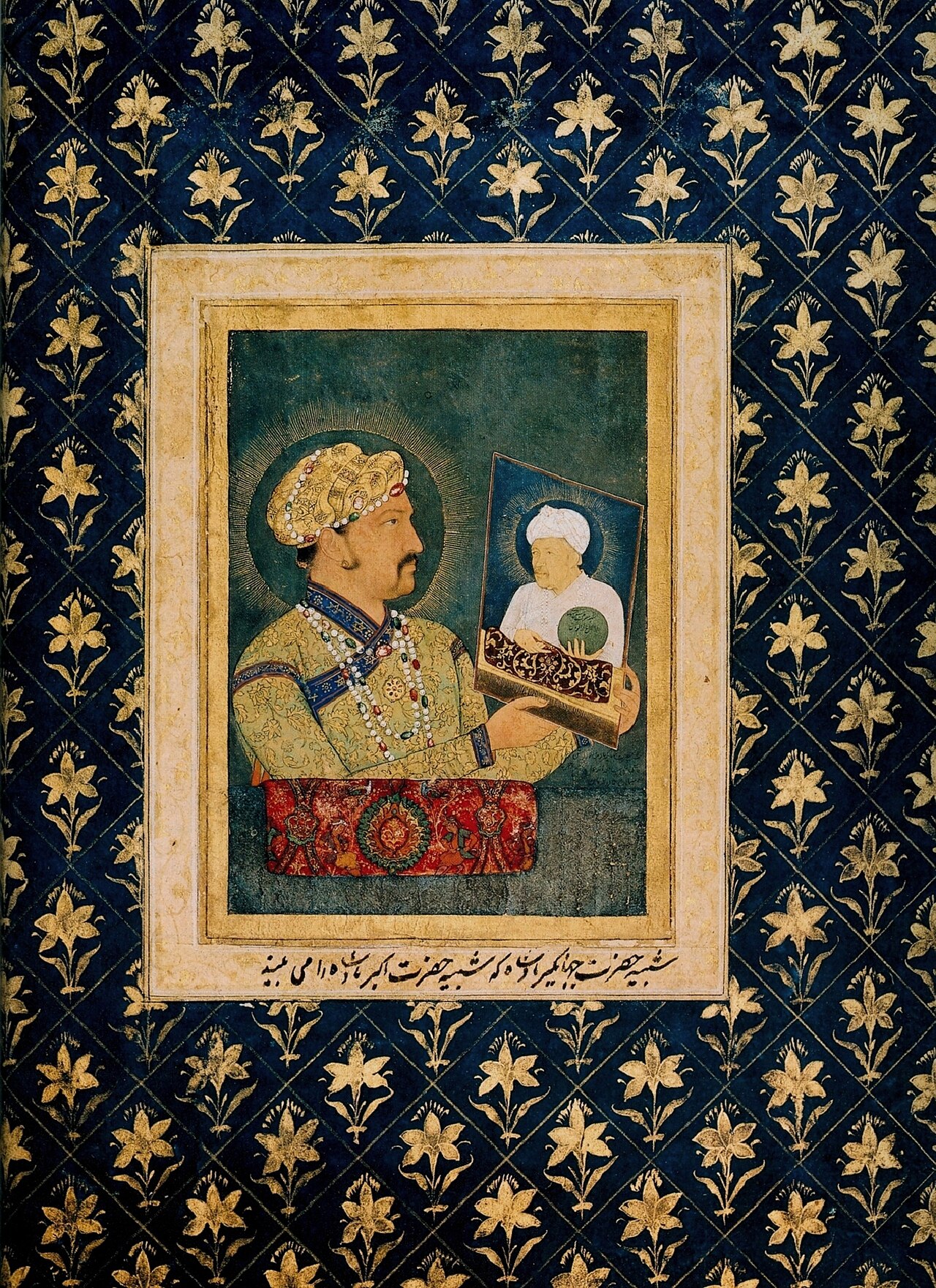
Portrait Jewel of Emperor Jahangir
c. 1600-1625
A tiny painted portrait of Jahangir mounted as a jewel, which he gave as gifts of royal favor to courtiers and family.
A royal gift object showing Jahangir's own likeness, used by him to reward loyalty among his court.
About this source
What it is
This small painted portrait of Jahangir was made to be mounted and worn as a jewel or turban ornament, created sometime between 1600 and 1625. It is now held by the Cleveland Museum of Art. It shows the emperor in profile, in a decorated turban and robe, resting his hands on a cushion.
Why it matters
According to the museum, Jahangir had many tiny portraits of himself made as gifts to friends, family, and courtiers as a sign of royal favor. The textile under his hands recalls the balcony rail where he addressed the public to hear petitions. This object shows how portraits were not just art, but tools of political relationship and personal loyalty at the Mughal court.
Look closer
- Why might wearing a portrait of the emperor be a mark of honor?
- What does the detail of the balcony textile suggest about how Jahangir wanted to be remembered?
- What does the small size of the object tell us about how it was meant to be used?
This artifact is part of the curated material that grounds the AI version of Jahangir I on Humy.ai — when students ask about related events, the AI can quote it and cite it.
More Jahangir I sources
Browse all 98 →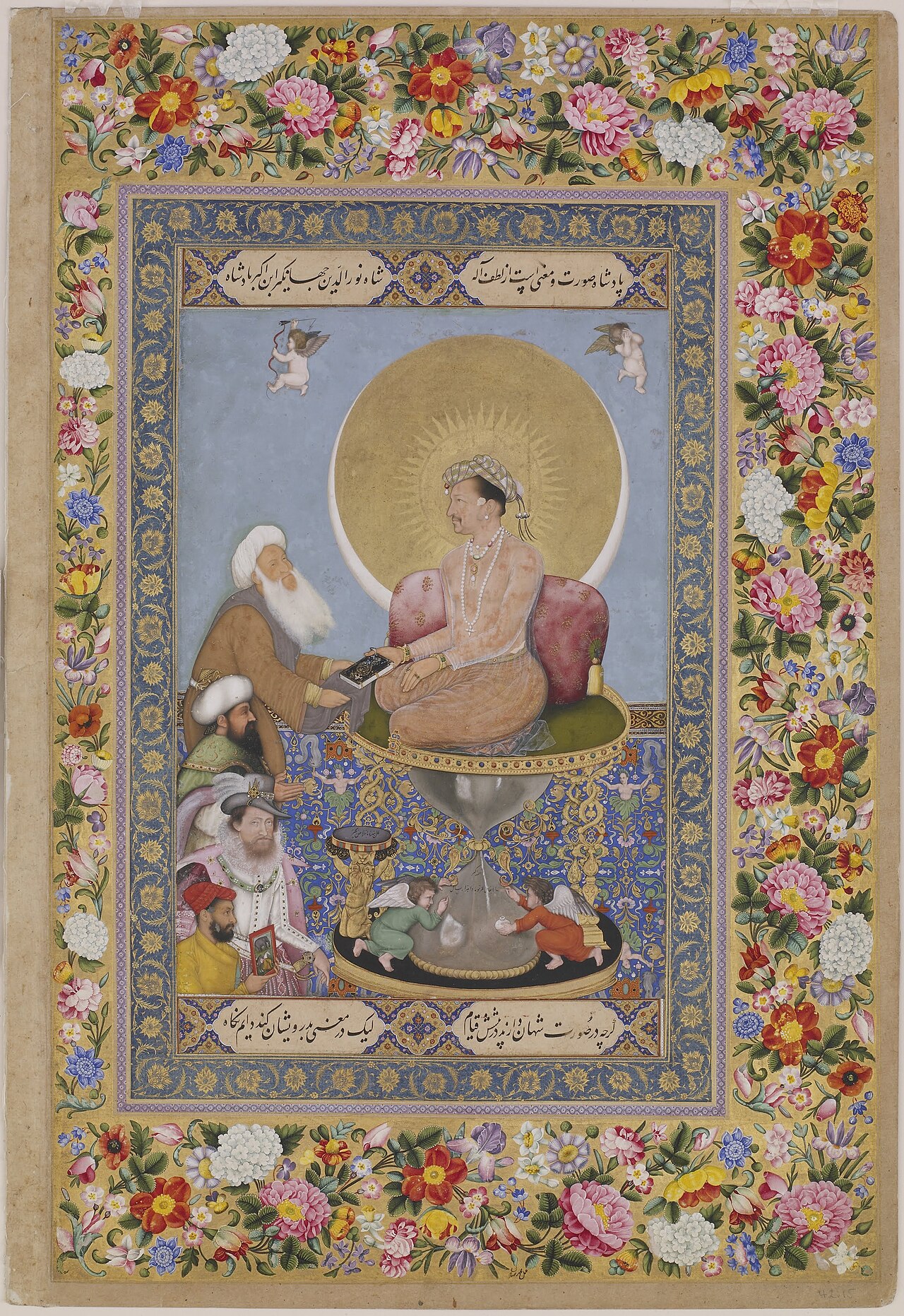 Painting
Primary source
Jahangir Preferring a Sufi Shaikh to Kings
Bichitr · c. 1615-1618
 Painting
Primary source
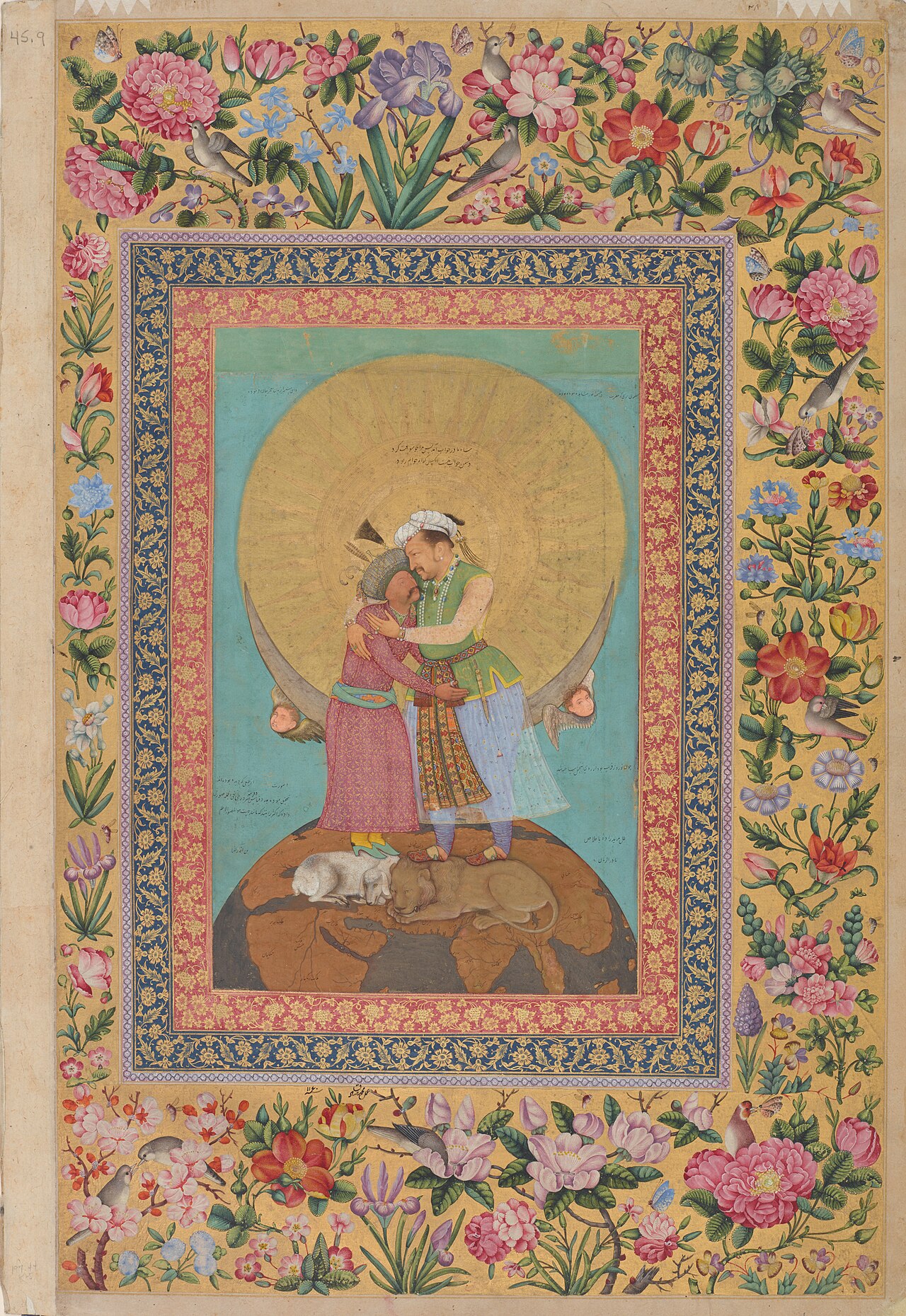
Jahangir Embracing Shah Abbas
Abu'l Hasan · c. 1618
 Painting
Primary source
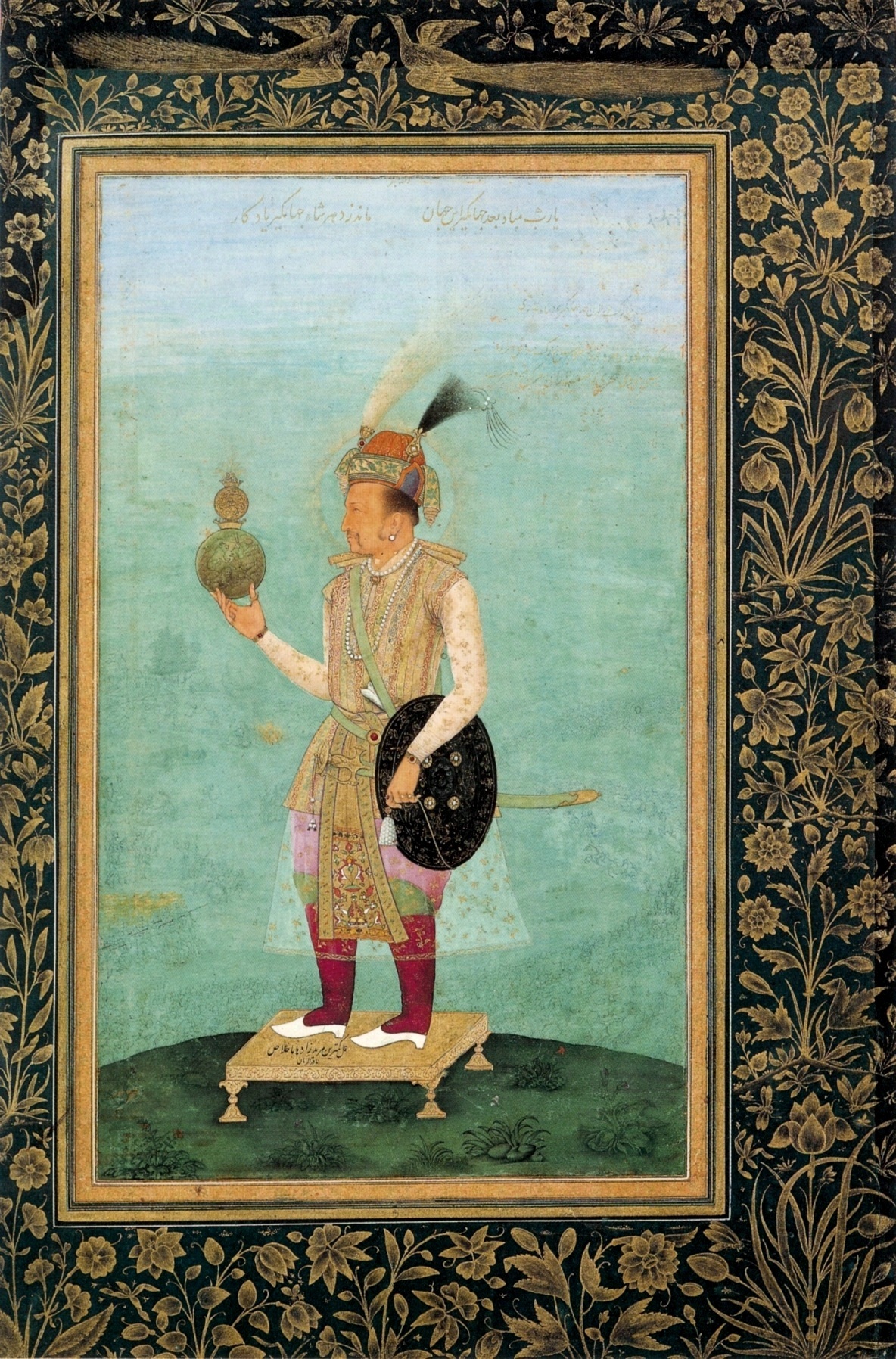
Jahangir Holding a Globe
Abu'l Hasan · c. 1620
 Painting
Primary source
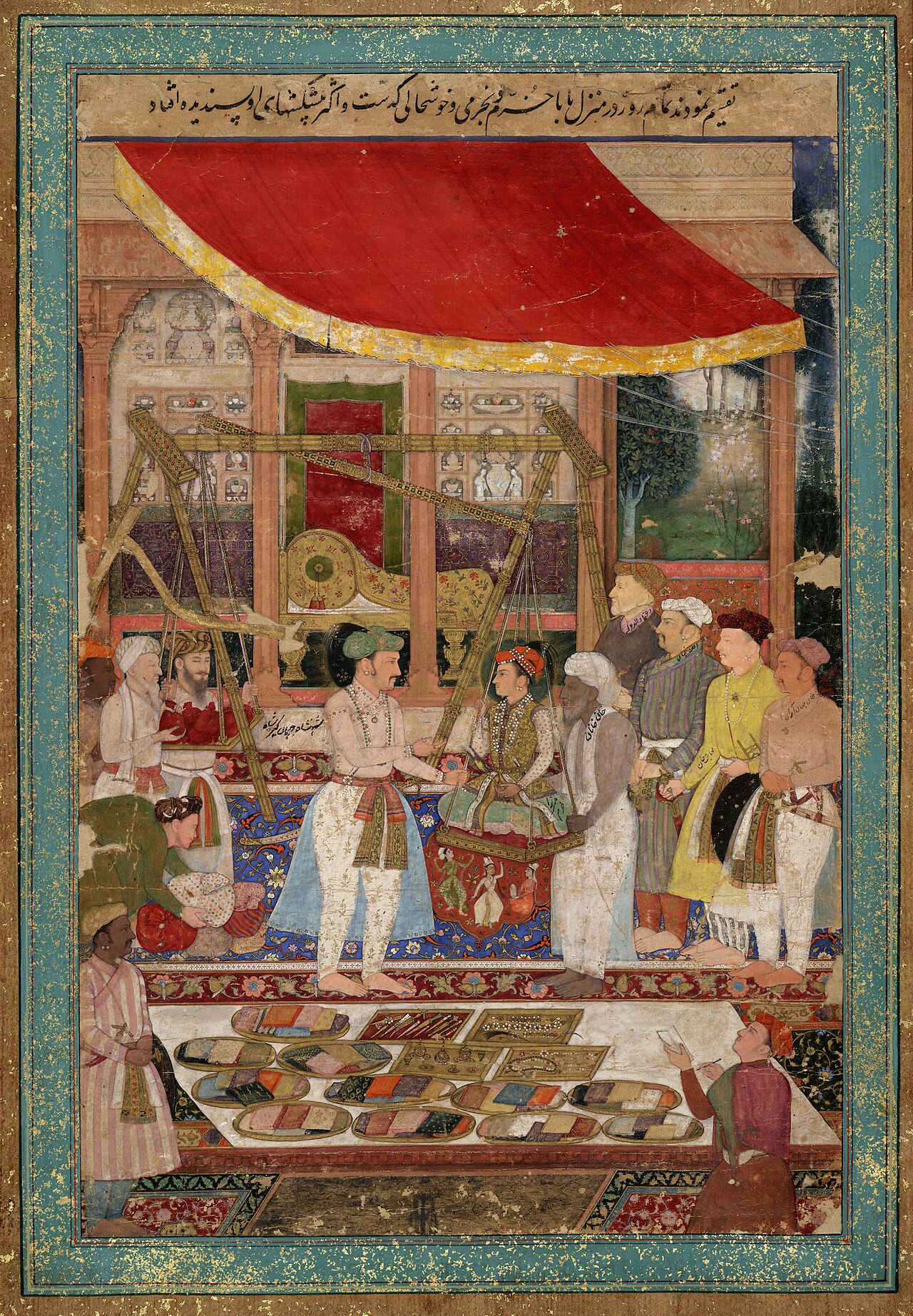
Jahangir Weighing Prince Khurram Against Gold and Silver
Manohar Das · c. 1610-1615
Free account
Read every Jahangir I source
Sign up free →
Ready when you are
Start chatting with Jahangir I now.
20 messages free · No credit card · Available in 50+ languages.