


Primary sourcePhotograph1963
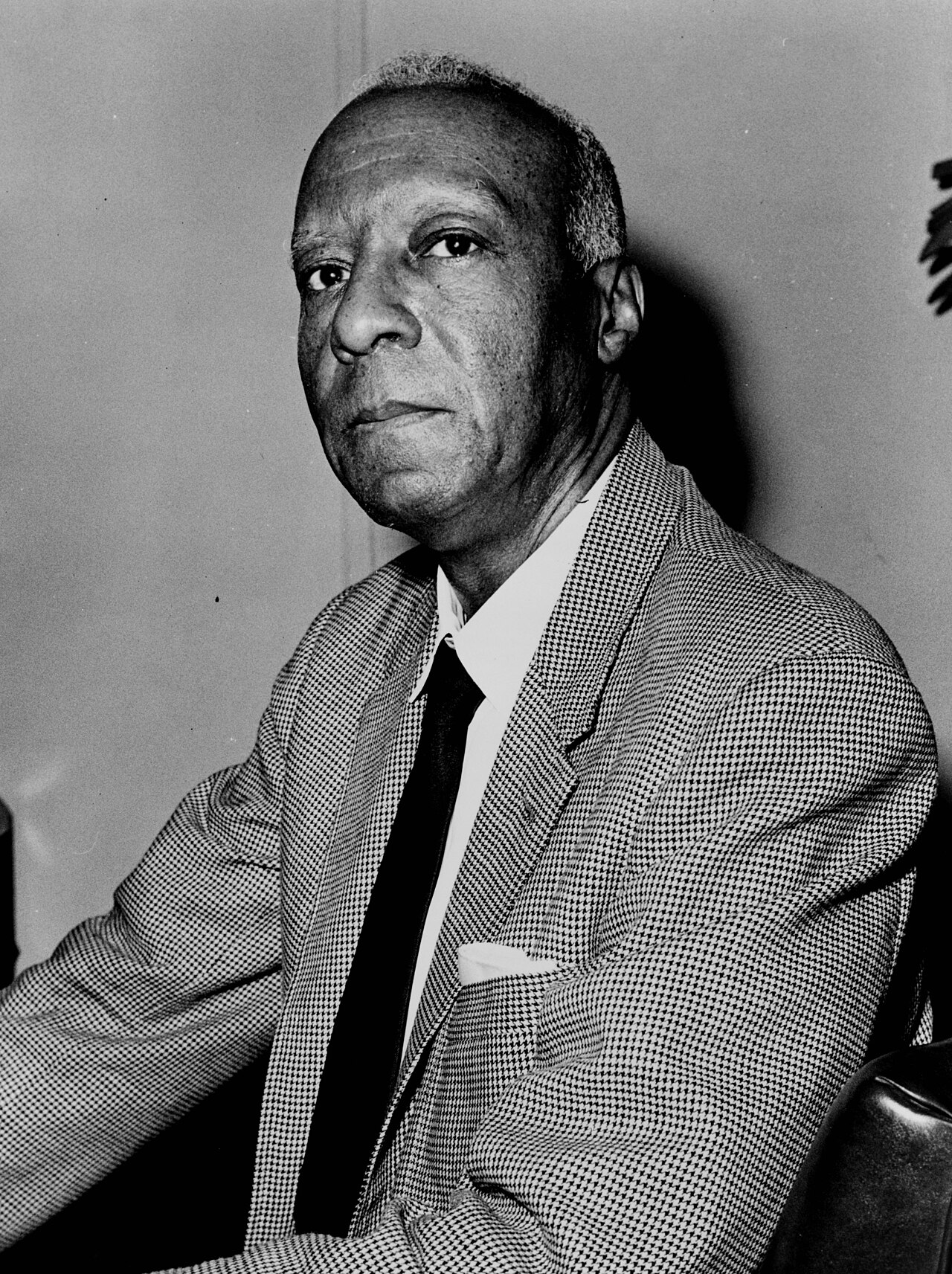
Portrait of A. Philip Randolph
New York World-Telegram · 1963
A 1963 New York World-Telegram photograph of A. Philip Randolph, the standard image of him as elder statesman of the civil rights and labor movements.
This is the standard portrait photograph of Randolph used to represent him as an elder civil rights leader.
About this source
What it is
A black-and-white photographic portrait of A. Philip Randolph, taken in 1963 by the New York World-Telegram. It shows him seated, an older man with short gray hair, wearing a houndstooth jacket, white shirt and dark tie.
Why it matters
This photograph became the widely used standard likeness of Randolph, showing him as a respected elder leader at the height of the civil rights movement. It reflects how press photography shaped the public image of movement leaders during the 1960s.
Look closer
- What does his posture and expression suggest about how the photographer wanted him to be seen?
- Why might this particular image have become the 'standard' portrait used to represent him?
- What does the photo not tell us about his decades of earlier organizing work?
This photograph is part of the curated material that grounds the AI version of A. Philip Randolph on Humy.ai — when students ask about related events, the AI can quote it and cite it.
More A. Philip Randolph sources
Meet the AI A. Philip Randolph →Primary source
Executive Order 9066
Franklin Delano Roosevelt · 19 February 1942
 Document
Primary source
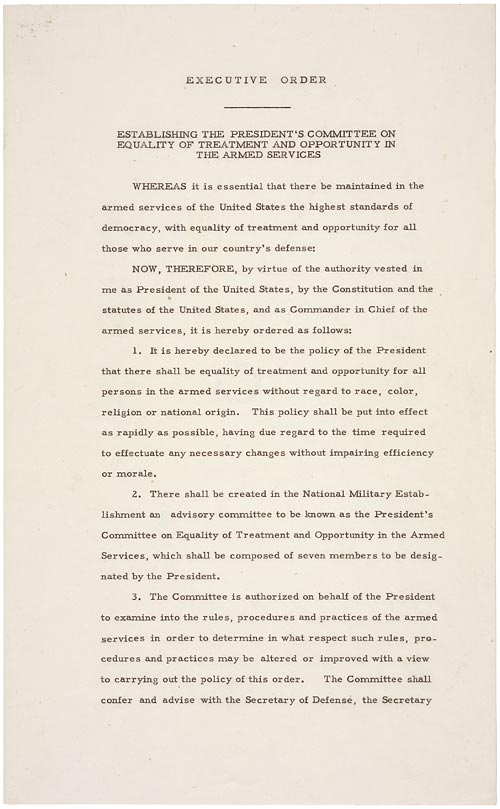
Executive Order 9981
Harry S. Truman · 26 July 1948
 Document
Primary source
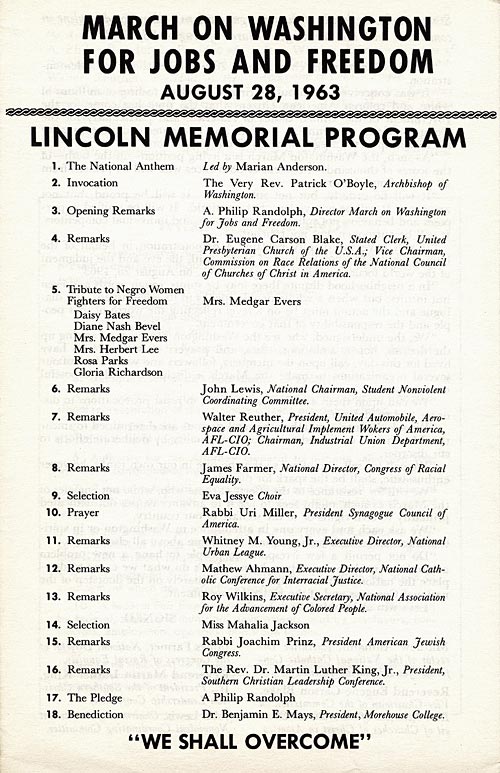
Official Program for the March on Washington
28 August 1963
 Newspaper article
Primary source
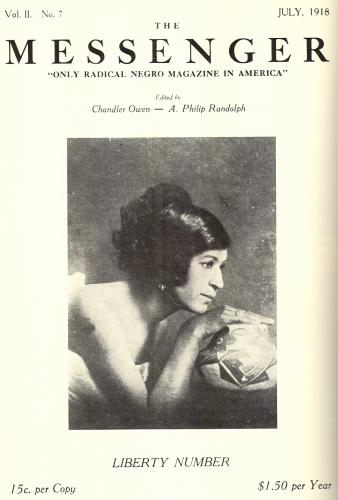
The Messenger
A. Philip Randolph and Chandler Owen · 1917-1928
 Document
Primary source
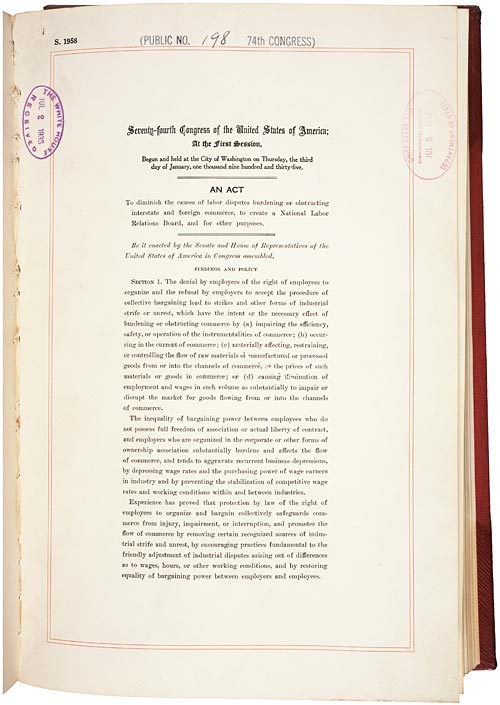
National Labor Relations Act of 1935
Senator Robert F. Wagner / United States Congress · 5 July 1935
Ready when you are
Start chatting with A. Philip Randolph now.
20 messages free · No credit card · Available in 50+ languages.