


Secondary sourcePainting
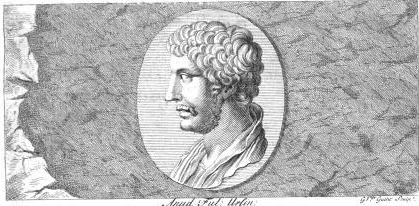
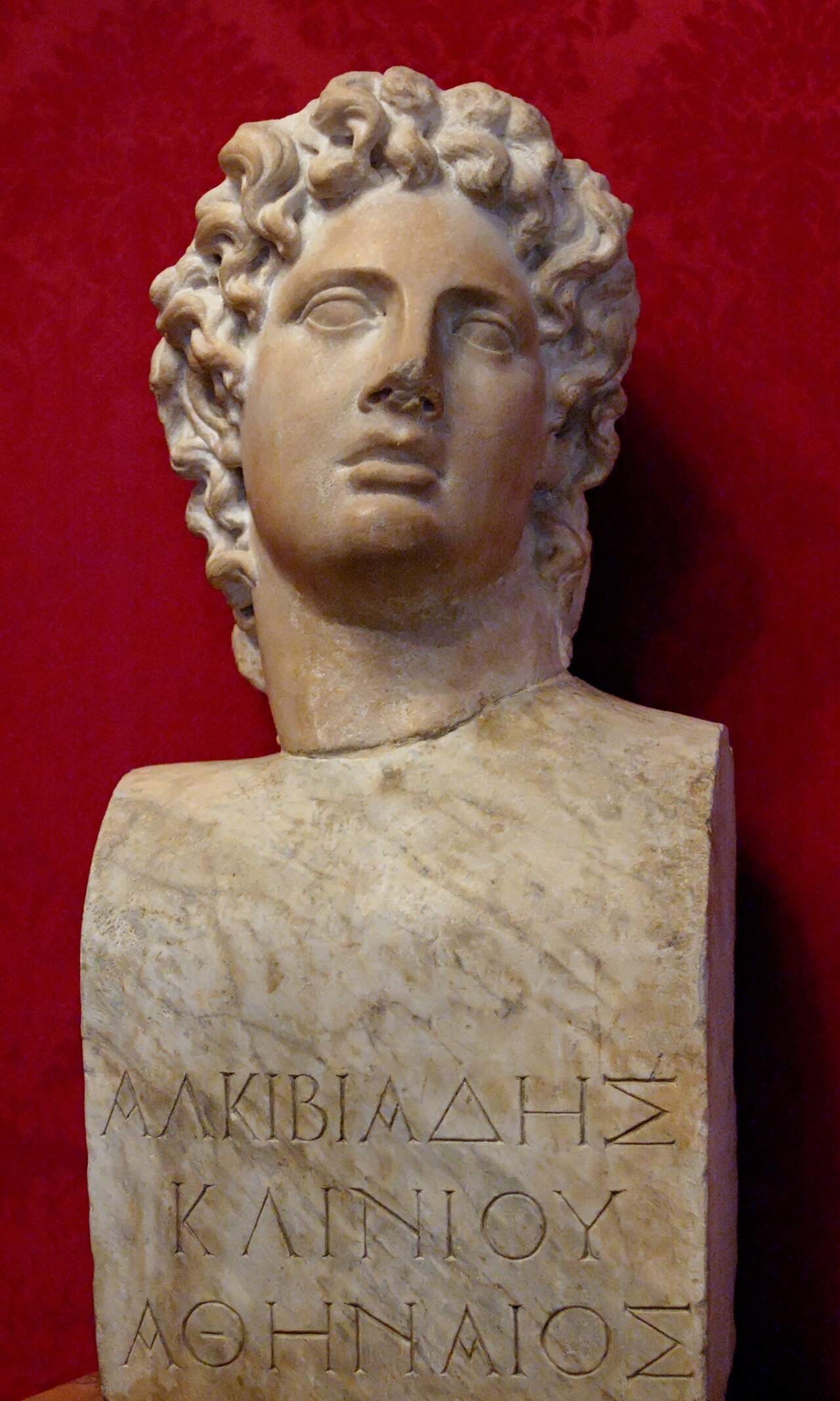
Portrait of Alcibiades from Bryan's Plutarch
Gerard Vandergucht
An 18th-century engraving of Alcibiades taken from an ancient gem, made to illustrate an edition of Plutarch's Lives.
An engraved portrait made to accompany Plutarch's biography of Alcibiades, based on an ancient gem thought to show him.
About this source
What it is
This engraving by Gerard Vandergucht shows a portrait of Alcibiades copied from an ancient engraved gem. It illustrated the second volume of Plutarch's Vitae parallelae (Parallel Lives) in the edition prepared by Augustine Bryan.
Why it matters
Editors and artists of later centuries wanted to give readers a face to match Plutarch's famous biography of Alcibiades, so they turned to ancient gems and coins believed to show him. This reveals how much later interpretations of historical figures depended on fragments of ancient material culture, reinterpreted and printed for new audiences.
Look closer
- Why might an 18th-century editor want to include a portrait with an ancient biography?
- What does using an ancient gem as a source suggest about trust in older objects?
- How reliable do you think a gem-based portrait is as evidence of what Alcibiades truly looked like?
This painting is part of the curated material that grounds the AI version of Alcibiades on Humy.ai — when students ask about related events, the AI can quote it and cite it.
More Alcibiades sources
Browse all 94 →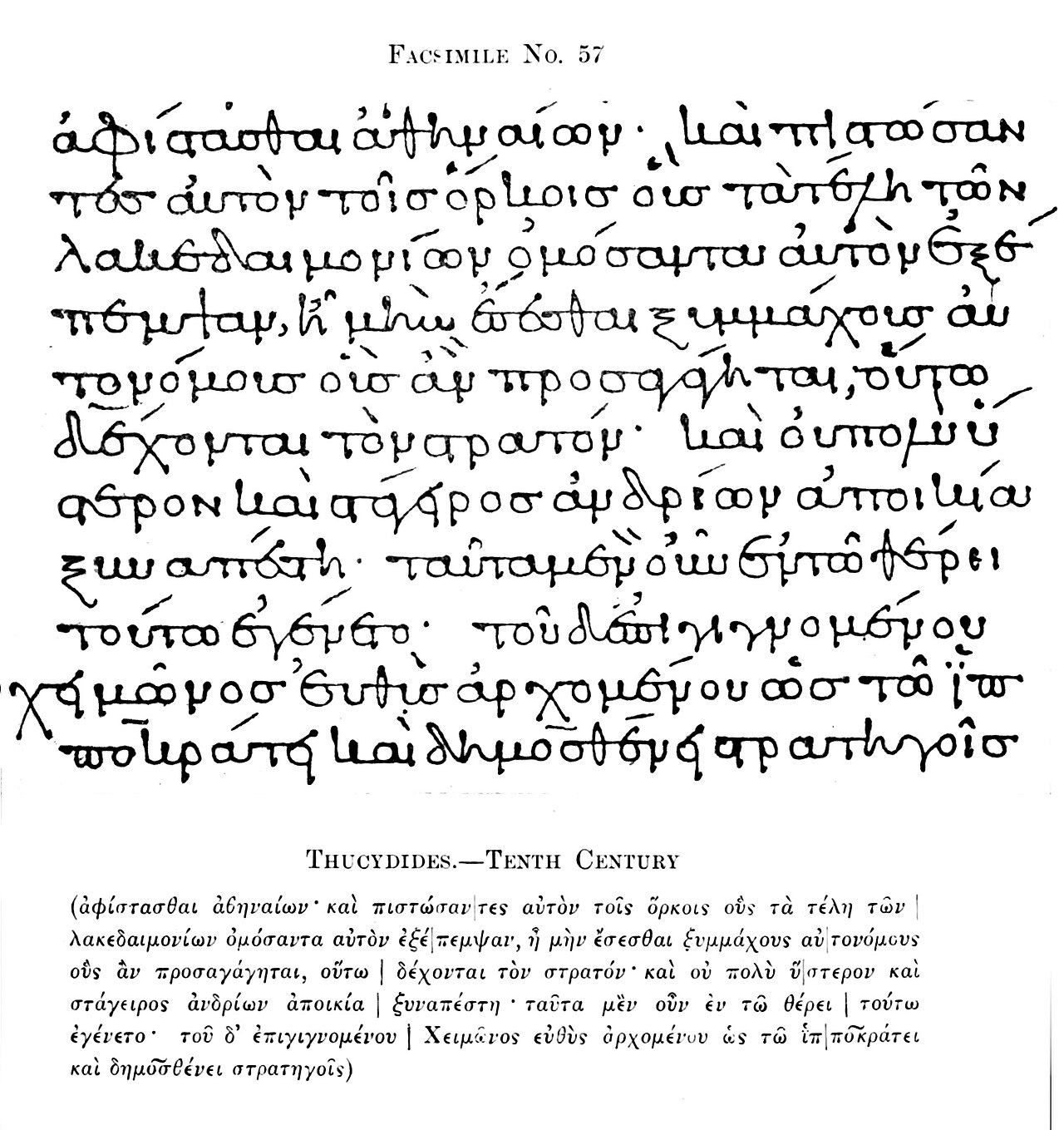 Book
Primary source
History of the Peloponnesian War
Thucydides · 5th century BCE
Secondary source
Life of Alcibiades
Plutarch
 Book
Secondary source
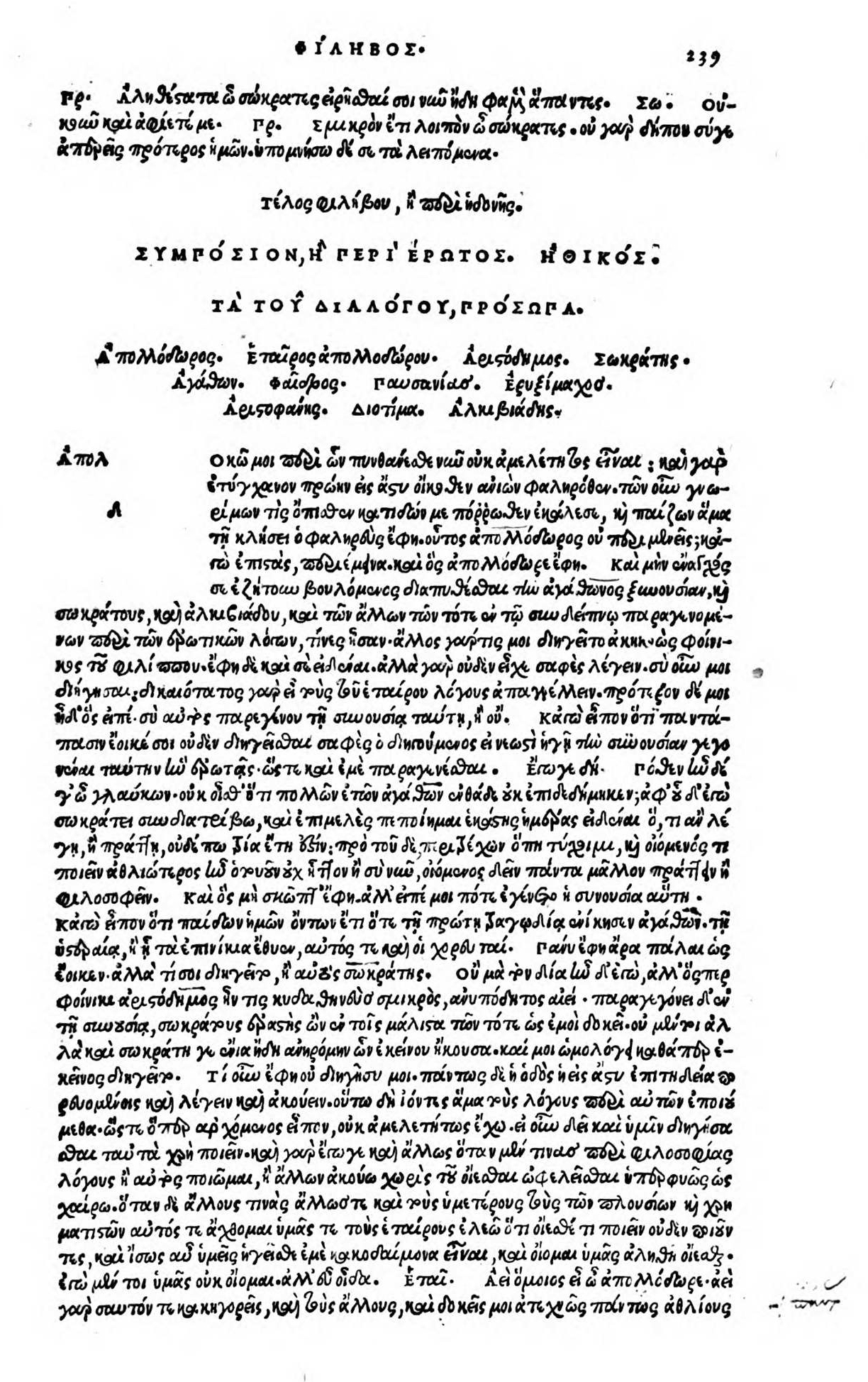
Symposium
Plato · c. 385-370 BC
 Artifact
Primary source
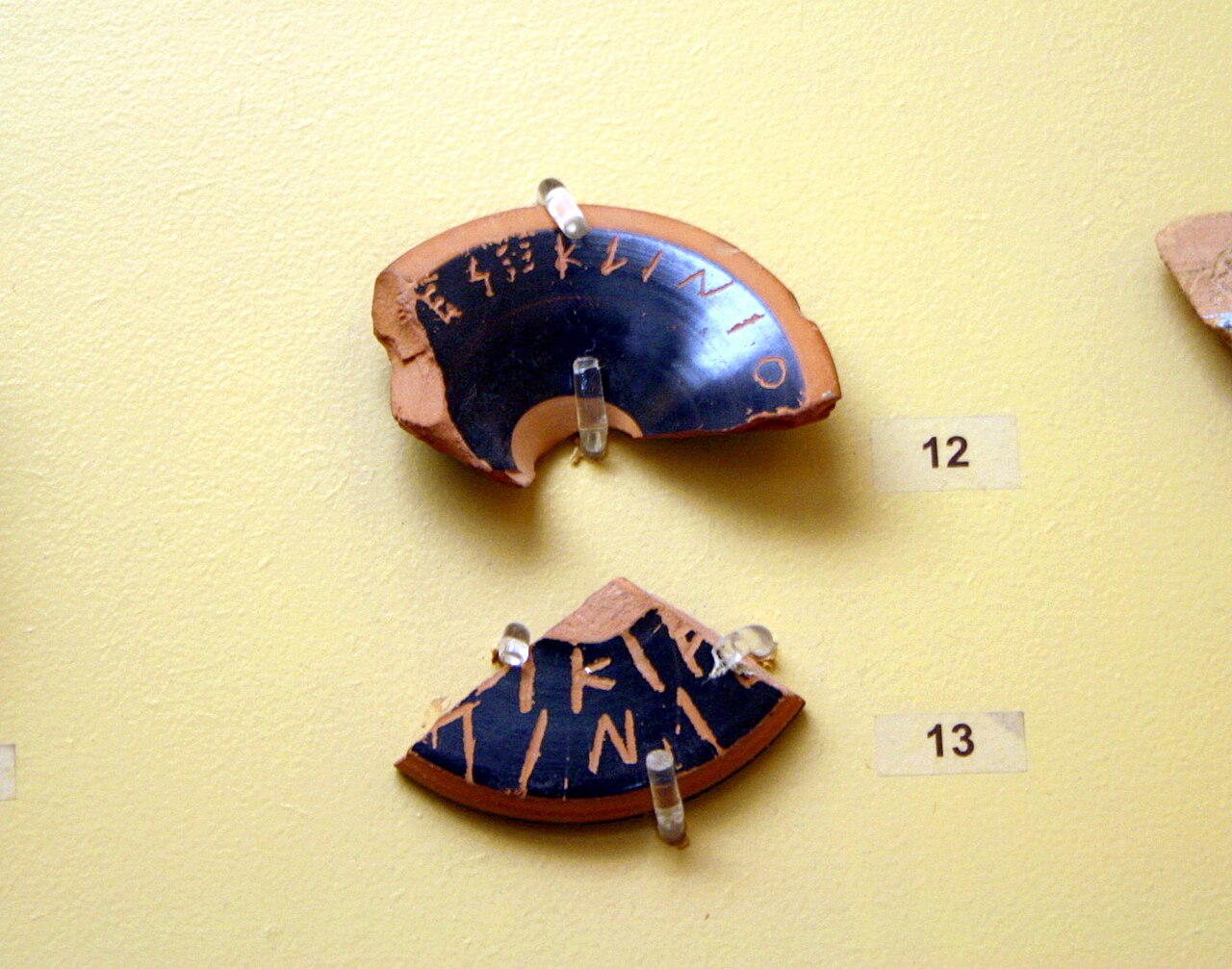
Ostraka inscribed with the name of Alcibiades
Athenian citizens · c. 416-415 BC
Free account
Read every Alcibiades source
Sign up free →
Ready when you are
Start chatting with Alcibiades now.
20 messages free · No credit card · Available in 50+ languages.