


Secondary sourceBookc. 385-370 BC
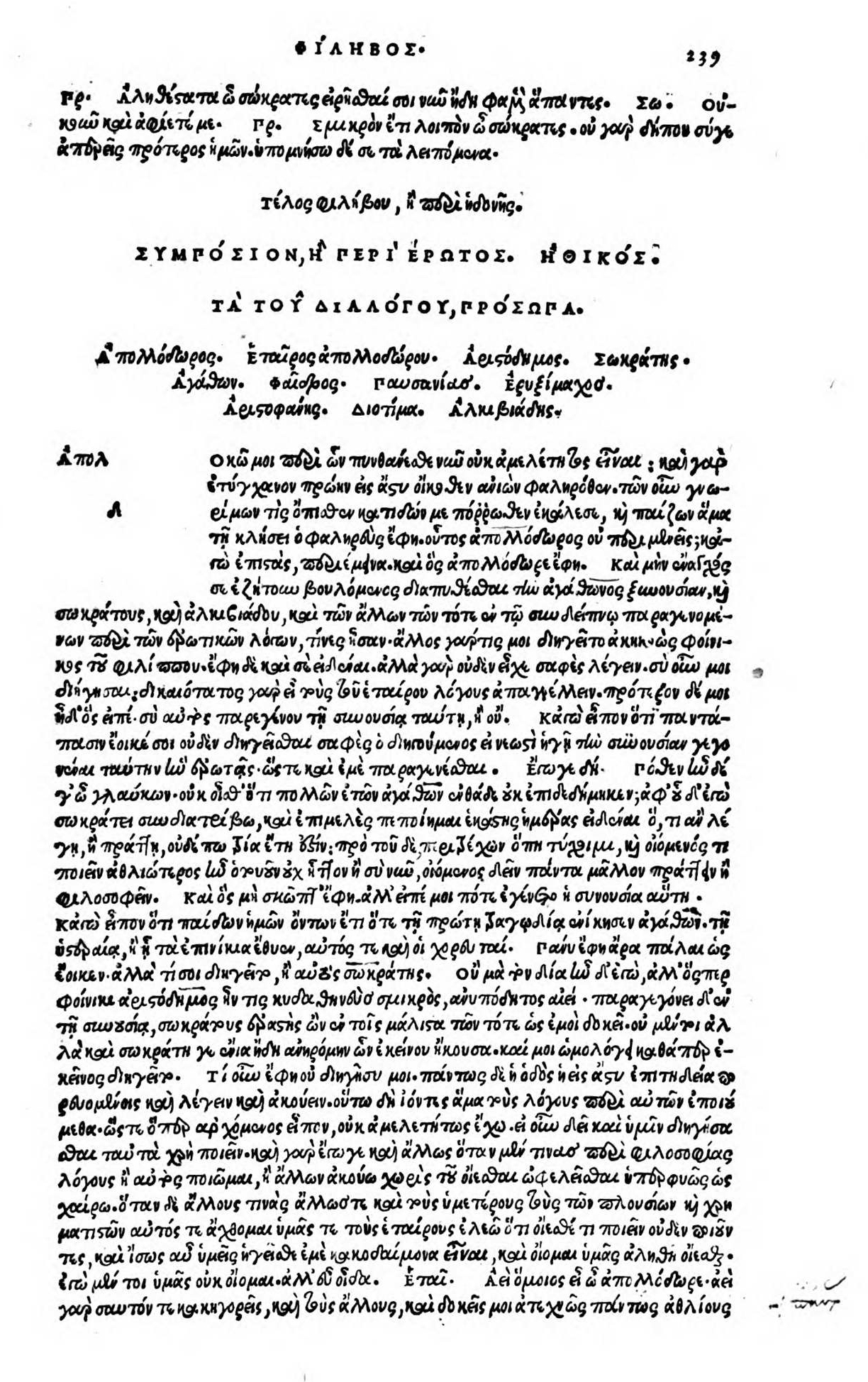
Symposium
Plato · c. 385-370 BC
Plato's dialogue depicting a banquet of speeches on love, ending with Alcibiades' vivid description of Socrates' courage, trances and unusual appearance.
Contains Alcibiades' famous eulogy describing Socrates' courage, endurance and distinctive appearance.
About this source
What it is
The Symposium is a dialogue written by Plato around 385-370 BC. It portrays a banquet in Athens where guests, including Socrates, the general Alcibiades and the playwright Aristophanes, each give a speech in praise of Eros, the god of love.
Why it matters
Though the characters are historical, the work is not a record of real events but a philosophical composition by Plato. Its final section, Alcibiades' eulogy, gives one of the most vivid portraits of Socrates we have: his endurance as a soldier at Potidaea, his habit of falling into long trances, and his unusual, Silenus-like looks. These details shaped how later generations imagined Socrates.
Look closer
- Since Plato wrote this years after the events it describes, how should that affect how we trust its details about Socrates?
- Why might Plato have chosen Alcibiades, a famous and controversial figure, to deliver the final praise of Socrates?
- What does the description of Socrates' appearance and behavior add to the philosophical argument of the dialogue?
This book is part of the curated material that grounds the AI version of Socrates on Humy.ai — when students ask about related events, the AI can quote it and cite it.
More Socrates sources
Meet the AI Socrates →Secondary source
Apology
Plato · c. 395 BC
 Painting
Secondary source
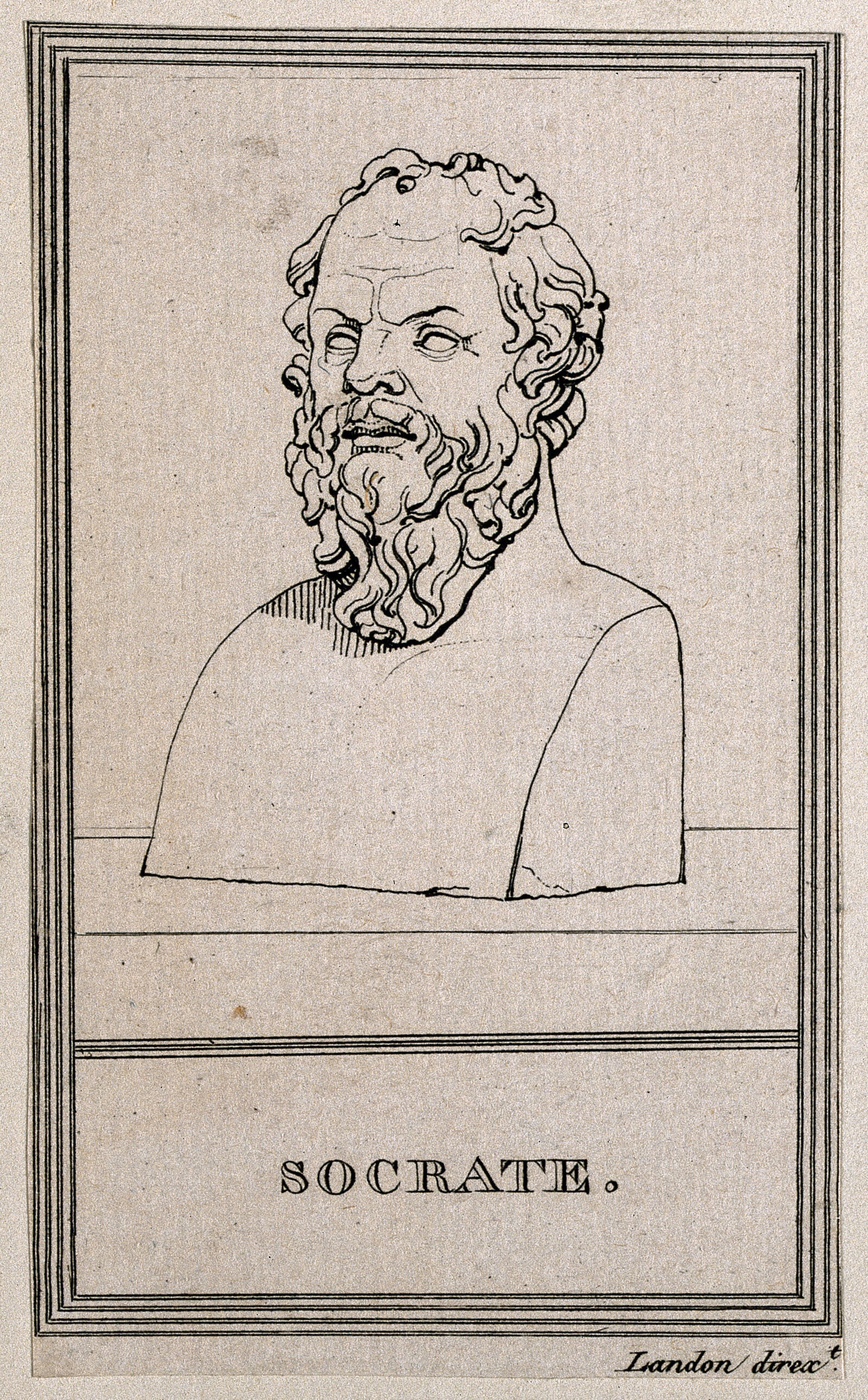
Line Engraving of Socrates by Landon
Charles Paul Landon
 Book
Secondary source
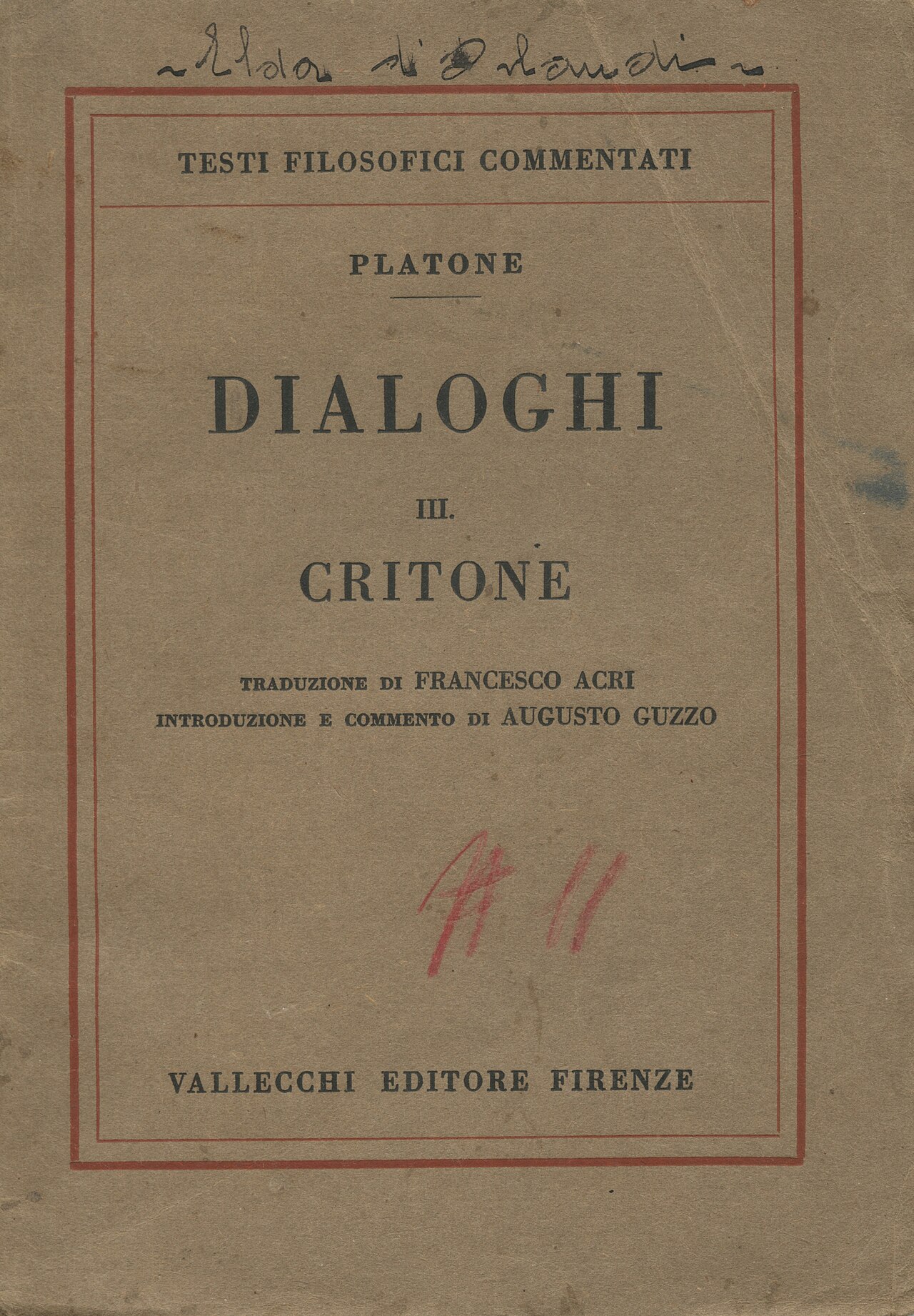
Crito
Plato · c. 400 BC
 Painting
Secondary source
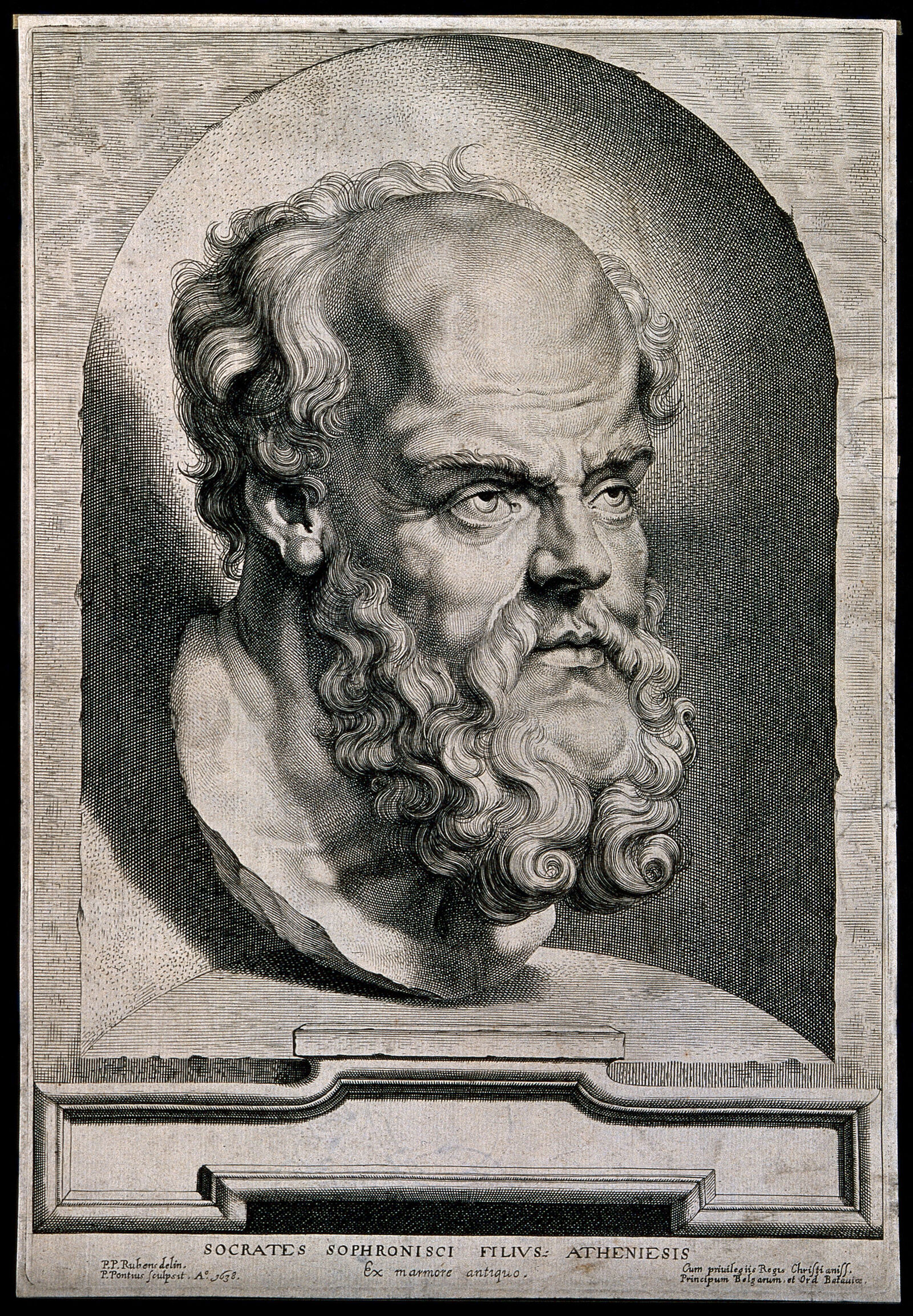
Socrates Engraving after Rubens by Pontius
Peter Paul Rubens · 1638
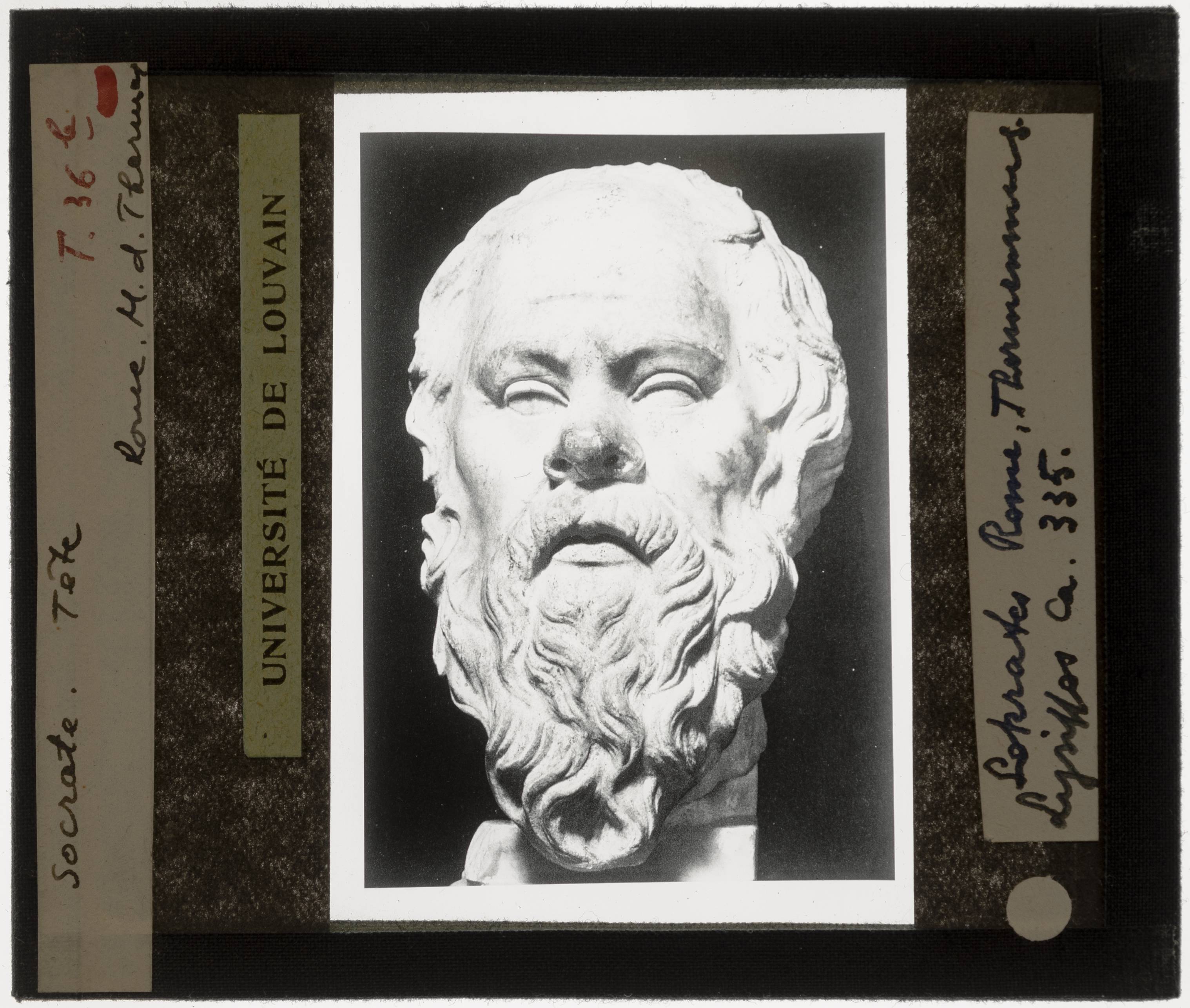 Photograph
Secondary source
Roman Marble Bust of Socrates
between 1839 and 1939
Ready when you are
Start chatting with Socrates now.
20 messages free · No credit card · Available in 50+ languages.