


Secondary sourceSculpture319 BC
Portrait of Alexander the Great
319 BC
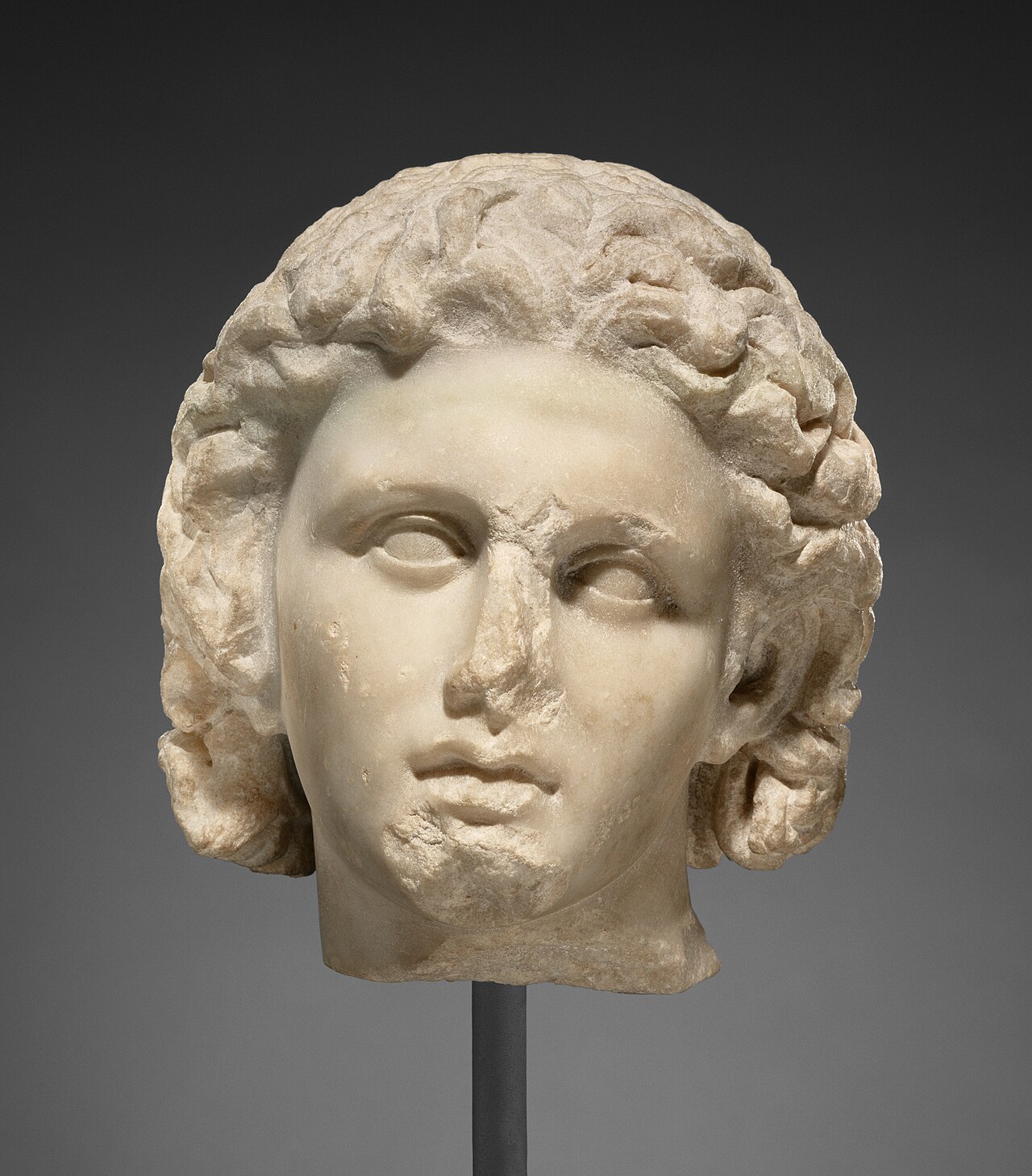
An early Hellenistic marble head showing Alexander's signature hairstyle and upward gaze, now in the Getty Villa.
This sculpture established the enduring visual image of Alexander, made soon after his death.
About this source
What it is
This marble head dates to around 319 BC, shortly after Alexander's death, and is held today at the J. Paul Getty Museum.
It shows a young man with wavy hair swept back, large eyes, and an upward gaze — features associated with Alexander's official image.
Why it matters
This portrait type, with its distinctive upswept hair (called the anastole) and intense gaze, became the standard way Alexander was shown across the ancient world, shaping how later generations imagined him as an ideal, almost godlike ruler.
Look closer
- What do the hair and the direction of the gaze suggest the sculptor wanted viewers to feel?
- Why might a ruler want to be shown this way rather than realistically?
- How much of this image do you think is really Alexander's appearance and how much is idealized propaganda?
This sculpture is part of the curated material that grounds the AI version of Alexander the Great on Humy.ai — when students ask about related events, the AI can quote it and cite it.
More Alexander the Great sources
Meet the AI Alexander the Great →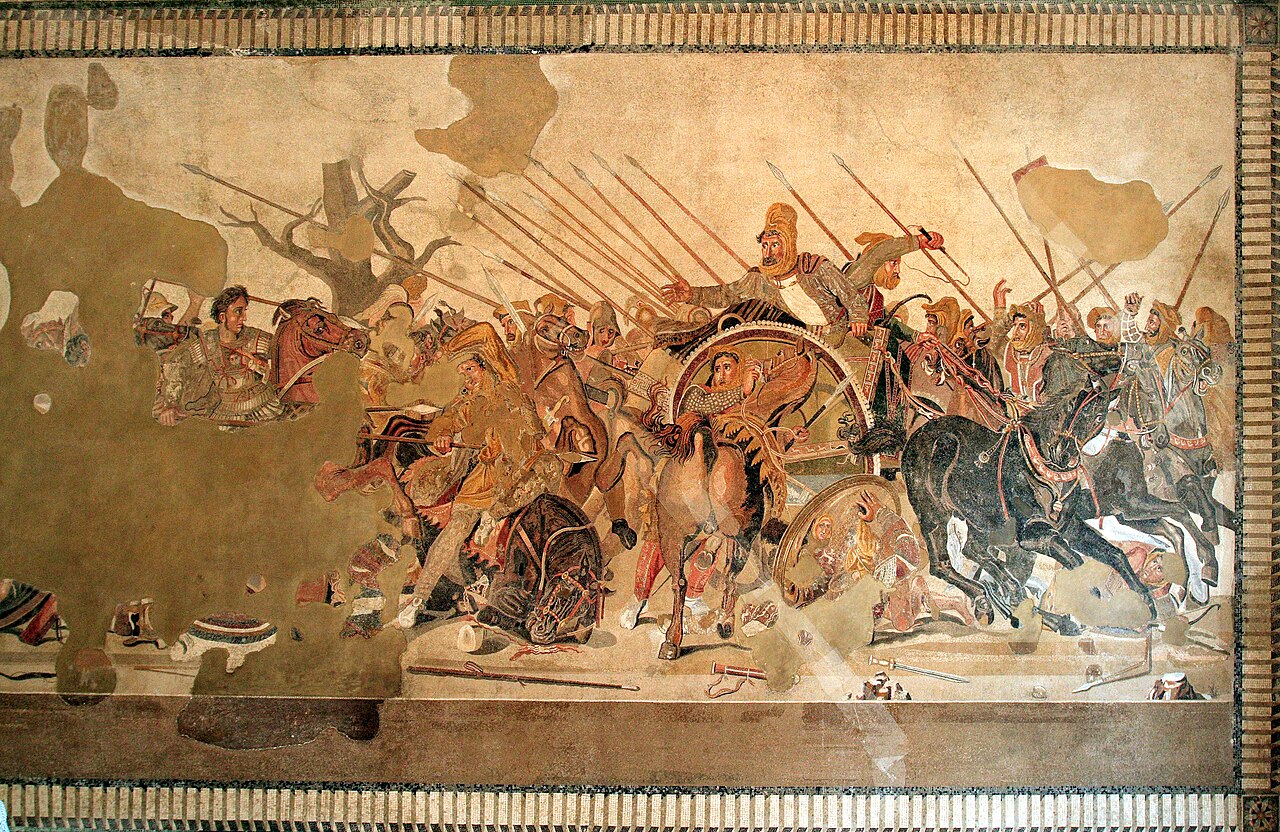 Artifact
Secondary source
Alexander Mosaic
Philoxenus of Eretria · c. 120-100 BCE (copy of an earlier Hellenistic painting)
 Painting
Secondary source
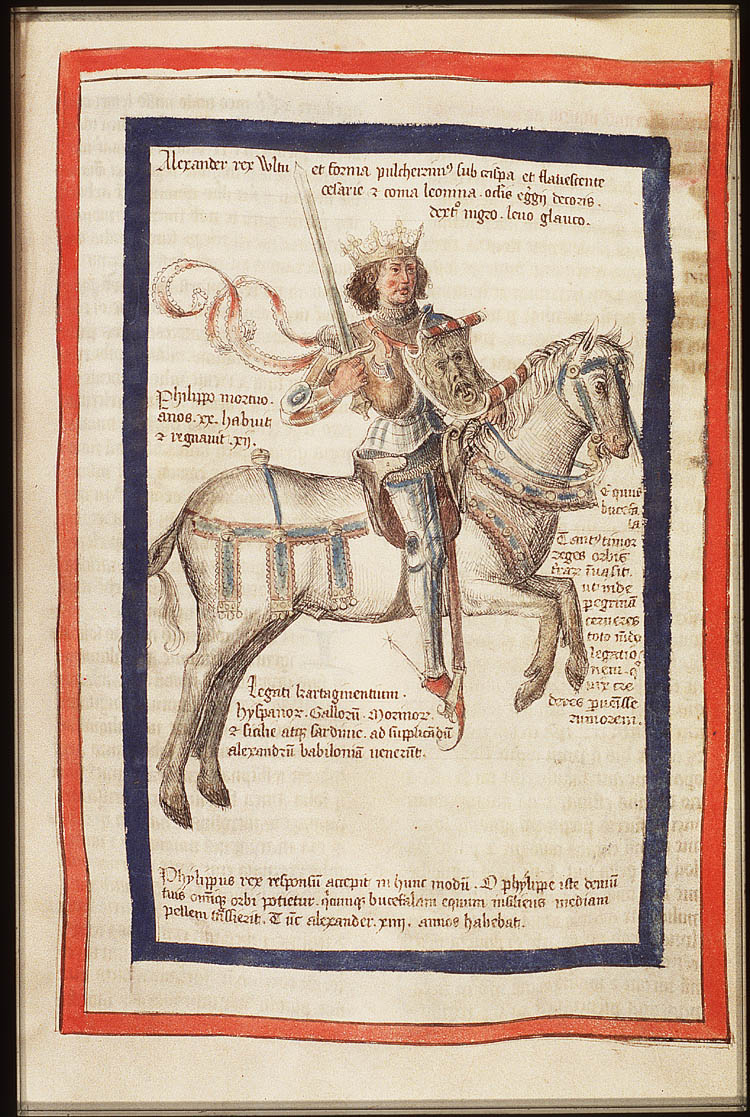
Alexander the Great riding Bucephalus
1460
 Artifact
Primary source
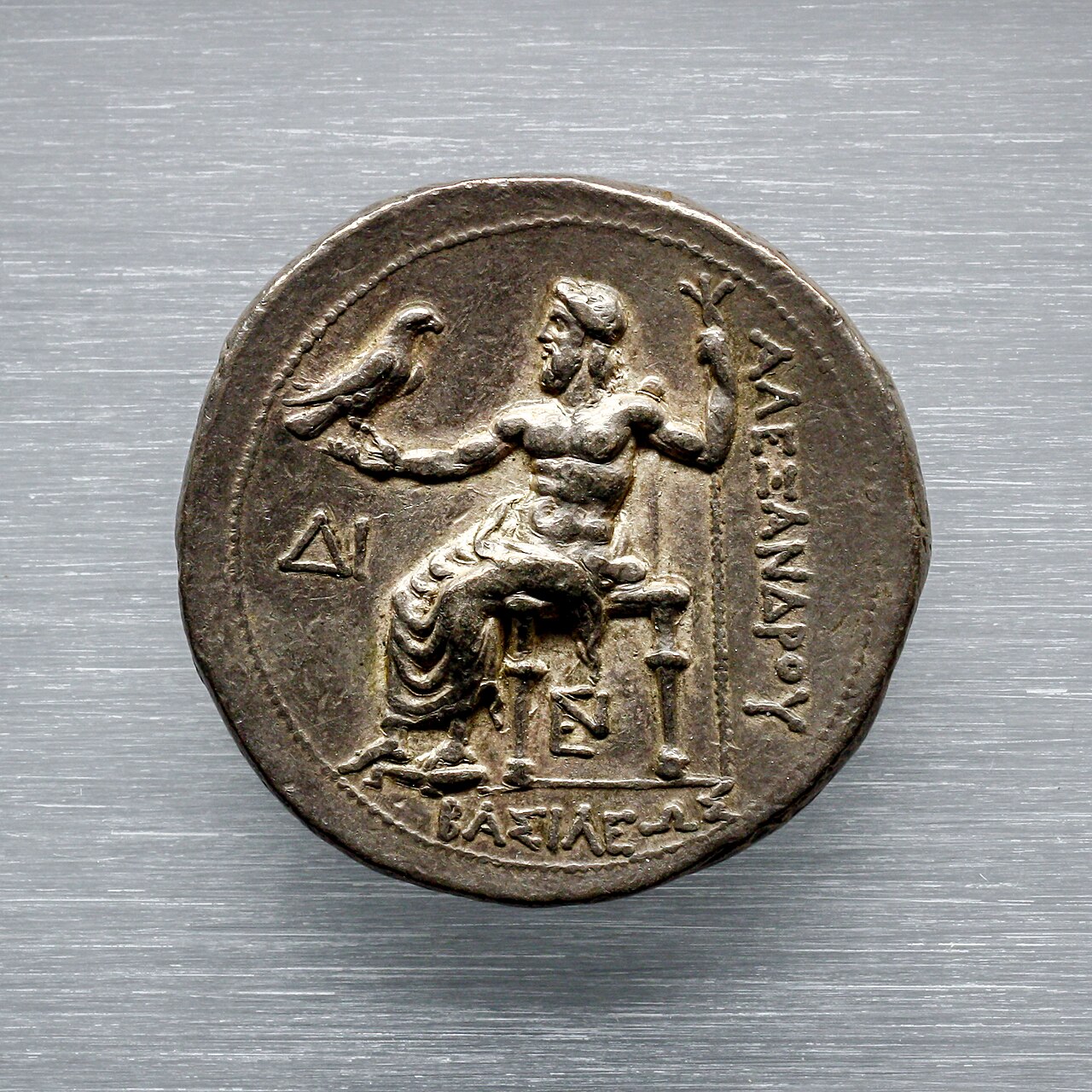
Silver Tetradrachm of Alexander the Great
Royal mints of Alexander III · c. 336-323 BCE
 Painting
Secondary source
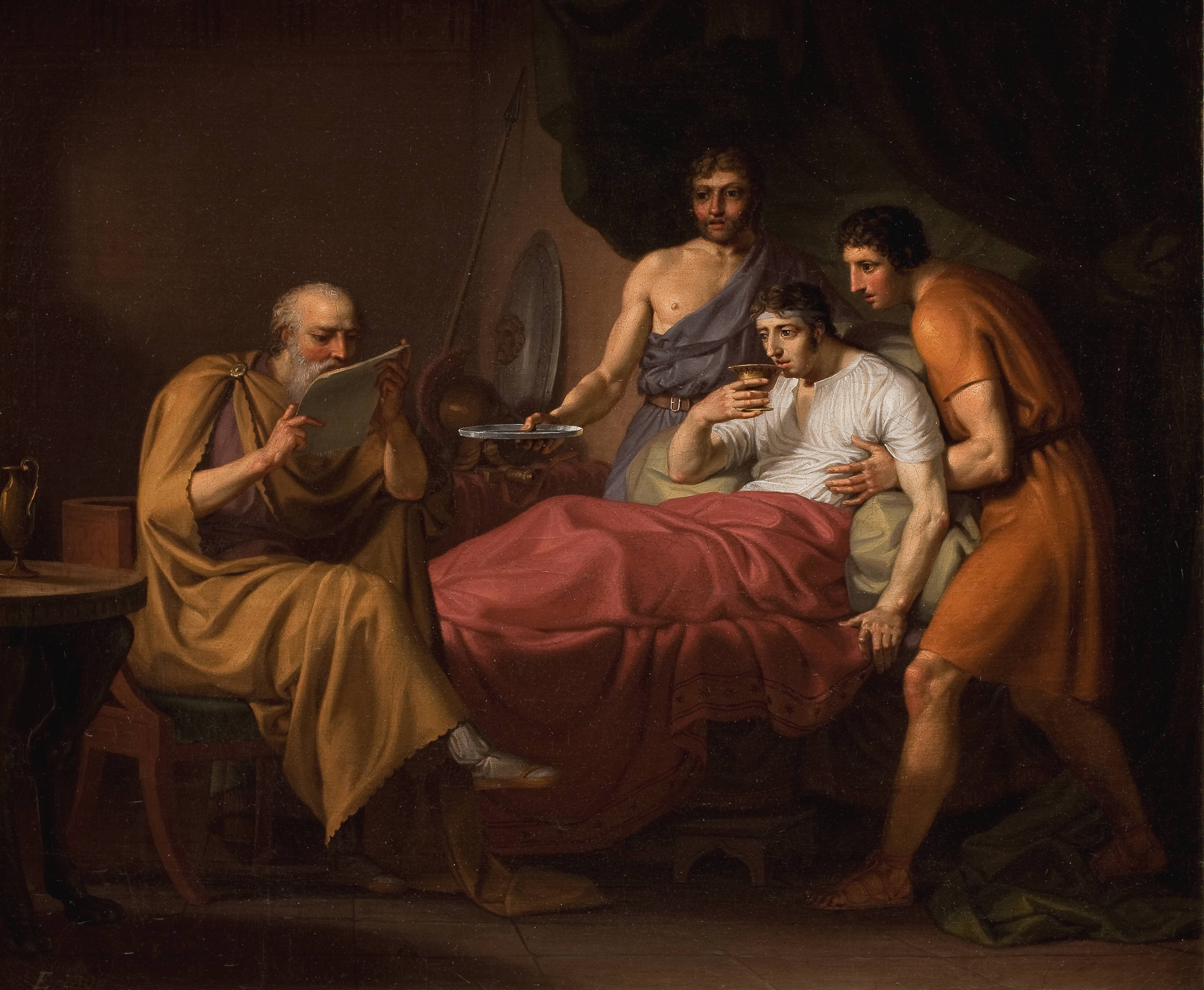
Alexander the Great on his Sickbed
1806
 Book
Secondary source
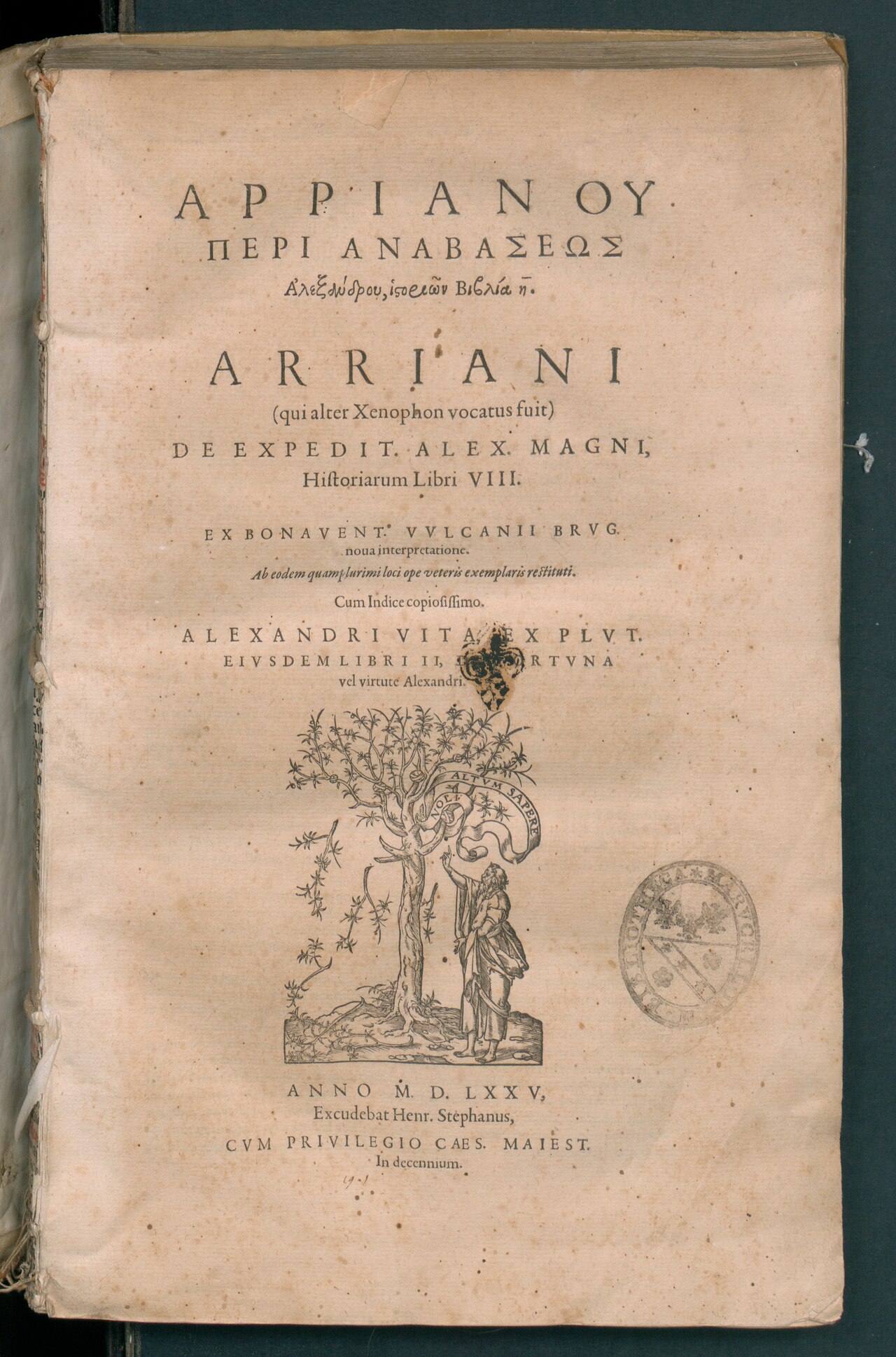
Anabasis of Alexander
Arrian · c. 150 AD
Ready when you are
Start chatting with Alexander the Great now.
20 messages free · No credit card · Available in 50+ languages.