


Secondary sourcePaintingbetween 1736 and 1738
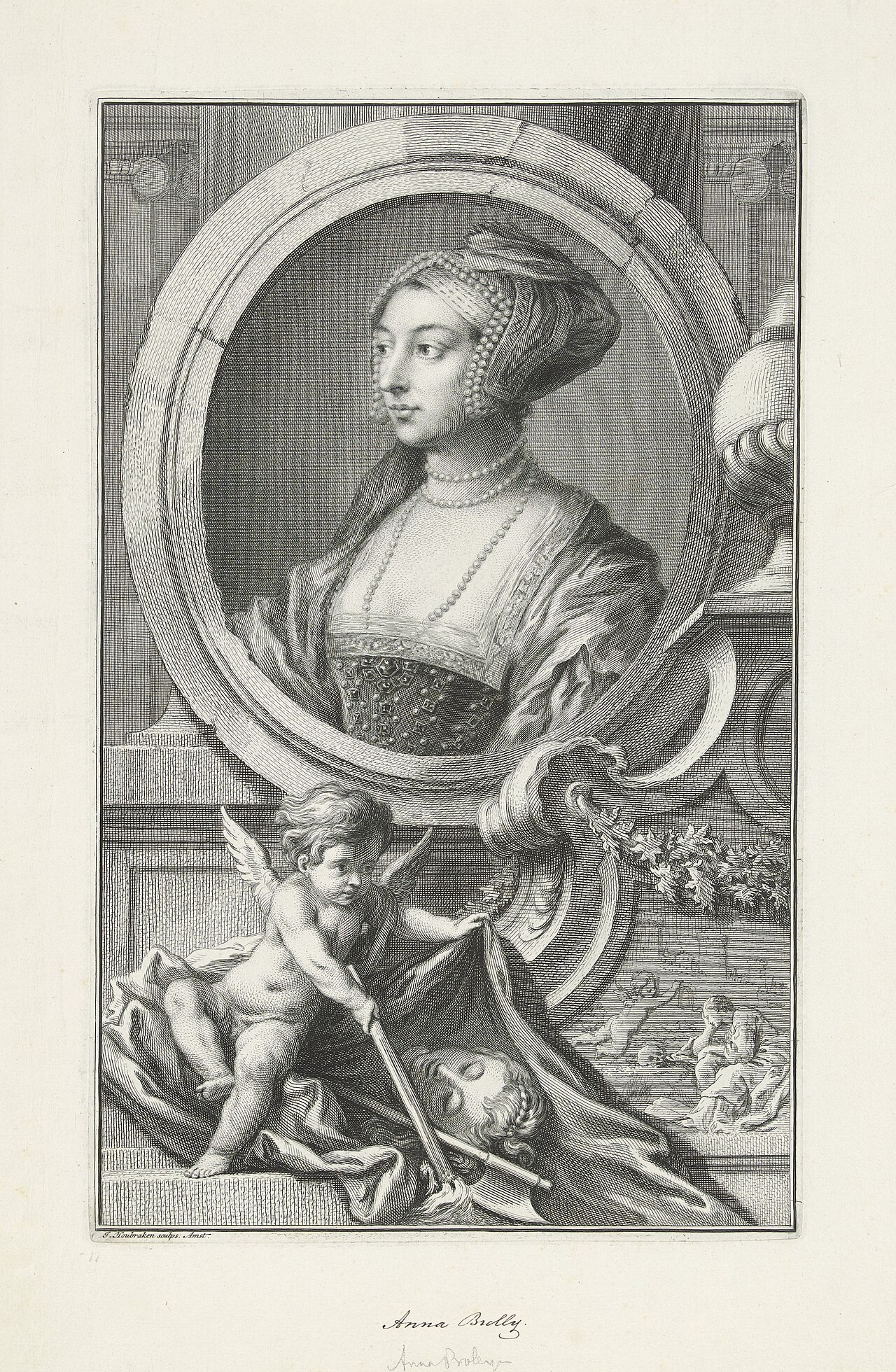
Portrait of Anne Boleyn, Queen of England
Jacob Houbraken, after Hans Holbein · between 1736 and 1738
An 18th-century engraved print of Anne Boleyn, made after a painting attributed to Hans Holbein, with a grim allegorical scene beneath referring to her execution.
A later engraved portrait of Anne Boleyn referencing her execution through symbolic imagery.
About this source
What it is
This engraving by Jacob Houbraken, made between 1736 and 1738, is based on a painting attributed to Hans Holbein. It shows Anne Boleyn in an oval medallion, and below her portrait a putto displays a severed head and sword, with a downward-pointing torch symbolizing a life ended.
Why it matters
This print connects Anne Boleyn's image directly to her execution, reminding viewers of her violent death as queen of Henry VIII. It also shows how 18th-century print culture reused earlier painted portraits to illustrate English history for a reading public.
Look closer
- Why do you think the artist included symbols of death beneath her portrait?
- What does this print suggest the artist wanted viewers to remember about Anne Boleyn?
- How might this differ from a portrait made during her lifetime?
This painting is part of the curated material that grounds the AI version of Ann Boleyn on Humy.ai — when students ask about related events, the AI can quote it and cite it.
More Ann Boleyn sources
Meet the AI Ann Boleyn →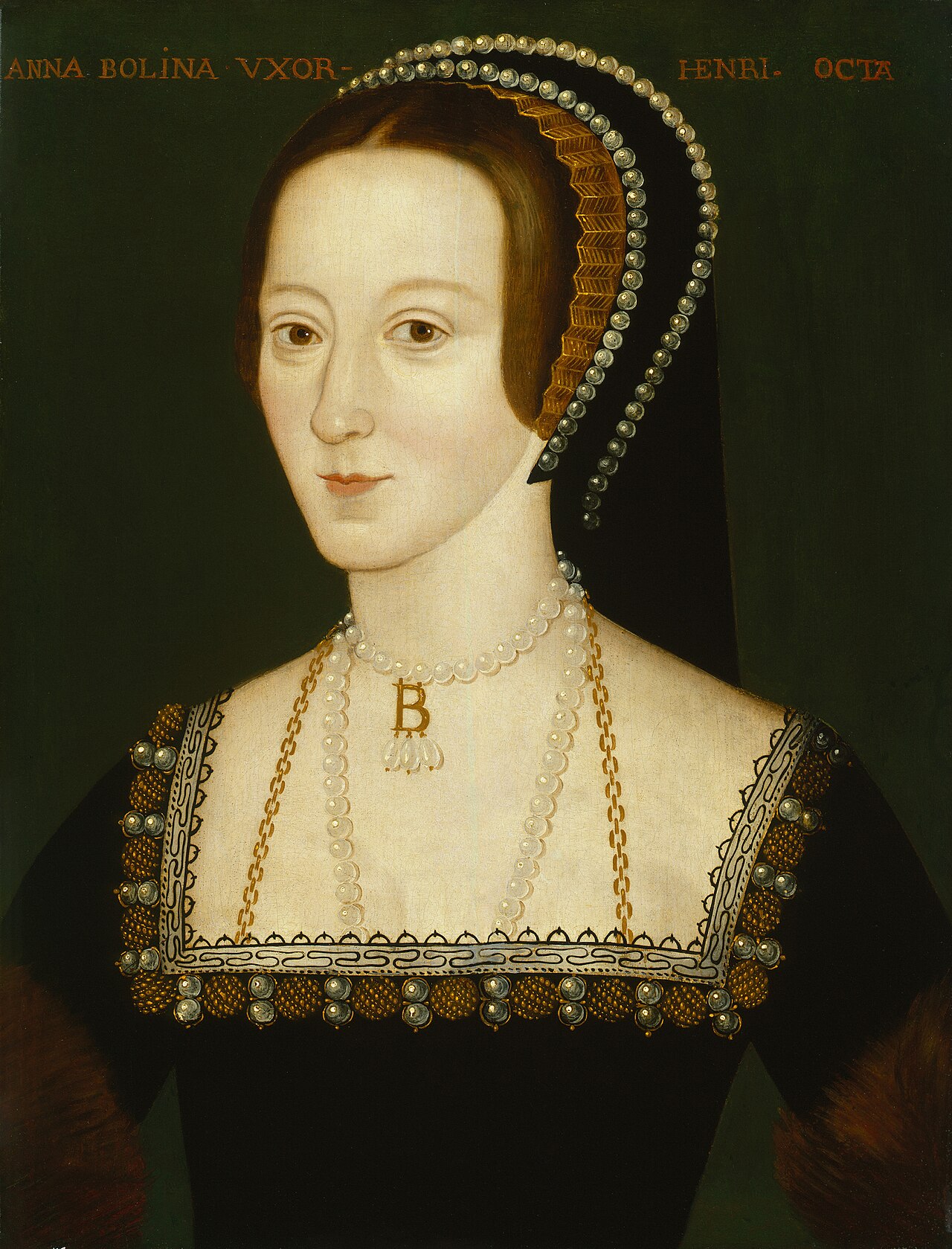 Painting
Secondary source
Anne Boleyn
Unknown artist · late 16th century (copy of lost original)
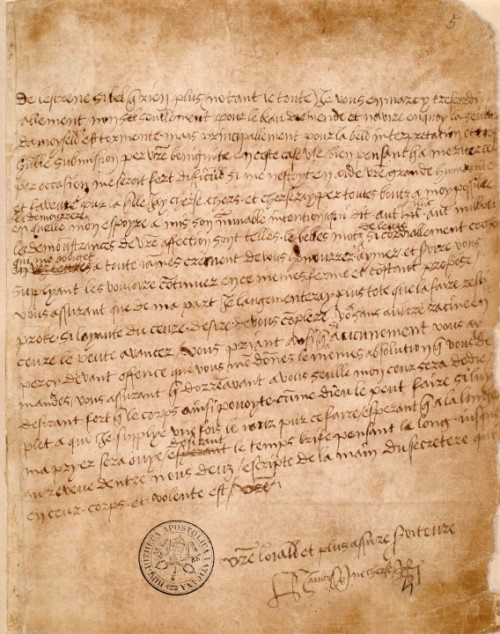 Letter
Primary source
Love letters of Henry VIII to Anne Boleyn
Henry VIII · c. 1527–1528
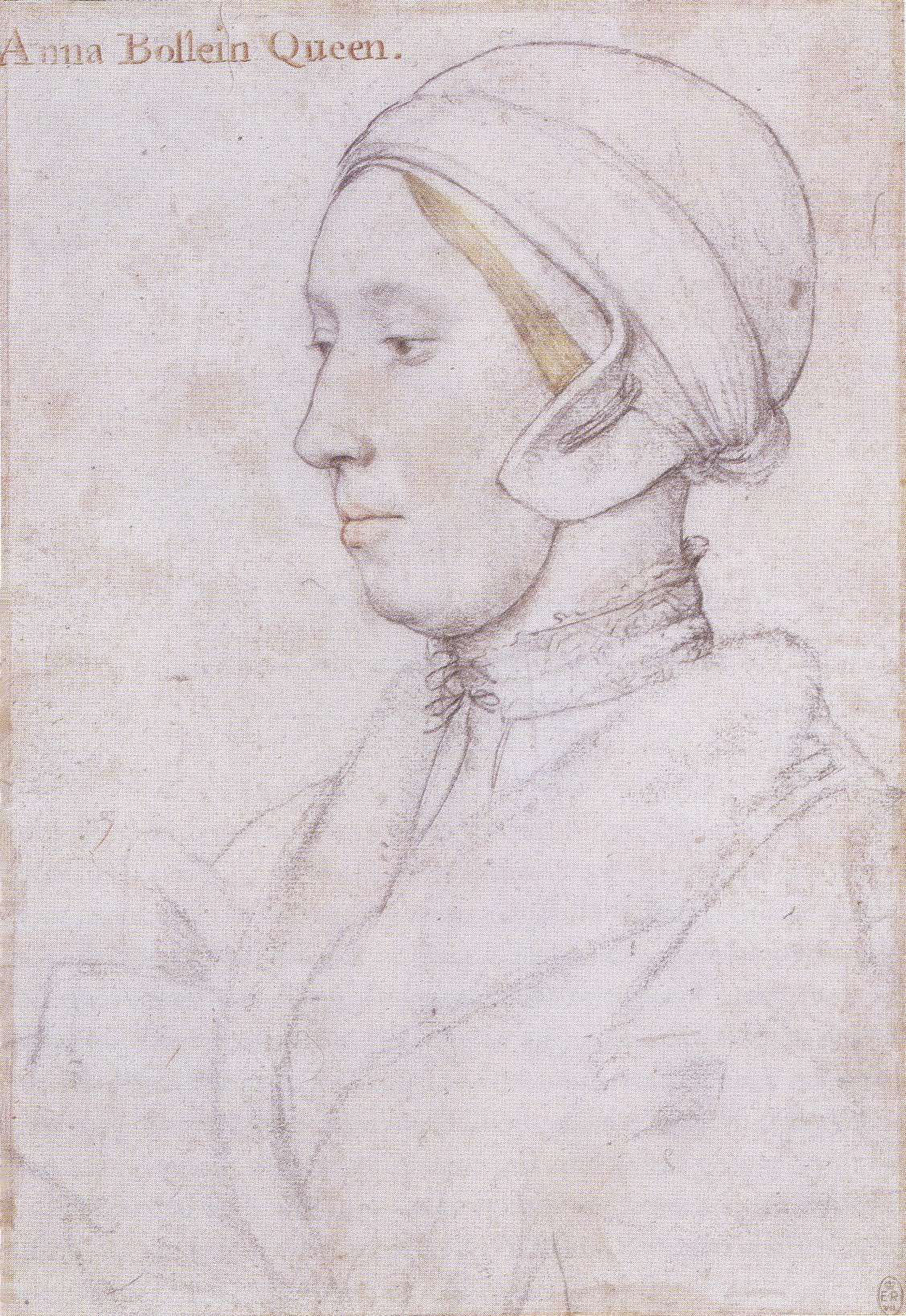 Painting
Primary source
Anna Bollein Queen
Hans Holbein the Younger · c. 1533–1536
 Painting
Primary source
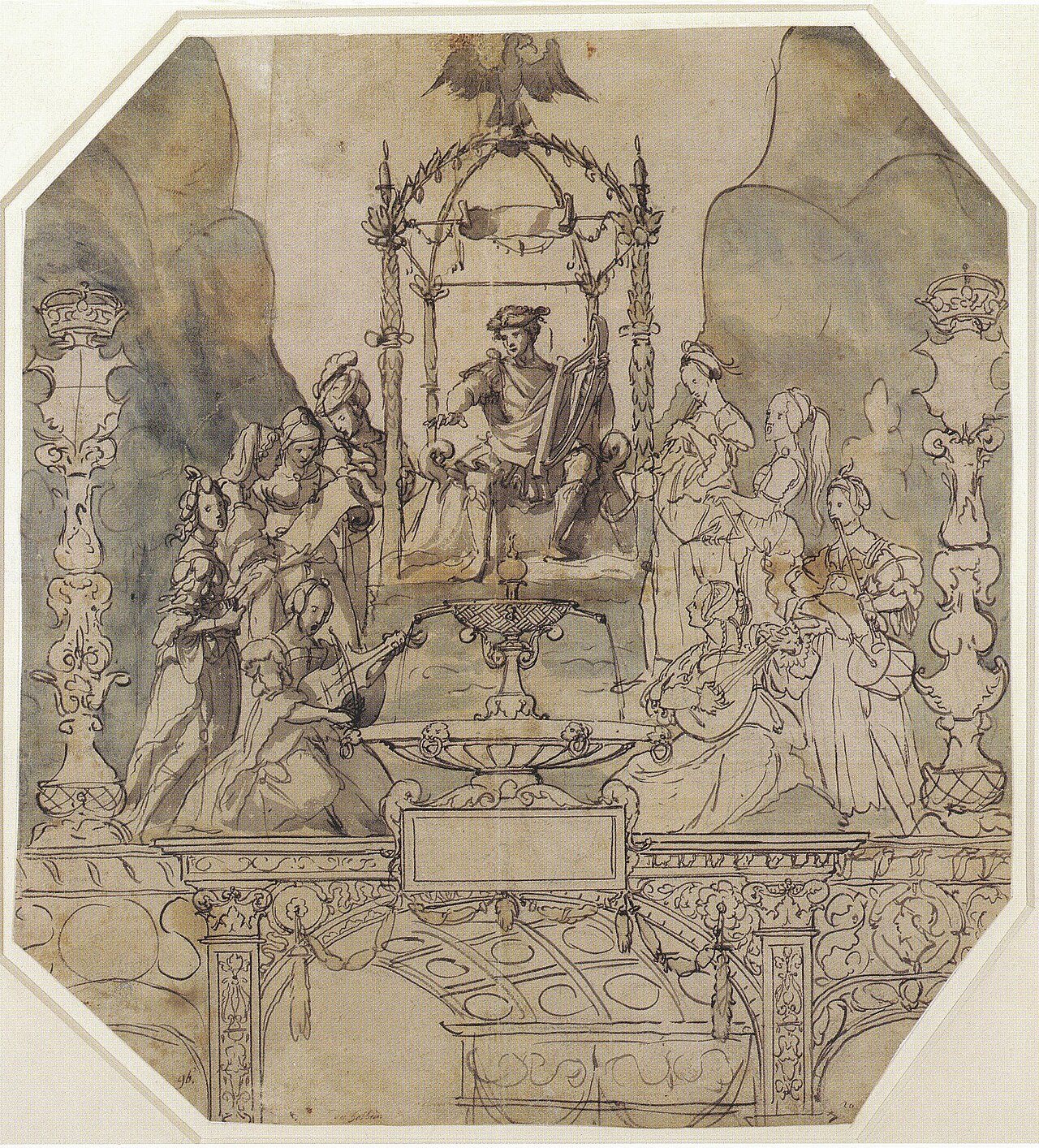
Apollo and the Muses on Parnassus
Hans Holbein the Younger · 1533
 Document
Primary source
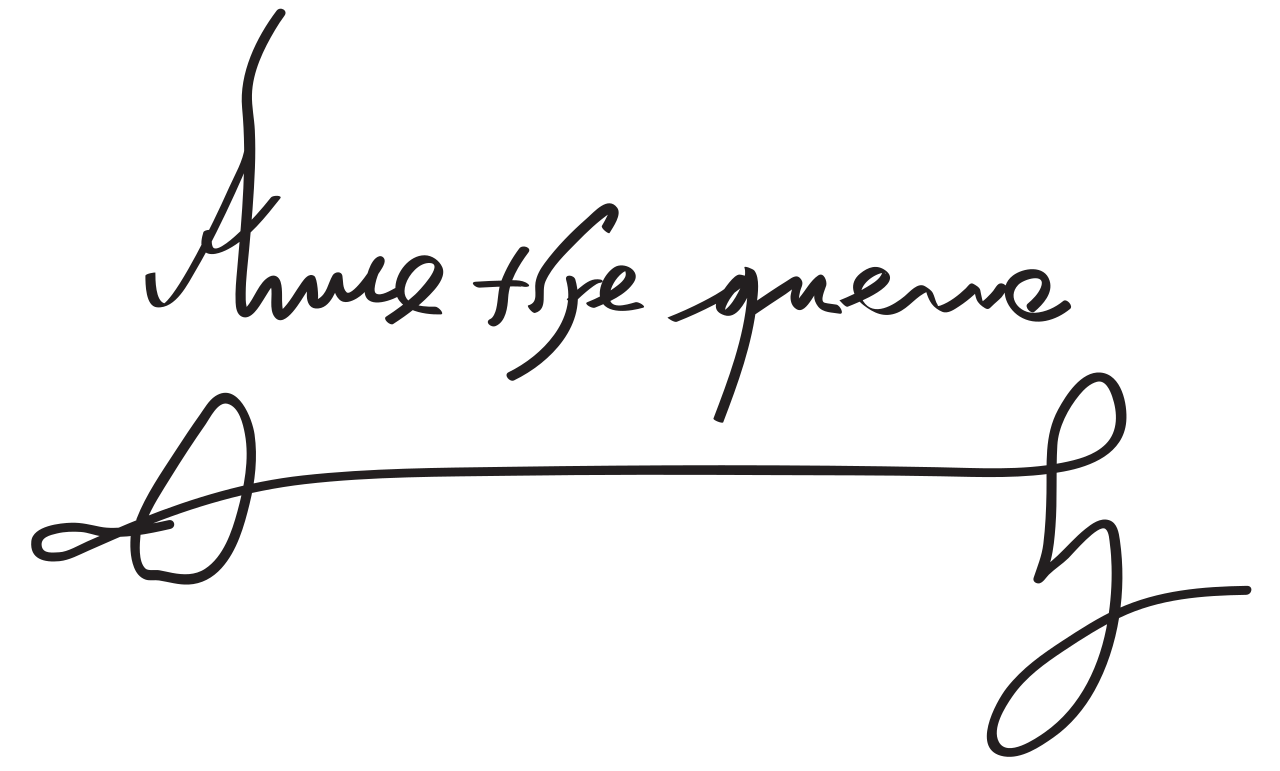
Signature of Anne Boleyn
Anne Boleyn
Ready when you are
Start chatting with Ann Boleyn now.
20 messages free · No credit card · Available in 50+ languages.