


Secondary sourcePainting1776
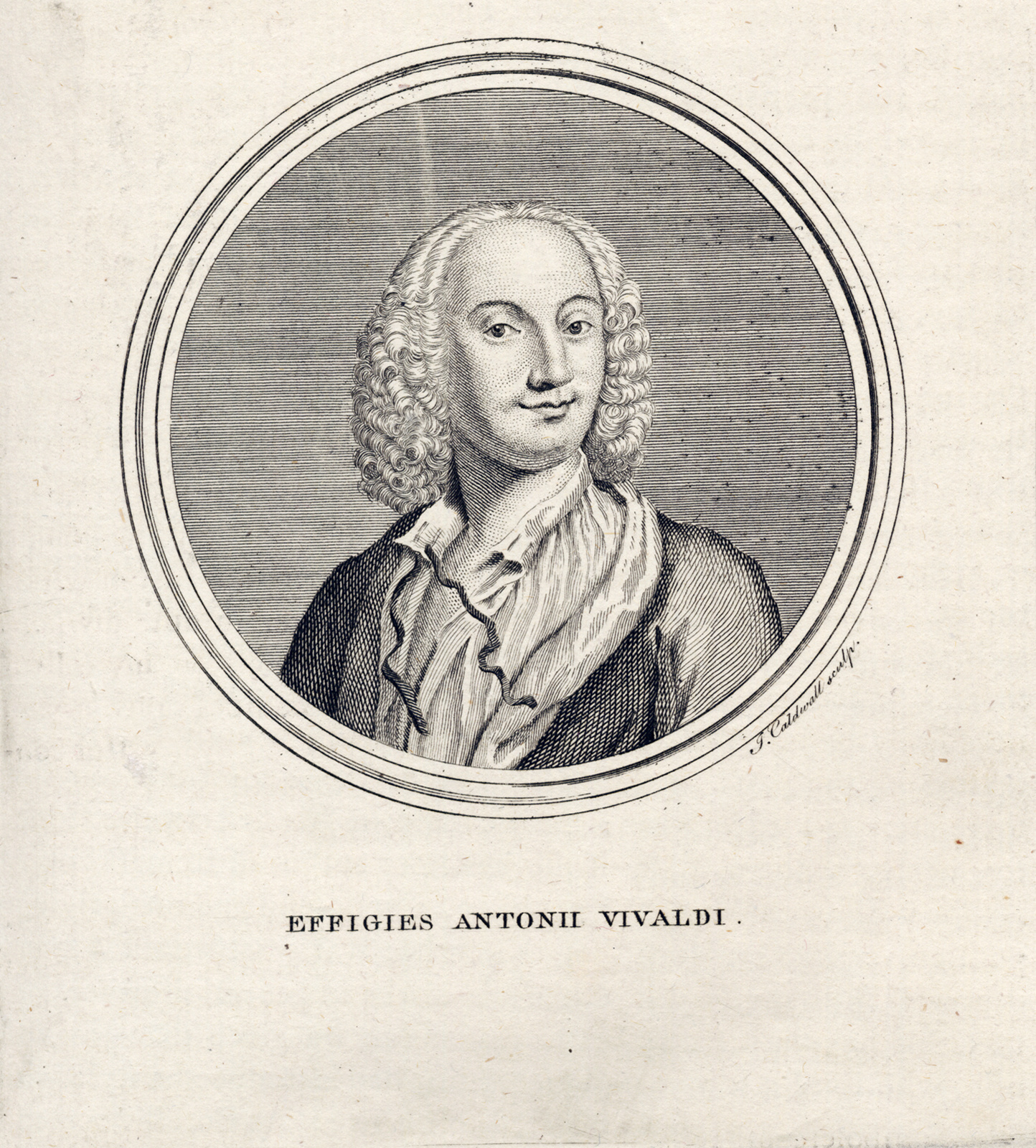
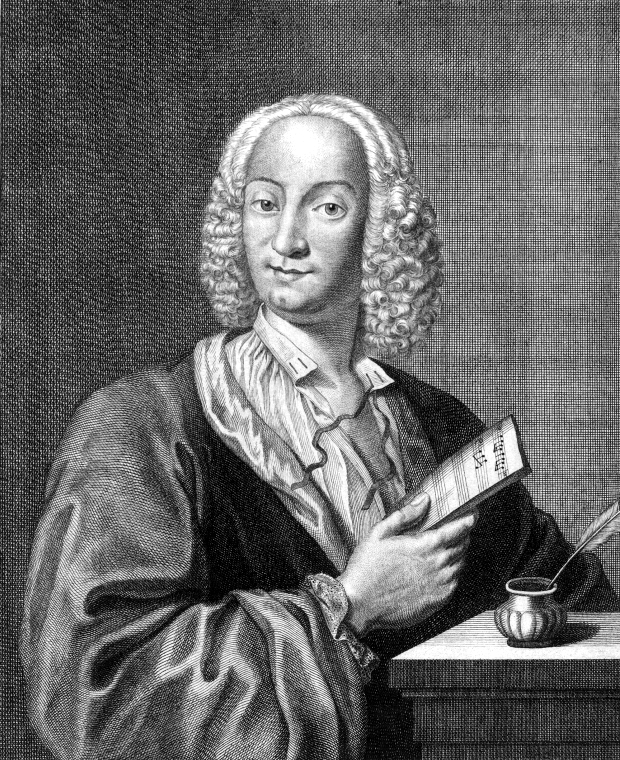
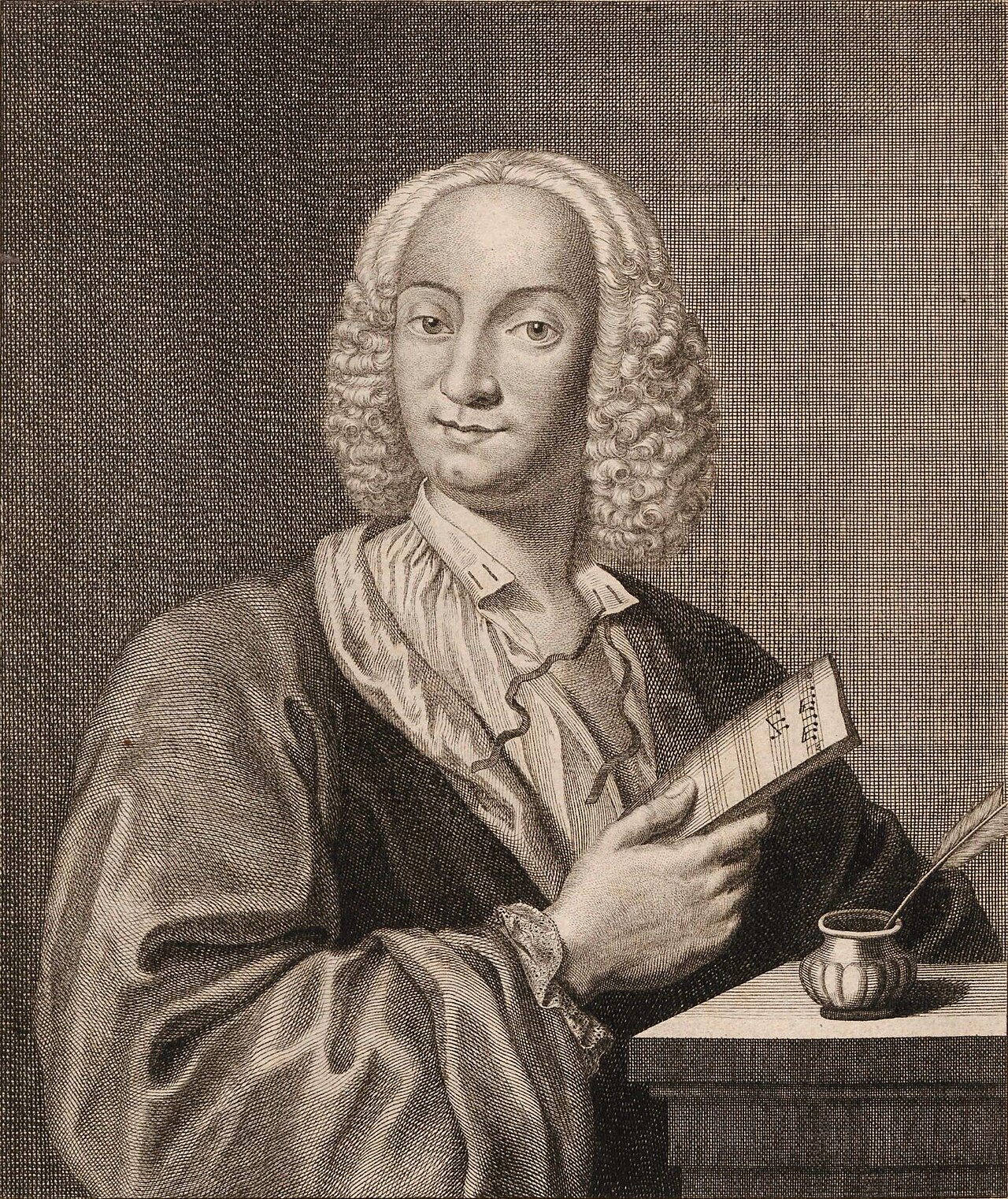
Portrait of Antonio Vivaldi
I. Caldwall · 1776
A copper engraving of Vivaldi printed in a 1776 history of music, made decades after his death.
This later engraved portrait represents how Vivaldi was visually remembered decades after his death.
About this source
What it is
This is a copper engraving depicting Antonio Vivaldi, published in John Hawkins's A General History of the Science and Practice of Music in 1776. The oval portrait shows a man in a curled wig and dark coat, labelled 'Effigies Antonii Vivaldi', and signed by the engraver I. Caldwall.
Why it matters
Made over three decades after Vivaldi's death, this engraving is not a direct likeness from life but part of a later effort to compile a visual and written history of major musicians. It shows how later generations imagined and memorialised composers from previous eras.
- Since this was made after Vivaldi died, where might the engraver have gotten the image from?
- What does the formal clothing and wig suggest about how composers were meant to be remembered?
- Why do history books like this one include portraits alongside biographies?
This painting is part of the curated material that grounds the AI version of Antonio Vivaldi on Humy.ai — when students ask about related events, the AI can quote it and cite it.
More Antonio Vivaldi sources
Browse all 41 →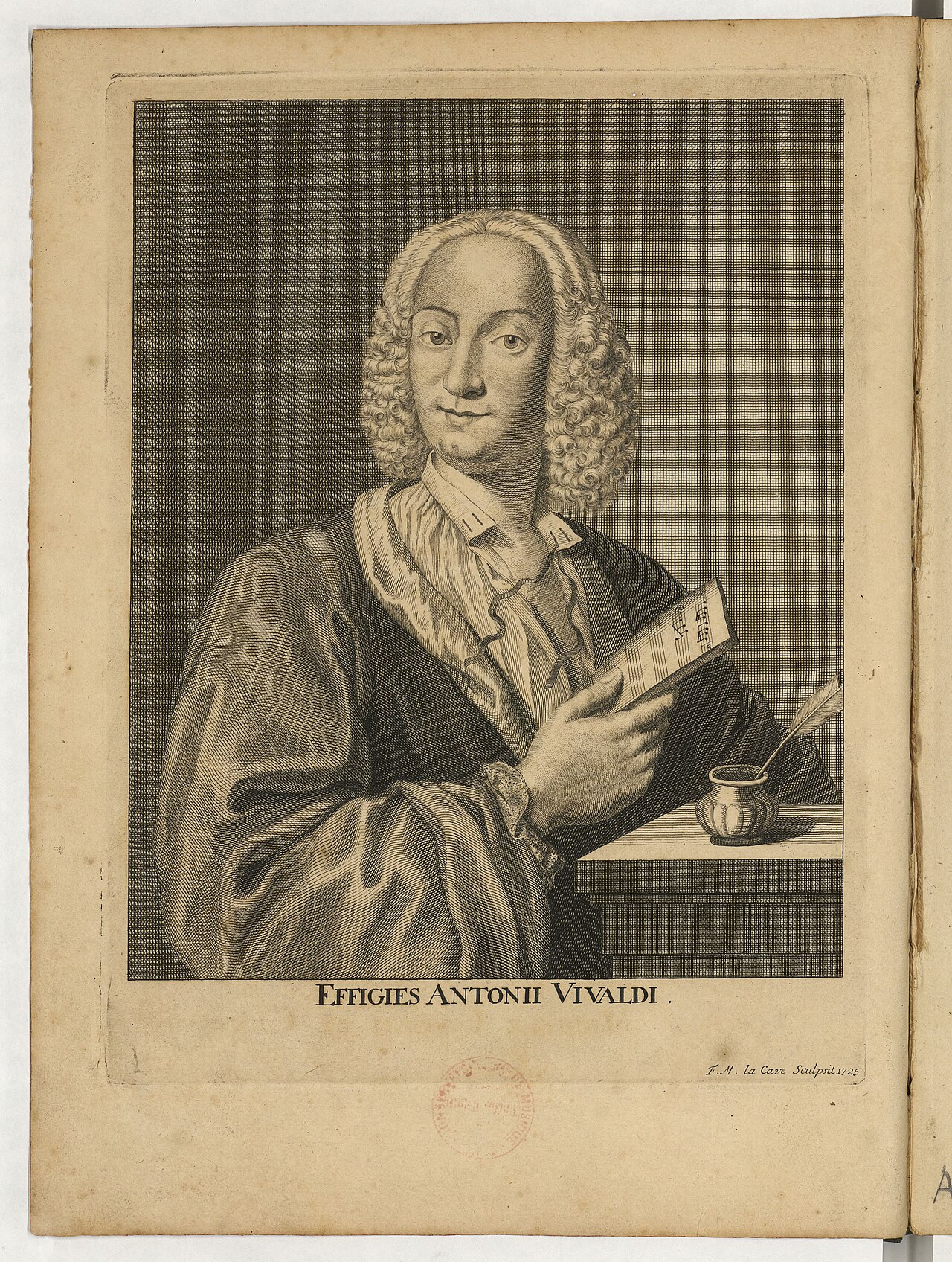 Document
Primary source
Il cimento dell'armonia e delle inventione, Op. 8
Antonio Vivaldi · 1725
 Artifact
Primary source
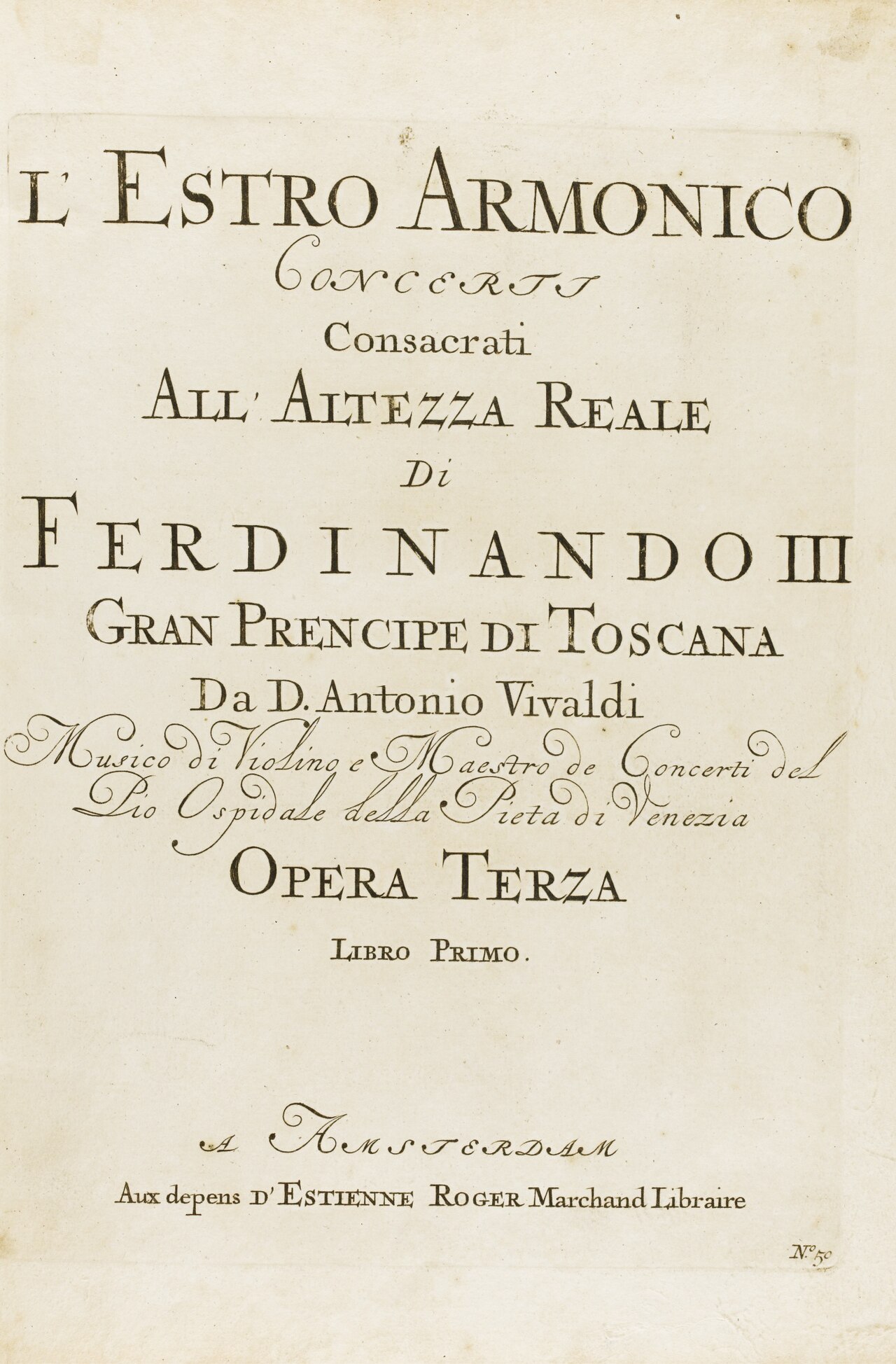
L'estro armonico, Op. 3
Antonio Vivaldi · 1711
 Painting
Primary source
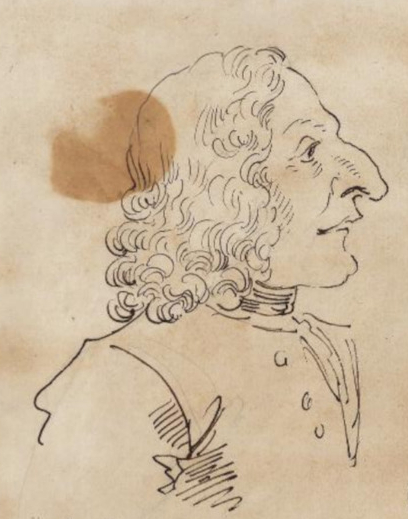
Caricature of Vivaldi
Pier Leone Ghezzi · 1723
 Document
Primary source
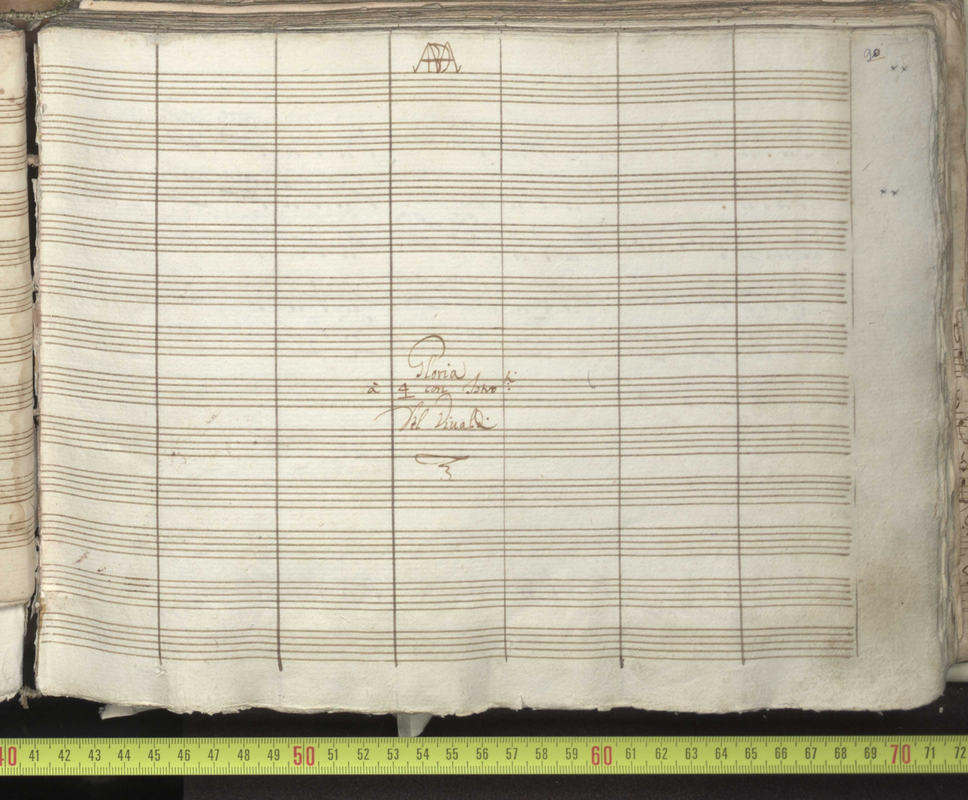
Gloria in D Major, RV 589
Antonio Vivaldi · c. 1713-1715
Free account
Read every Antonio Vivaldi source
Sign up free →
Ready when you are
Start chatting with Antonio Vivaldi now.
20 messages free · No credit card · Available in 50+ languages.