


Secondary sourcePaintingc. 1584
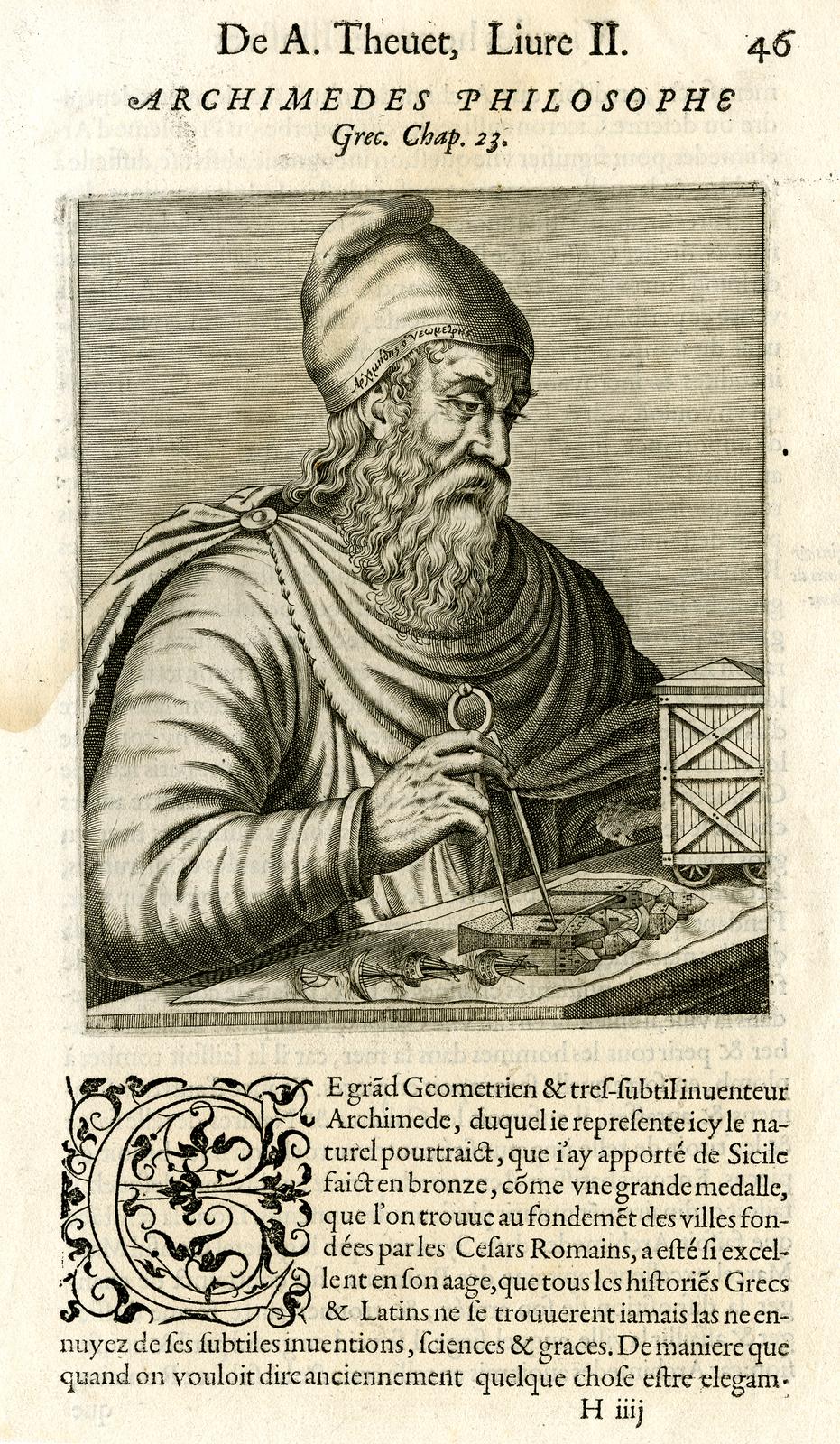
Portrait of Archimedes at his desk
c. 1584
A 16th-century engraved portrait imagining Archimedes at work on a drawing of a fortress and ships.
An imagined 16th-century portrait showing Archimedes as an engineer, created long after his death.
About this source
What it is
This is an engraving made around 1584 to illustrate André Thevet's book 'Vrais portraits et vies des hommes illustres', printed in Paris. It shows Archimedes at a desk, working on a drawing of a fortress and ships and holding a pair of compasses.
Why it matters
Created many centuries after Archimedes died, this image is part of a collection of 'true portraits' of famous historical figures, even though no real likeness of Archimedes survived from his own time. It shows how later scholars and printmakers imagined and celebrated ancient geniuses, often connecting them to practical inventions like military engineering.
Look closer
- Since no real portrait of Archimedes exists, how do you think the engraver decided what he should look like?
- Why might the artist show him working on a fortress and ships rather than pure mathematics?
- What does the title 'Vrais portraits' (true portraits) tell us about how this book presented imagined images as fact?
This painting is part of the curated material that grounds the AI version of Archimedes on Humy.ai — when students ask about related events, the AI can quote it and cite it.
More Archimedes sources
Browse all 87 →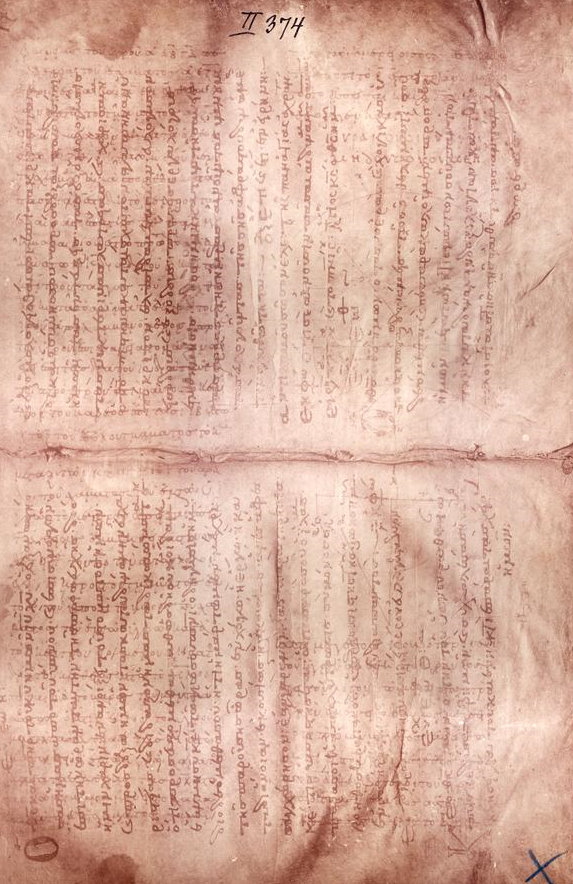 Book
Secondary source
Archimedes Palimpsest
c. AD 950, overwritten 1229
 Letter
Primary source
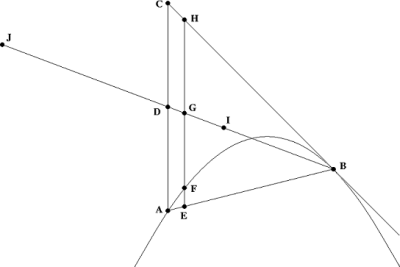
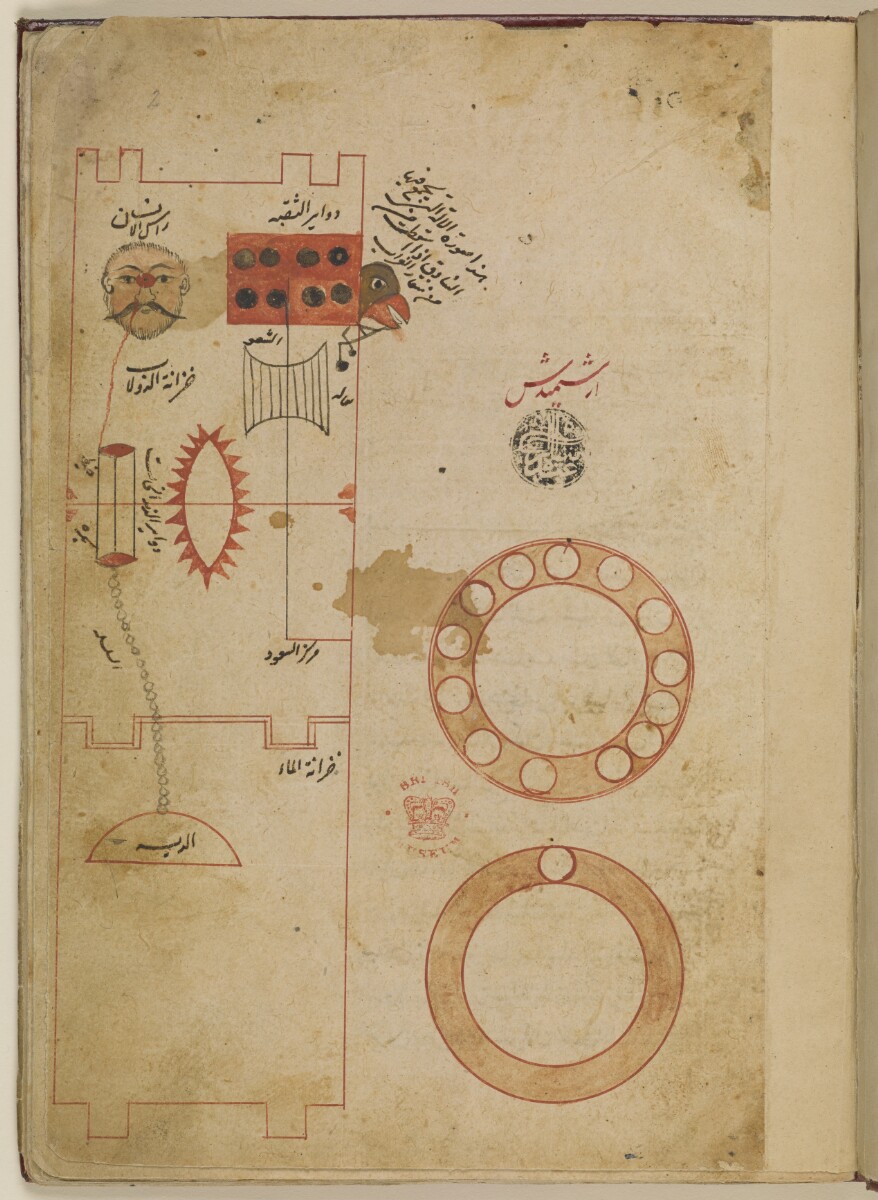
The Method of Mechanical Theorems
Archimedes · c. 250 BCE
 Book
Secondary source
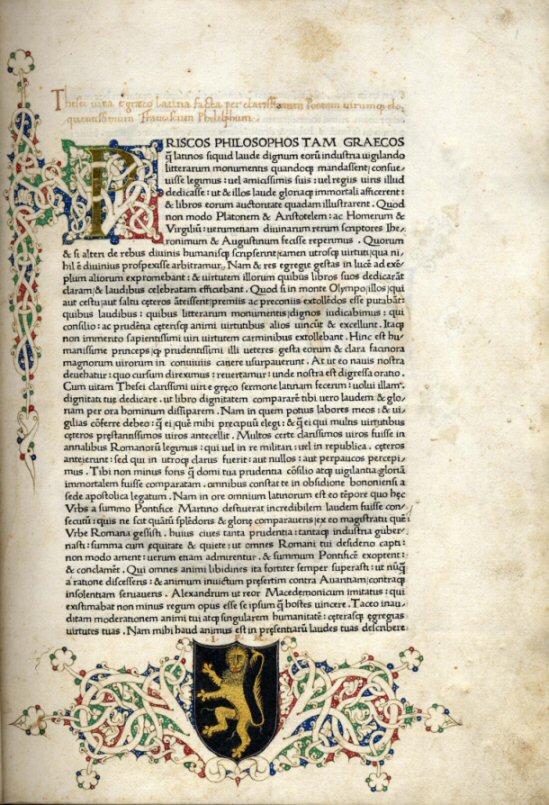
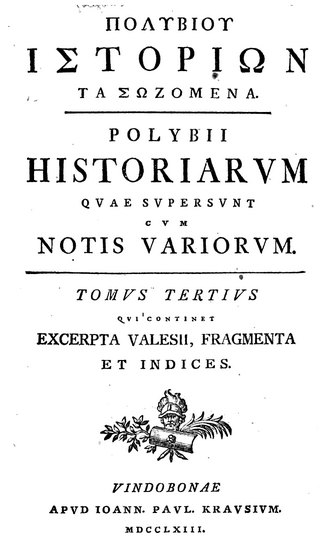
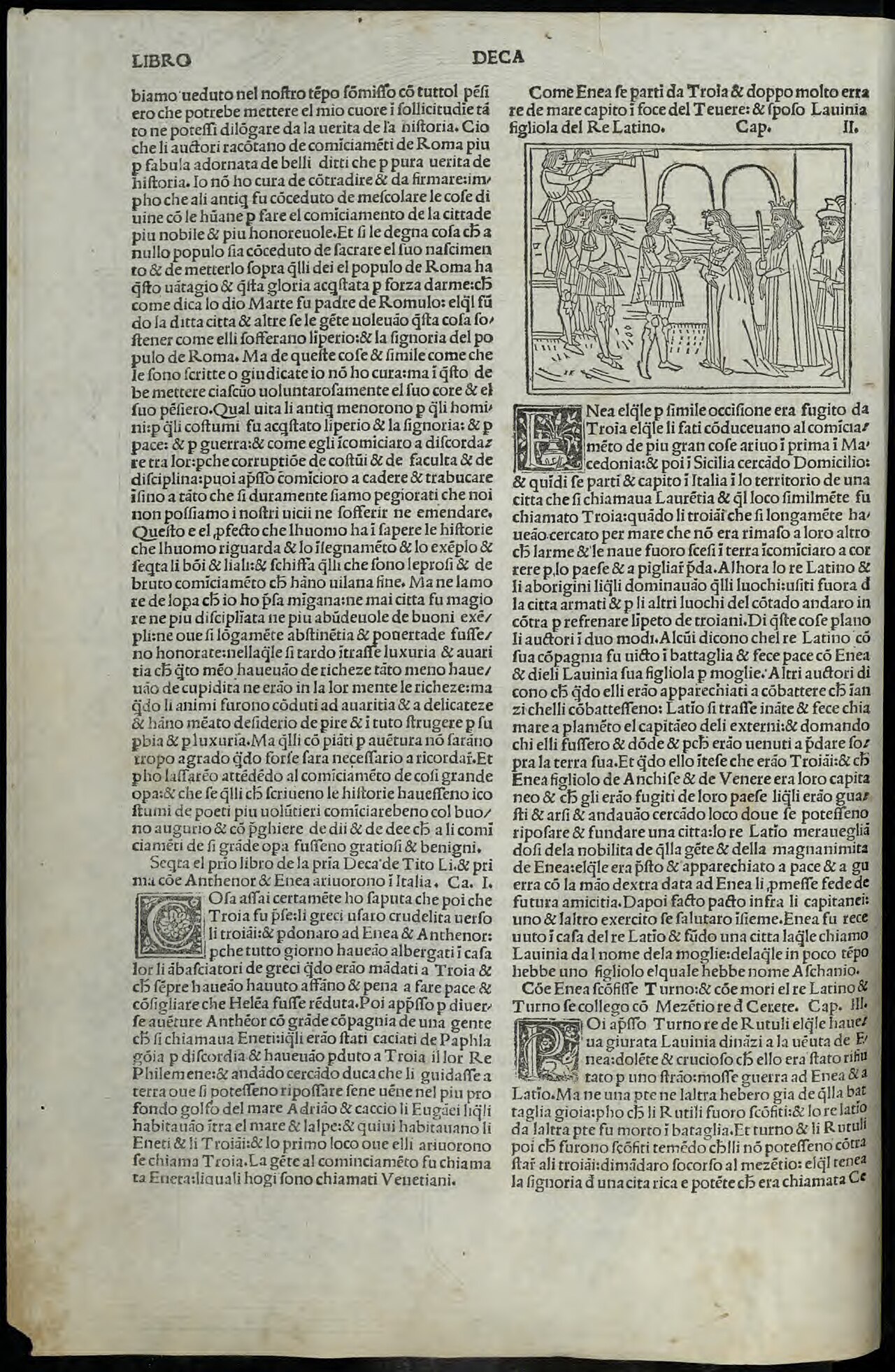
Parallel Lives
Plutarch · c. 100-120 AD
 Book
Primary source
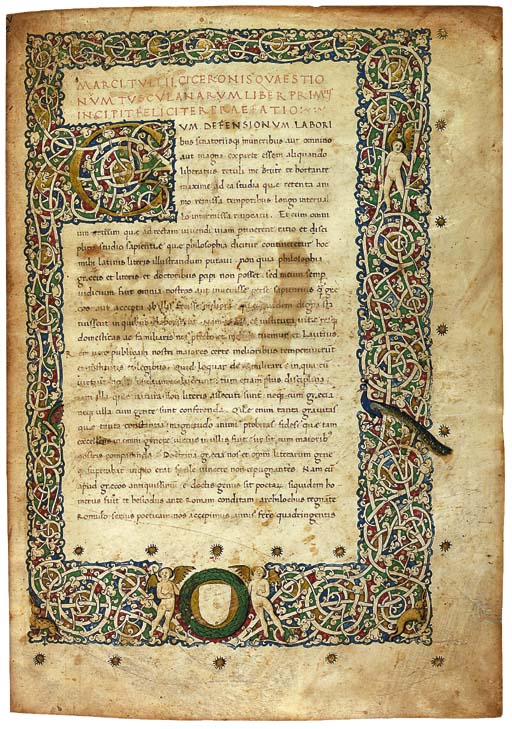
Tusculanae Disputationes
Cicero · c. 45 BCE
Free account
Read every Archimedes source
Sign up free →
Ready when you are
Start chatting with Archimedes now.
20 messages free · No credit card · Available in 50+ languages.