


Primary sourceBookc. 45 BCE
Tusculanae Disputationes
Cicero · c. 45 BCE
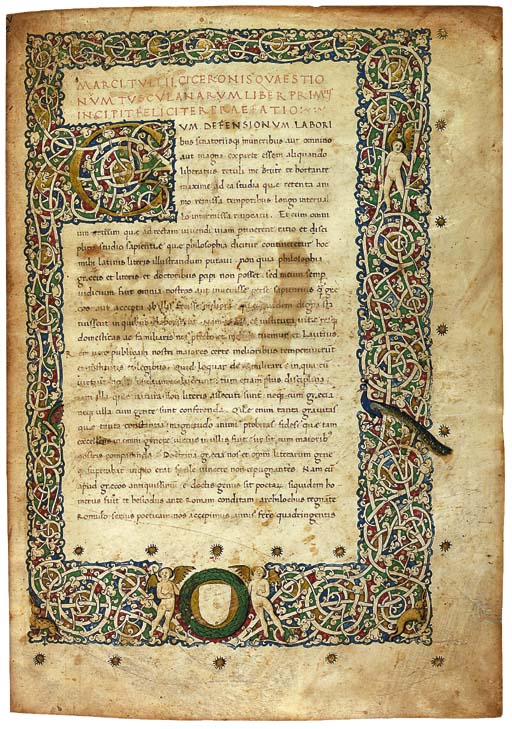
Cicero's five-book philosophical work on death, pain, grief and virtue, written after the death of his daughter Tullia.
Cicero wrote this philosophical work himself, turning to Stoic ideas after his daughter's death.
About this source
What it is
The Tusculan Disputations is a set of five philosophical dialogues written by Cicero around 45 BC, named after his villa at Tusculum. Each book tackles a theme: contempt of death, bearing pain, grief, other emotional disturbances, and whether virtue alone brings happiness. The manuscript shown is an illuminated copy made in Naples in the late 1450s or early 1460s.
Why it matters
Cicero wrote this work shortly after his daughter Tullia died, turning to Greek philosophy, especially Stoic ideas, for consolation. The work shows how Cicero tried to bring Greek philosophical wisdom into Latin and apply it to personal grief, influencing readers for centuries afterward.
Look closer
- Why might someone in deep personal grief choose to write a philosophical work rather than a private lament?
- What does Cicero's reliance on earlier Greek writers tell you about how philosophy was passed between cultures?
- How might Cicero's arguments about facing death have felt different to him after losing his own daughter?
This book is part of the curated material that grounds the AI version of Cicero on Humy.ai — when students ask about related events, the AI can quote it and cite it.
More Cicero sources
Meet the AI Cicero →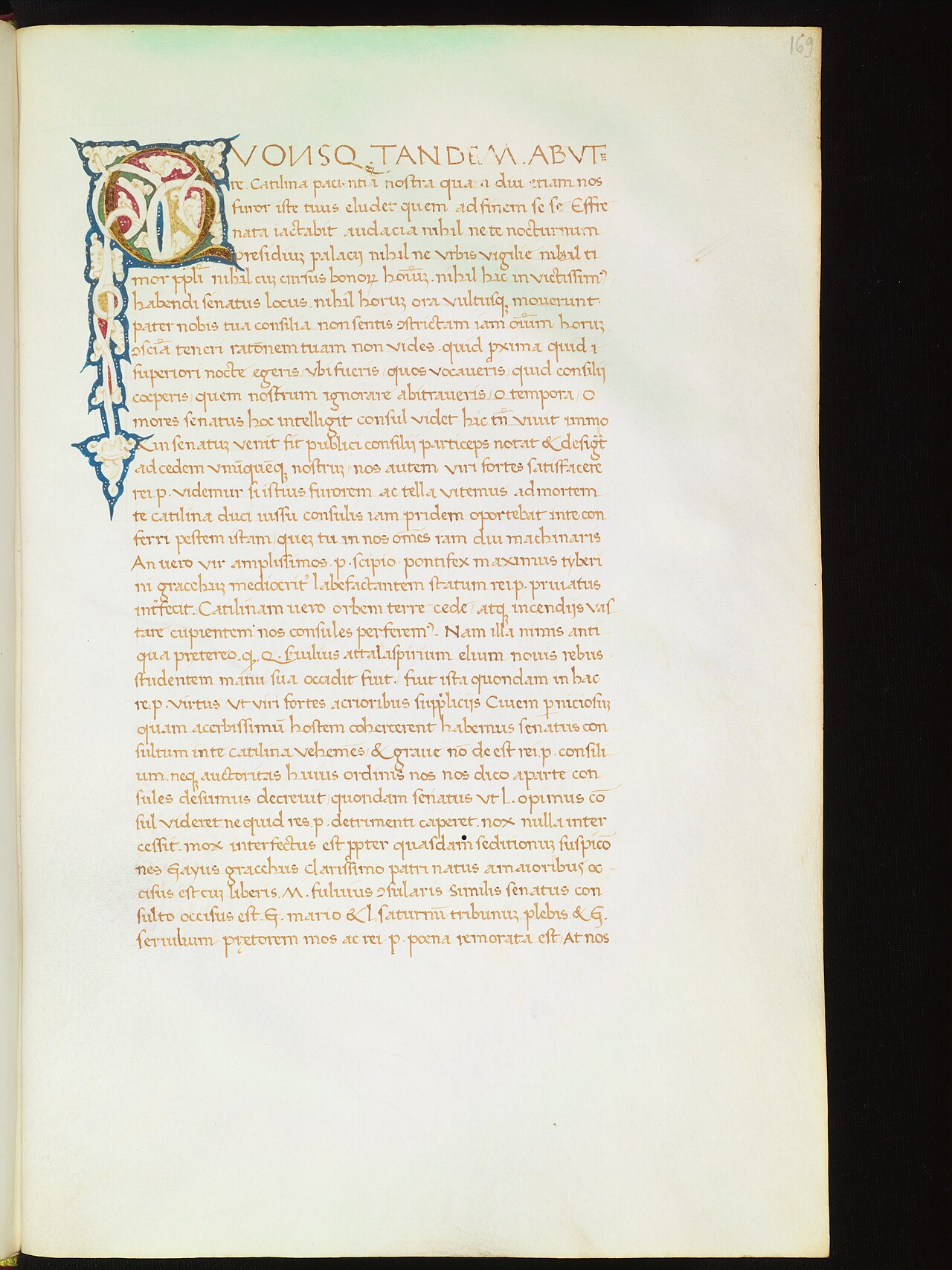 Speech
Primary source
Catiline Orations
Cicero · 63 BCE
 Painting
Secondary source
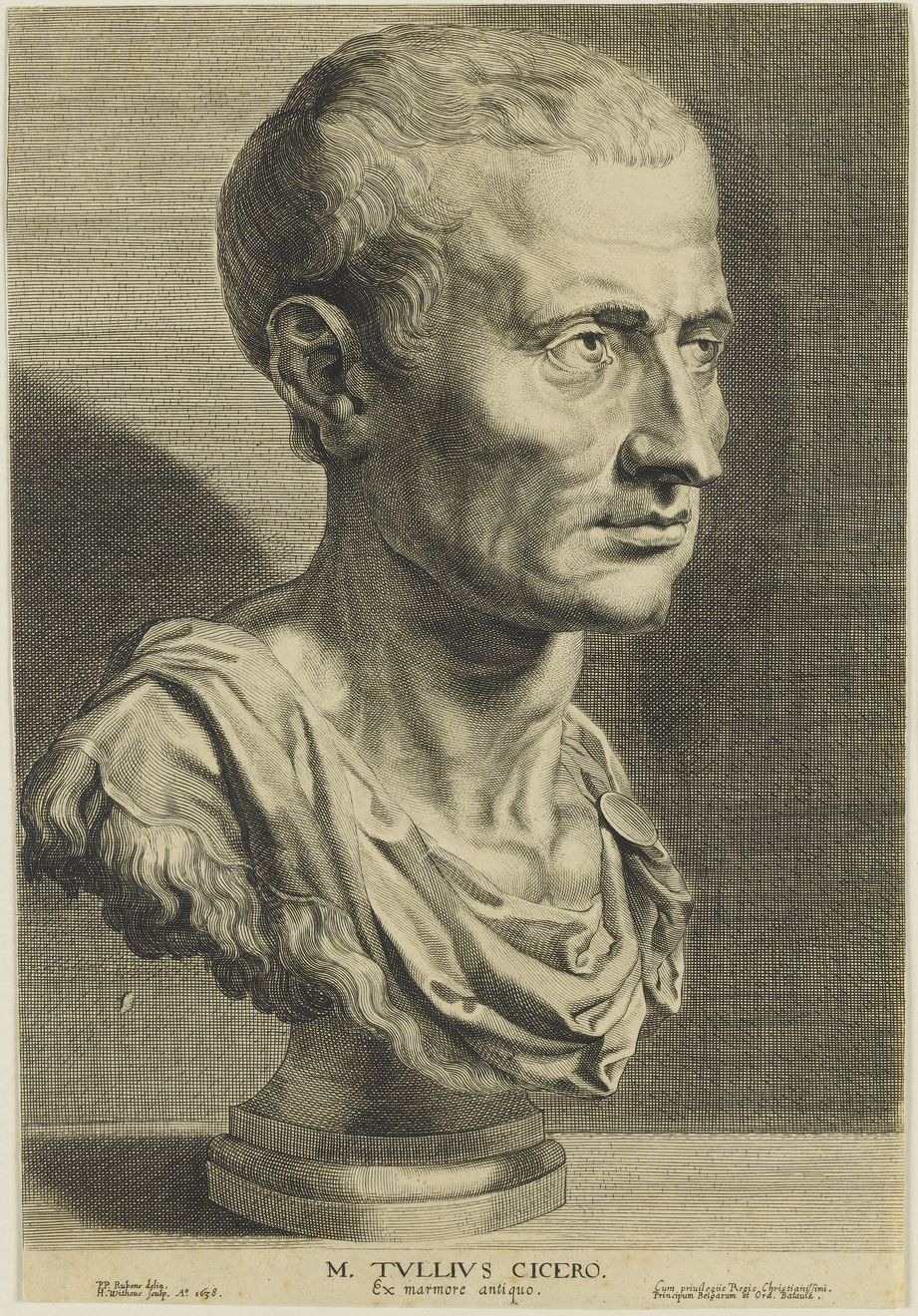
Marcus Tullius Cicero, engraved after antique marble busts
Jan Witdoeck
 Book
Primary source
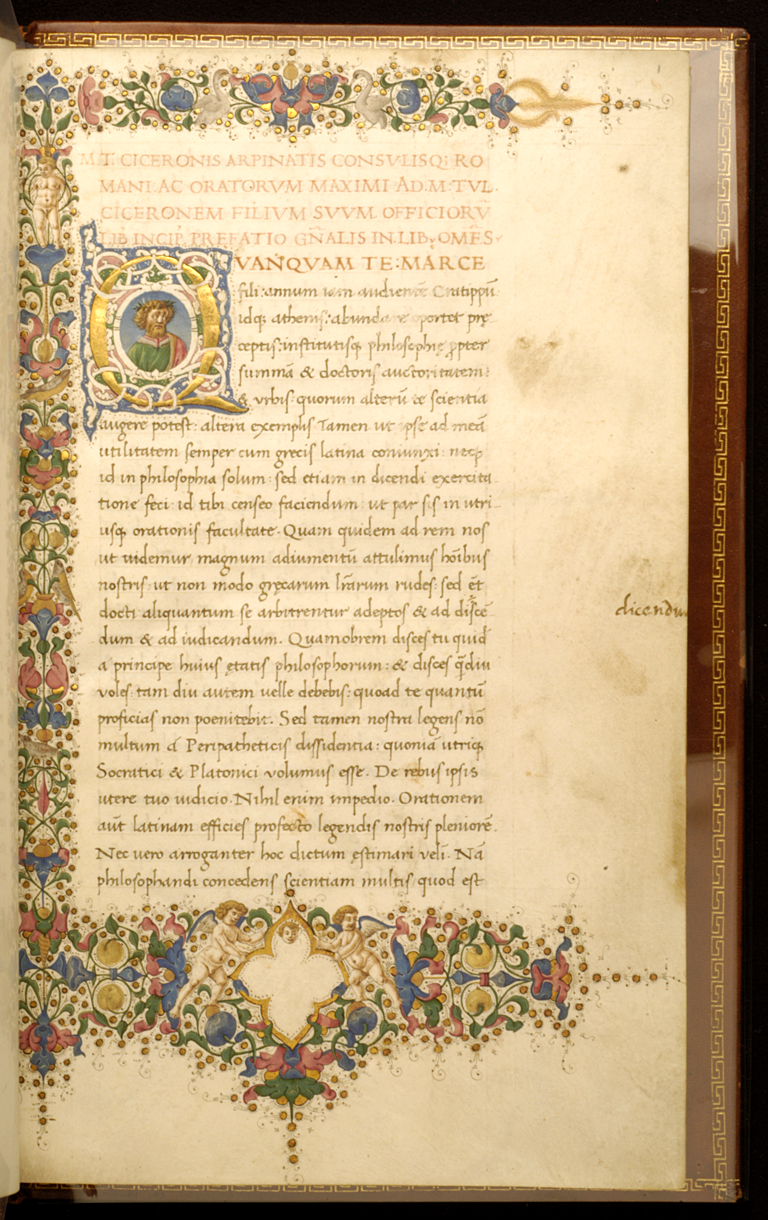
De Officiis
Cicero · 44 BC
 Painting
Secondary source
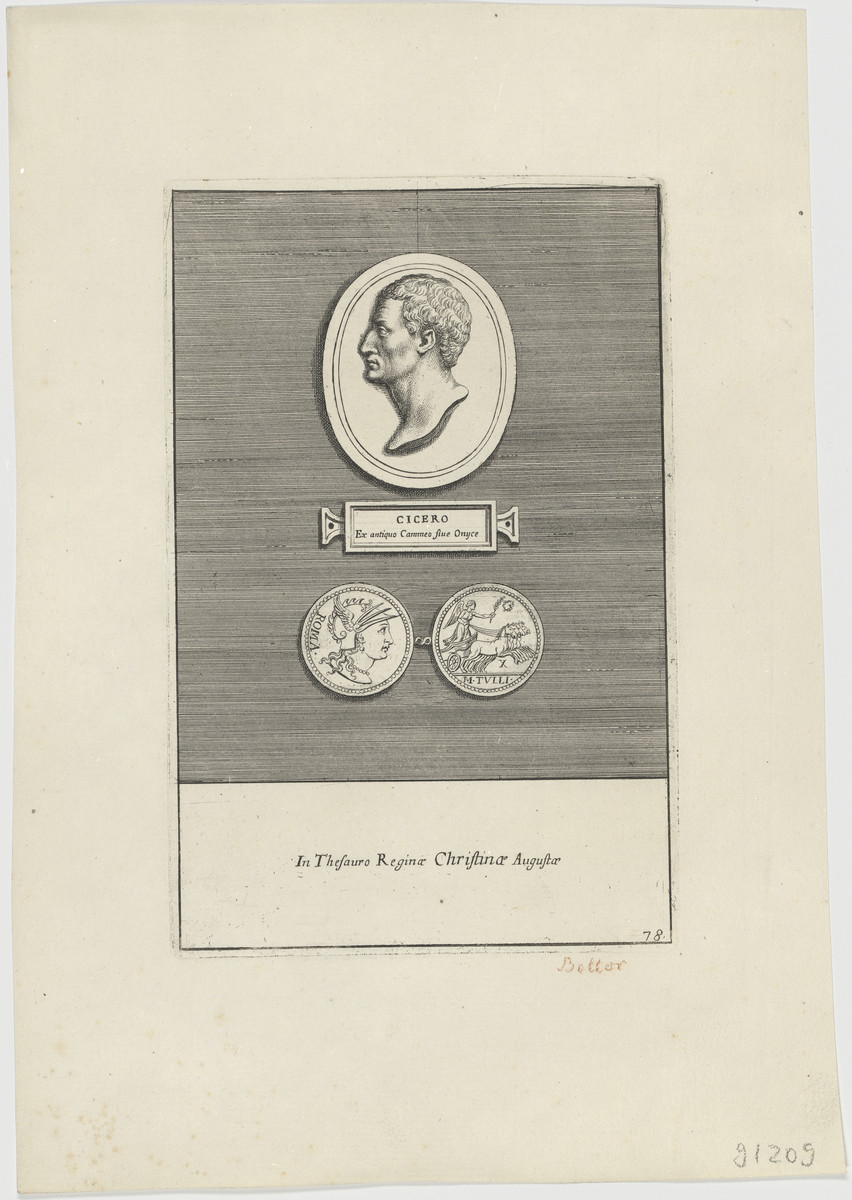
Portrait of Cicero (Bildnis des Cicero)
 Book
Primary source
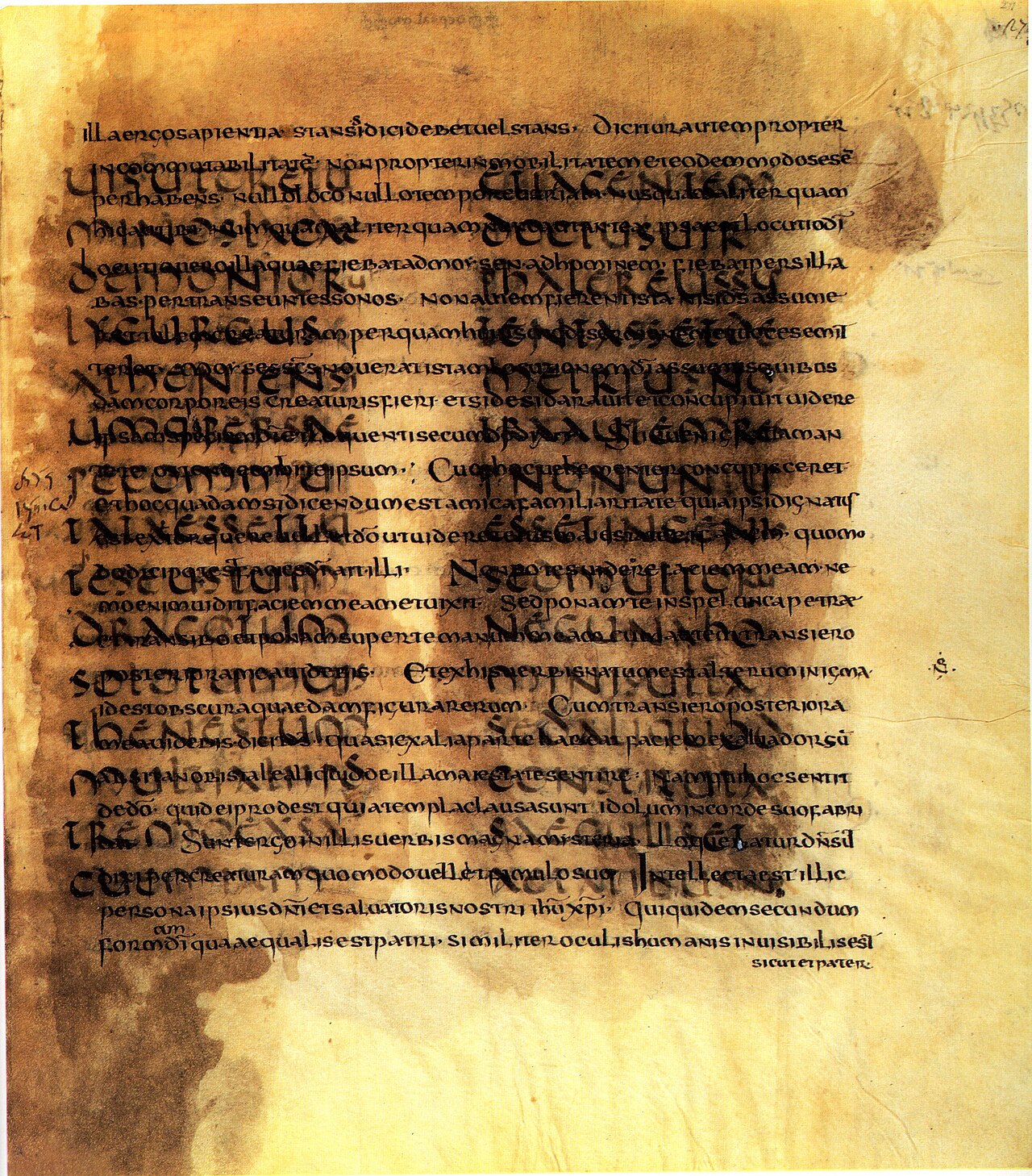
De re publica
Cicero · c. 54–51 BC
Ready when you are
Start chatting with Cicero now.
20 messages free · No credit card · Available in 50+ languages.