


Secondary sourcePainting
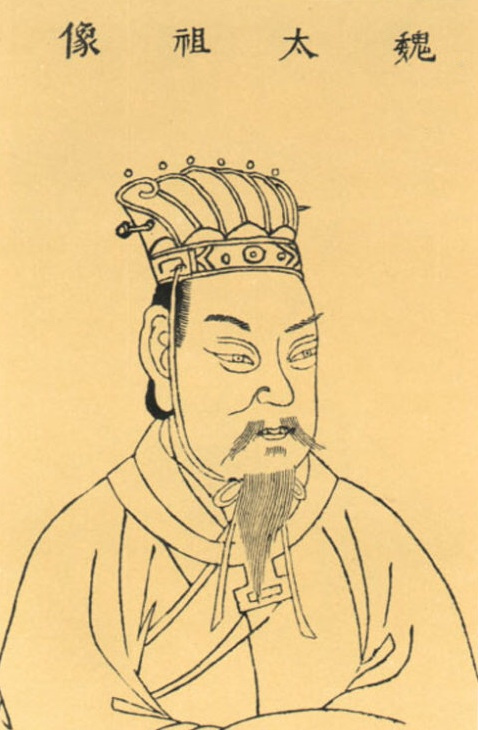
Portrait of Cao Cao
A later imagined portrait from a Chinese illustrated encyclopedia, showing Cao Cao dressed as an emperor even though no lifetime likeness of him survives.
A later imagined portrait showing how Chinese tradition visualised Cao Cao as an emperor, since no lifetime likeness survives.
About this source
What it is
This is a printed line drawing of Cao Cao from the Sancai Tuhui, an illustrated Chinese reference work. It shows a bearded man wearing a tall, ornate crown and high-collared robe, with the caption identifying him as the 'Portrait of Taizu of Wei,' a posthumous imperial title given to Cao Cao.
Why it matters
No portrait made during Cao Cao's own lifetime survives, so this image reflects how later Chinese tradition imagined him rather than how he actually looked. Dressing him in imperial robes and a crown reflects the posthumous title of emperor granted to him by his son, showing how later generations reshaped his memory to fit the dynasty his family founded.
Look closer
- Why might this image show Cao Cao as an emperor, when he never actually held that title during his life?
- What can we learn from a portrait made long after a person's death, compared to one made during their lifetime?
- What choices did the artist make about Cao Cao's clothing and expression, and why?
This painting is part of the curated material that grounds the AI version of Cao Cao on Humy.ai — when students ask about related events, the AI can quote it and cite it.
More Cao Cao sources
Browse all 64 →Secondary source
Records of the Three Kingdoms
Chen Shou · 3rd century
 Artifact
Primary source
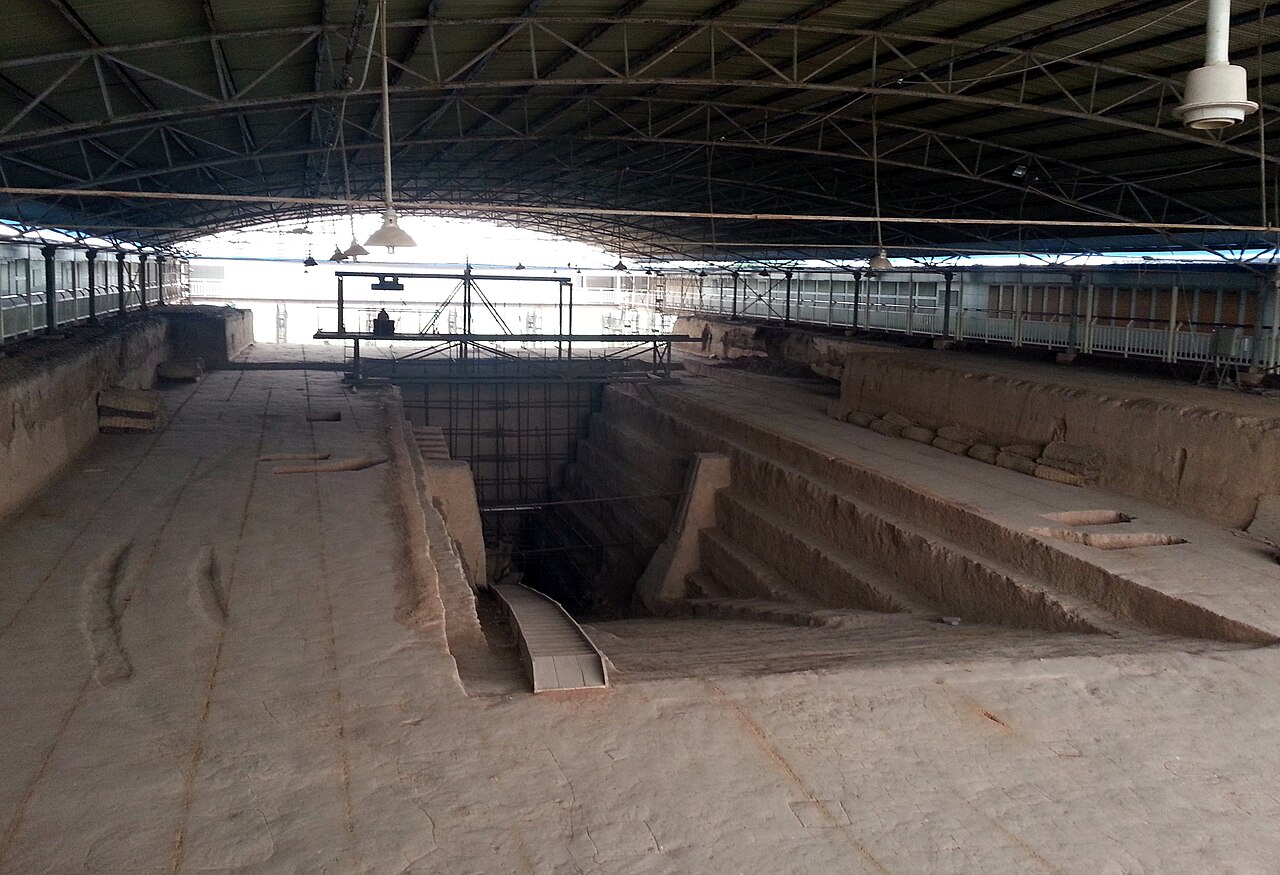
Cao Cao Mausoleum
220 (burial); excavated 2008-2009
 Book
Secondary source
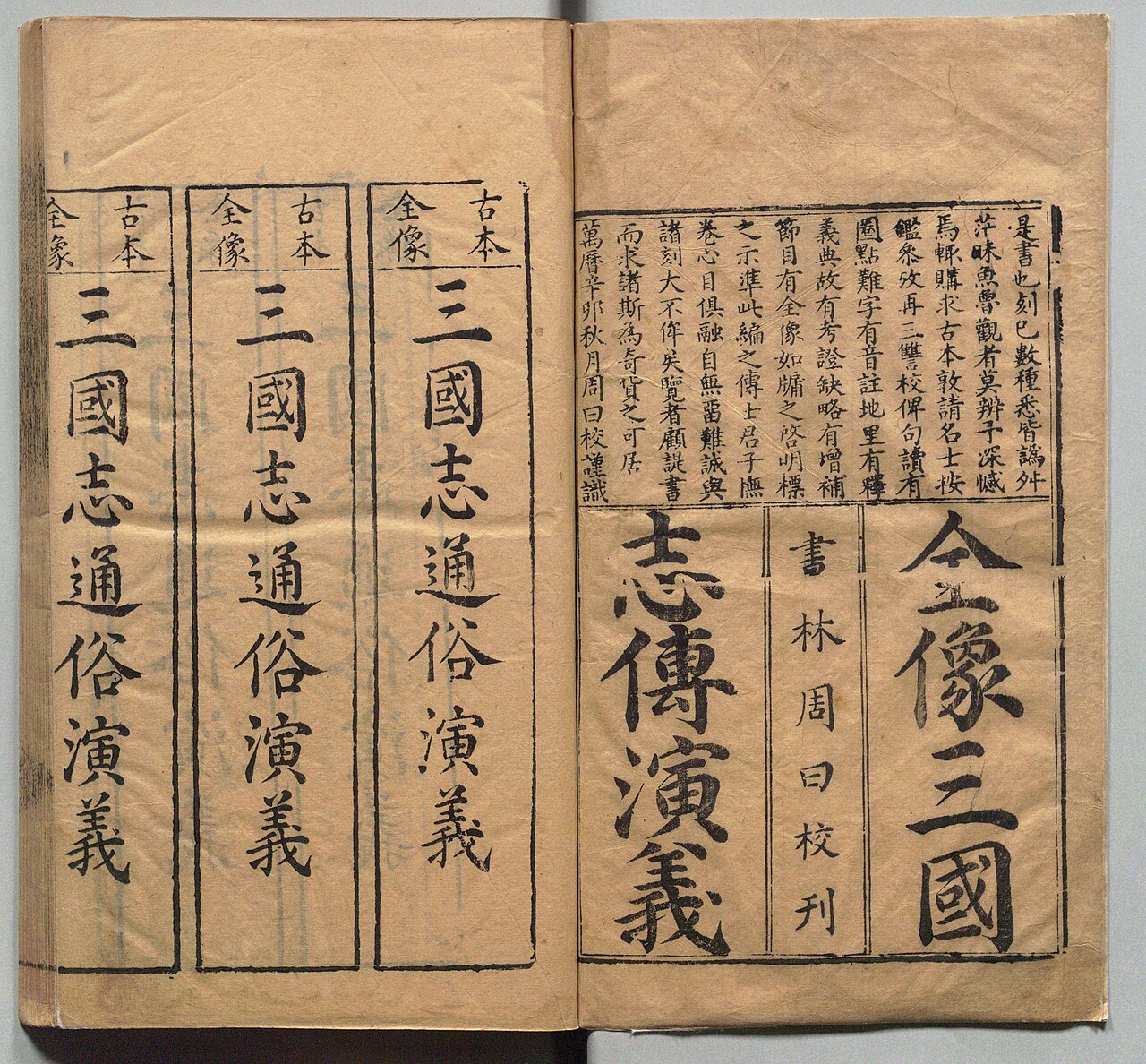
Romance of the Three Kingdoms
Luo Guanzhong · 14th century, printed 1522
 Book
Secondary source
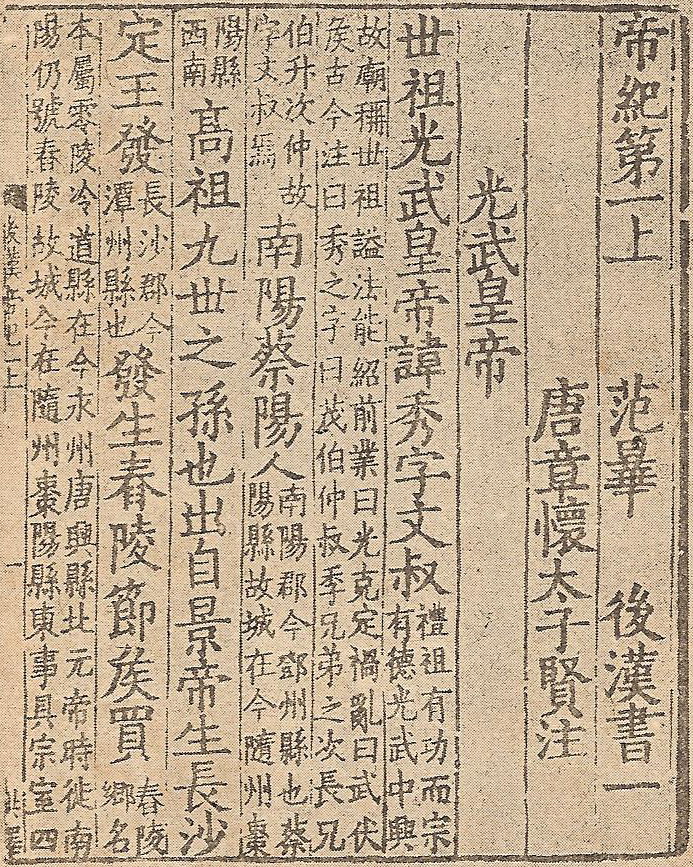
Book of the Later Han
Fan Ye · 5th century AD

Free account
Read every Cao Cao source
Sign up free →
Ready when you are
Start chatting with Cao Cao now.
20 messages free · No credit card · Available in 50+ languages.