


Secondary sourcePainting13th century
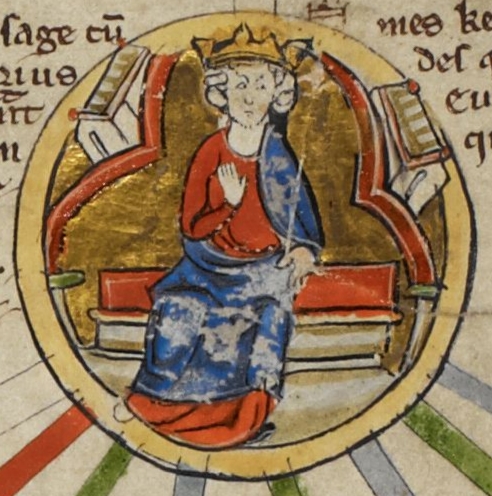
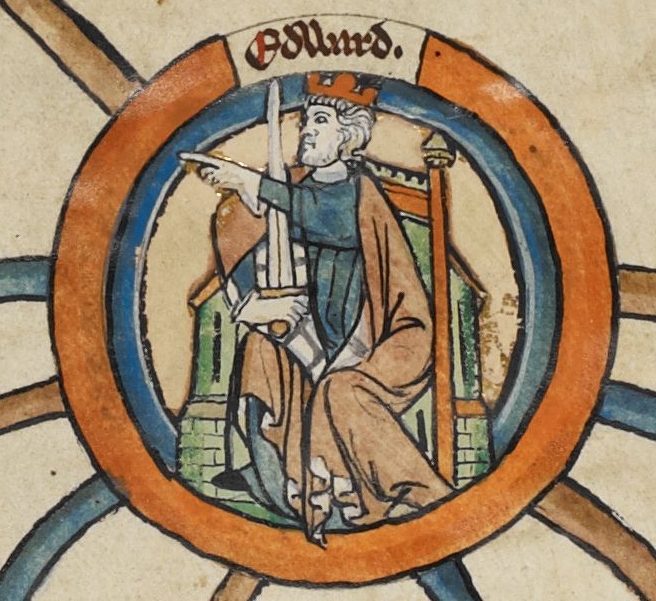
Portrait of Edward the Elder in a Royal Genealogy
13th century
A 13th-century manuscript miniature showing Edward the Elder crowned and enthroned among a royal genealogical roll.
This later imagined portrait shows Edward the Elder as a crowned ancestor within a royal genealogical roll.
About this source
What it is
This is a small circular miniature from a 13th-century royal genealogical manuscript, Royal MS 14 B V, now held in a major manuscript collection. It shows a crowned king seated on a throne, holding a sceptre, identified as Edward the Elder, placed among images of other English royal descendants.
Why it matters
This image was made more than three centuries after Edward's death, so it does not show his real appearance—it reflects how medieval artists imagined and honoured early English kings within a chain of royal succession. Genealogical rolls like this were used to assert the legitimacy of later kings by connecting them visually to famous ancestors such as Edward and his father Alfred the Great.
- Why might a 13th-century artist have no real knowledge of what Edward actually looked like?
- What does the choice of crown, throne, and sceptre tell you about how kingship was imagined?
- Why would later kings want to be shown as part of an unbroken line back to figures like Edward?
This painting is part of the curated material that grounds the AI version of Edward the Elder on Humy.ai — when students ask about related events, the AI can quote it and cite it.
More Edward the Elder sources
Browse all 44 →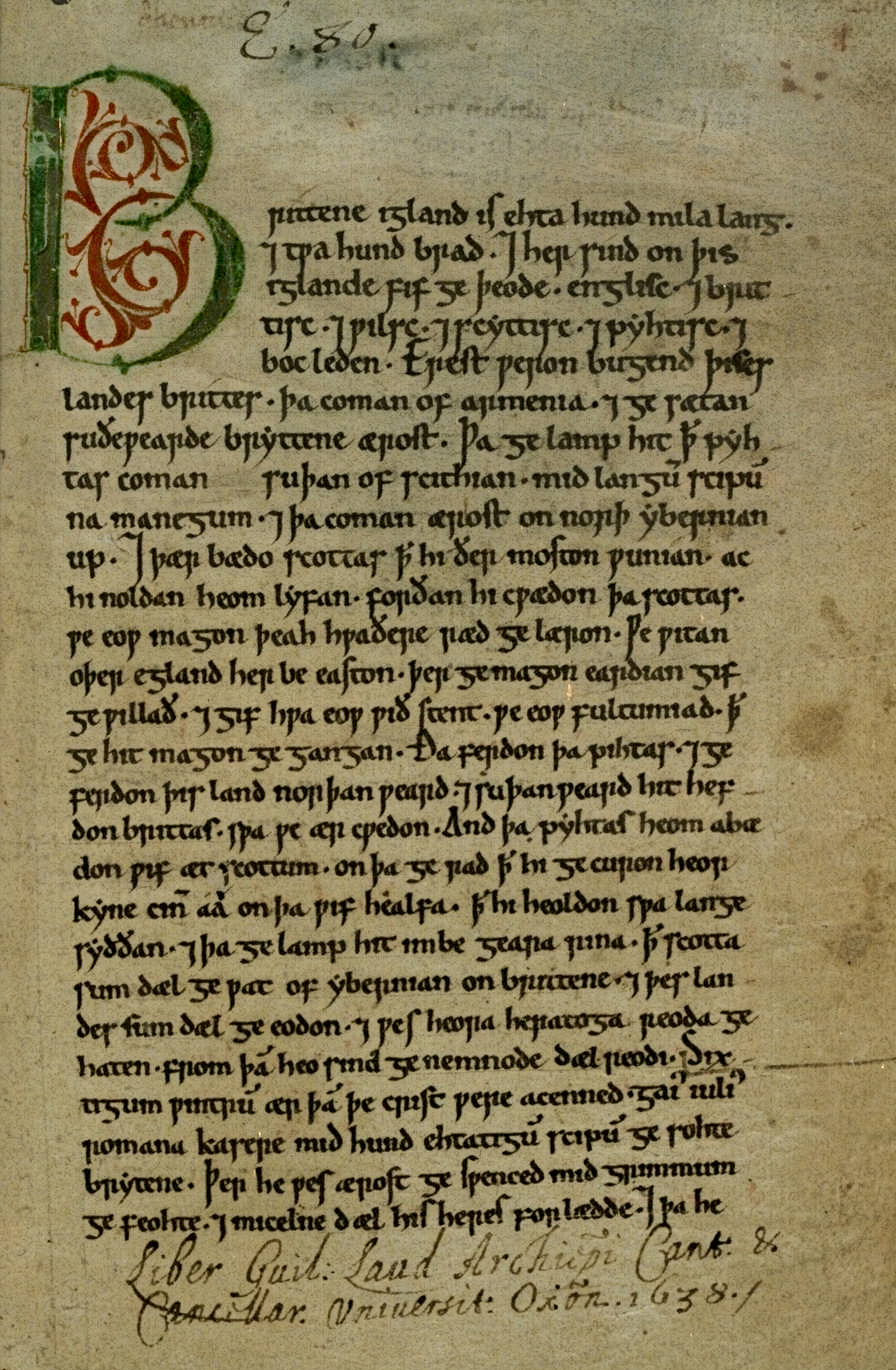 Document
Primary source
Anglo-Saxon Chronicle
c. 890 (Common Stock)
 Artifact
Primary source
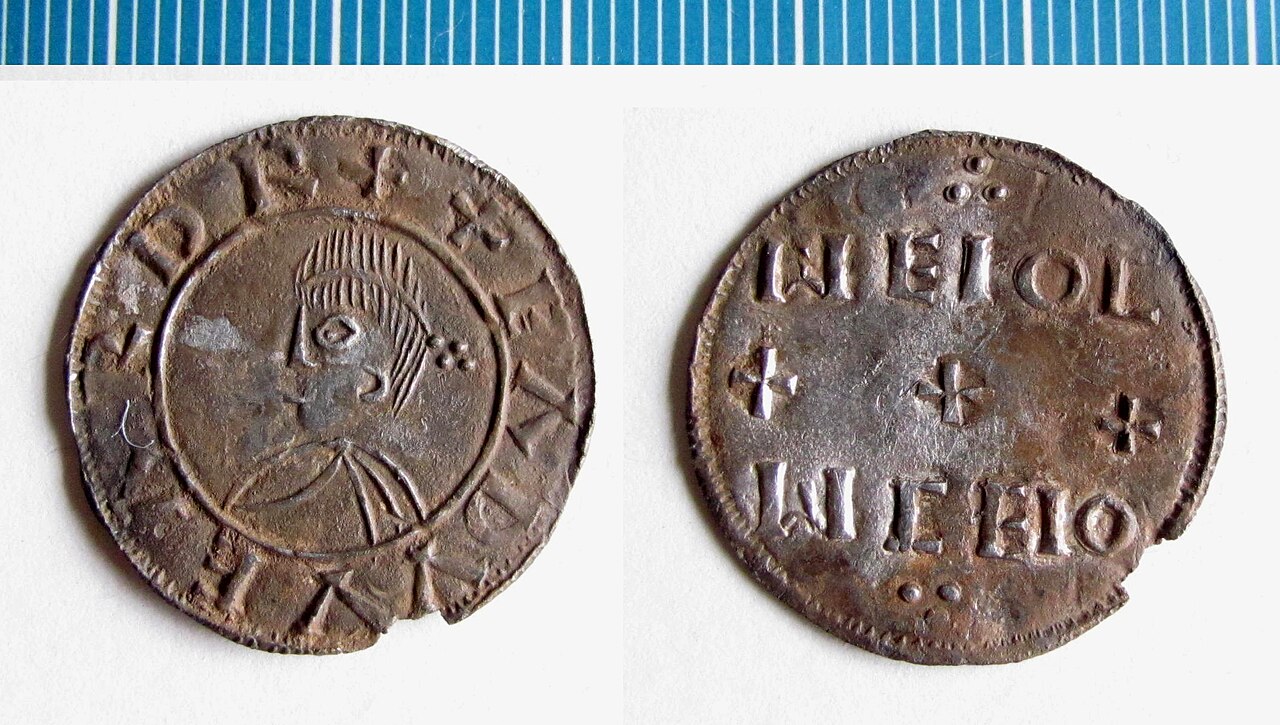
Silver Penny of Edward the Elder
Royal moneyers of Edward the Elder · 899–924
 Book
Primary source
Life of King Alfred
Asser · 893
 Document
Secondary source
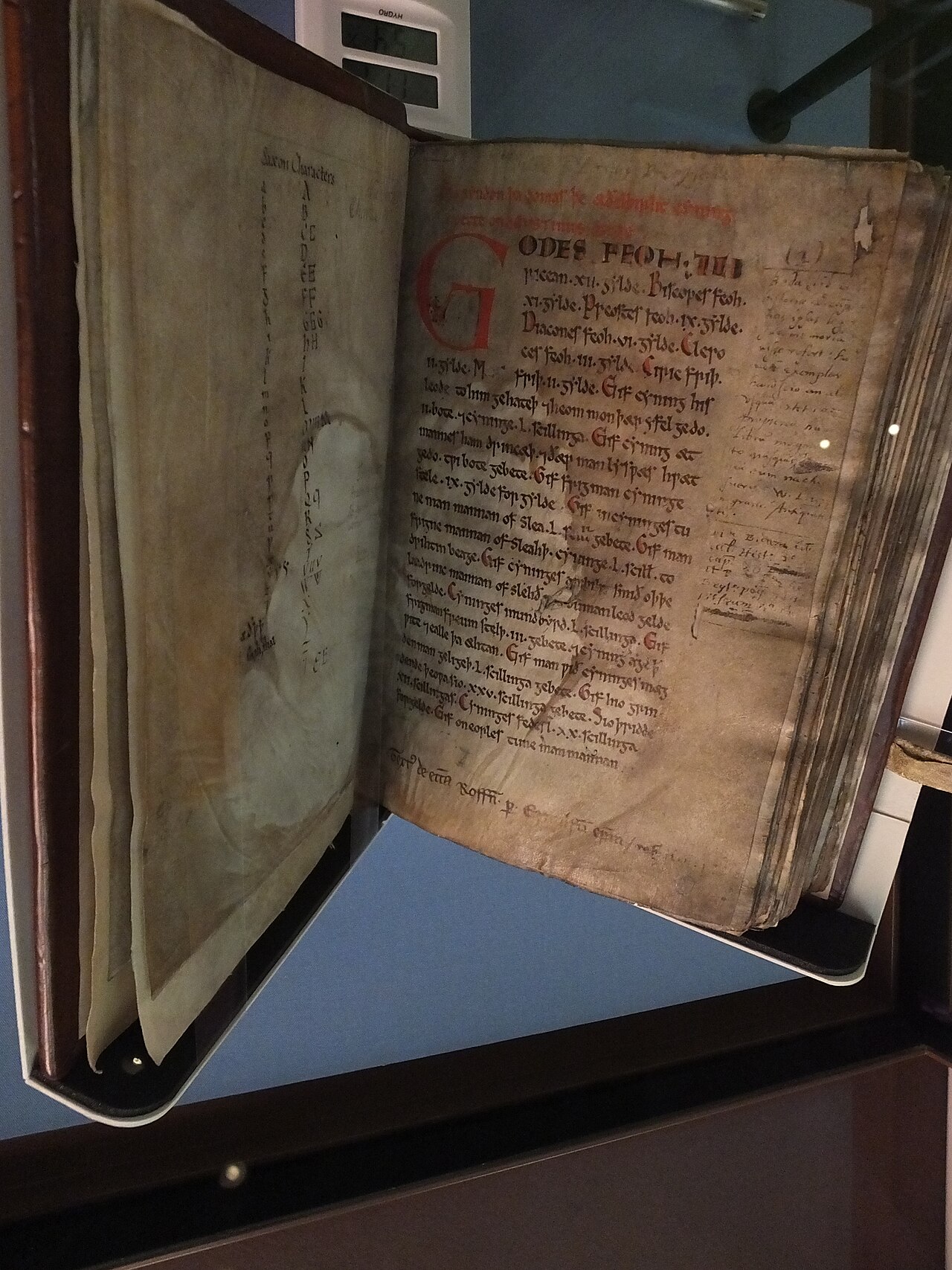
Textus Roffensis
c. 1300 (this copy; text 1122-1124)
Free account
Read every Edward the Elder source
Sign up free →
Ready when you are
Start chatting with Edward the Elder now.
20 messages free · No credit card · Available in 50+ languages.