


Secondary sourcePainting1899
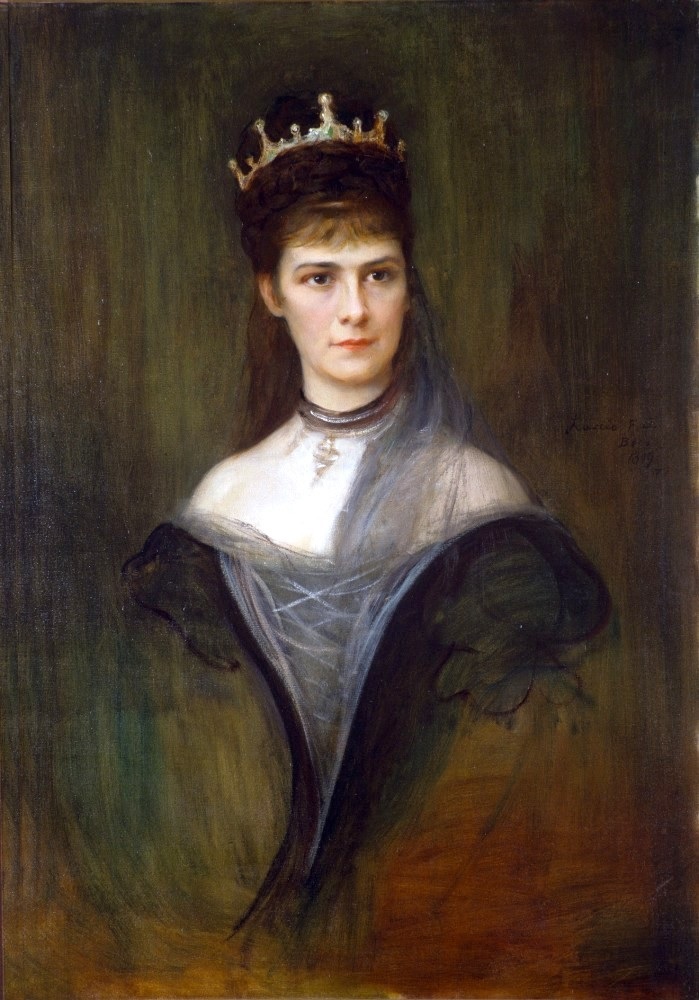
Portrait of Elisabeth of Bavaria, Queen of Hungary and Empress of Austria
Philip de László · 1899
A mourning portrait of Elisabeth painted the year after her death, showing her in traditional Hungarian court dress.
A posthumous memorial portrait painted in Elisabeth's honor, showing how Hungary mourned and idealized her after death.
About this source
What it is
An oil portrait by the painter Philip de László, painted in 1899, a year after Elisabeth's death. It shows her in mourning, wearing Hungarian court dress with a tiara and dark veil. It is held by the Hungarian National Museum.
Why it matters
Because it was painted after Elisabeth died, it is not a record of how she actually looked but of how Hungary wanted to remember her. The painting shows her strong connection to Hungary, where she was especially popular, and reflects the grief and memorial culture that grew around her image.
Look closer
- Why might an artist dress the empress in Hungarian clothing rather than Austrian court dress?
- What does the dark veil and mourning tone suggest about when and why this was painted?
- What can't a posthumous portrait tell us that a photograph from life could?
This painting is part of the curated material that grounds the AI version of Empress Elisabeth of Austria on Humy.ai — when students ask about related events, the AI can quote it and cite it.
More Empress Elisabeth of Austria sources
Browse all 98 →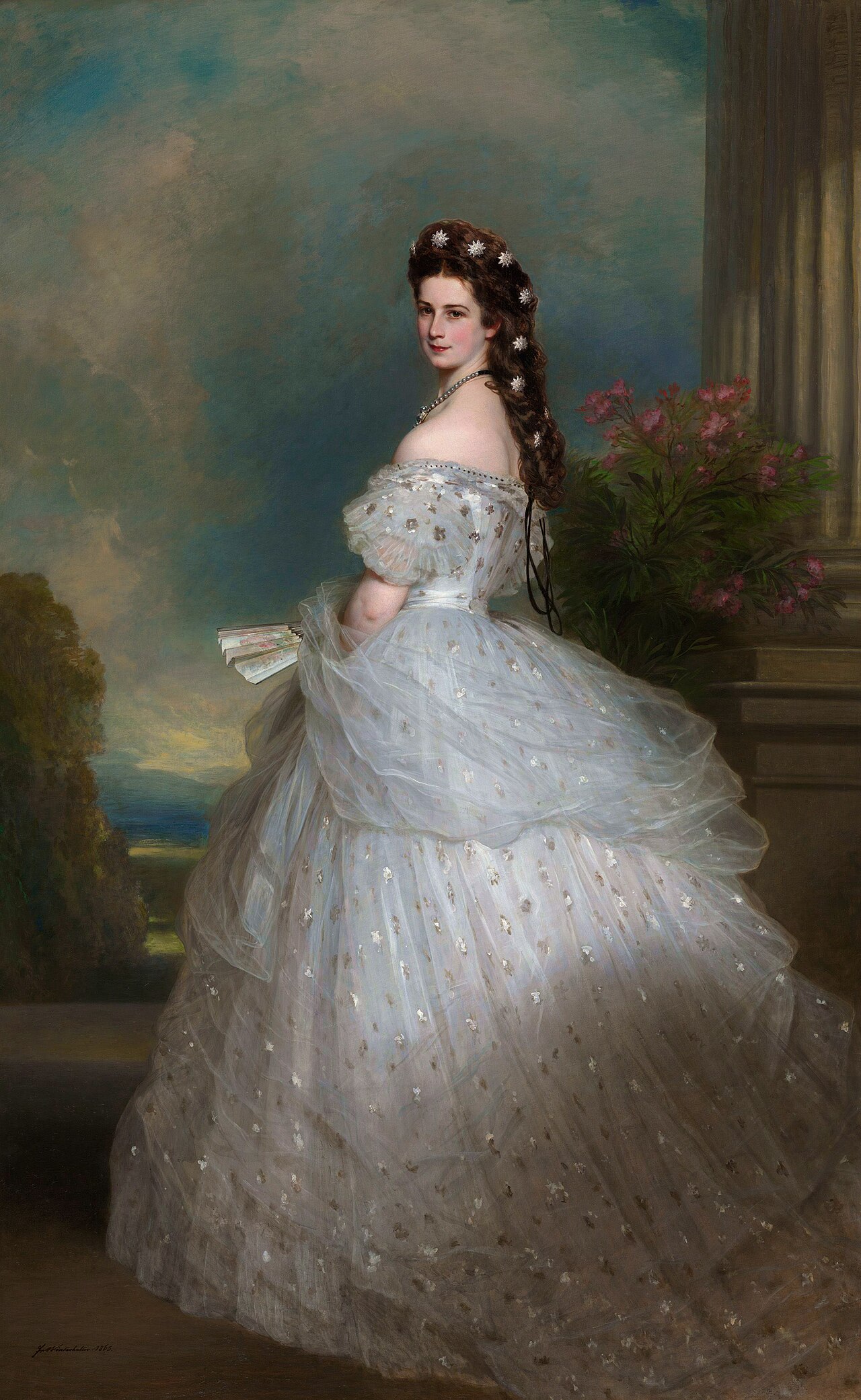 Painting
Primary source
Empress Elisabeth of Austria in Courtly Gala Dress with Diamond Stars
Franz Xaver Winterhalter · 1865
 Painting
Primary source
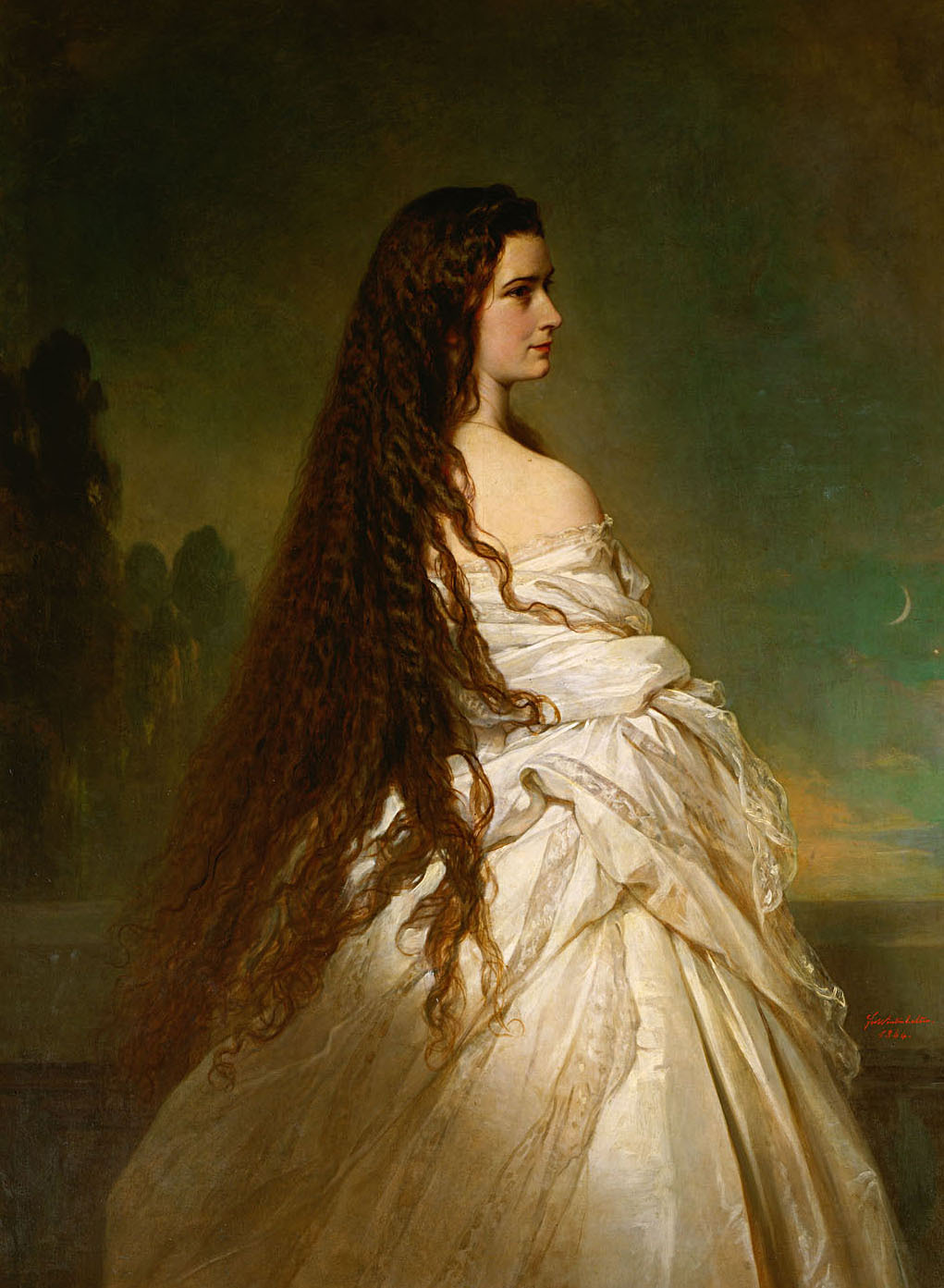
Empress Elisabeth of Austria with loosened hair, knee piece
Franz Xaver Winterhalter · 1864
 Painting
Primary source
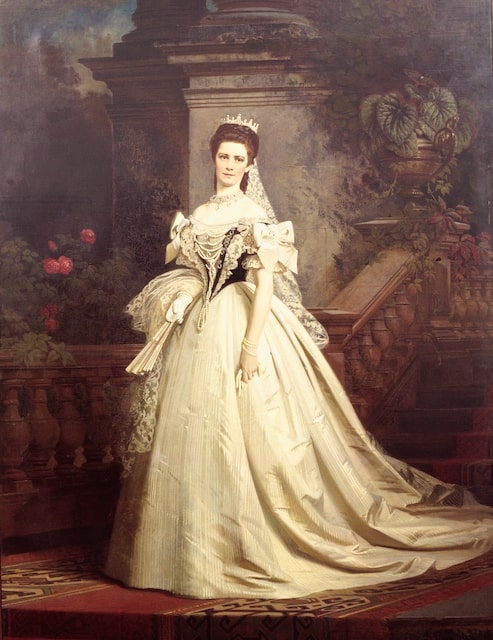
Queen Elisabeth in coronation dress
Alexander von Wagner · 1867
 Artifact
Primary source
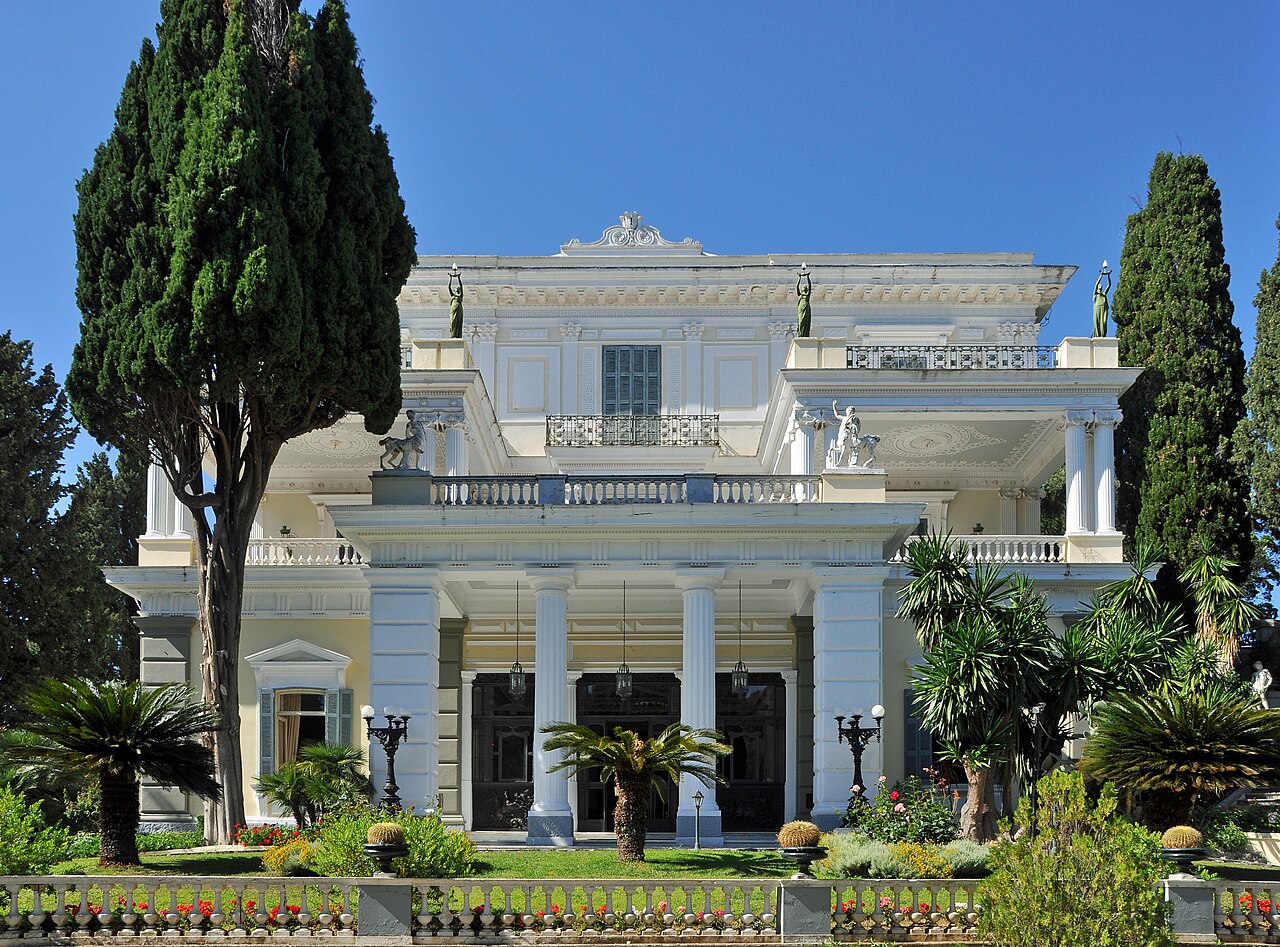
Achilleion
1890
Free account
Read every Empress Elisabeth of Austria source
Sign up free →
Ready when you are
Start chatting with Empress Elisabeth of Austria now.
20 messages free · No credit card · Available in 50+ languages.