


Secondary sourcePainting1896
Portrait of Emily Warren Roebling
Carolus-Duran · 1896
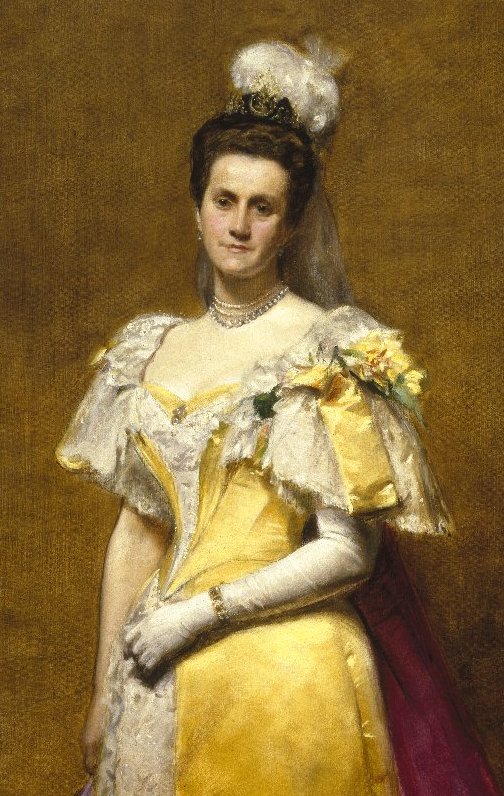
A 1896 painted portrait of Emily Warren Roebling by the French painter Carolus-Duran.
This 1896 portrait depicts Emily Roebling after the Brooklyn Bridge's completion, as a recognized public figure.
About this source
What it is
This oil portrait of Emily Warren Roebling was painted in 1896 by Carolus-Duran, a notable French portrait painter. It shows her wearing formal dress with a tiara, pearls and a satin gown.
Why it matters
This portrait was made after the Brooklyn Bridge's completion, when Emily Roebling had become a recognized public figure. Formal portraits like this were a way of marking someone's social standing and achievements, and this image is one of the key surviving depictions of her.
Look closer
- What does her clothing and pose suggest about how she wanted to be seen?
- Why might a painter choose to depict formal dress rather than working clothes, given her engineering work?
- What does a portrait like this leave out about a person's life and achievements?
This painting is part of the curated material that grounds the AI version of Emily Warren Roebling on Humy.ai — when students ask about related events, the AI can quote it and cite it.
More Emily Warren Roebling sources
Browse all 33 →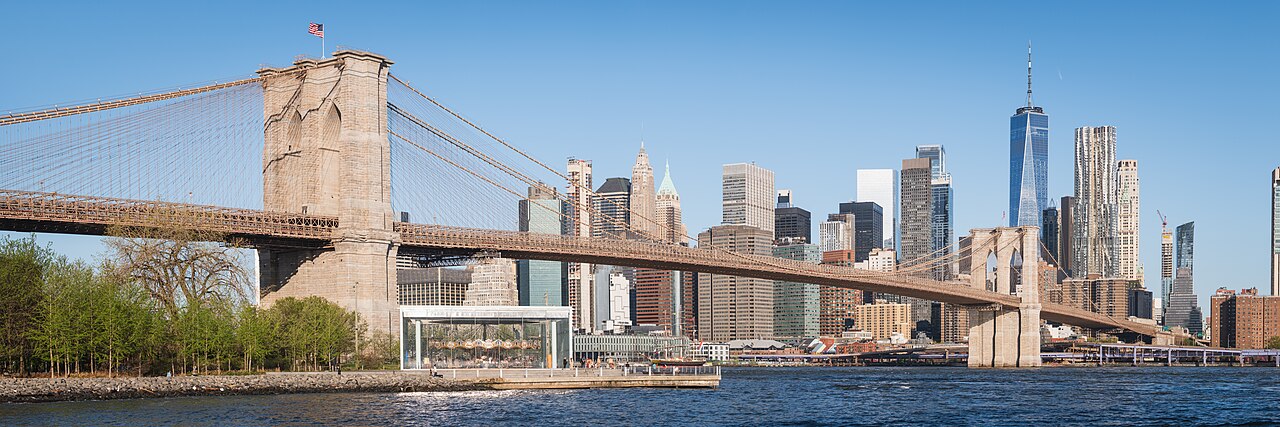 Artifact
Primary source
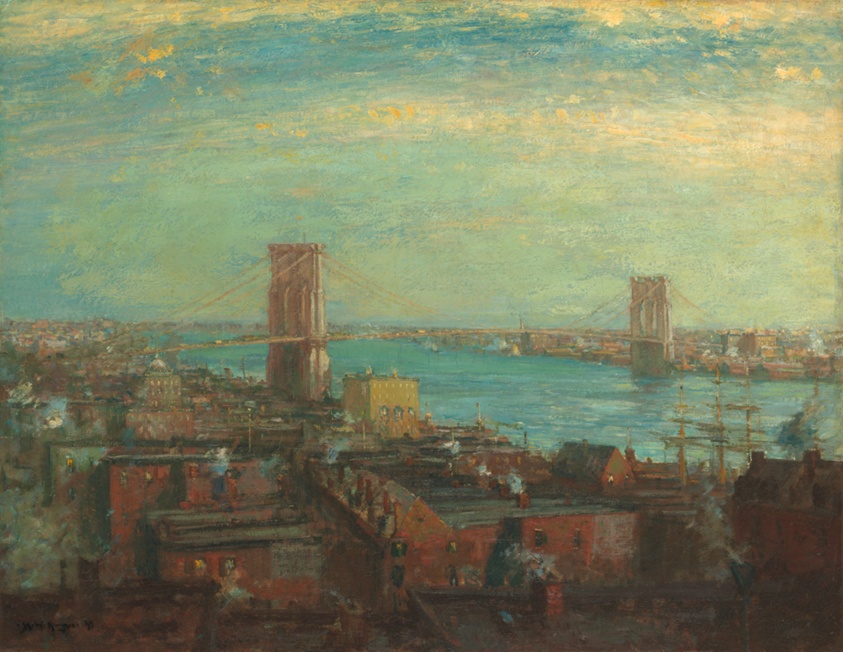
Brooklyn Bridge
John A. Roebling · 1883 (opened)
 Painting
Primary source
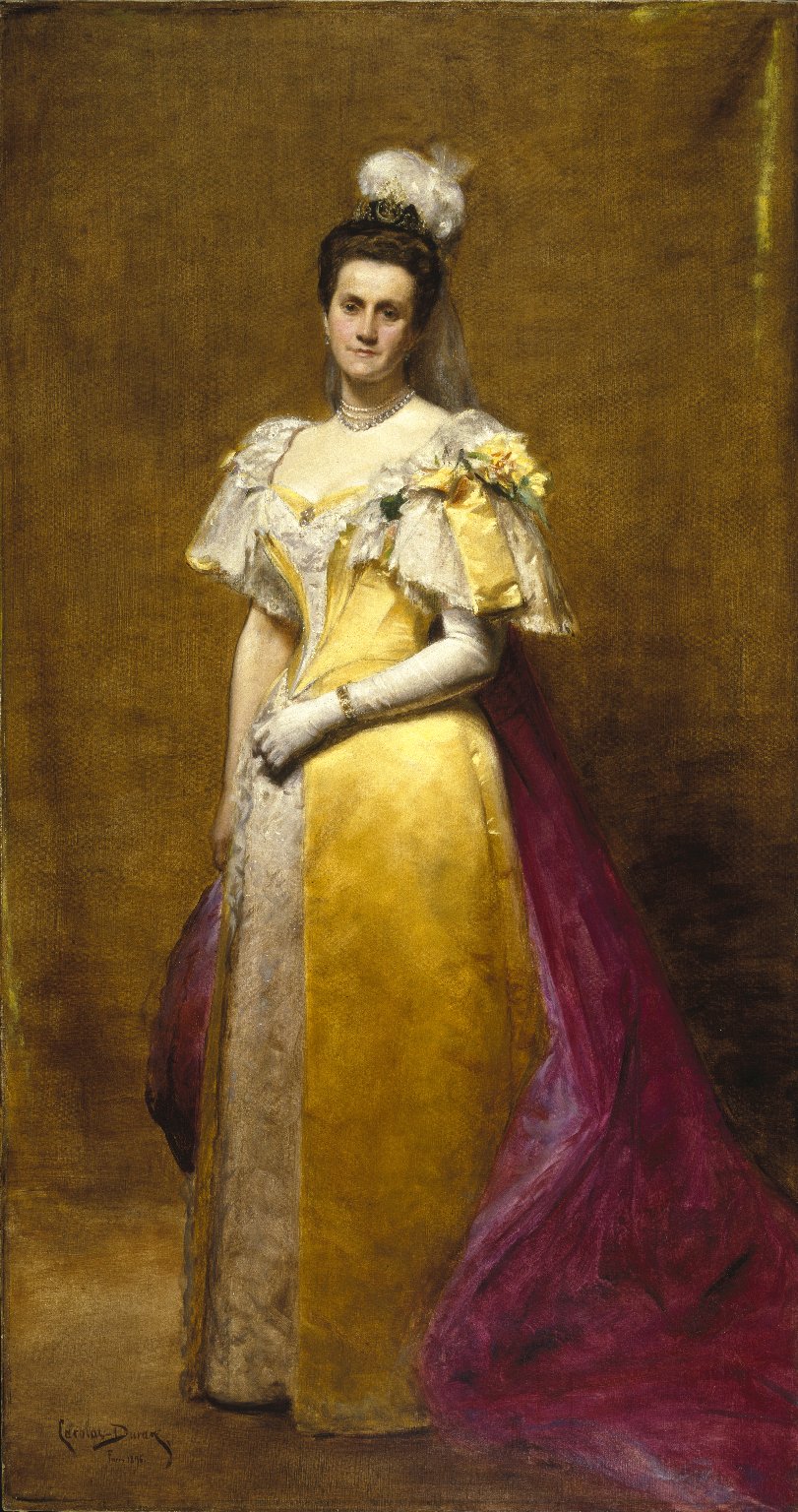
Portrait of Emily Warren Roebling
Carolus-Duran · 1896
 Painting
Primary source
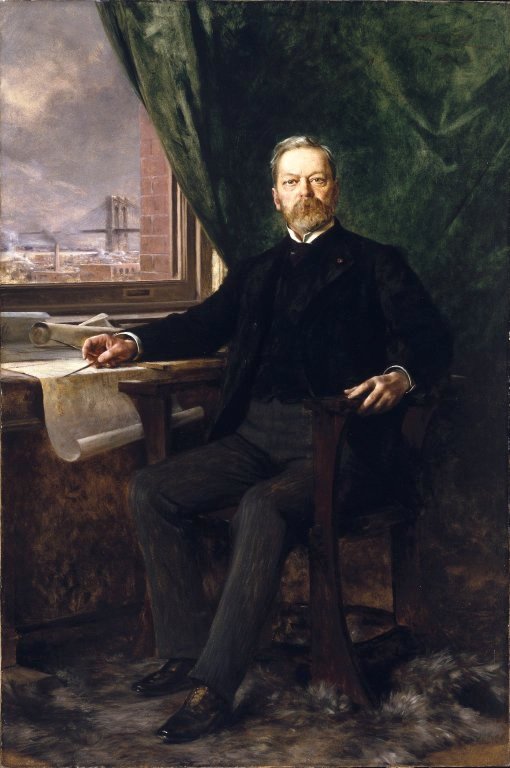
Portrait of Washington A. Roebling
Théobald Chartran · c. 1899
 Speech
Primary source
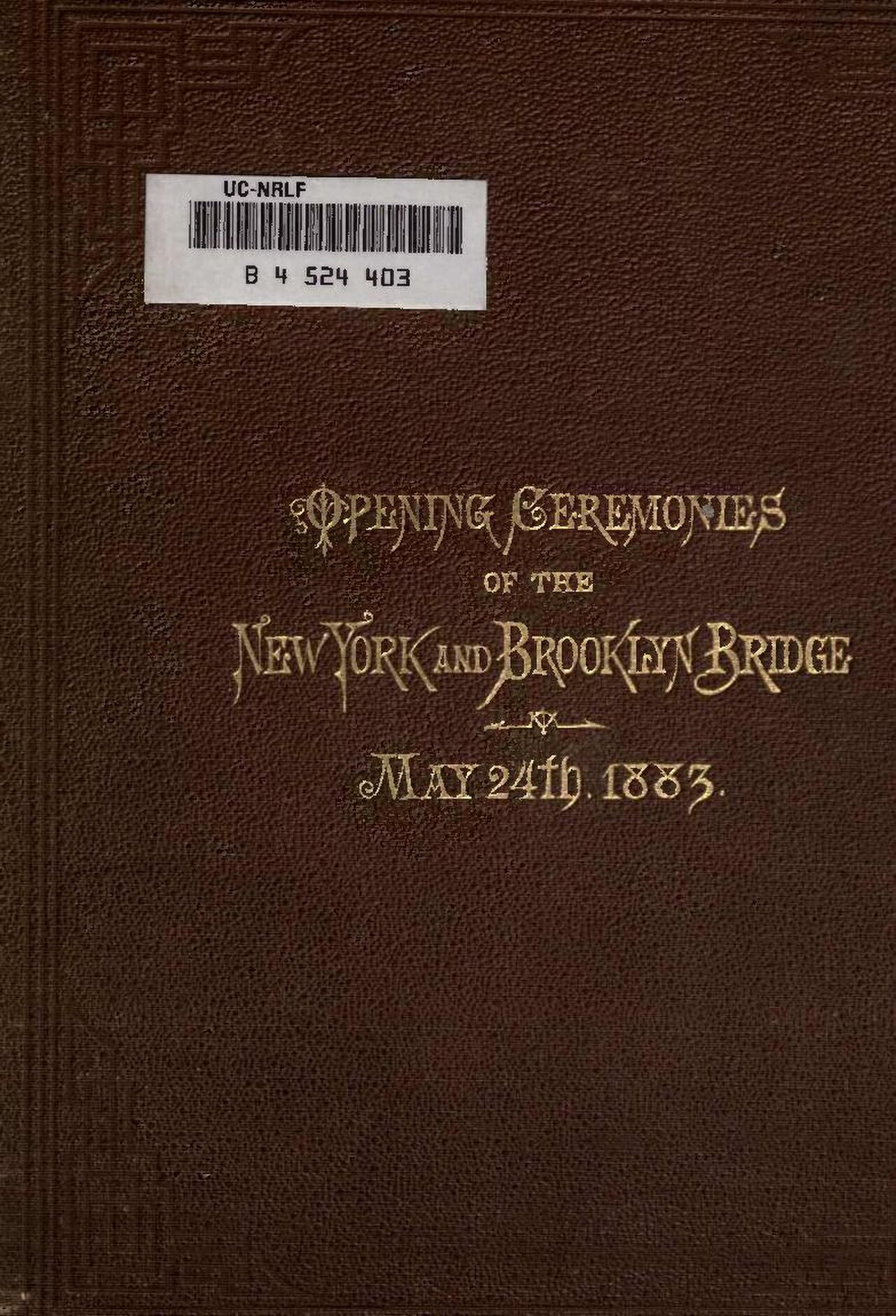
Opening Ceremonies of the New York and Brooklyn Bridge, May 24, 1883
Abram Stevens Hewitt · 24 May 1883
Free account
Read every Emily Warren Roebling source
Sign up free →
Ready when you are
Start chatting with Emily Warren Roebling now.
20 messages free · No credit card · Available in 50+ languages.