


Primary sourcePainting18th century
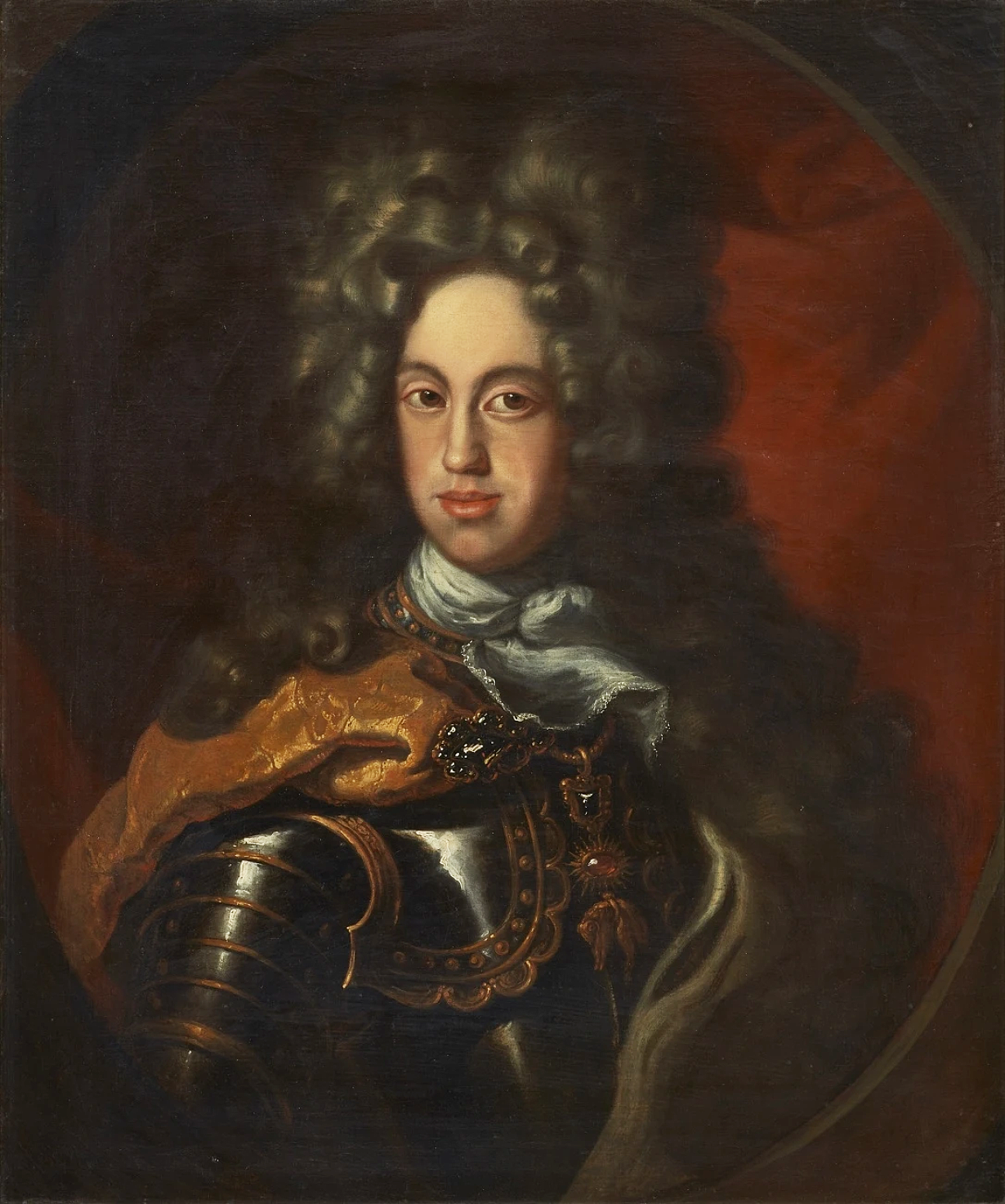
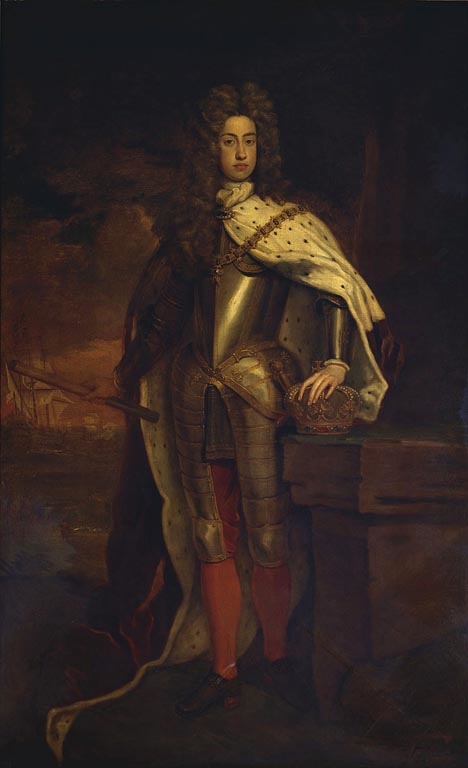
Portrait of Emperor Charles VI, 18th century
18th century
An oval oil portrait of Charles VI as a young man in polished steel armour with a gold silk drape. The painter is unknown and the date is approximate.
Shows Charles VI as sitter, presented in armour as a young man, and records his position as brother of Joseph I.
About this source
What it is
This is an oil painting in an oval frame by an unidentified painter, dated only to the eighteenth century. It shows a young man with a long curled grey-brown wig, wearing polished steel armour with gold trim, a gold silk drape over one shoulder and a white lace cravat, against a red background. The Commons record describes the sitter as Charles VI, brother of Joseph I, who was also Holy Roman Emperor.
Why it matters
Charles VI was the younger brother of Joseph I, and he later became emperor himself after Joseph's death in 1711. Armour in a portrait signalled military leadership, a theme important to Habsburg rulers. The painting shows how the family's image was presented in the eighteenth century, though its exact date is uncertain.
Look closer
- What details of the armour and the drape suggest rank or military role?
- Why might a painter choose a red background for a royal portrait?
- Since the date is uncertain, what clues in the painting could help you guess when it was made?
This painting is part of the curated material that grounds the AI version of Charles VI, Holy Roman Emperor on Humy.ai — when students ask about related events, the AI can quote it and cite it.
More Charles VI, Holy Roman Emperor sources
Browse all 91 →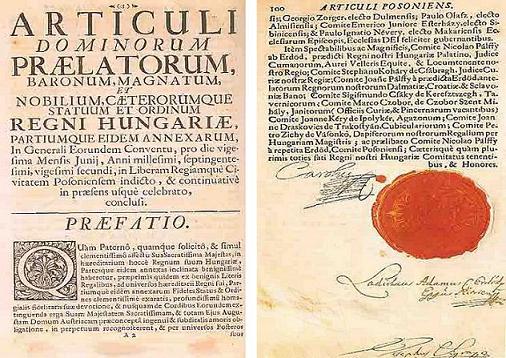 Document
Primary source
Pragmatic Sanction of 1713
Charles VI, Holy Roman Emperor · 1713
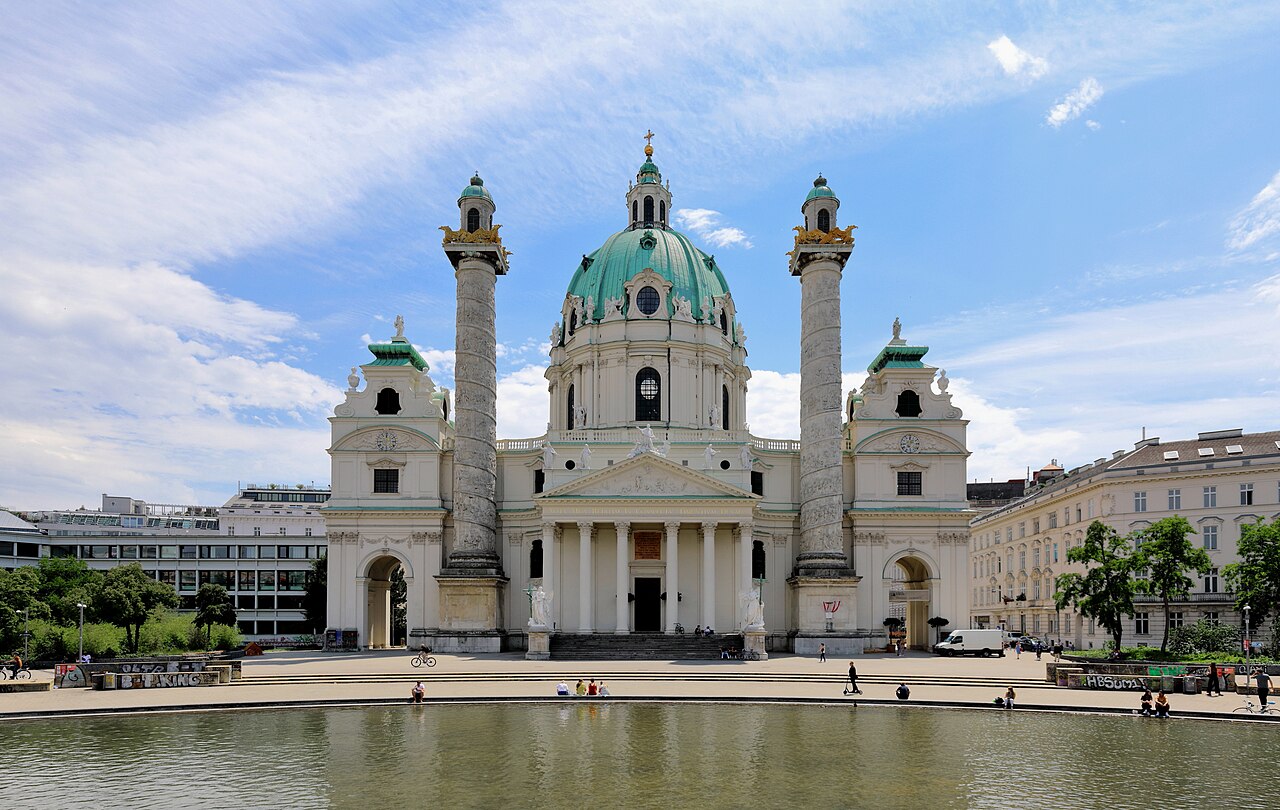 Artifact
Primary source
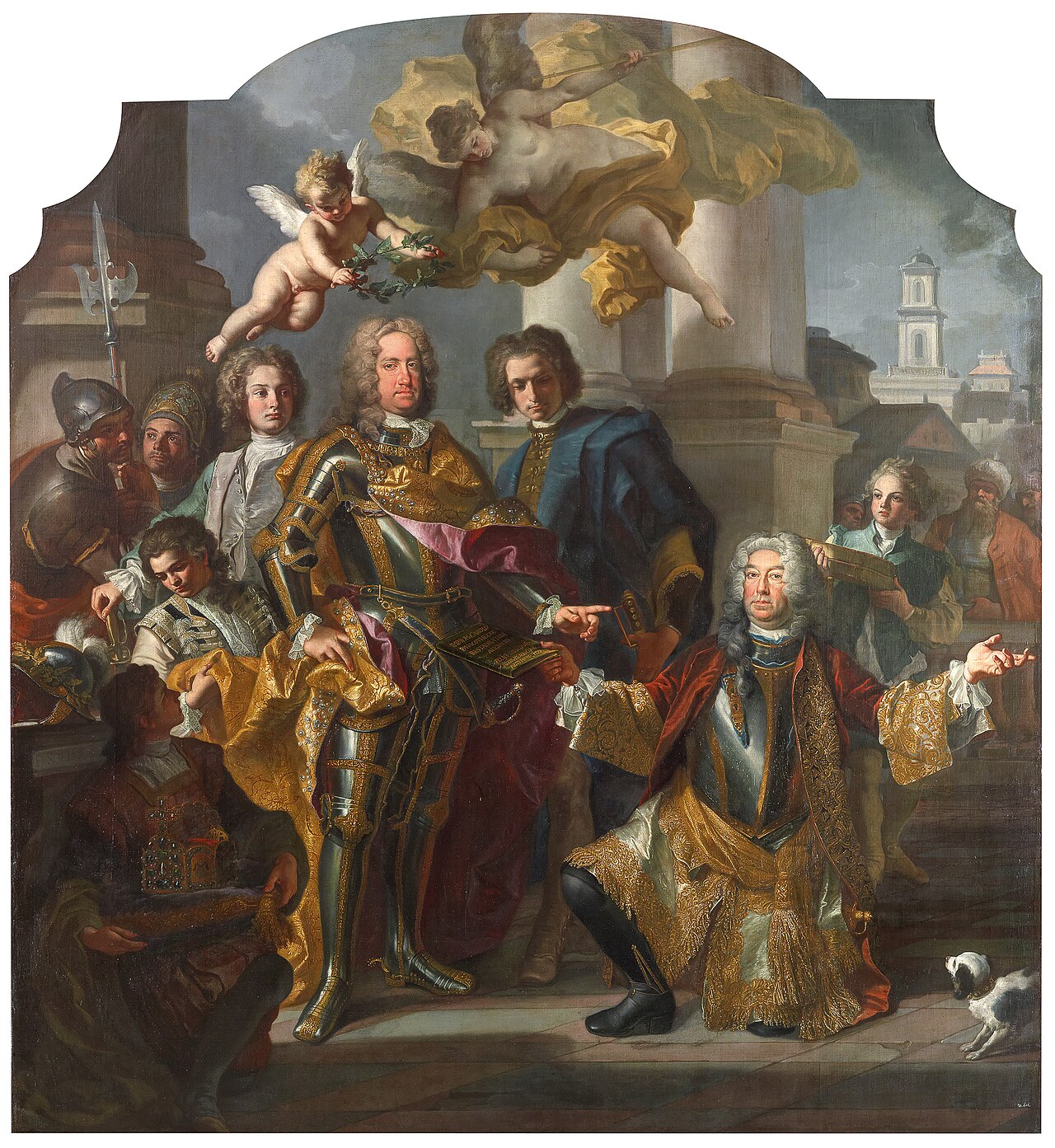
Karlskirche
Johann Bernhard Fischer von Erlach · 1716-1737
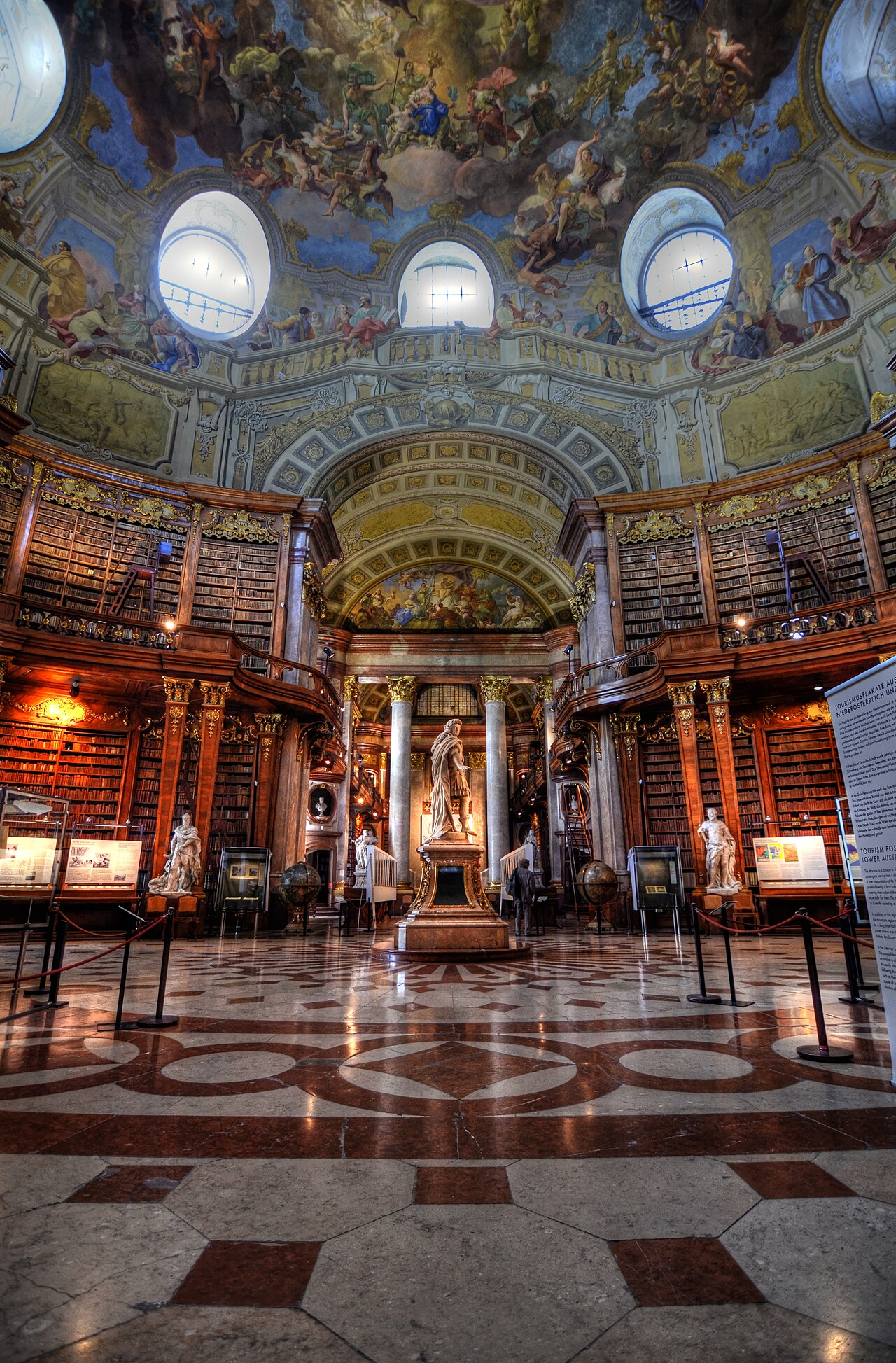 Artifact
Primary source
Austrian National Library State Hall
Johann Bernhard Fischer von Erlach · commissioned 1722
 Letter
Primary source
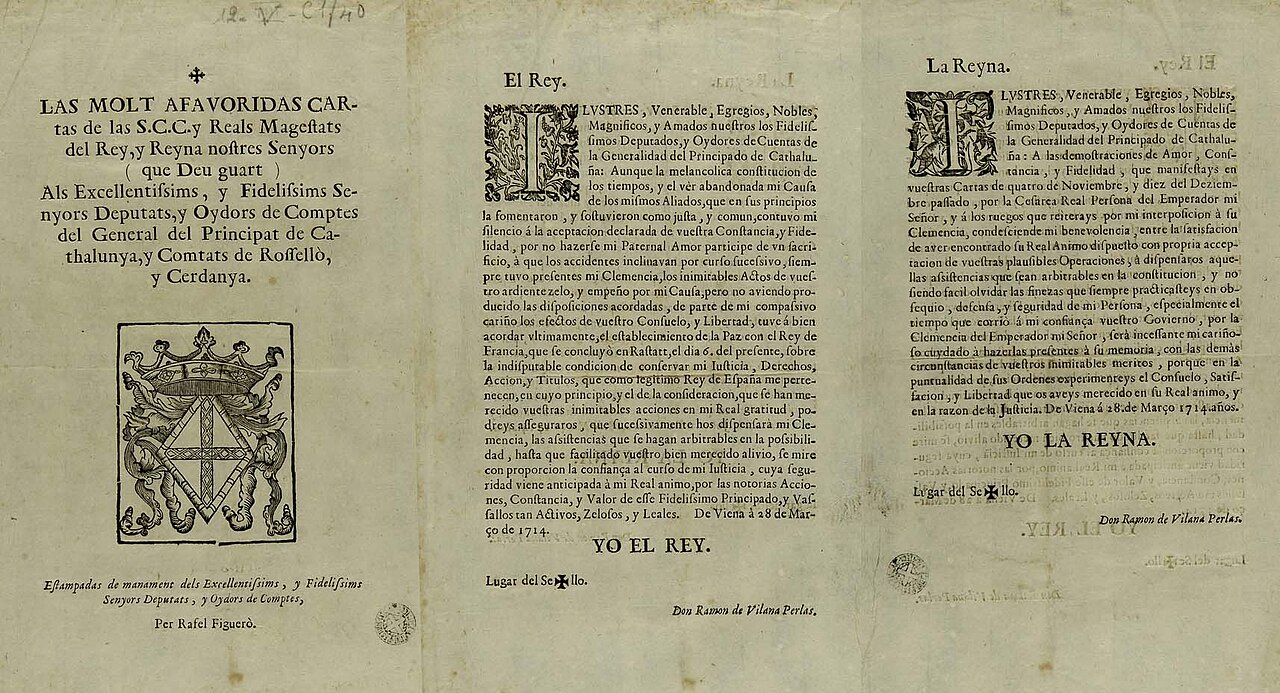
Letter Announcing the Treaty of Rastatt to the Catalan Generalitat
Charles VI, Holy Roman Emperor · 1714
Free account
Read every Charles VI, Holy Roman Emperor source
Sign up free →
Ready when you are
Start chatting with Charles VI, Holy Roman Emperor now.
20 messages free · No credit card · Available in 50+ languages.