


Primary sourcePaintingc. 1720
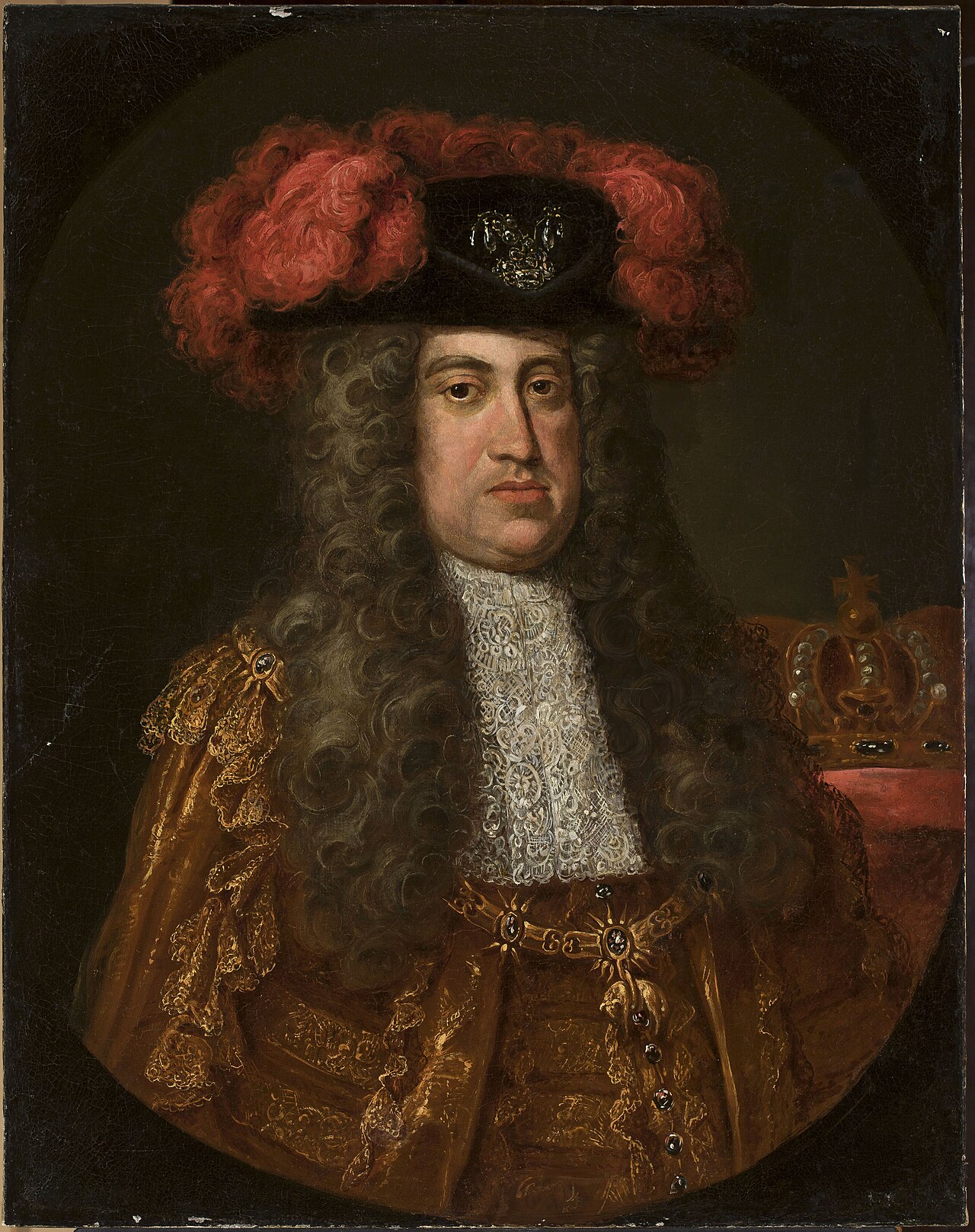
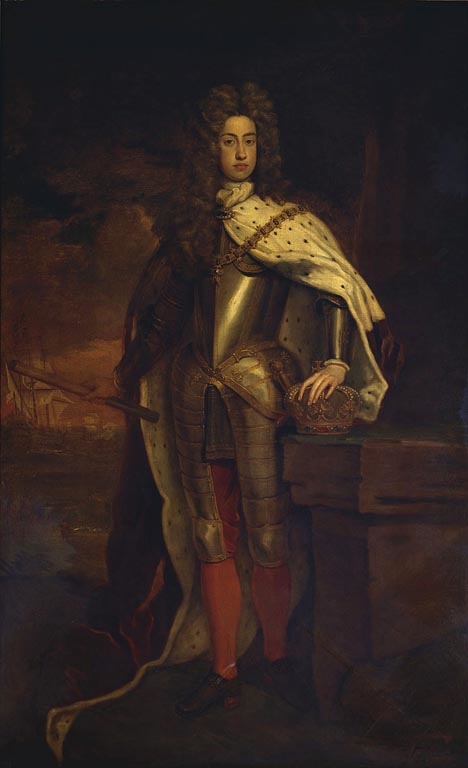
Portrait of Emperor Charles VI
Jan Kupecký · c. 1720
A 1720 oil portrait of Emperor Charles VI by the Central European painter Jan Kupecký, showing him in imperial dress with a crown beside him.
This portrait depicts Charles VI as Holy Roman Emperor, showing the imperial image he projected to his court.
About this source
What it is
This is an oil painting made around 1720 by Jan Kupecký, a leading portraitist in Central Europe. It depicts Emperor Charles VI and is held today at the National Museum in Warsaw.
Why it matters
Portraits like this were used to project the image and authority of a ruling emperor. Kupecký's reputation as a portraitist meant that his depiction of Charles helped shape how the emperor was seen by his court and across Europe.
Look closer
- What do the crown, jeweled collar, and fine fabrics tell you about how rulers wanted to be seen?
- Why might the crown be placed beside him rather than on his head?
- What might this painting leave out about Charles VI as a person or ruler?
This painting is part of the curated material that grounds the AI version of Charles VI, Holy Roman Emperor on Humy.ai — when students ask about related events, the AI can quote it and cite it.
More Charles VI, Holy Roman Emperor sources
Browse all 91 →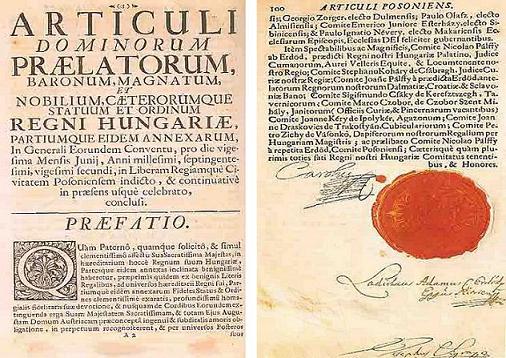 Document
Primary source
Pragmatic Sanction of 1713
Charles VI, Holy Roman Emperor · 1713
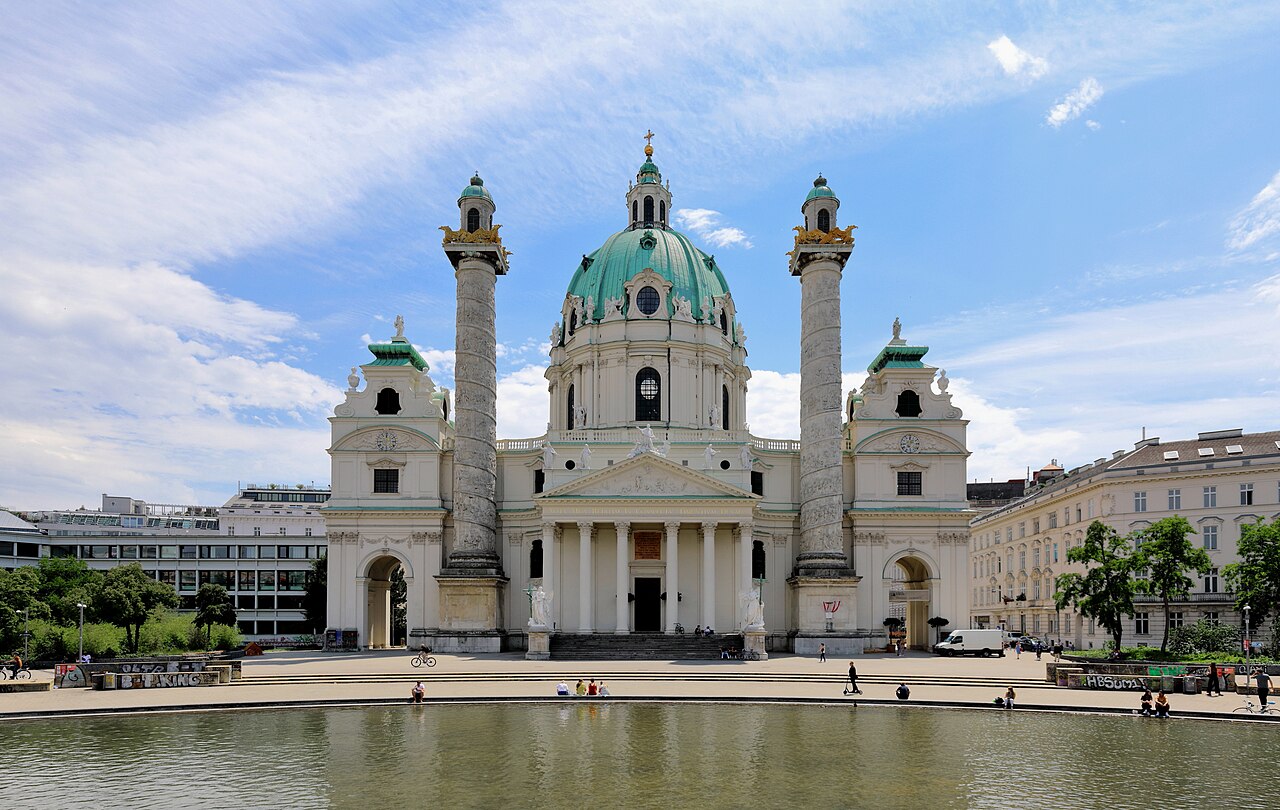 Artifact
Primary source
Karlskirche
Johann Bernhard Fischer von Erlach · 1716-1737
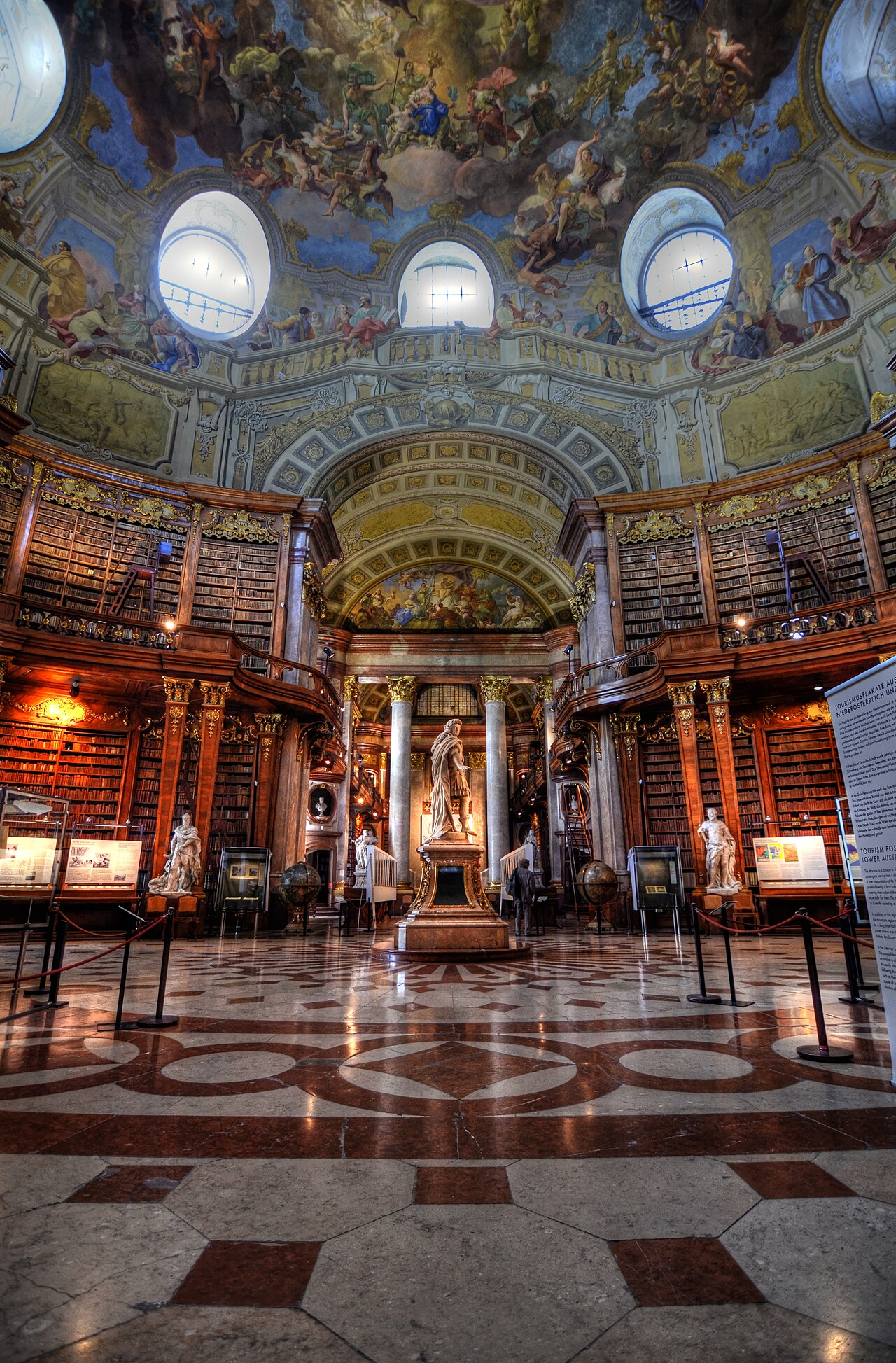 Artifact
Primary source
Austrian National Library State Hall
Johann Bernhard Fischer von Erlach · commissioned 1722
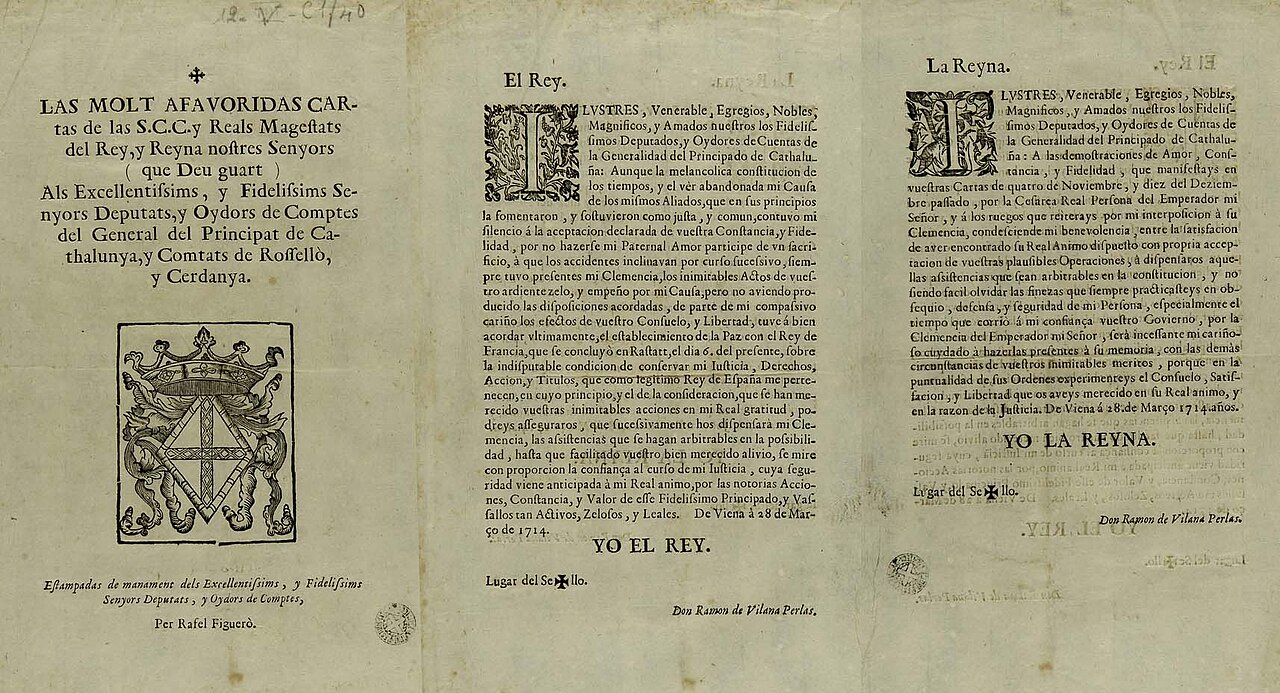 Letter
Primary source
Letter Announcing the Treaty of Rastatt to the Catalan Generalitat
Charles VI, Holy Roman Emperor · 1714
Free account
Read every Charles VI, Holy Roman Emperor source
Sign up free →
Ready when you are
Start chatting with Charles VI, Holy Roman Emperor now.
20 messages free · No credit card · Available in 50+ languages.