


Secondary sourcePaintingProbably 18th century
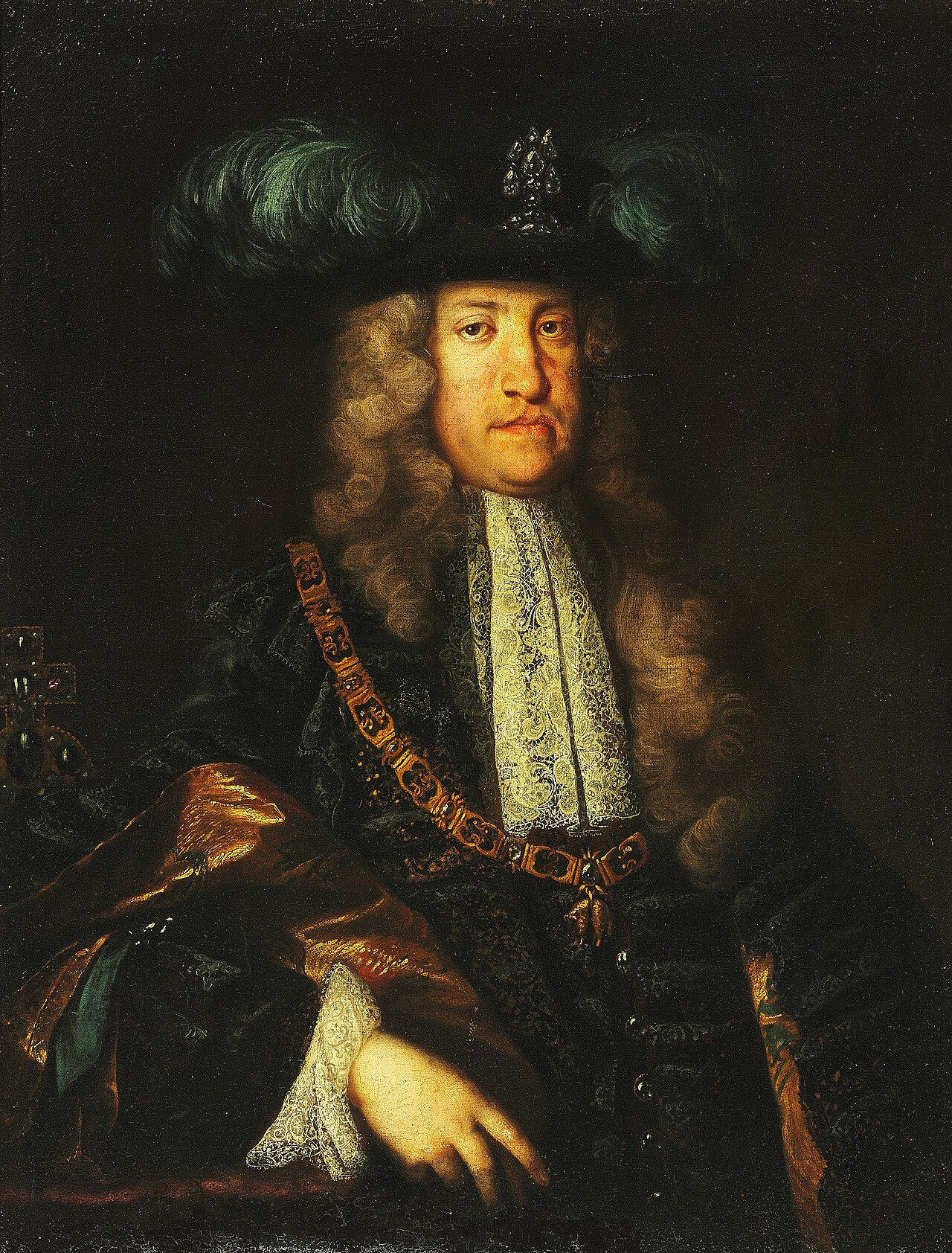
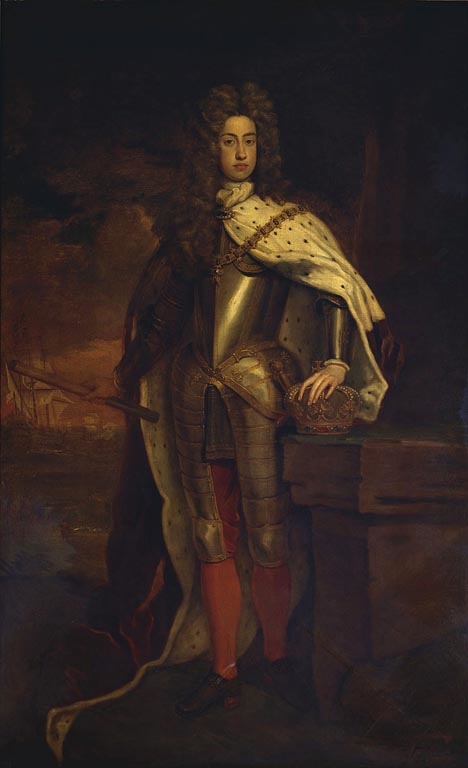
Portrait of Emperor Charles VI attributed to Martin van Meytens
Martin van Meytens (attributed) · Probably 18th century
An oil portrait of Charles VI in baroque dress, attributed to Martin van Meytens, a court painter. It shows the emperor as he wanted to be seen.
Shows Charles VI as sitter, presented in court dress as a ruler, which is why it belongs in his archive.
About this source
What it is
This is an oil painting of Emperor Charles VI, attributed to Martin van Meytens, who is described as the court painter. The catalogue dates it only to probably the 18th century, so the exact date is uncertain. The painting shows the emperor in baroque dress, with a large black hat with green plumes, a long pale wig, a white lace jabot, a dark embroidered coat, and a gold-lined red cloak. A gold chain of office crosses his chest. The record does not say where the painting is now.
Why it matters
Portraits of rulers were official images. They told viewers about power, rank and the ideal of a monarch. Charles VI ruled the Habsburg lands and the Holy Roman Empire in the early 1700s, and he needed images like this to show his authority. The painting is a useful picture of the emperor, but it is not a photograph of him, and it was shaped by the court.
Look closer
- What objects and clothing does the painter use to show rank, and what might they mean to viewers at the time?
- Why would a ruler want to be painted with a dark background and a rich cloak?
- Who do you think commissioned this portrait, and what does the painting leave out about the emperor's daily life?
This painting is part of the curated material that grounds the AI version of Charles VI, Holy Roman Emperor on Humy.ai — when students ask about related events, the AI can quote it and cite it.
More Charles VI, Holy Roman Emperor sources
Browse all 91 →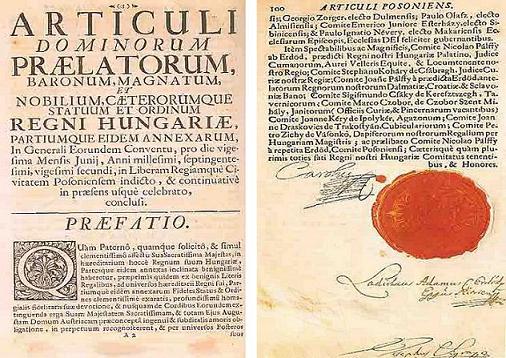 Document
Primary source
Pragmatic Sanction of 1713
Charles VI, Holy Roman Emperor · 1713
 Artifact
Primary source
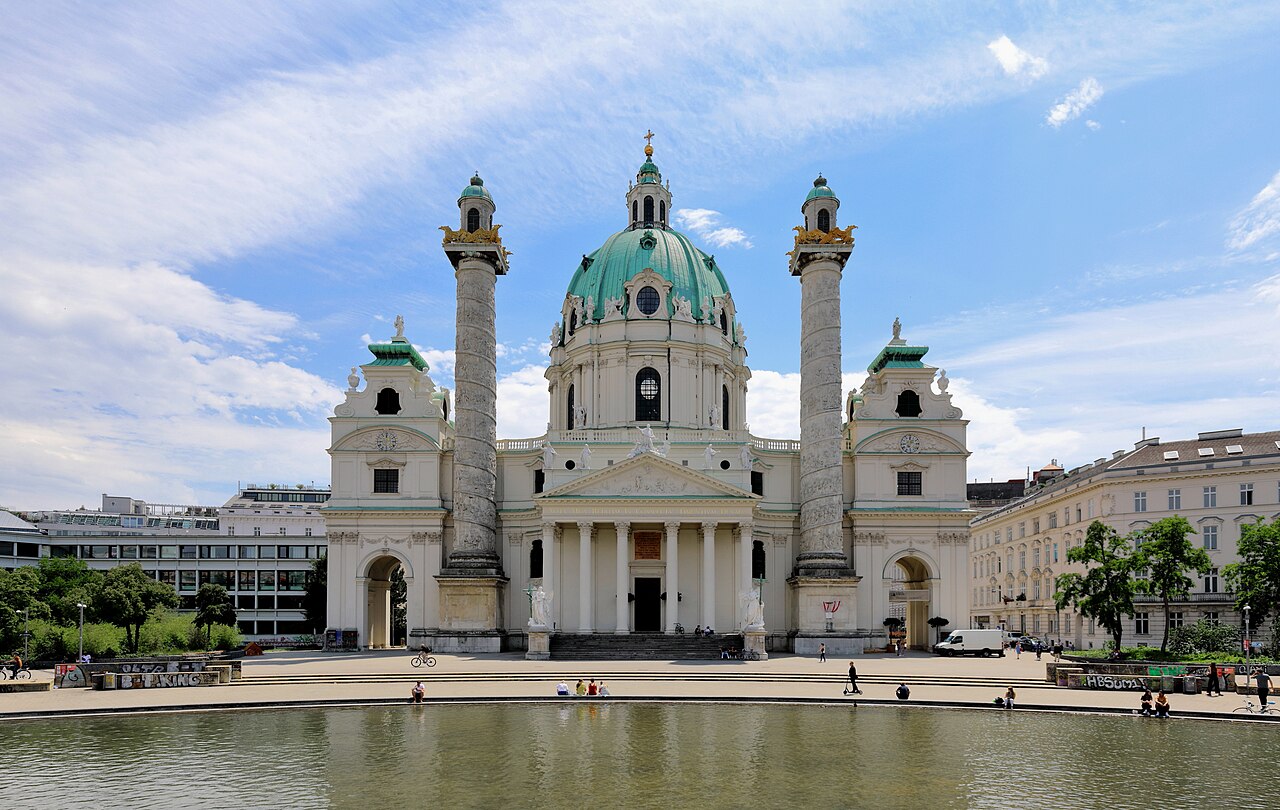
Karlskirche
Johann Bernhard Fischer von Erlach · 1716-1737
 Artifact
Primary source
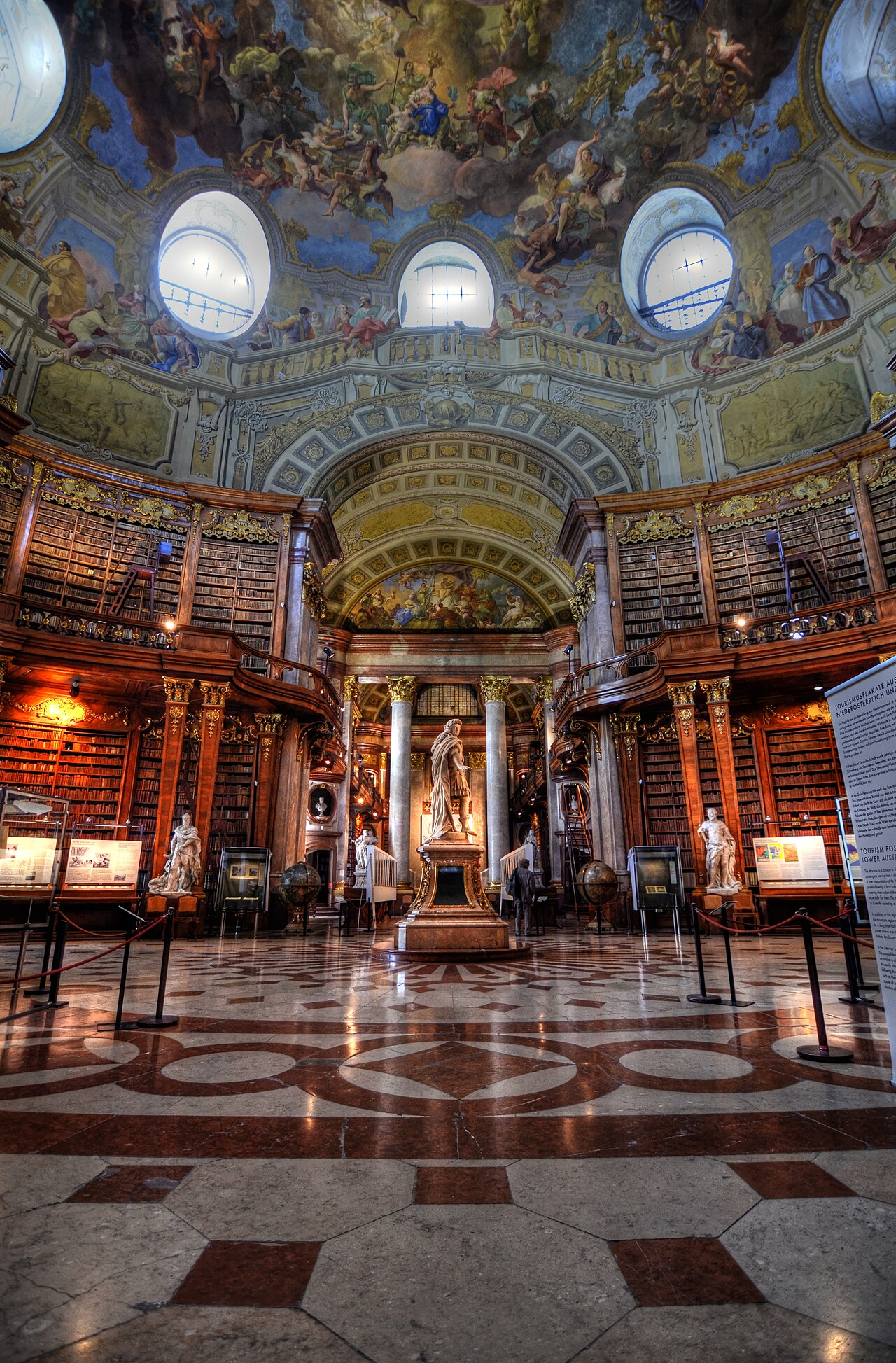
Austrian National Library State Hall
Johann Bernhard Fischer von Erlach · commissioned 1722
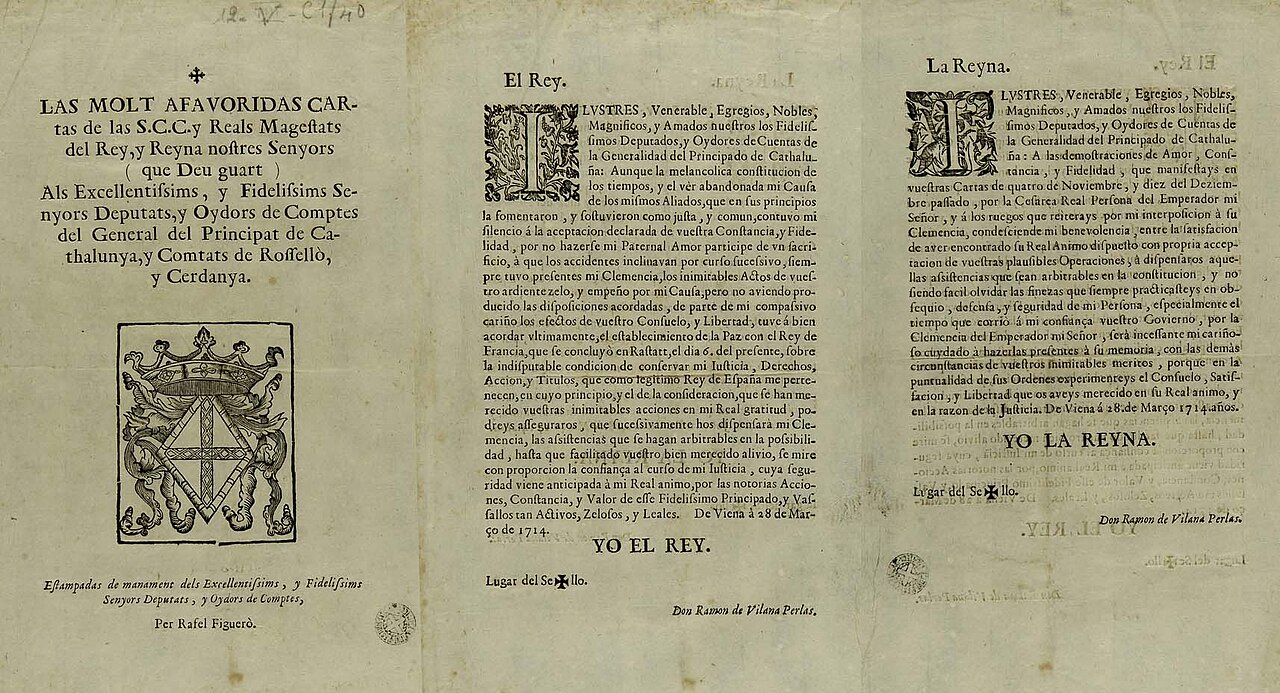 Letter
Primary source
Letter Announcing the Treaty of Rastatt to the Catalan Generalitat
Charles VI, Holy Roman Emperor · 1714
Free account
Read every Charles VI, Holy Roman Emperor source
Sign up free →
Ready when you are
Start chatting with Charles VI, Holy Roman Emperor now.
20 messages free · No credit card · Available in 50+ languages.