


Secondary sourcePainting1700–1750
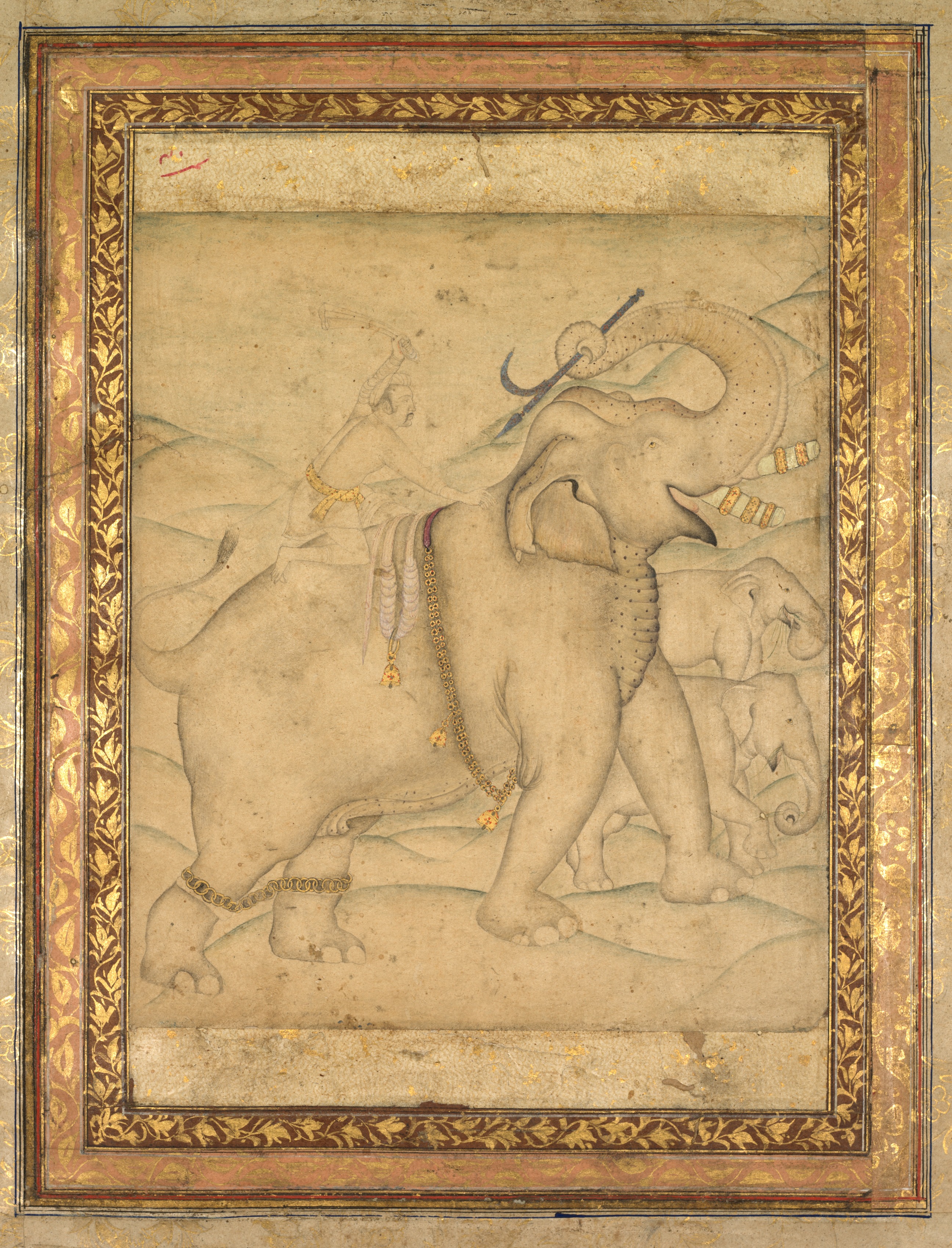
Portrait of Emperor Jahangir Riding an Elephant
1700–1750
A Mughal-style drawing from 1700 to 1750 showing Jahangir riding an elephant with gold ornaments. It was made about a century after his death.
Shows Jahangir on an elephant as a later artist remembered him, which places him in a royal procession image created long after his reign.
About this source
What it is
This is a Mughal-style drawing held by The Cleveland Museum of Art and dated 1700 to 1750. It shows an elephant with gold chains and ornaments, its trunk raised, carrying a rider in a turban who holds a goad. Two more elephants and hills appear in the background. The gift of J. H. Wade in 1920 brought the work into the museum.
Why it matters
The curator's note says the drawing was made about a century after Jahangir's death, so it shows how later artists remembered him. Elephants were important to Mughal rulers as symbols of power and royal processions, and the image reflects that setting. Students can see how later workshops kept older royal themes alive.
Look closer
- What details show that the elephant and rider belong to a royal procession?
- Why might a later artist include gold borders and ornaments?
- What does this drawing leave out about the emperor's daily life?
This painting is part of the curated material that grounds the AI version of Jahangir I on Humy.ai — when students ask about related events, the AI can quote it and cite it.
More Jahangir I sources
Browse all 98 →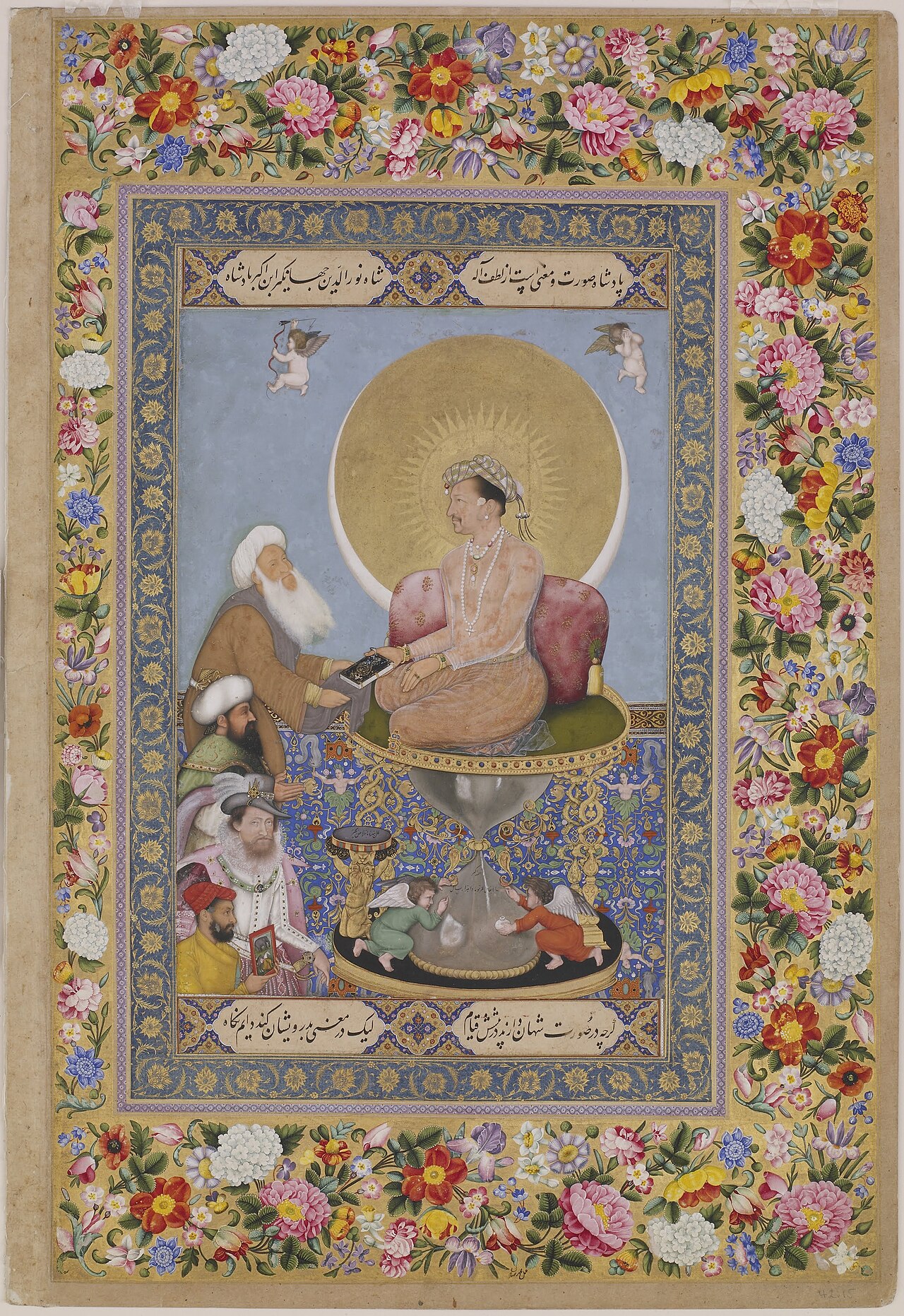 Painting
Primary source
Jahangir Preferring a Sufi Shaikh to Kings
Bichitr · c. 1615-1618
 Painting
Primary source
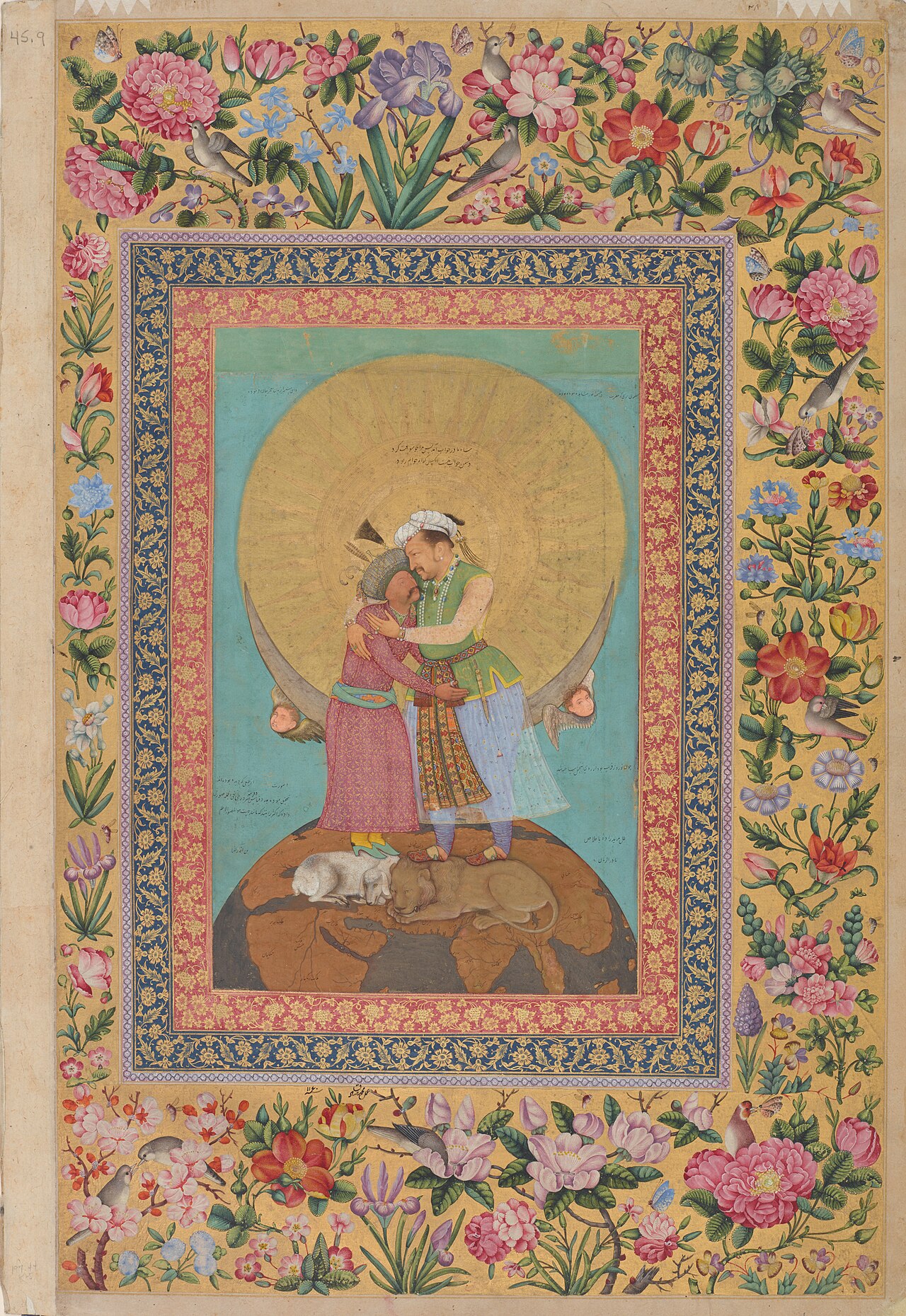
Jahangir Embracing Shah Abbas
Abu'l Hasan · c. 1618
 Painting
Primary source
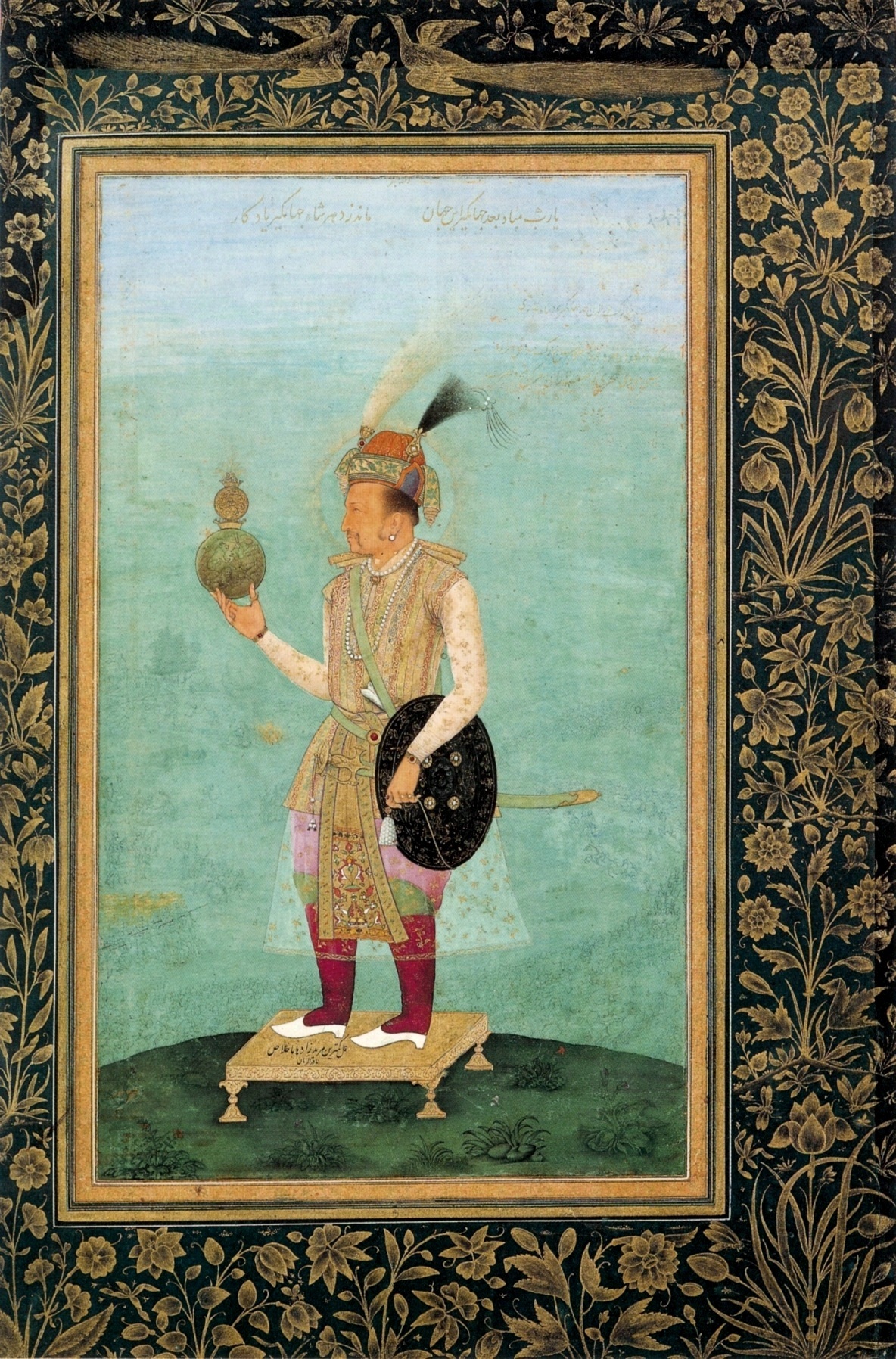
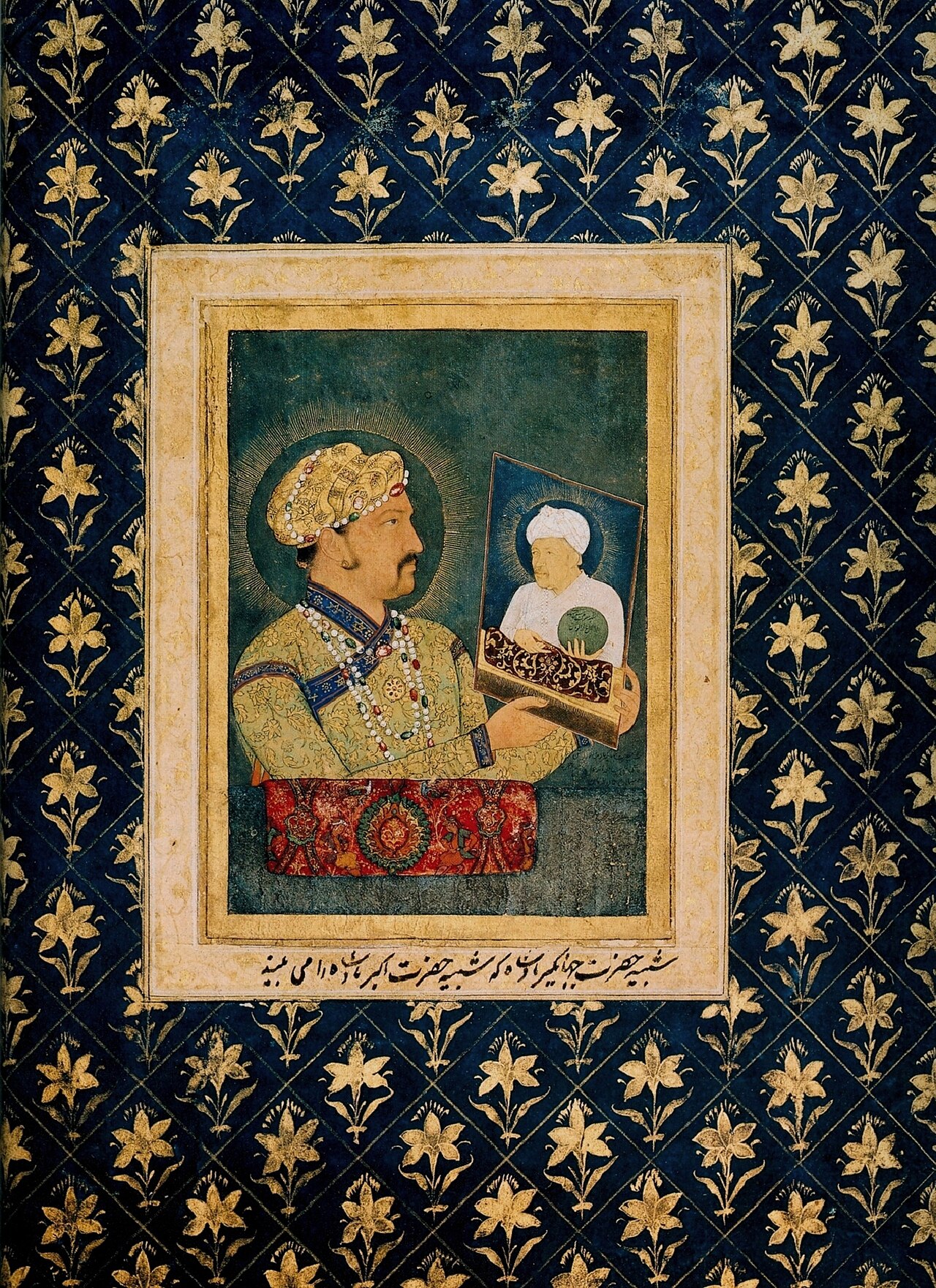
Jahangir Holding a Globe
Abu'l Hasan · c. 1620
 Painting
Primary source
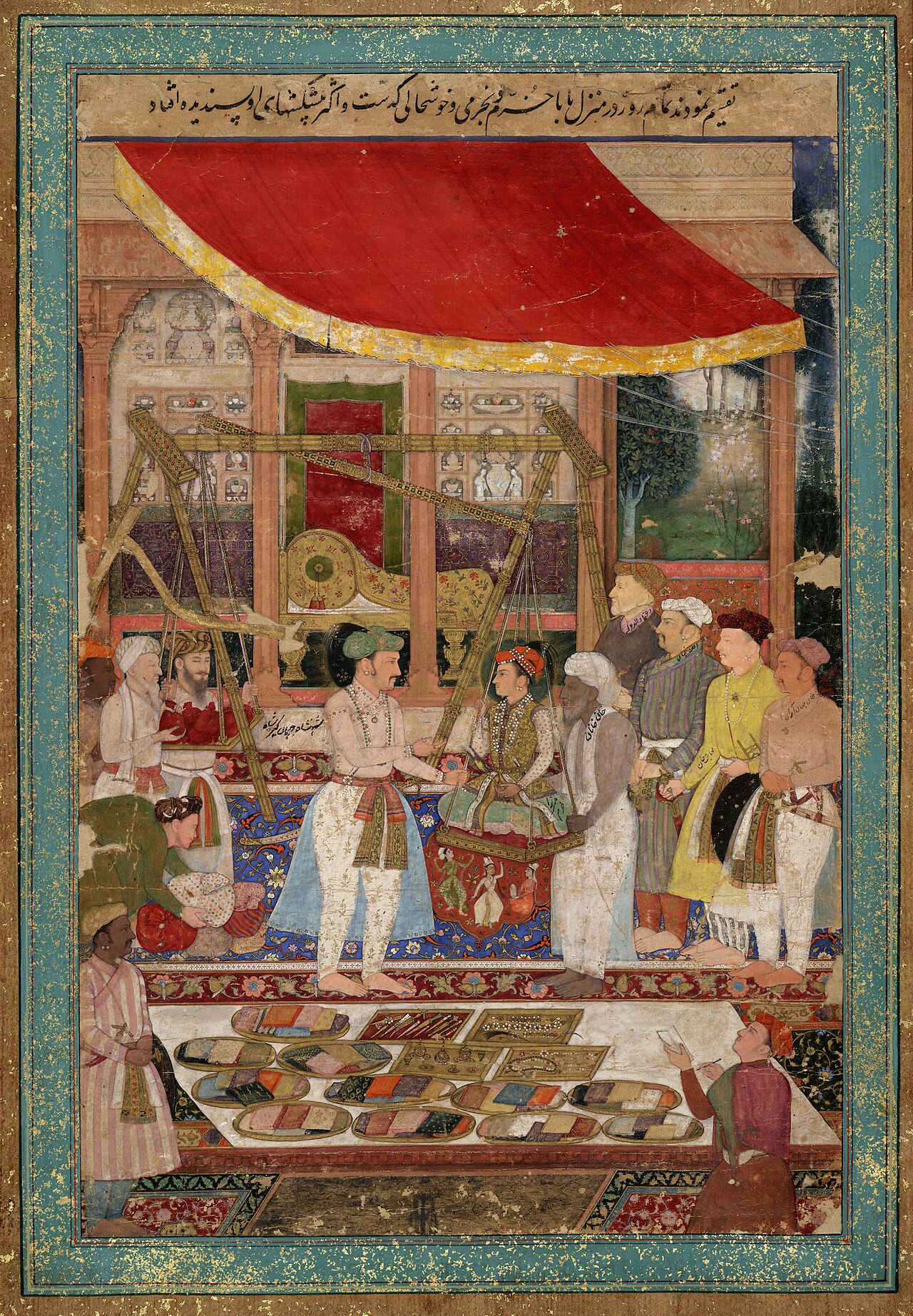
Jahangir Weighing Prince Khurram Against Gold and Silver
Manohar Das · c. 1610-1615
Free account
Read every Jahangir I source
Sign up free →
Ready when you are
Start chatting with Jahangir I now.
20 messages free · No credit card · Available in 50+ languages.