


Secondary sourcePainting14th century
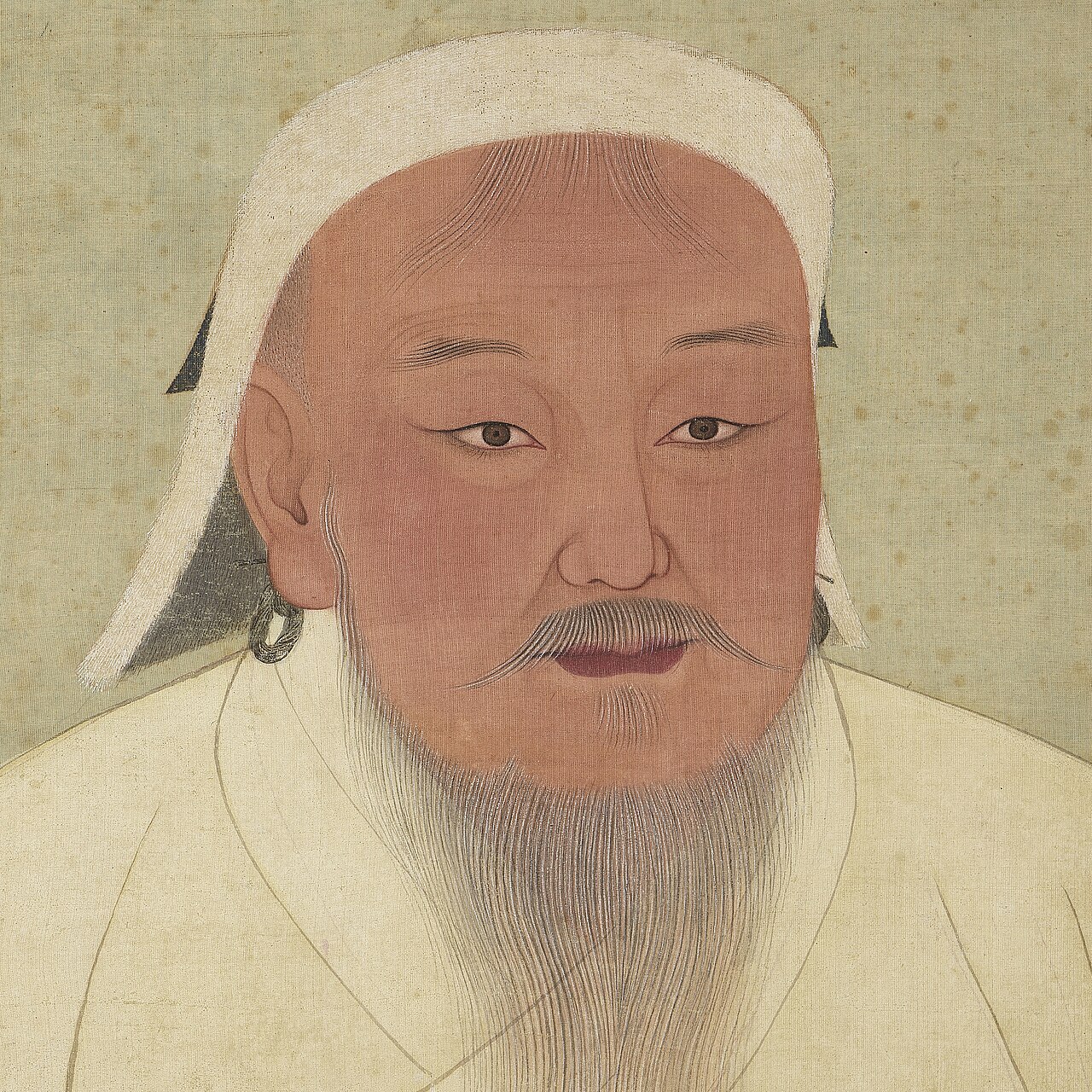
Portrait of Emperor Taizu of Yuan
Unknown · 14th century
A 14th-century Chinese court portrait of Genghis Khan, honored posthumously as Emperor Taizu of the Yuan dynasty.
A posthumous imperial portrait of Genghis Khan as Emperor Taizu, showing how the Yuan dynasty honored its founder.
About this source
What it is
This portrait, painted in ink and color on silk, is cropped from an album of Yuan dynasty emperors created in the 14th century, decades after Genghis Khan's death. It is now kept at the National Palace Museum in Taipei.
Why it matters
After his grandson Kublai Khan founded the Yuan dynasty in China, Genghis Khan was given the posthumous title Emperor Taizu and included in official dynastic portraiture. The painting shows how his memory was reshaped to fit Chinese imperial tradition, very different from how he was remembered in Persian or Mongol sources.
Look closer
- How does this portrait's style compare with other images of Genghis Khan made in different cultures?
- Why might the Yuan court want to present him as a formal Chinese-style emperor?
- What can and can't a portrait like this tell us about what he actually looked like?
This painting is part of the curated material that grounds the AI version of Genghis Khan on Humy.ai — when students ask about related events, the AI can quote it and cite it.
More Genghis Khan sources
Meet the AI Genghis Khan →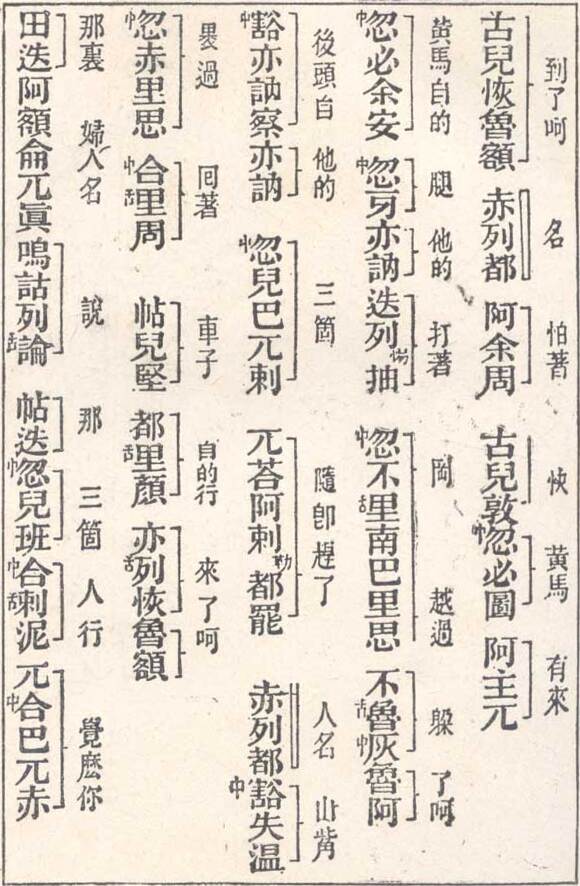 Book
Secondary source
The Secret History of the Mongols
c. 1228 (completed after 1227)
 Painting
Secondary source
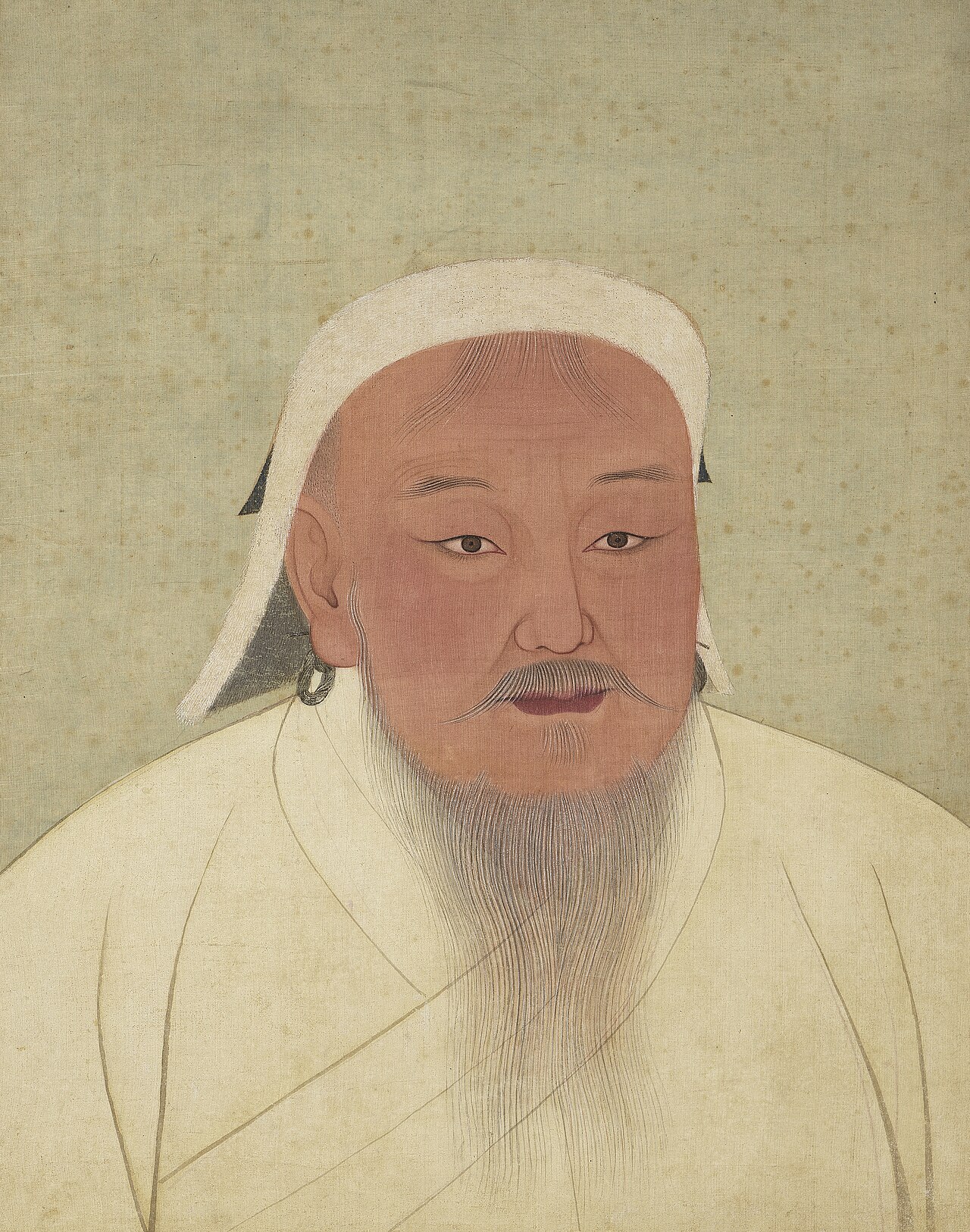
Portrait of Genghis Khan
Unknown Yuan court painter
 Book
Secondary source
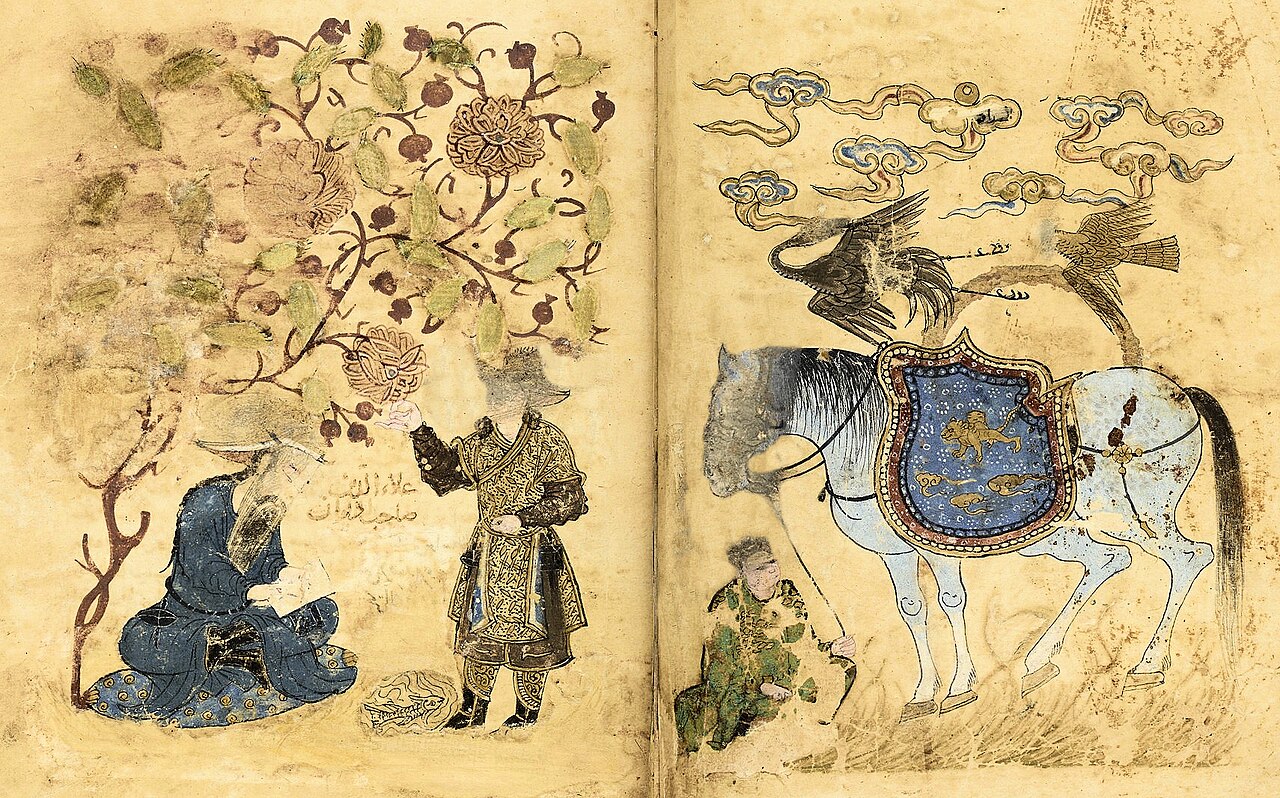
Tarikh-i Jahangushay-i Juvaini
Ata-Malik Juvayni
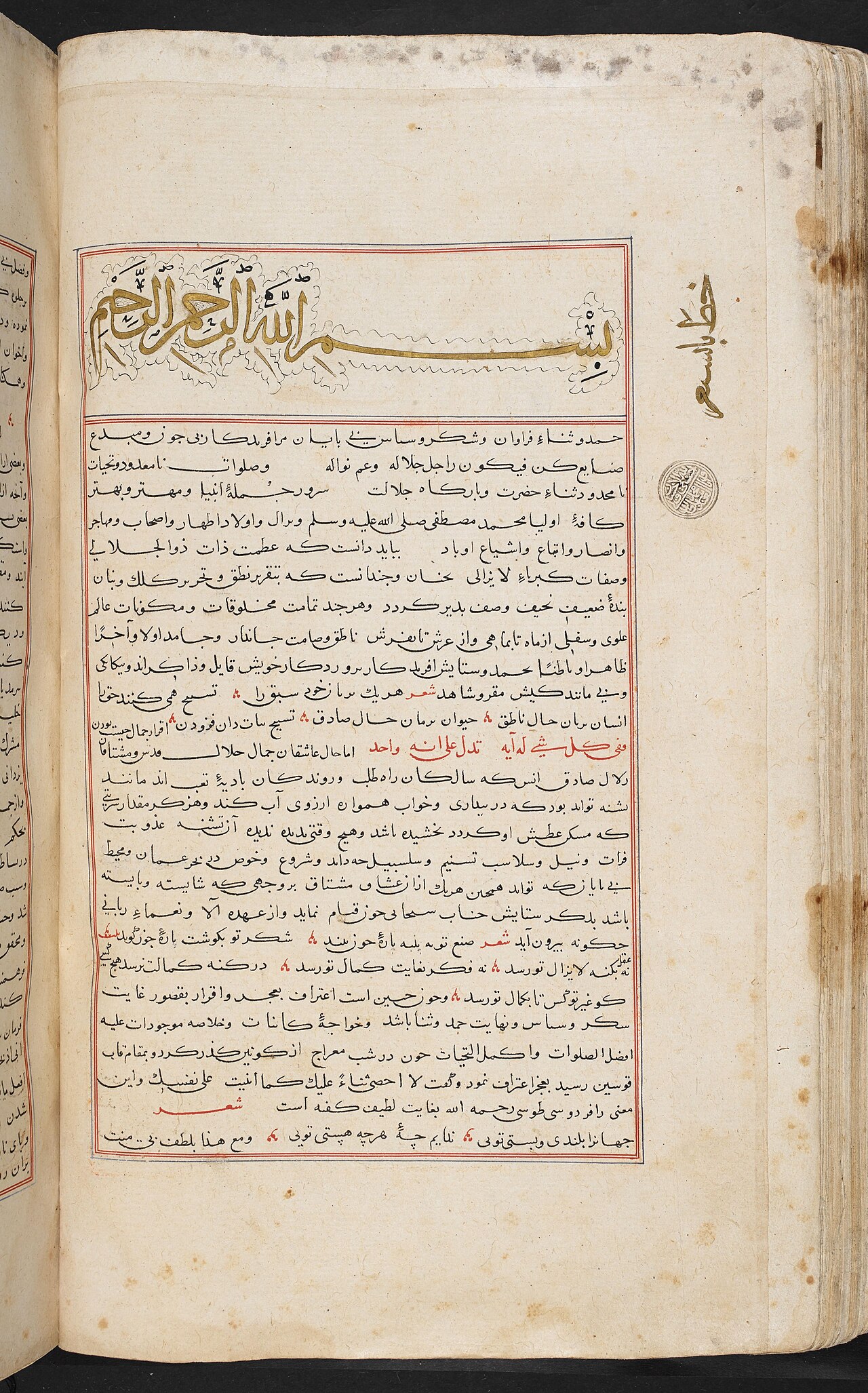 Book
Secondary source
Jami' al-tawarikh
Rashid al-Din Hamadani · c. 1400 (manuscript copy)
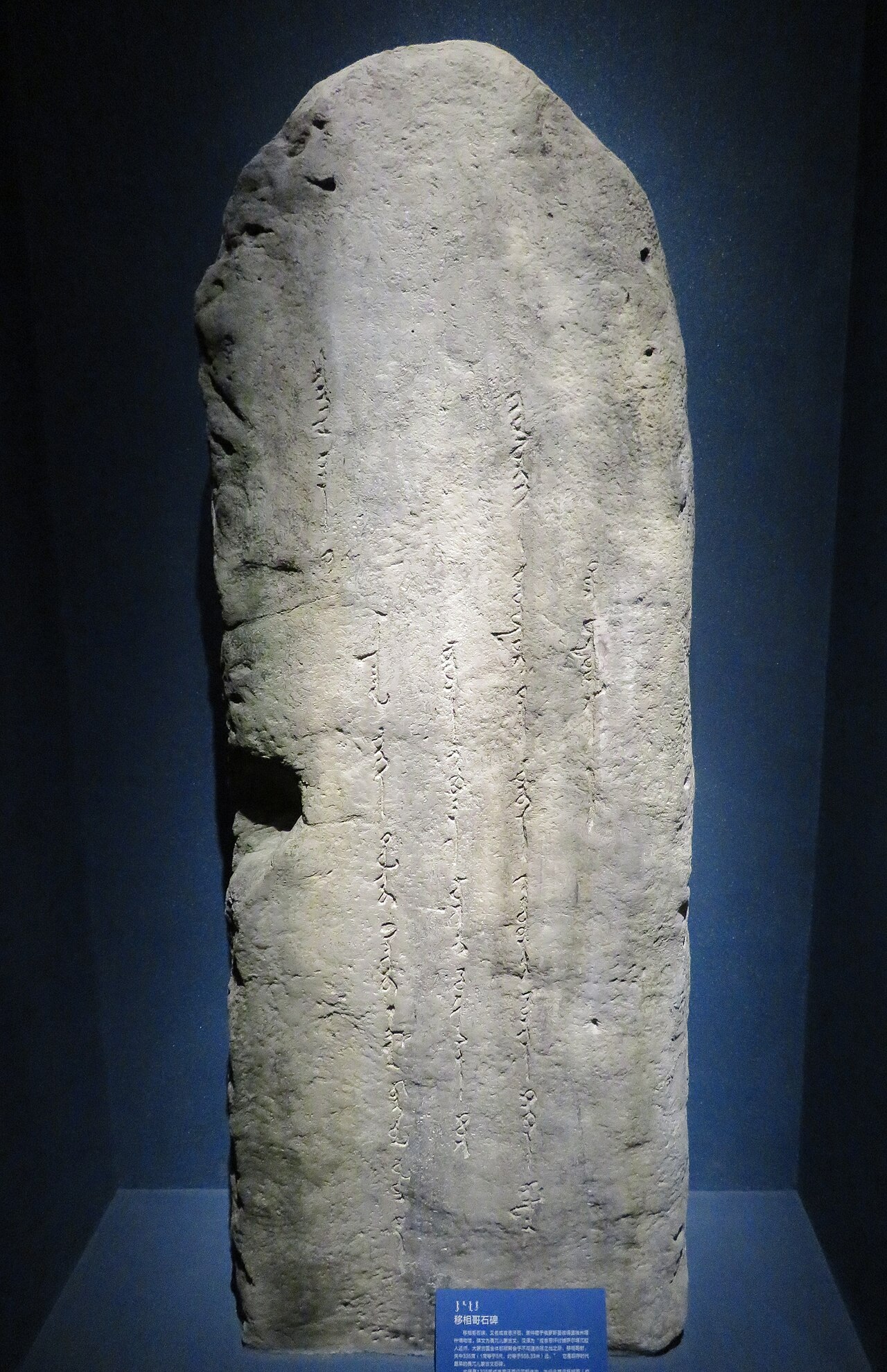 Artifact
Primary source
Stele of Genghis Khan
c. 1224-1225
Ready when you are
Start chatting with Genghis Khan now.
20 messages free · No credit card · Available in 50+ languages.