


Secondary sourcePainting
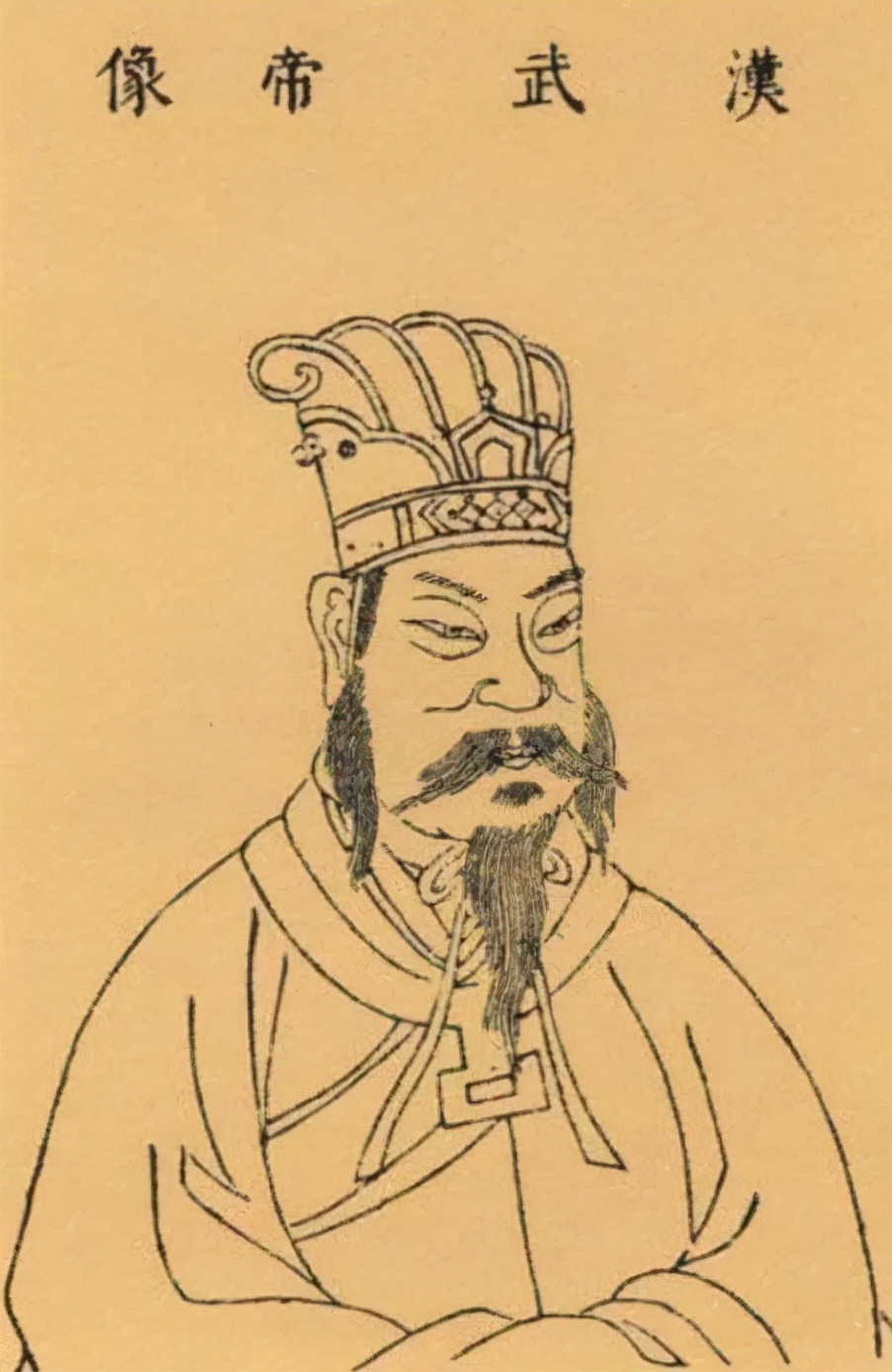
Portrait of Emperor Wu of Han in the Sancai Tuhui
Wang Qi
A Ming dynasty woodcut portrait of Emperor Wu from an illustrated encyclopedia, the standard printed image of him in later reference works.
This Ming woodcut became the standard printed portrait of Emperor Wu in later Chinese reference works.
About this source
What it is
This woodblock print portrait of Emperor Wu comes from the Sancai Tuhui, a Ming dynasty illustrated encyclopedia compiled by Wang Qi. It shows a bearded man in an ornate crown and layered robes, seated with hands folded.
Why it matters
Made many centuries after Wu's death, this print became the standard image used to represent him in later Chinese reference works. It shows how later generations imagined and remembered the emperor, rather than recording his actual appearance, since no contemporary portrait survives among these facts.
Look closer
- Why might later encyclopedias need a standard image for a historical ruler?
- What symbols of power, like the crown and robes, does the artist use to show status?
- How reliable can a portrait made centuries after someone's death be as evidence of their appearance?
This painting is part of the curated material that grounds the AI version of Emperor Wu of Han on Humy.ai — when students ask about related events, the AI can quote it and cite it.
More Emperor Wu of Han sources
Browse all 91 →Primary source
Annals of Emperor Xiaowu (Shiji, Vol. 12)
Sima Qian · c. 100 BCE
Primary source
Autumn Wind Rhapsody
Emperor Wu of Han · 2nd century BCE
 Book
Secondary source
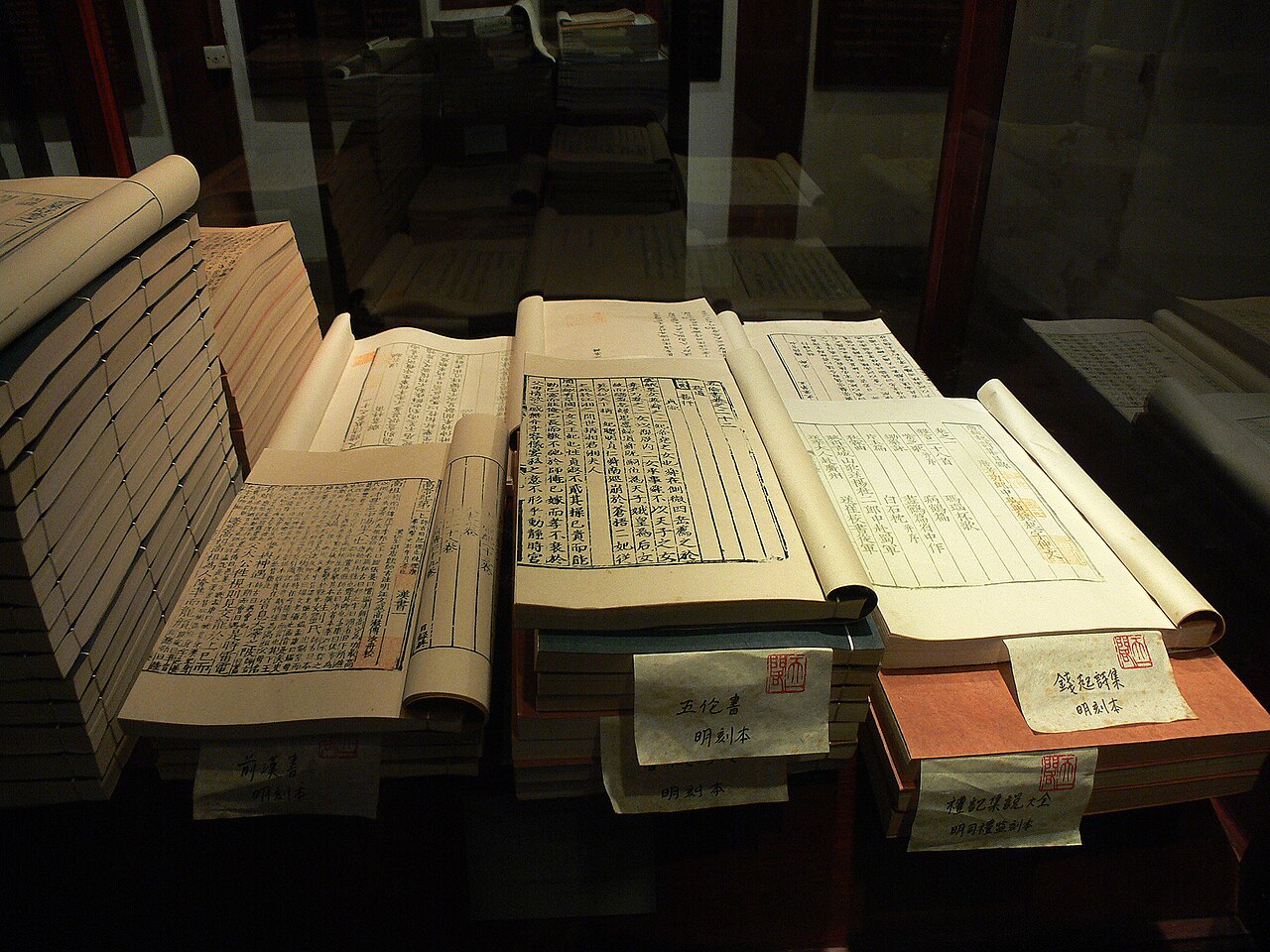
Book of Han
Ban Gu (with Ban Zhao and Ban Biao) · finished 111 CE
 Artifact
Primary source
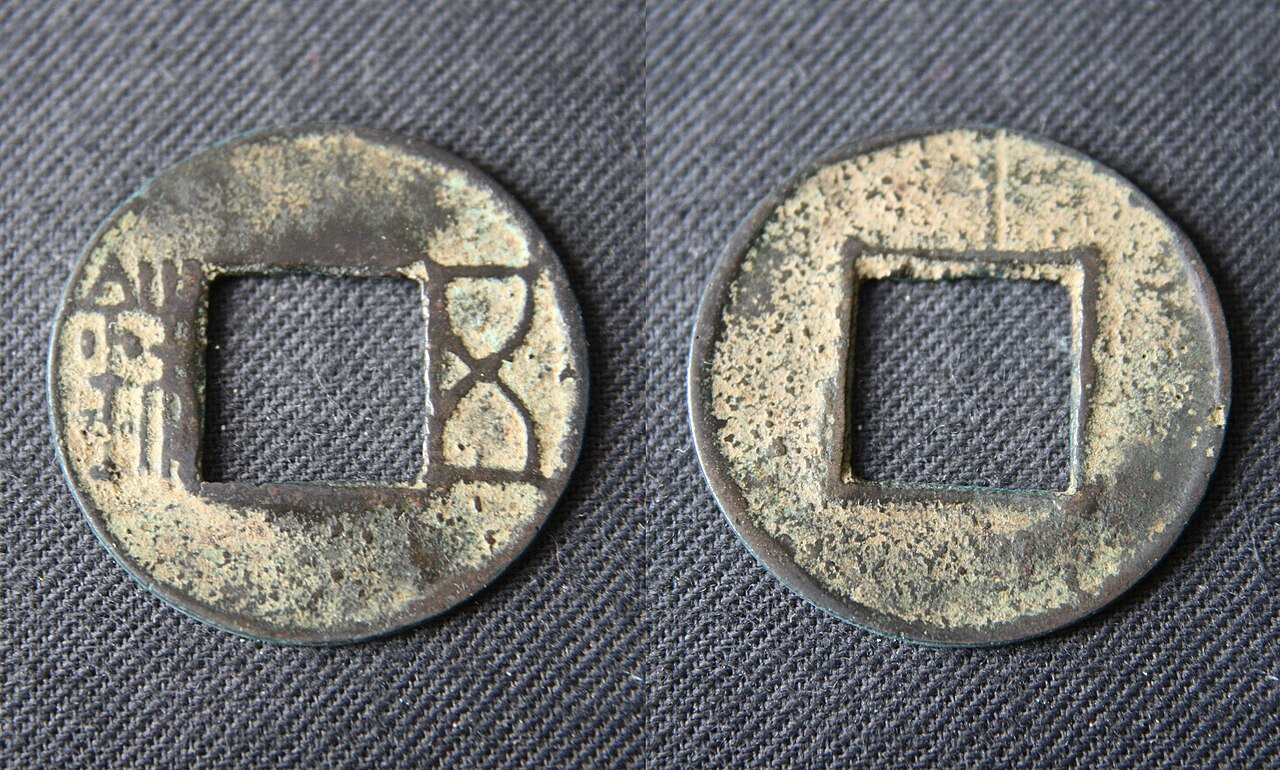
Han Wu Zhu Coin of Emperor Wu
after 118 BCE

Free account
Read every Emperor Wu of Han source
Sign up free →
Ready when you are
Start chatting with Emperor Wu of Han now.
20 messages free · No credit card · Available in 50+ languages.