


Secondary sourcePainting1899
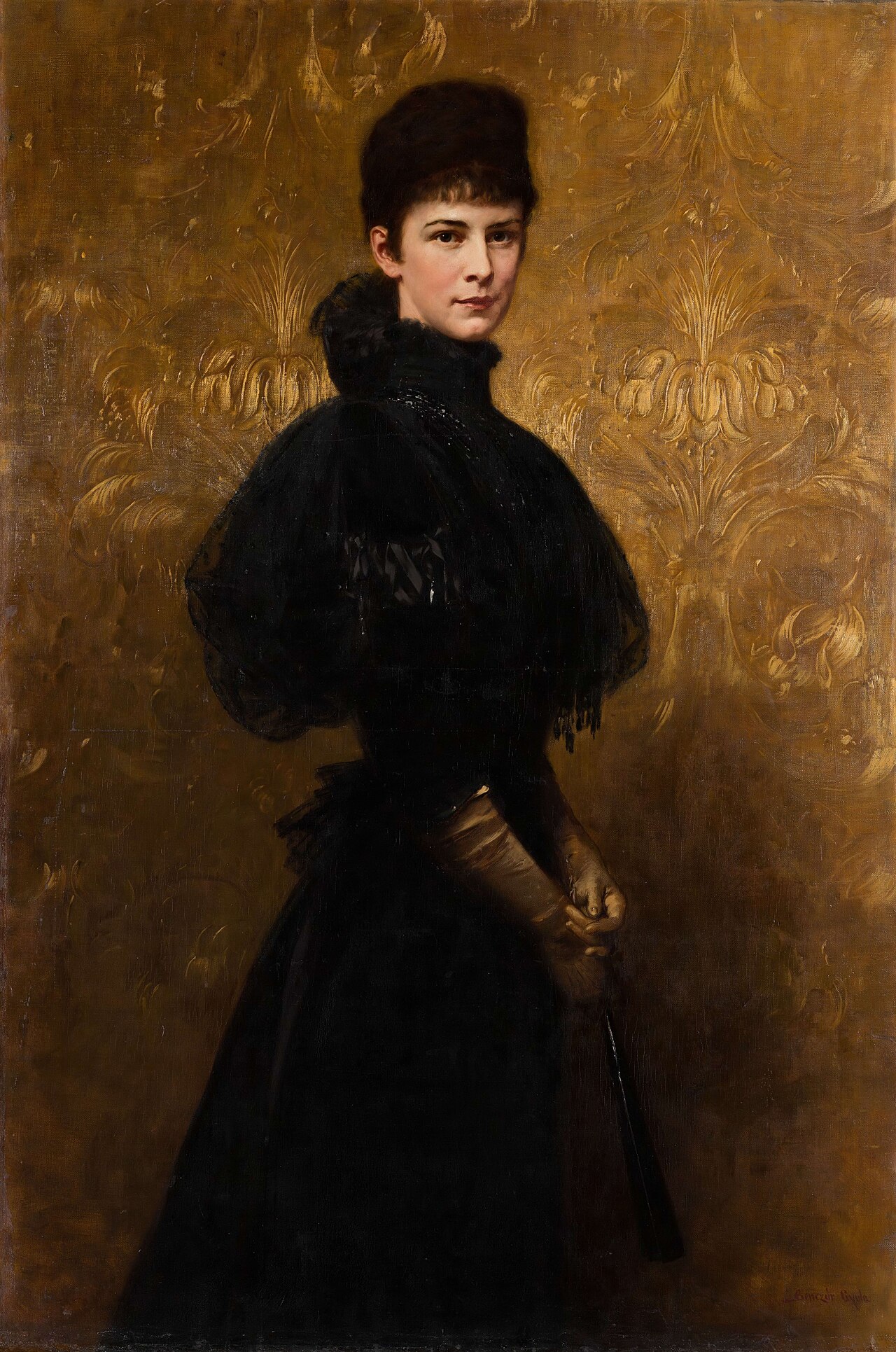
Portrait of Empress Elisabeth
Gyula Benczúr · 1899
A mourning portrait painted in 1899 that became a key image in the Hungarian cult of memory around Empress Elisabeth.
A memorial portrait central to the Hungarian public mourning cult that formed around Elisabeth after her death.
About this source
What it is
An oil painting by Gyula Benczúr, created in 1899, showing Elisabeth in a black mourning dress with lace, a fur-trimmed hat, a fan, and gloves, against a gold damask background. It is held by the Hungarian National Museum.
Why it matters
Painted shortly after Elisabeth's death, this portrait helped build the "Erzsébet cult" — the strong popular devotion to her memory in Hungary, where she was widely admired. It shows how quickly an idealized, mournful image of the empress spread after she died.
Look closer
- What mood does the black clothing and dark colors create?
- Why might Hungarians in particular have wanted such a portrait of Elisabeth?
- How does this image differ from how Elisabeth might have wanted to be seen while alive?
This painting is part of the curated material that grounds the AI version of Empress Elisabeth of Austria on Humy.ai — when students ask about related events, the AI can quote it and cite it.
More Empress Elisabeth of Austria sources
Browse all 98 →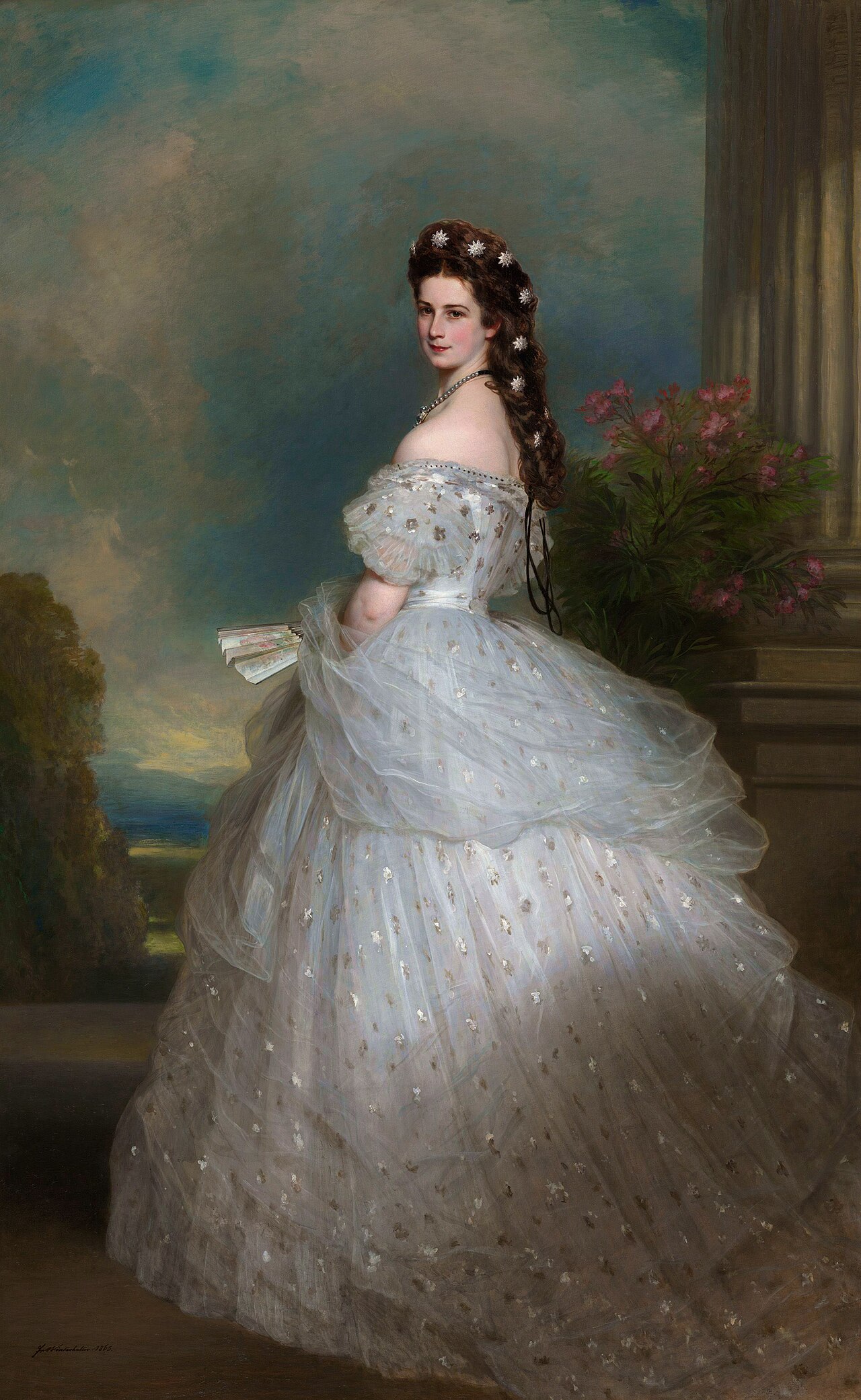 Painting
Primary source
Empress Elisabeth of Austria in Courtly Gala Dress with Diamond Stars
Franz Xaver Winterhalter · 1865
 Painting
Primary source
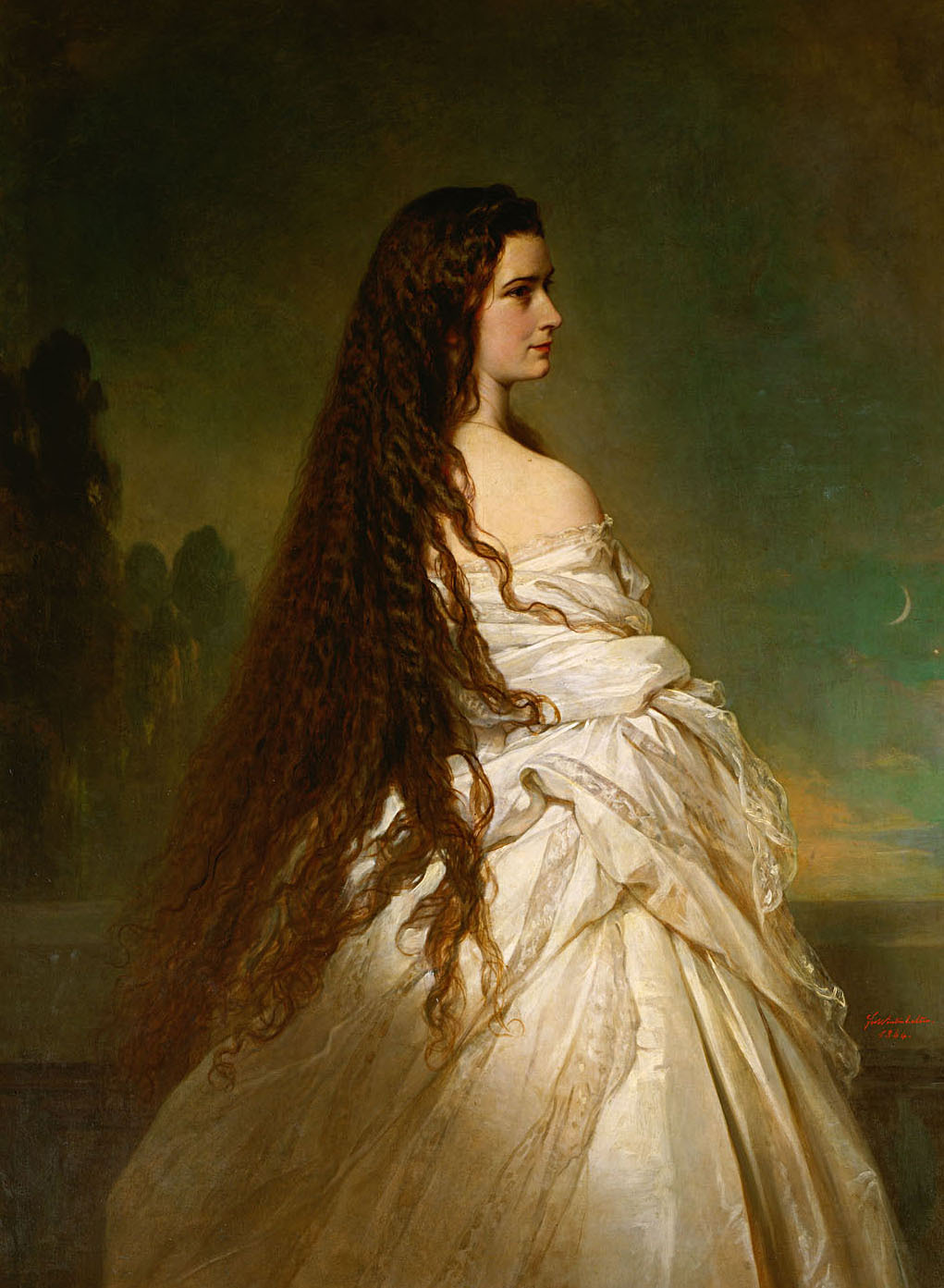
Empress Elisabeth of Austria with loosened hair, knee piece
Franz Xaver Winterhalter · 1864
 Painting
Primary source
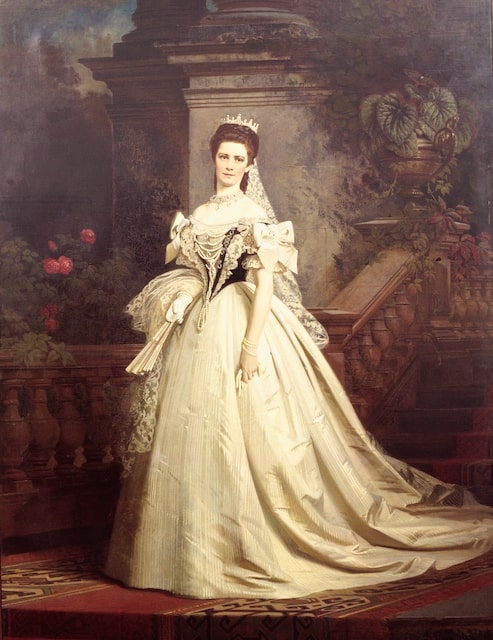
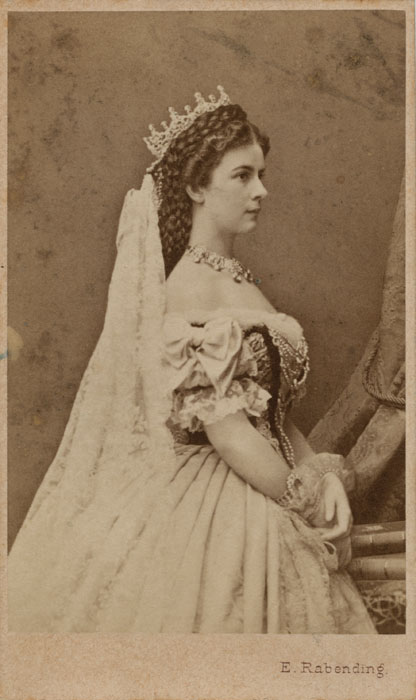
Queen Elisabeth in coronation dress
Alexander von Wagner · 1867
 Artifact
Primary source
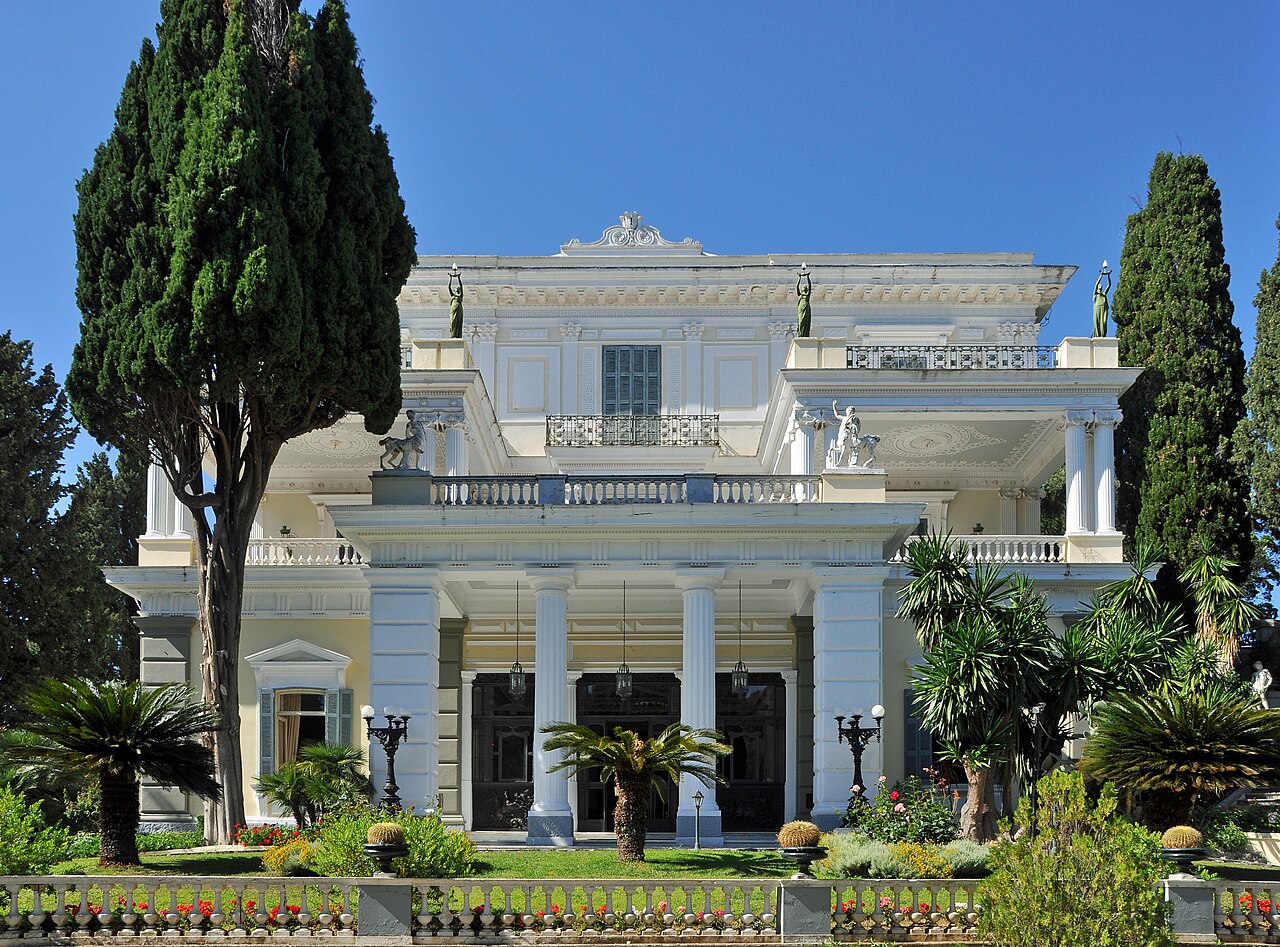
Achilleion
1890
Free account
Read every Empress Elisabeth of Austria source
Sign up free →
Ready when you are
Start chatting with Empress Elisabeth of Austria now.
20 messages free · No credit card · Available in 50+ languages.