


Primary sourcePainting1833
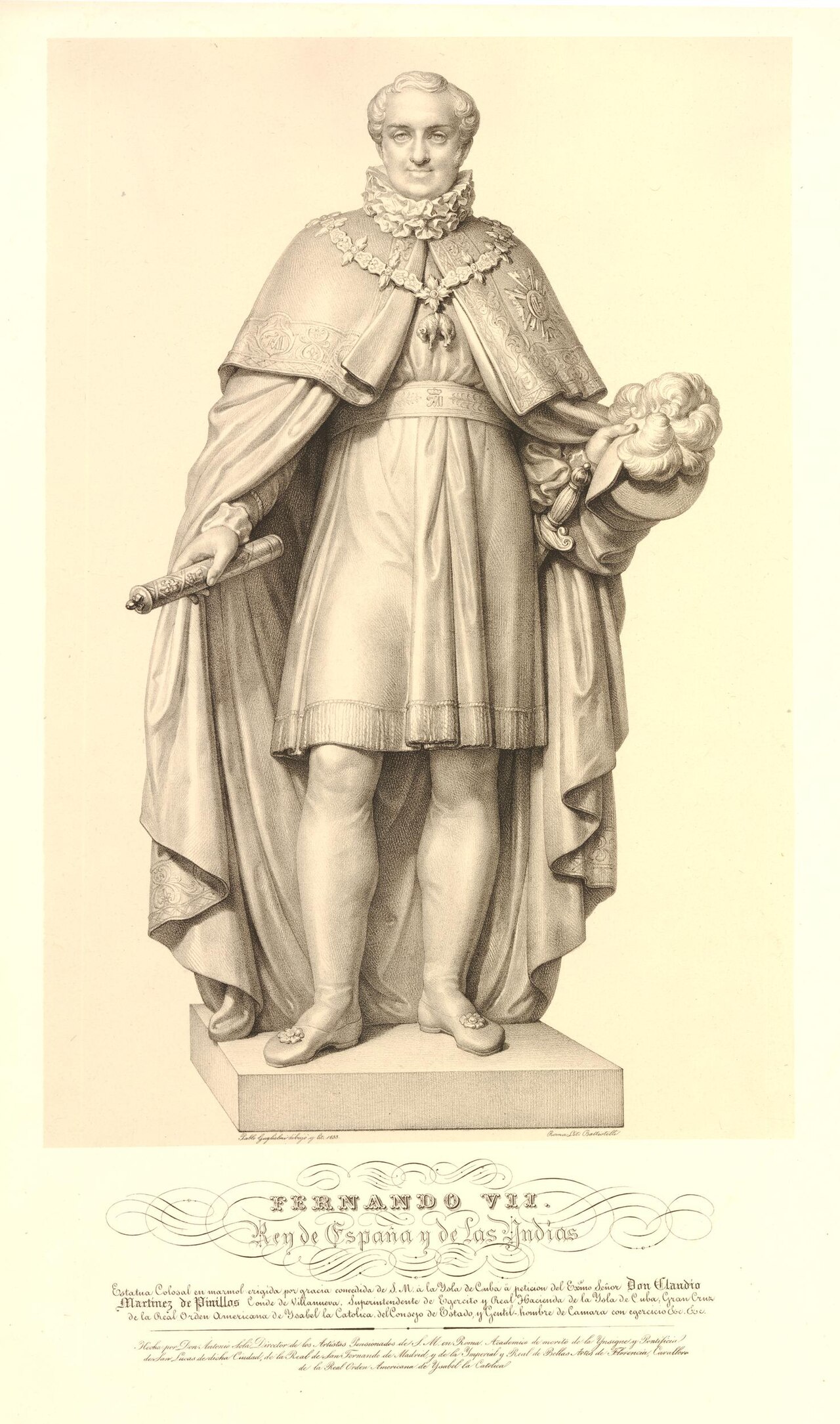
Portrait of Ferdinand VII after Antonio Solá
Pablo Guglielmi, after Antonio Solá · 1833
A lithograph reproducing a sculpted portrait of Ferdinand VII, made in 1833 to spread his image after Antonio Solá's statue.
This print reproduces a sculpted image of Ferdinand VII, showing how his likeness was circulated to the public.
About this source
What it is
This lithograph, made by Pablo Guglielmi after a sculpture by Antonio Solá, dates from 1833 and is held by the British Museum. It shows Ferdinand VII standing full-length, wearing the ensign of the Order of the Golden Fleece, holding a plumed hat and a sceptre.
Why it matters
This print reproduced a sculpted image of the king for wider public viewing, showing how royal portraits moved between media — from statue to print — so that more people could see and own an image of their monarch. It reflects the importance of royal image-making in reinforcing Ferdinand VII's authority.
Look closer
- Why might a sculpture be turned into a print for a wider audience?
- What symbols of royal power (such as the sceptre or Golden Fleece) can you identify in the image?
- What might this formal pose tell us about how kings wanted to be seen?
This painting is part of the curated material that grounds the AI version of Ferdinand VII on Humy.ai — when students ask about related events, the AI can quote it and cite it.
More Ferdinand VII sources
Browse all 94 →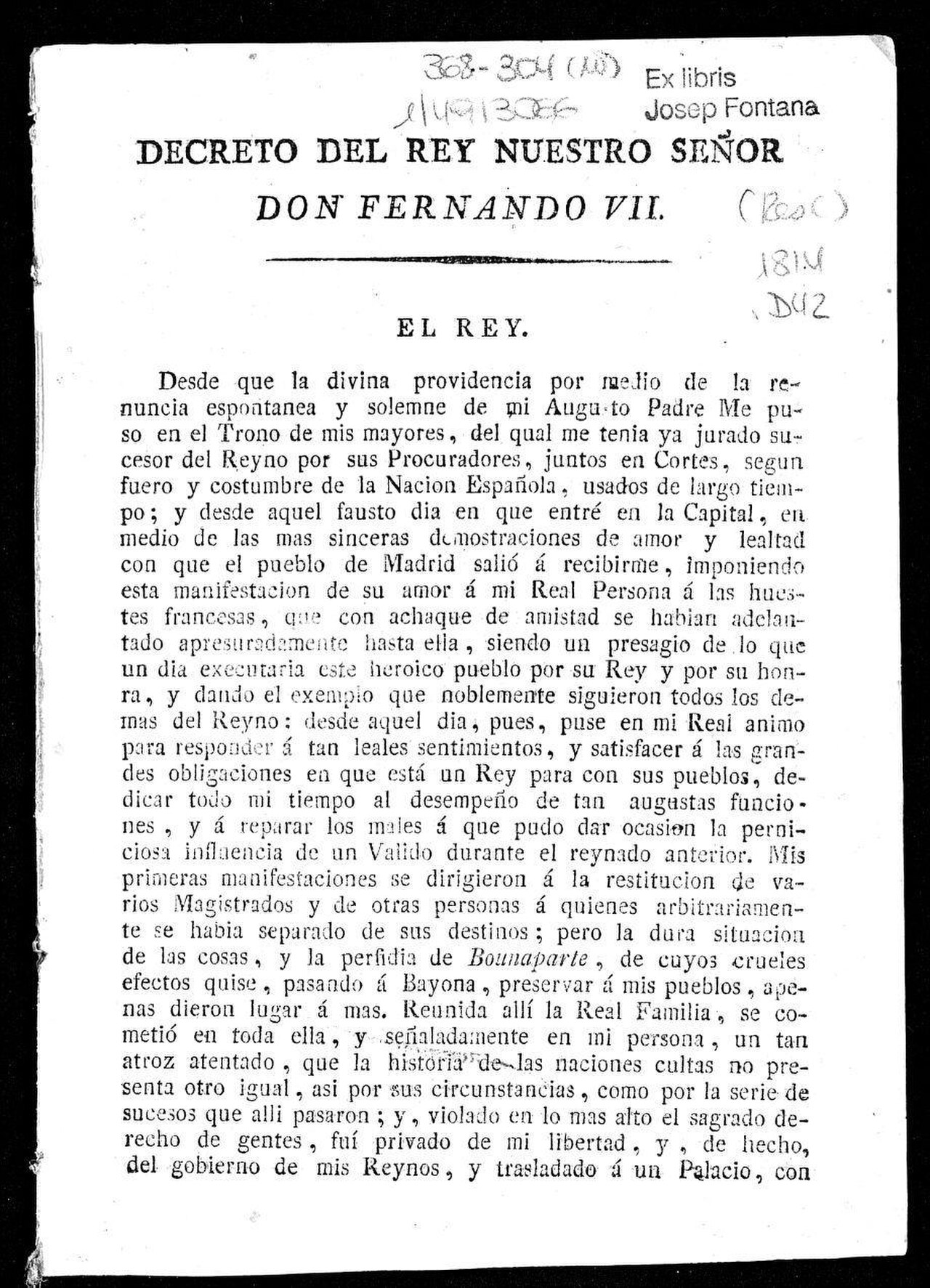 Document
Primary source
Decree Abolishing the Constitution of 1812
Ferdinand VII of Spain · 4 May 1814
Primary source
Pragmatic Sanction of 1830
Ferdinand VII of Spain · 29 March 1830
 Painting
Primary source
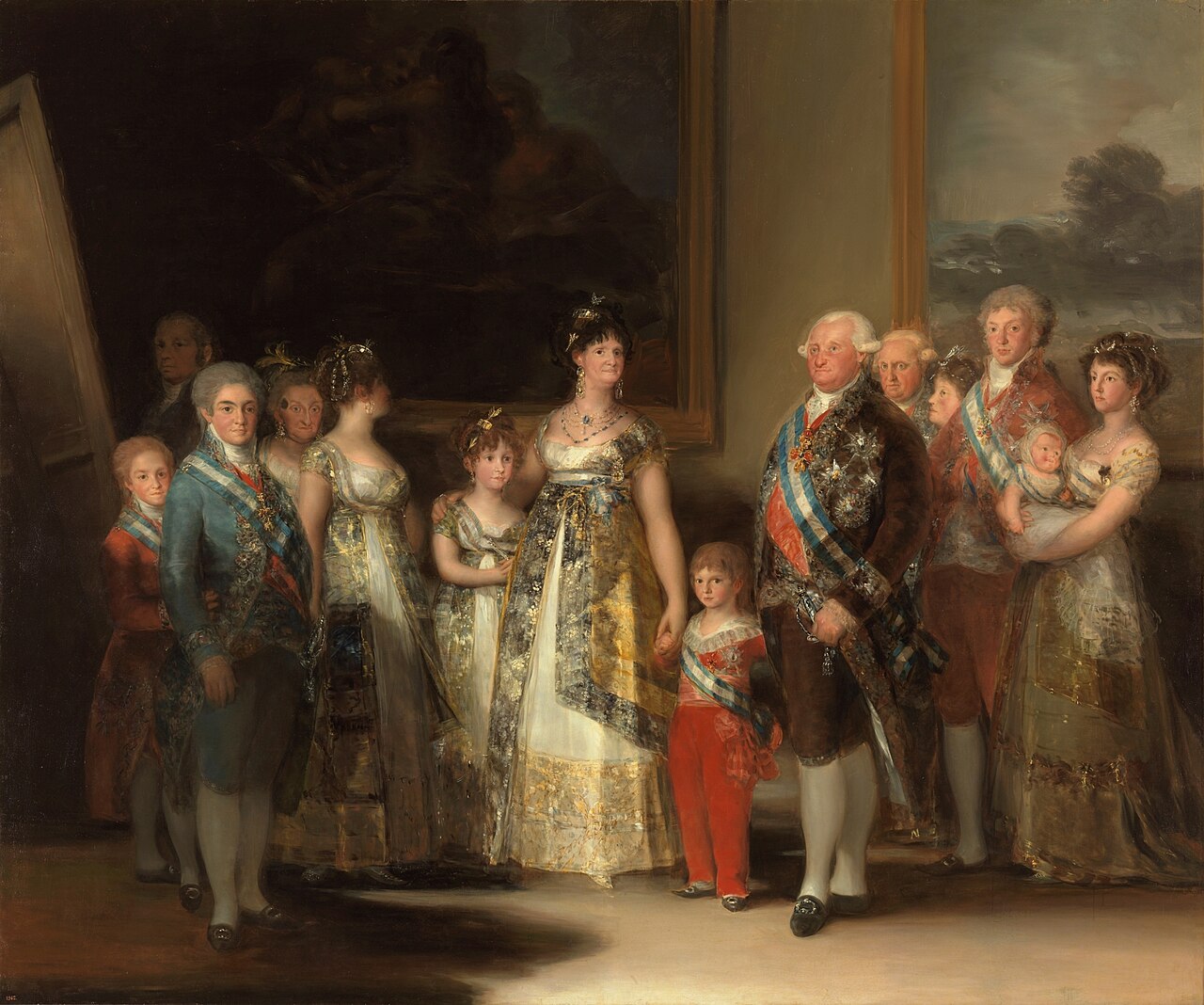
Charles IV of Spain and His Family
Francisco Goya · 1800-1801
 Painting
Primary source
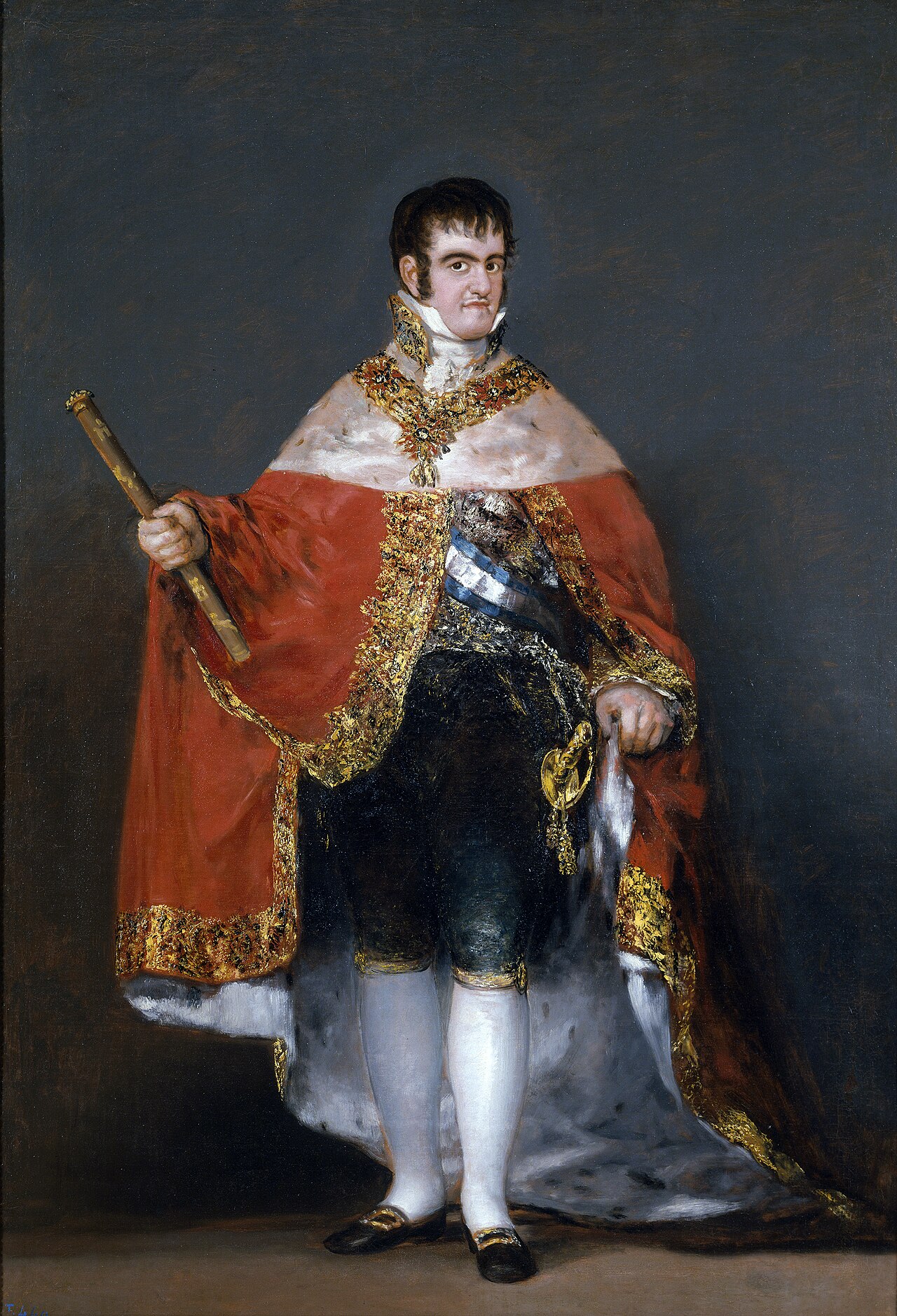
Ferdinand VII in Court Dress
Francisco Goya · 1814-1815
Free account
Read every Ferdinand VII source
Sign up free →
Ready when you are
Start chatting with Ferdinand VII now.
20 messages free · No credit card · Available in 50+ languages.