


Primary sourcePainting1763
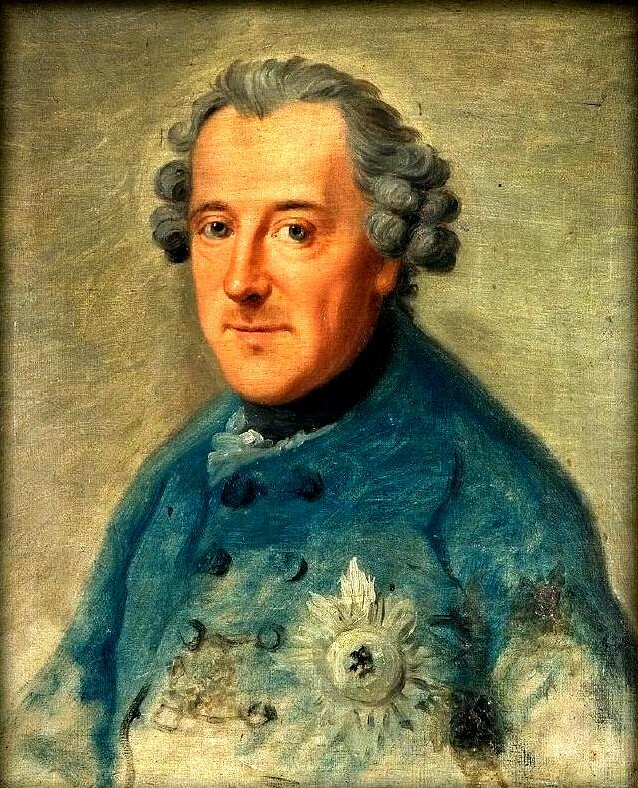
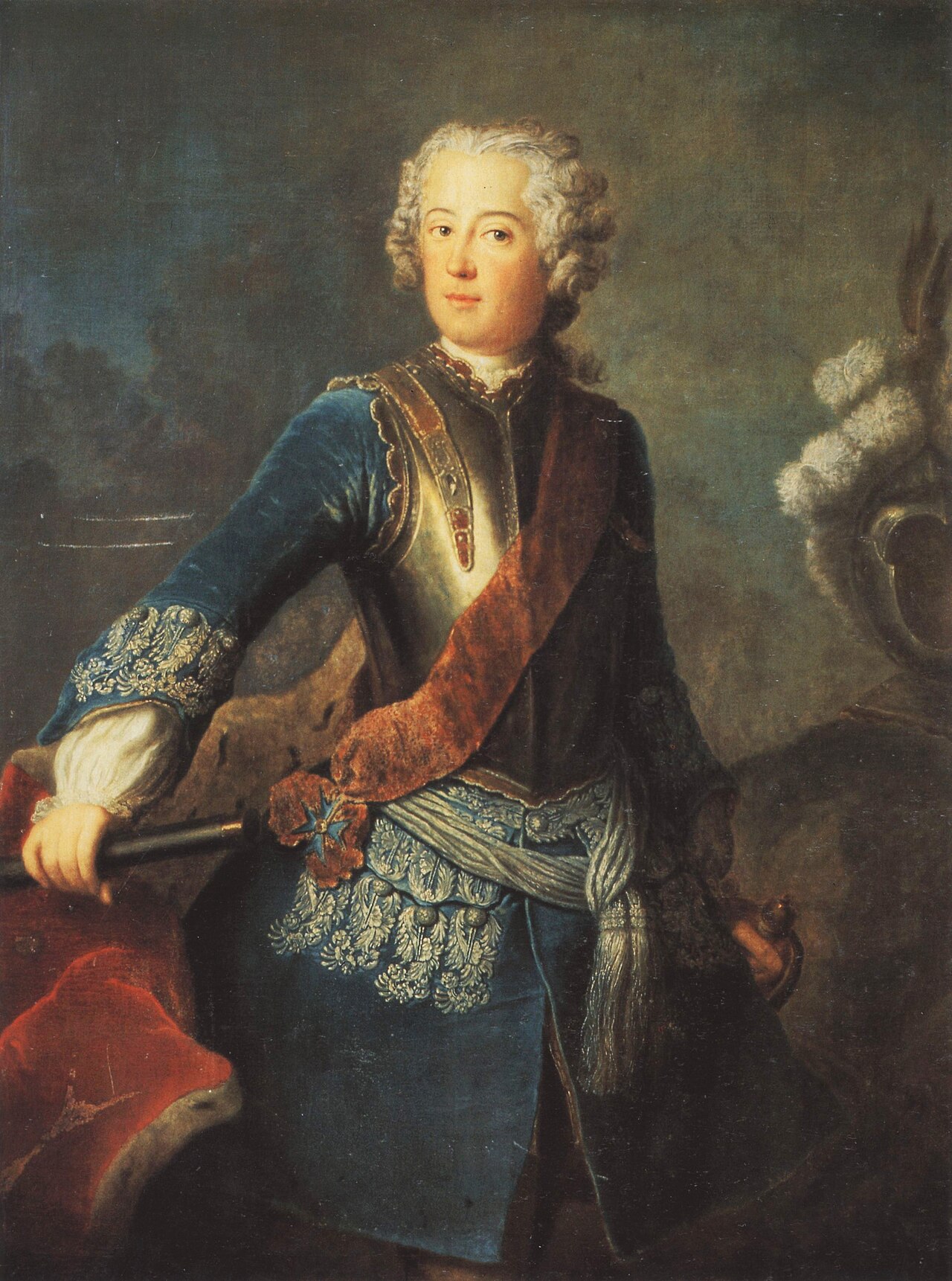
Portrait of Frederick II of Prussia
Johann Georg Ziesenis · 1763
A 1763 portrait believed to be painted from life, showing Frederick shortly after the Seven Years' War.
This portrait, possibly painted from life, shows Frederick as king just after the Seven Years' War, though it may idealize his real appearance.
About this source
What it is
This oil portrait was painted in 1763 by Johann Georg Ziesenis, possibly during sittings at Castle Salzdahlum, the summer residence of Frederick's sister, Duchess Philippine Charlotte of Brunswick-Wolfenbüttel, who commissioned it. It shows the king in a blue coat wearing a star-shaped order badge.
Why it matters
Long claimed to be the only portrait for which Frederick ever sat during his reign, this belief is now doubted by historians. The idealized features contradict Frederick's own letters, in which he described himself as thin and grey after the war, suggesting the painter softened his appearance. Copies were made for the Duchess and for King George III of Great Britain. It was recognized as German cultural heritage and could not leave the country after being sold in 2009.
Look closer
- Why might an artist idealize a ruler's appearance rather than paint him exactly as he looked?
- How does Frederick's own description of himself compare with what you see in the painting?
- Why would a portrait of a king be copied and sent to other royal families?
This painting is part of the curated material that grounds the AI version of Frederick the Great on Humy.ai — when students ask about related events, the AI can quote it and cite it.
More Frederick the Great sources
Browse all 86 → Artifact
Primary source
Sanssouci Palace
Georg Wenzeslaus von Knobelsdorff · 1745-1747
 Painting
Primary source
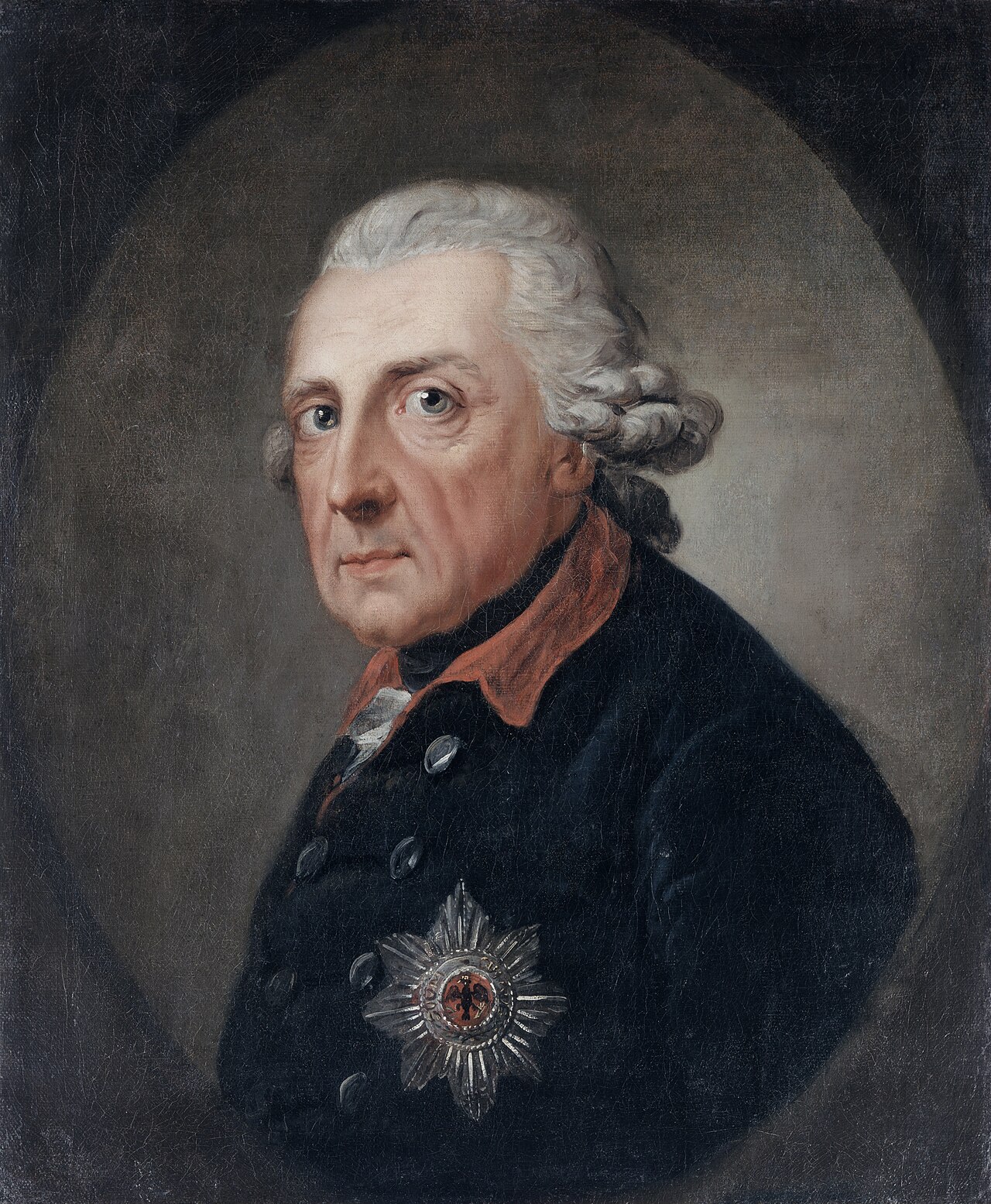
Portrait of Frederick II of Prussia
Anton Graff · 1781 or 1786
 Painting
Secondary source
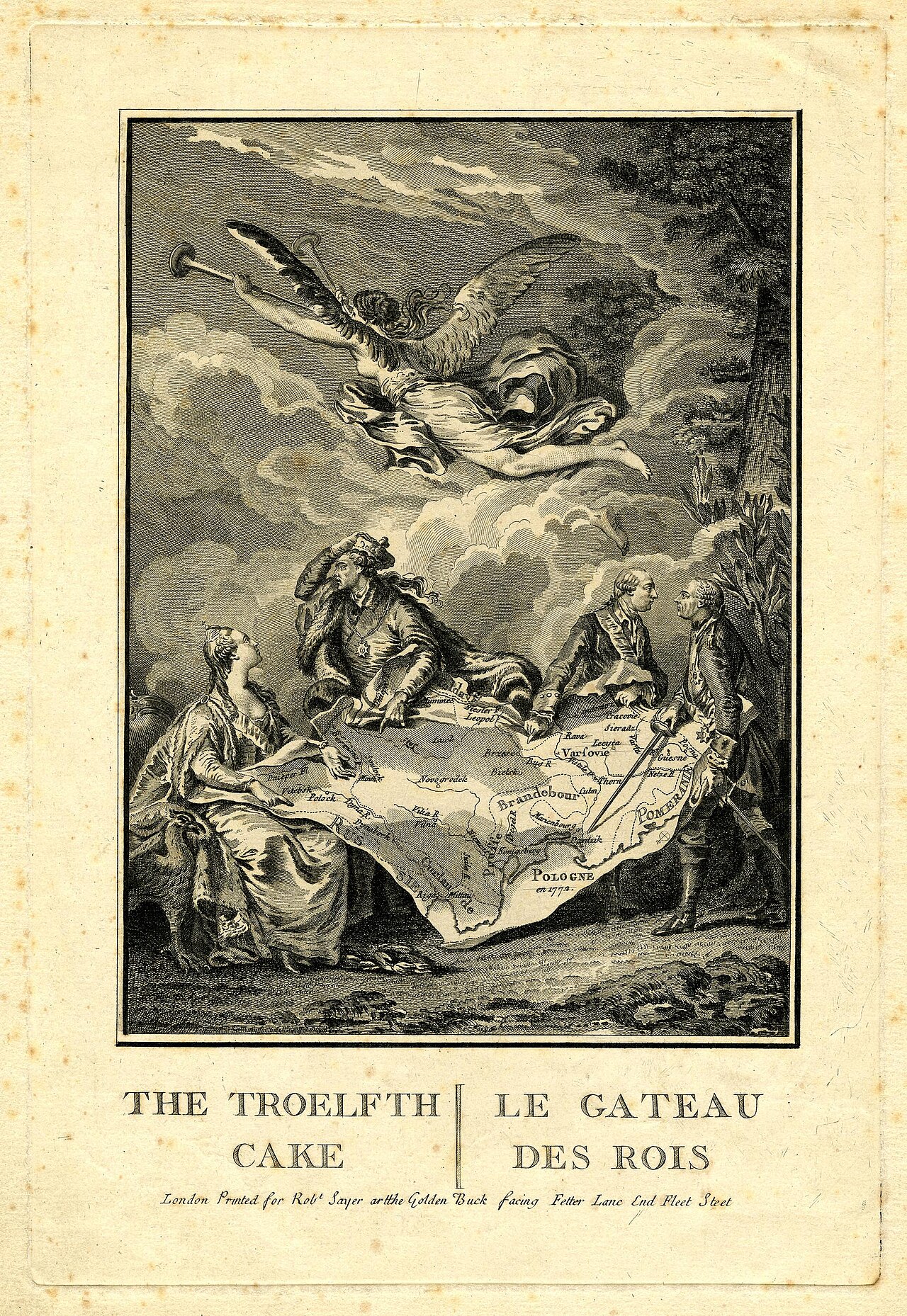
The Troelfth Cake
Noël Le Mire after Jean-Michel Moreau · 1772-1773
 Book
Primary source
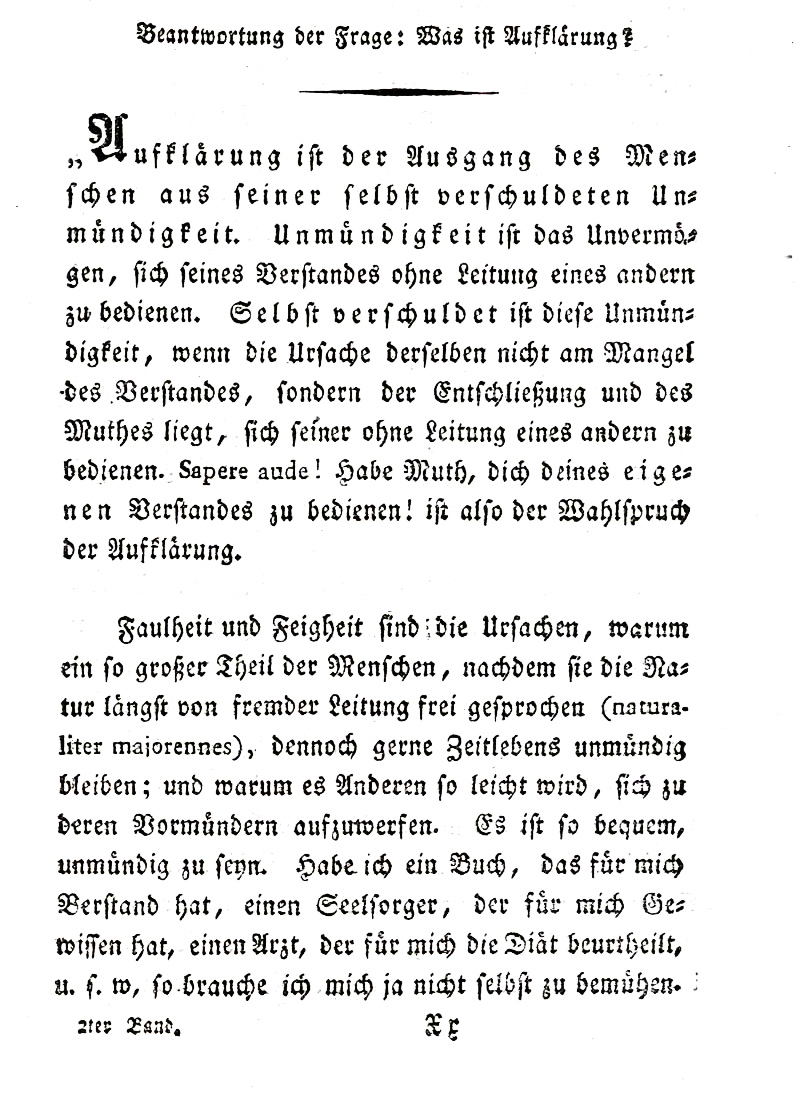
Answering the Question: What Is Enlightenment?
Immanuel Kant · 1784
Free account
Read every Frederick the Great source
Sign up free →
Ready when you are
Start chatting with Frederick the Great now.
20 messages free · No credit card · Available in 50+ languages.