


Primary sourcePainting1888
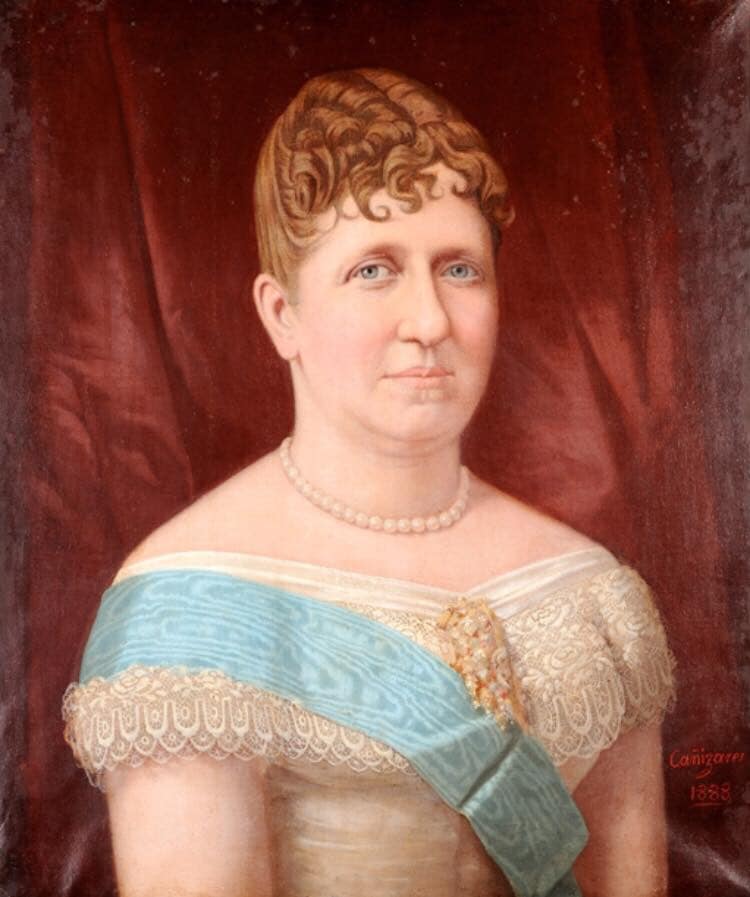
Portrait of Isabel, Princess of Brazil
Miguel Navarro Cañizares · 1888
A painting of Isabel from 1888, the year she signed the law abolishing slavery in Brazil.
This portrait of Isabel dates from 1888, the year she signed the Lei Áurea abolishing slavery.
About this source
What it is
This oil portrait of Princess Isabel was painted in 1888 by Miguel Navarro Cañizares, signed and dated at the lower right.
Why it matters
The portrait dates from the year Isabel signed the Lei Áurea, the law that abolished slavery in Brazil. Formal portraits like this were part of how the monarchy presented its leaders to the public during major political moments.
Look closer
- What does her clothing and jewelry suggest about her status and the occasion?
- Why might an artist create a formal portrait in a year of major political change?
- What does the portrait not reveal about the events happening in Brazil at this time?
This painting is part of the curated material that grounds the AI version of Isabel, Princess Imperial of Brazil on Humy.ai — when students ask about related events, the AI can quote it and cite it.
More Isabel, Princess Imperial of Brazil sources
Browse all 97 →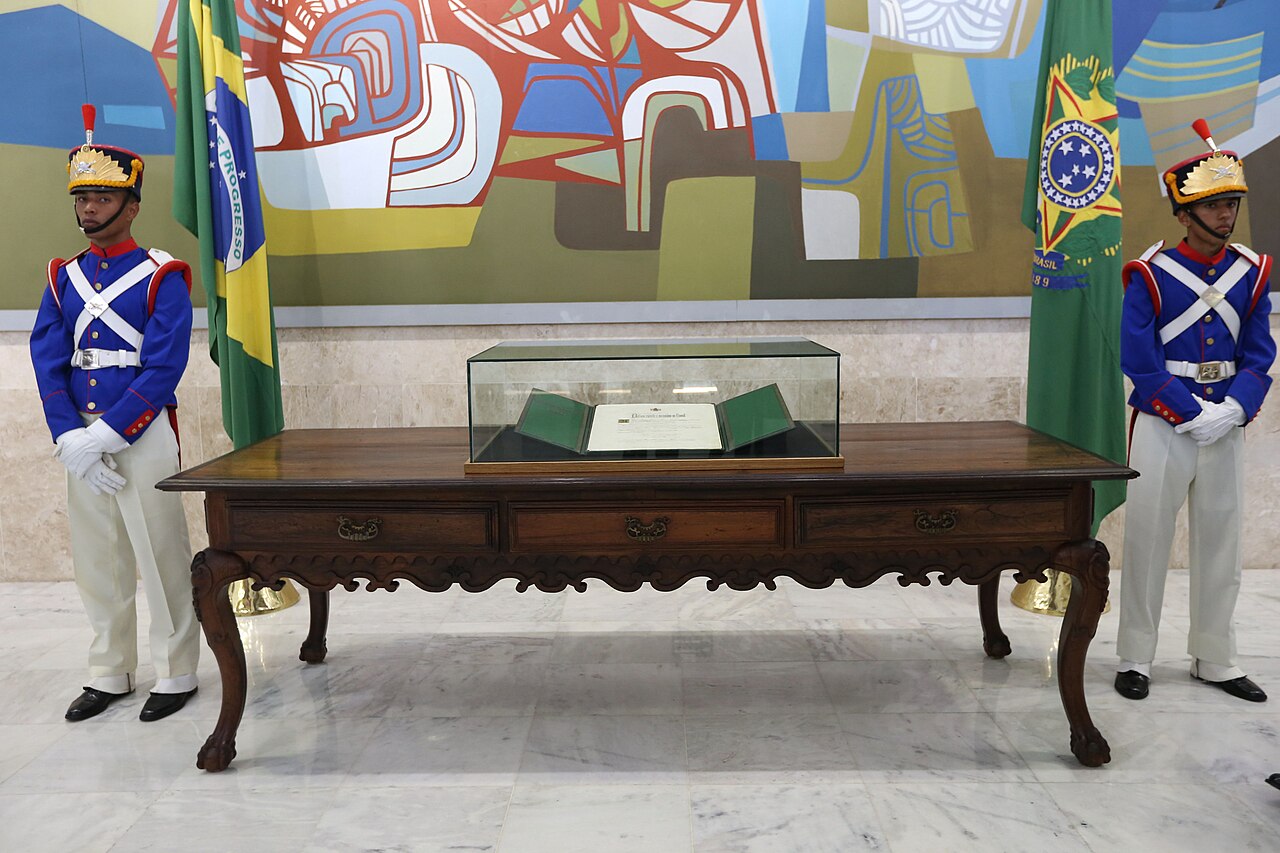 Document
Primary source
Lei Áurea (Golden Law)
Rodrigo Augusto da Silva · 13 May 1888
 Document
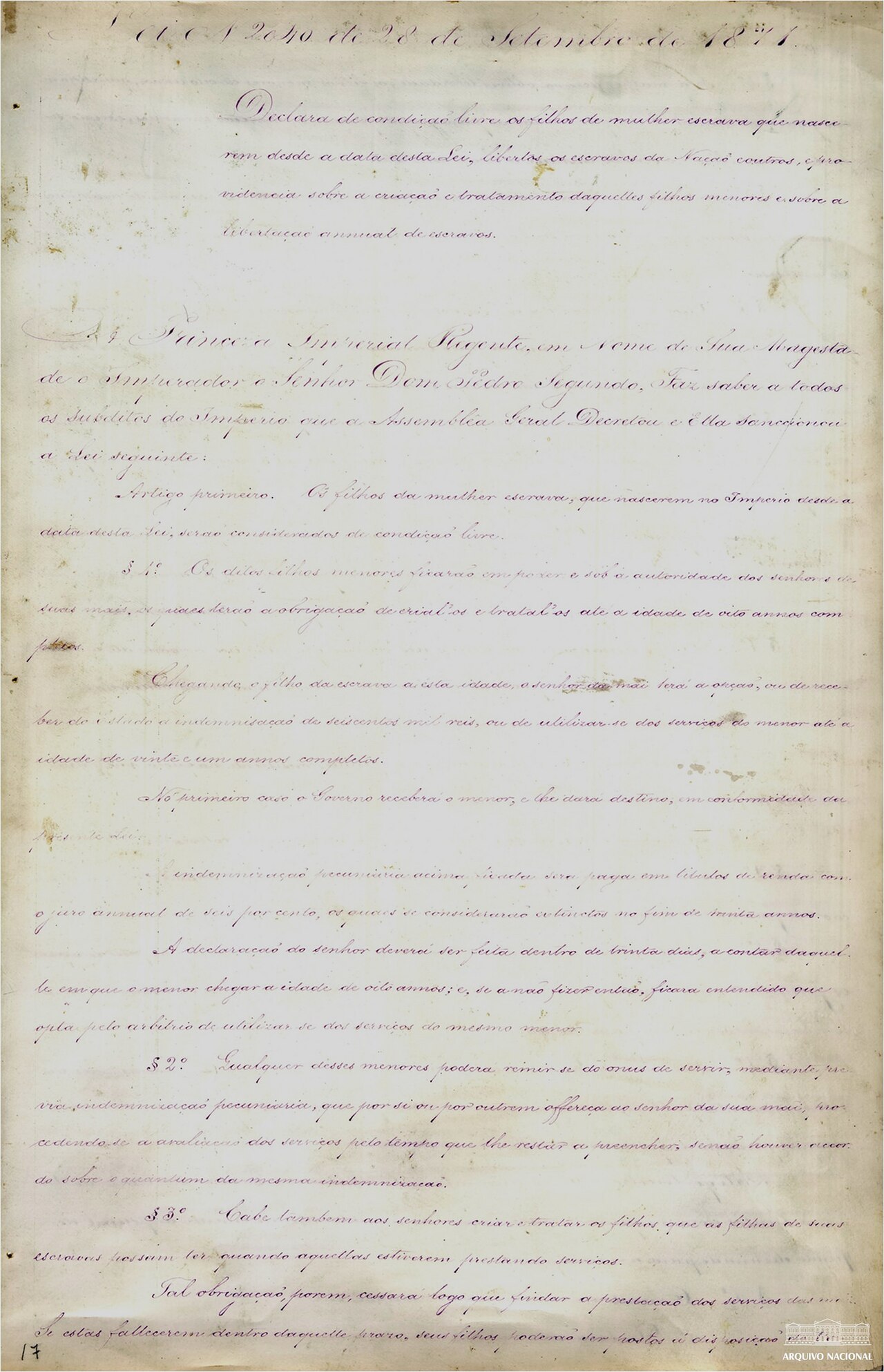
Primary source
Law of Free Birth
José Paranhos, Viscount of Rio Branco · 28 September 1871
 Photograph
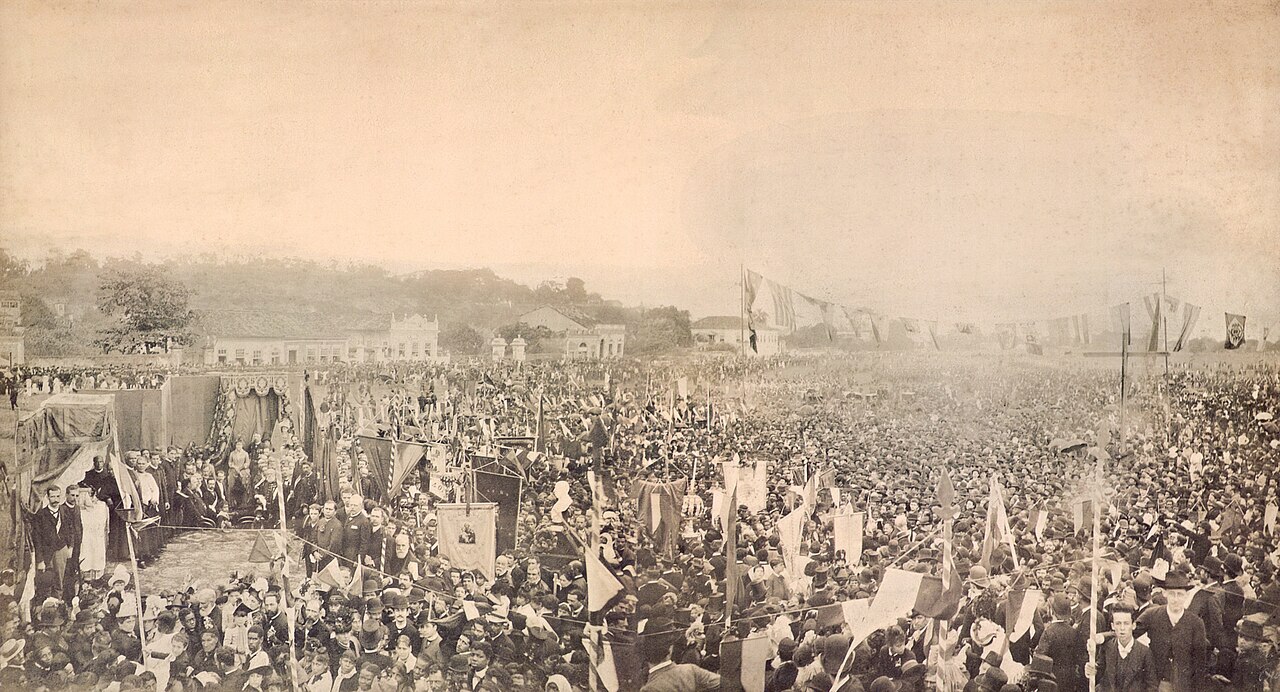
Primary source
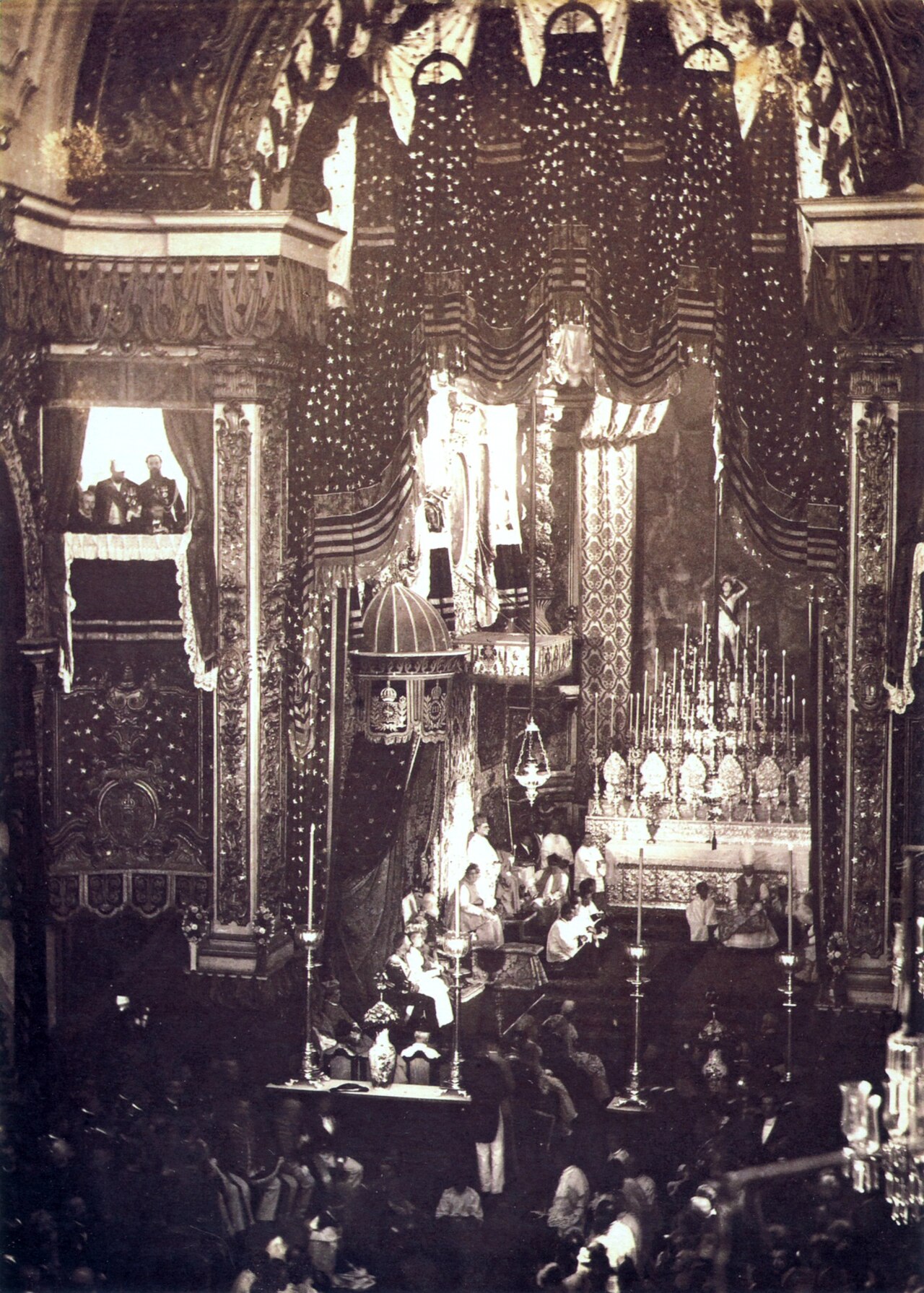
Missa 17 maio 1888
Antônio Luiz Ferreira · 17 May 1888
 Photograph
Primary source
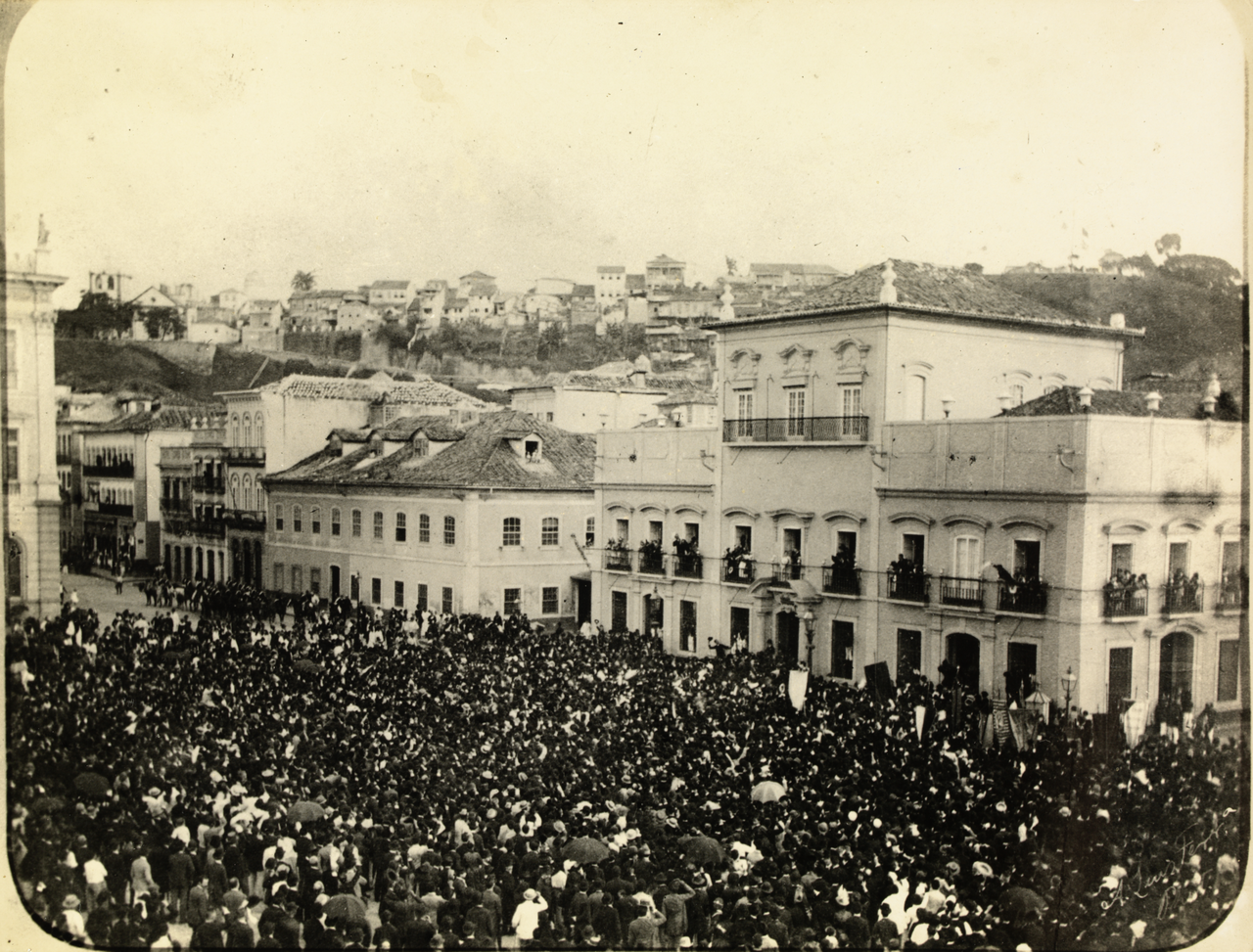
Abolition of Slavery by Princess Isabel of Brazil
Marc Ferrez · 1888
Free account
Read every Isabel, Princess Imperial of Brazil source
Sign up free →
Ready when you are
Start chatting with Isabel, Princess Imperial of Brazil now.
20 messages free · No credit card · Available in 50+ languages.