


Secondary sourcePaintingc. 1656-1658
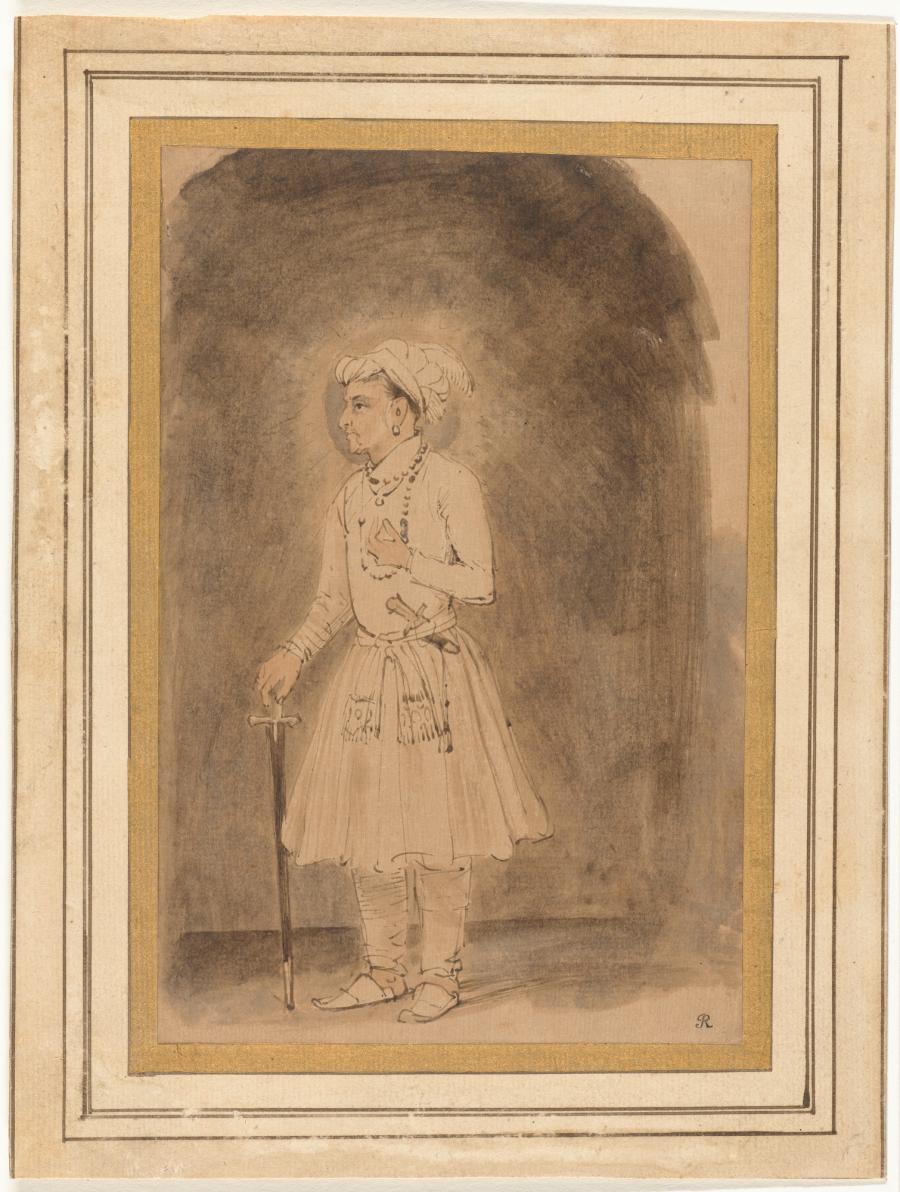
Portrait of Jahangir
Rembrandt · c. 1656-1658
A pen-and-ink drawing by the Dutch artist Rembrandt, made decades after Jahangir's death and based on Mughal models.
A later European drawing imagining Jahangir, made from Mughal models rather than from life.
About this source
What it is
This drawing, made by the Dutch artist Rembrandt around 1656-58, is held at the Rijksmuseum. Rembrandt made it long after Jahangir died, copying Mughal paintings or other models he had access to in Amsterdam.
Why it matters
This is a secondary source: it shows how images of Mughal rulers like Jahangir traveled to Europe and inspired artists who never visited India. It reveals European fascination with Mughal courts, filtered through Rembrandt's own style and imagination rather than firsthand observation.
Look closer
- How does this European drawing differ from a Mughal painting of Jahangir made at his own court?
- Why might Rembrandt have been interested in drawing a Mughal emperor he never met?
- What does this say about how images and ideas spread between distant regions in the 1600s?
This painting is part of the curated material that grounds the AI version of Jahangir I on Humy.ai — when students ask about related events, the AI can quote it and cite it.
More Jahangir I sources
Browse all 98 →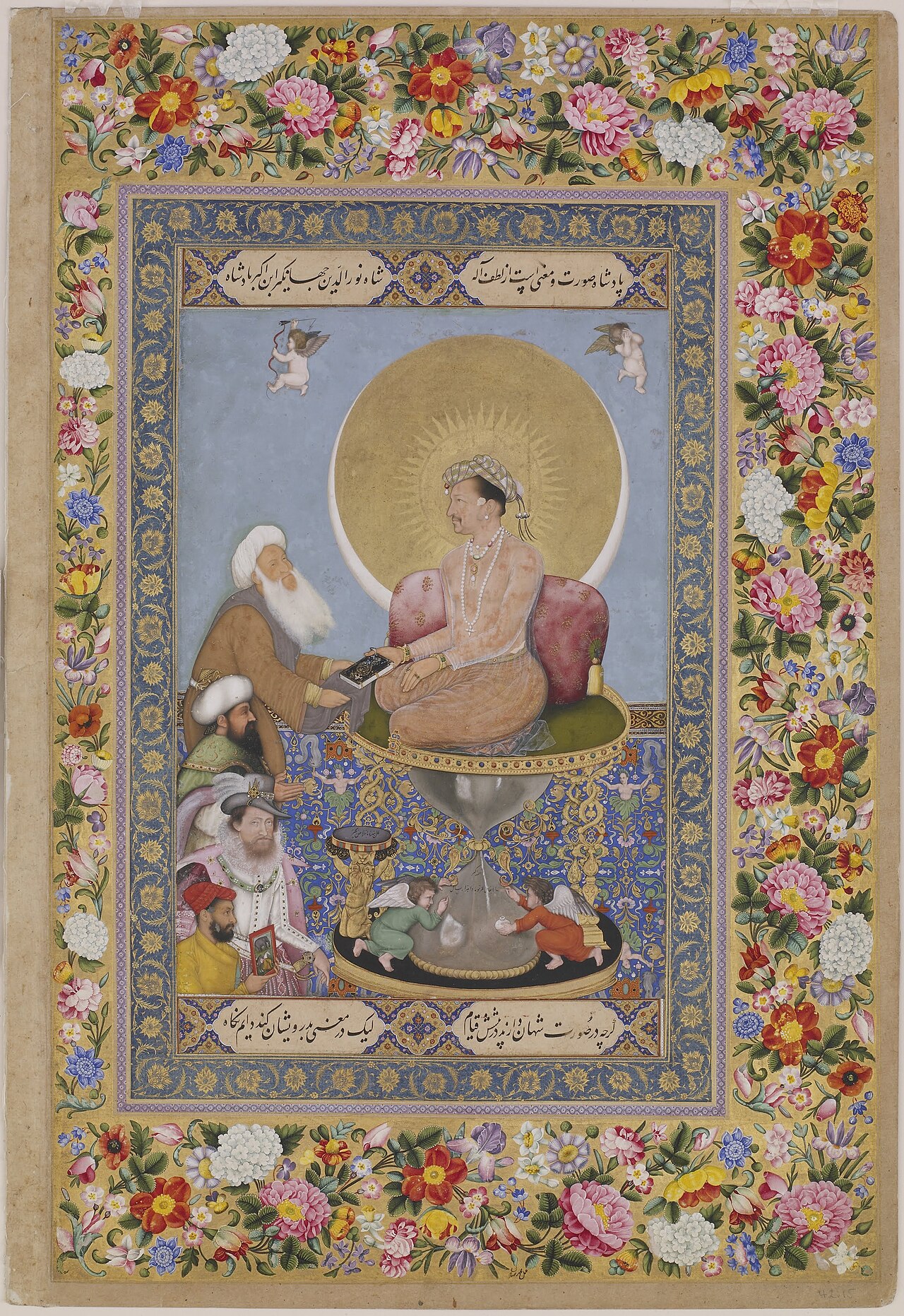 Painting
Primary source
Jahangir Preferring a Sufi Shaikh to Kings
Bichitr · c. 1615-1618
 Painting
Primary source
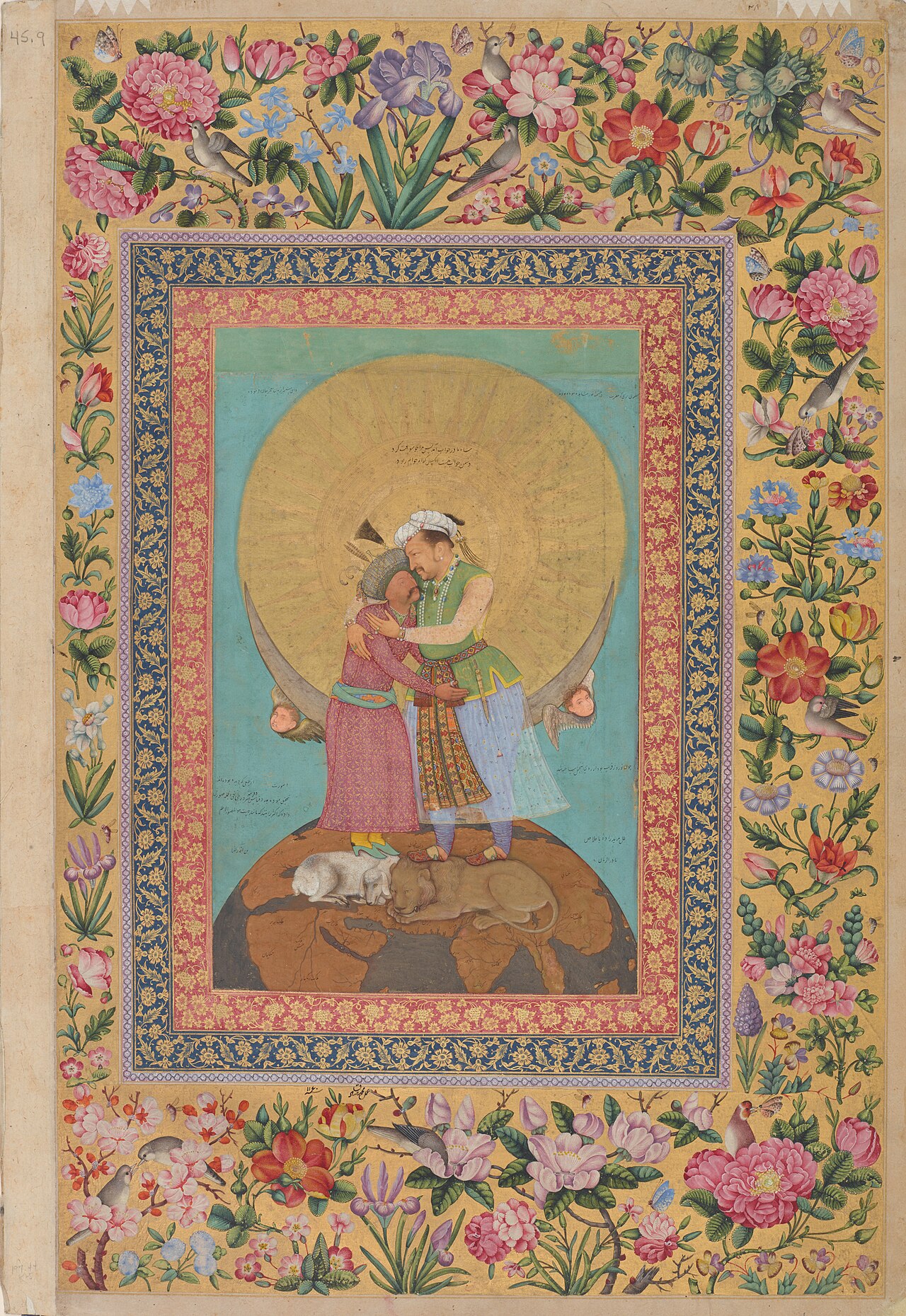
Jahangir Embracing Shah Abbas
Abu'l Hasan · c. 1618
 Painting
Primary source
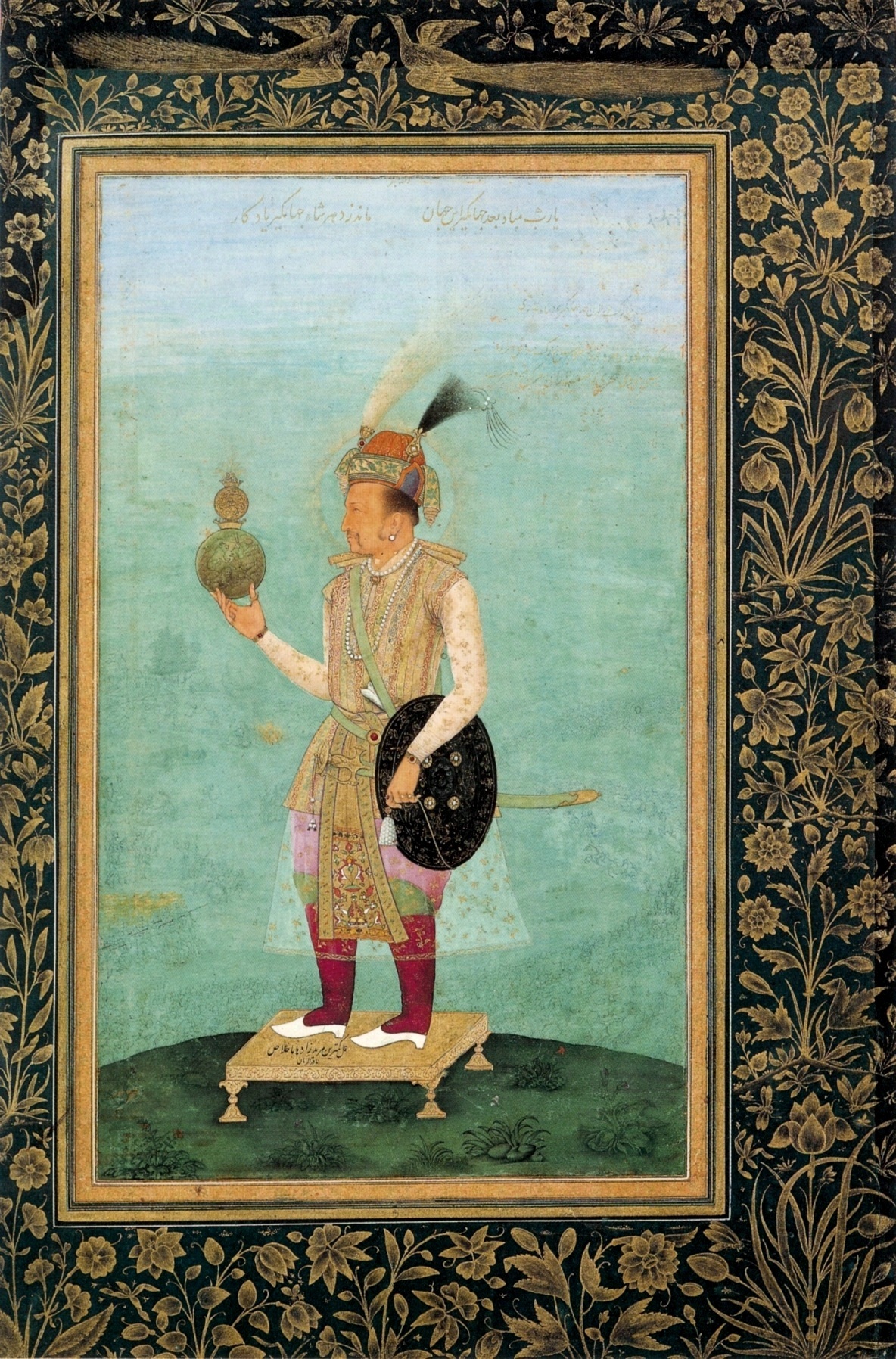
Jahangir Holding a Globe
Abu'l Hasan · c. 1620
 Painting
Primary source
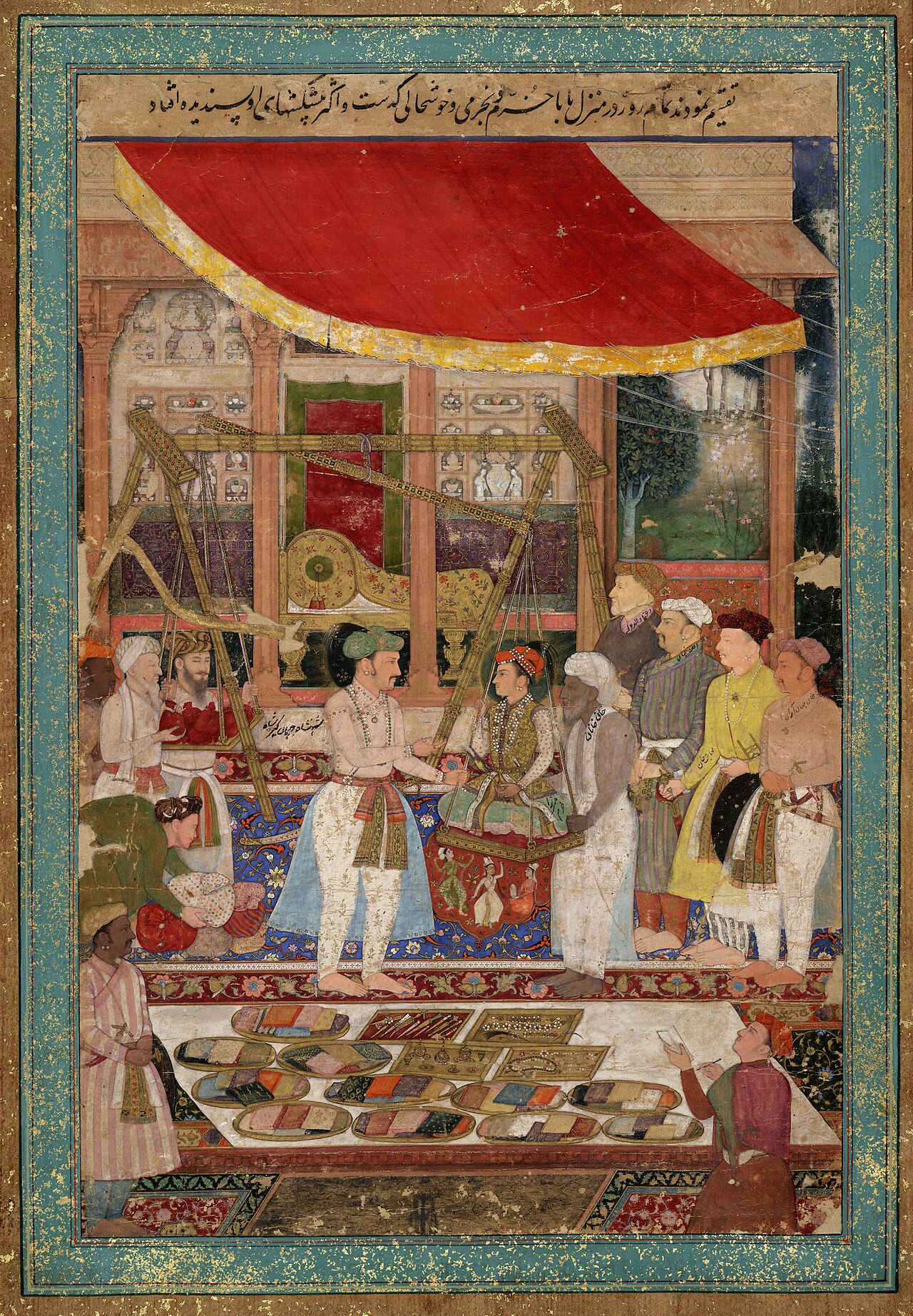
Jahangir Weighing Prince Khurram Against Gold and Silver
Manohar Das · c. 1610-1615
Free account
Read every Jahangir I source
Sign up free →
Ready when you are
Start chatting with Jahangir I now.
20 messages free · No credit card · Available in 50+ languages.