


Primary sourcePaintingca. 1620
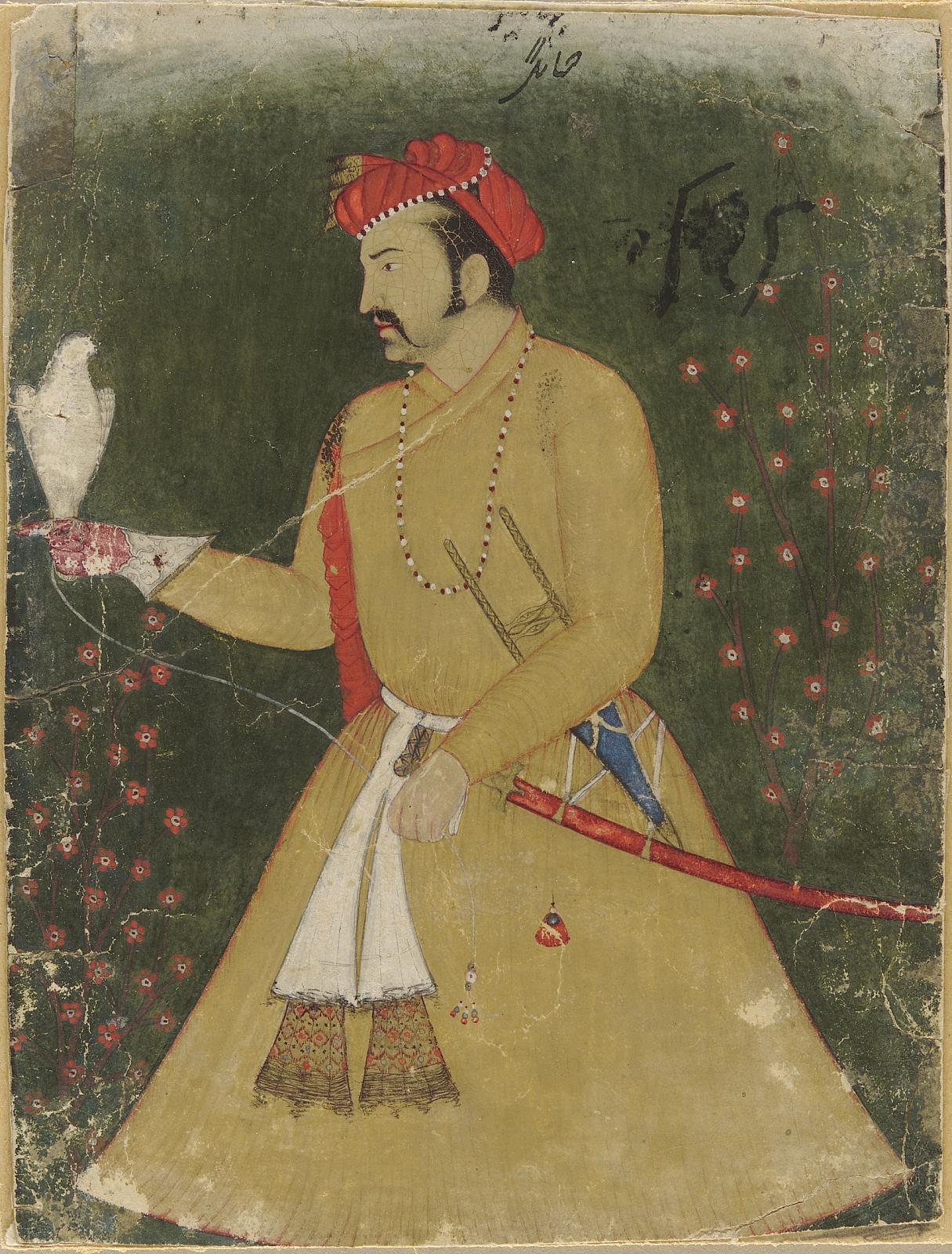
Portrait of Jahangir
Unidentified · ca. 1620
A Mughal painting from about 1620 showing Emperor Jahangir in profile holding a falcon, held by the Smithsonian American Art Museum.
This court portrait shows Jahangir as emperor, holding symbols of hunting and rule, from within his own reign.
About this source
What it is
This painting, made by an unidentified artist around 1620, shows Jahangir in profile wearing a red turban and yellow robe, holding a white falcon on his gloved hand, with a sword at his waist. It is held by the Smithsonian American Art Museum.
Why it matters
Painted during Jahangir's reign, this portrait reflects how Mughal emperors were shown with symbols of status and power, such as falcons used in hunting and a sword marking military authority. It is one of several surviving court portraits that shaped how later generations picture Jahangir.
Look closer
- Why do you think the artist chose to show the emperor in profile, with a falcon?
- What do the sword and the falcon together suggest about the qualities an emperor wanted to project?
- What parts of Jahangir's life and rule are left out of a single posed portrait like this?
This painting is part of the curated material that grounds the AI version of Jahangir I on Humy.ai — when students ask about related events, the AI can quote it and cite it.
More Jahangir I sources
Browse all 98 →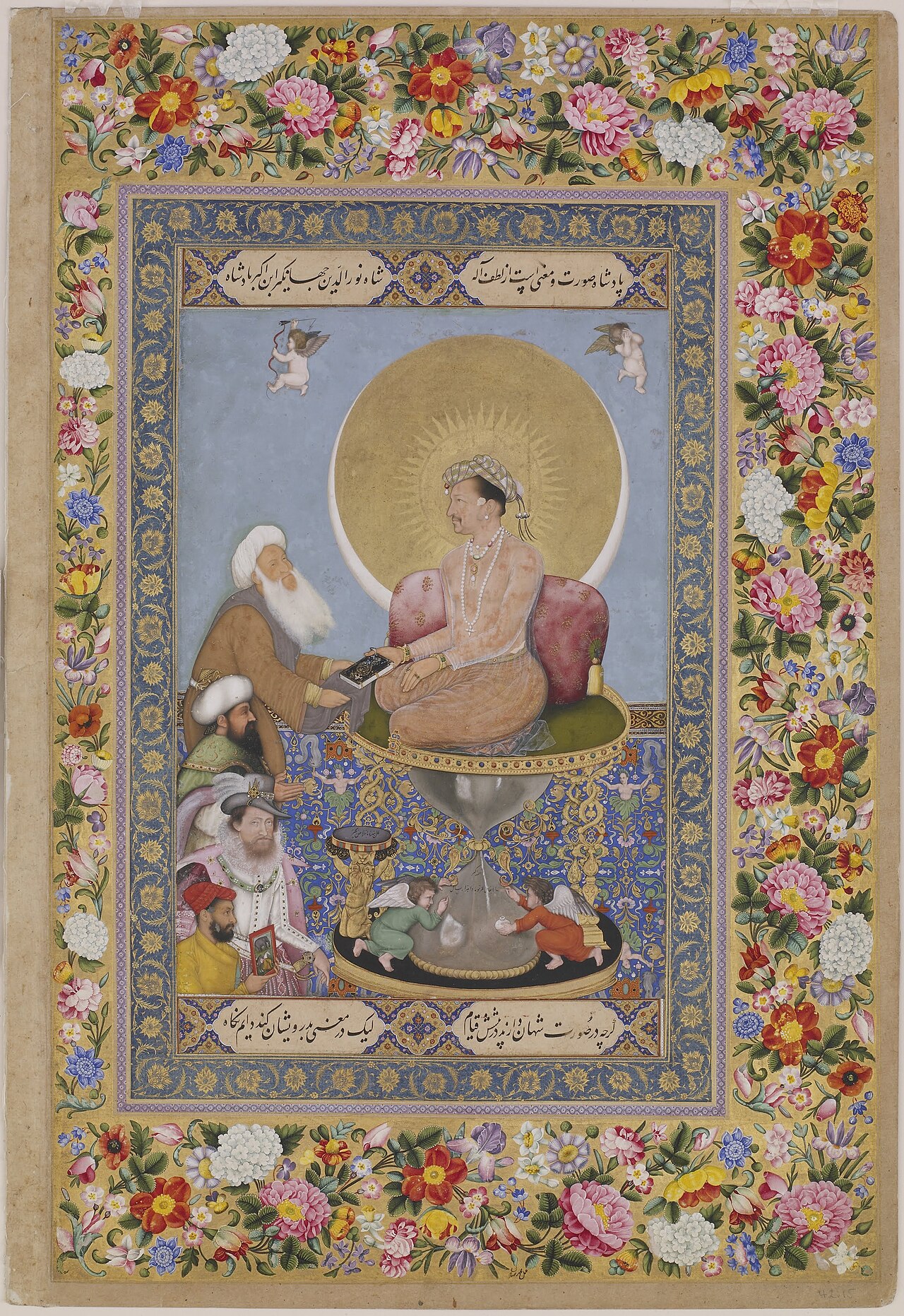 Painting
Primary source
Jahangir Preferring a Sufi Shaikh to Kings
Bichitr · c. 1615-1618
 Painting
Primary source
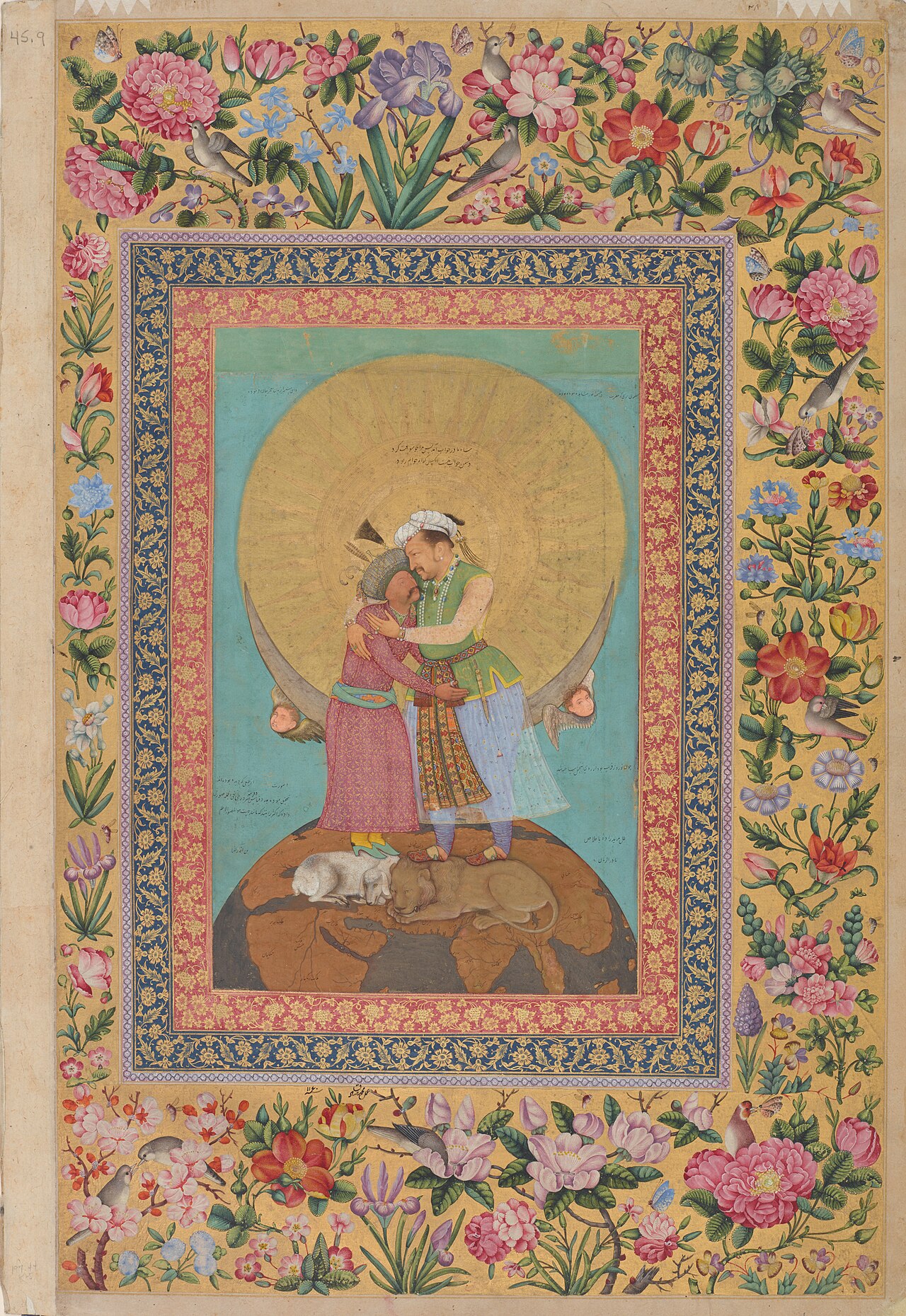
Jahangir Embracing Shah Abbas
Abu'l Hasan · c. 1618
 Painting
Primary source
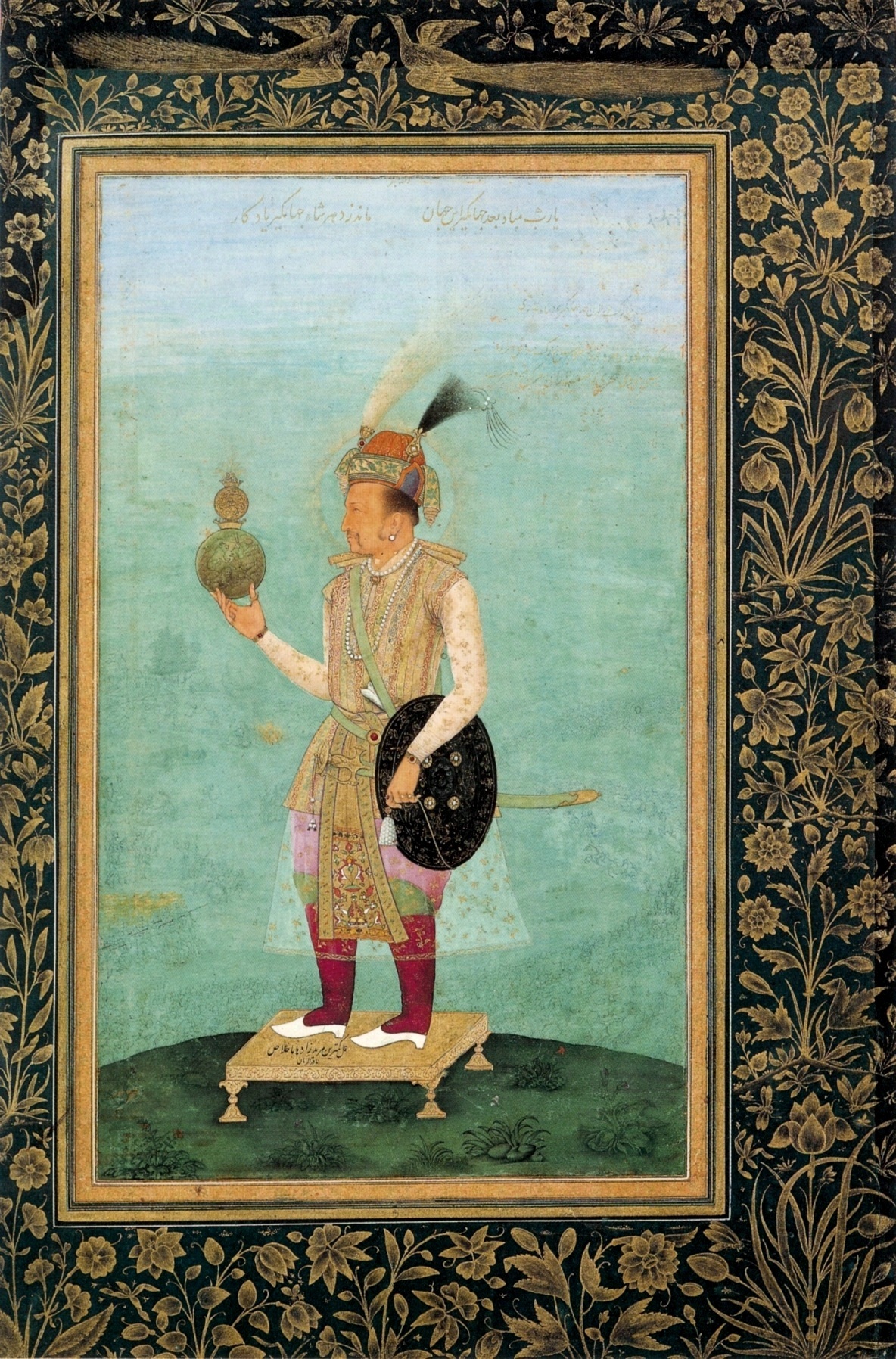
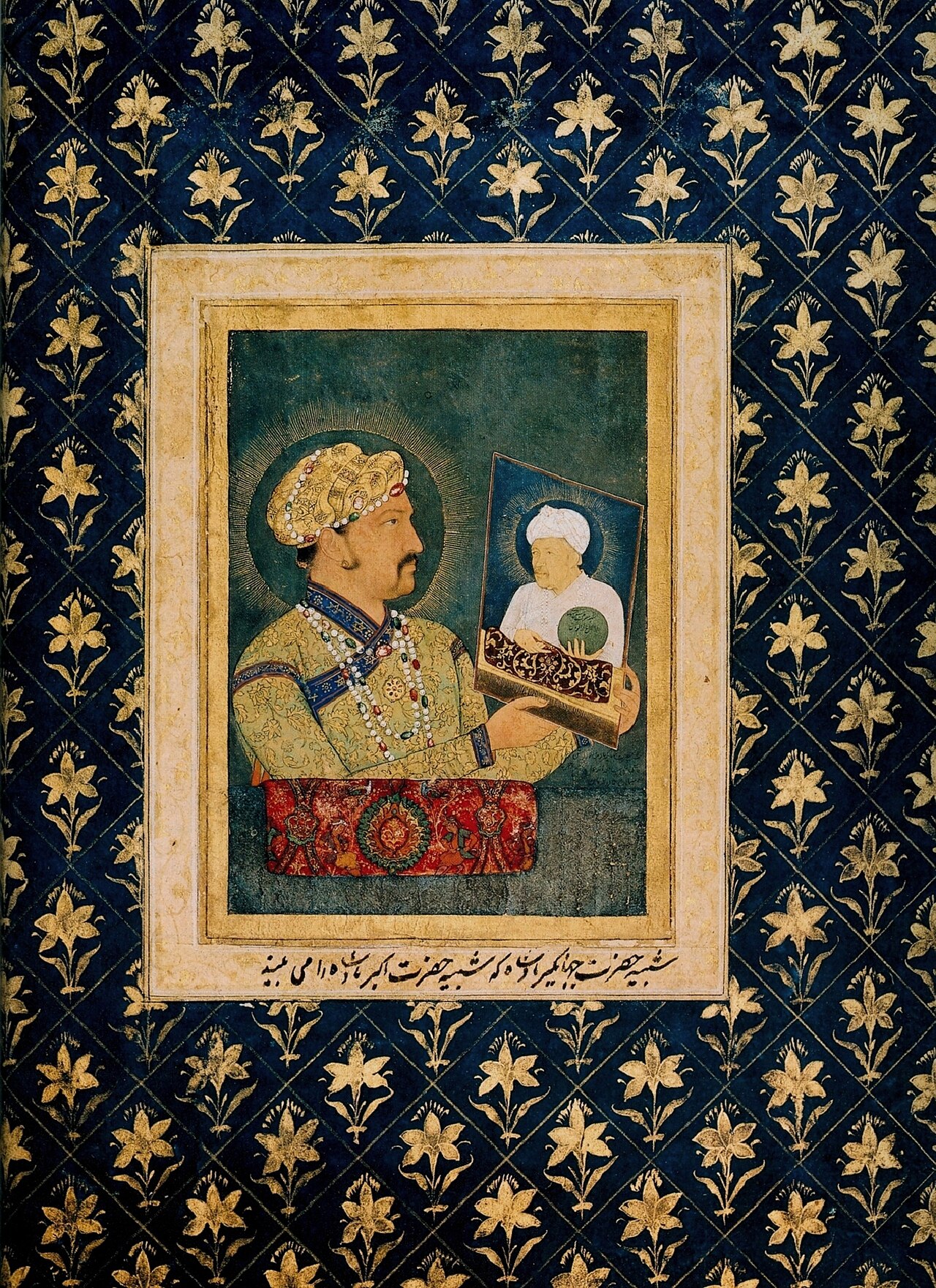
Jahangir Holding a Globe
Abu'l Hasan · c. 1620
 Painting
Primary source
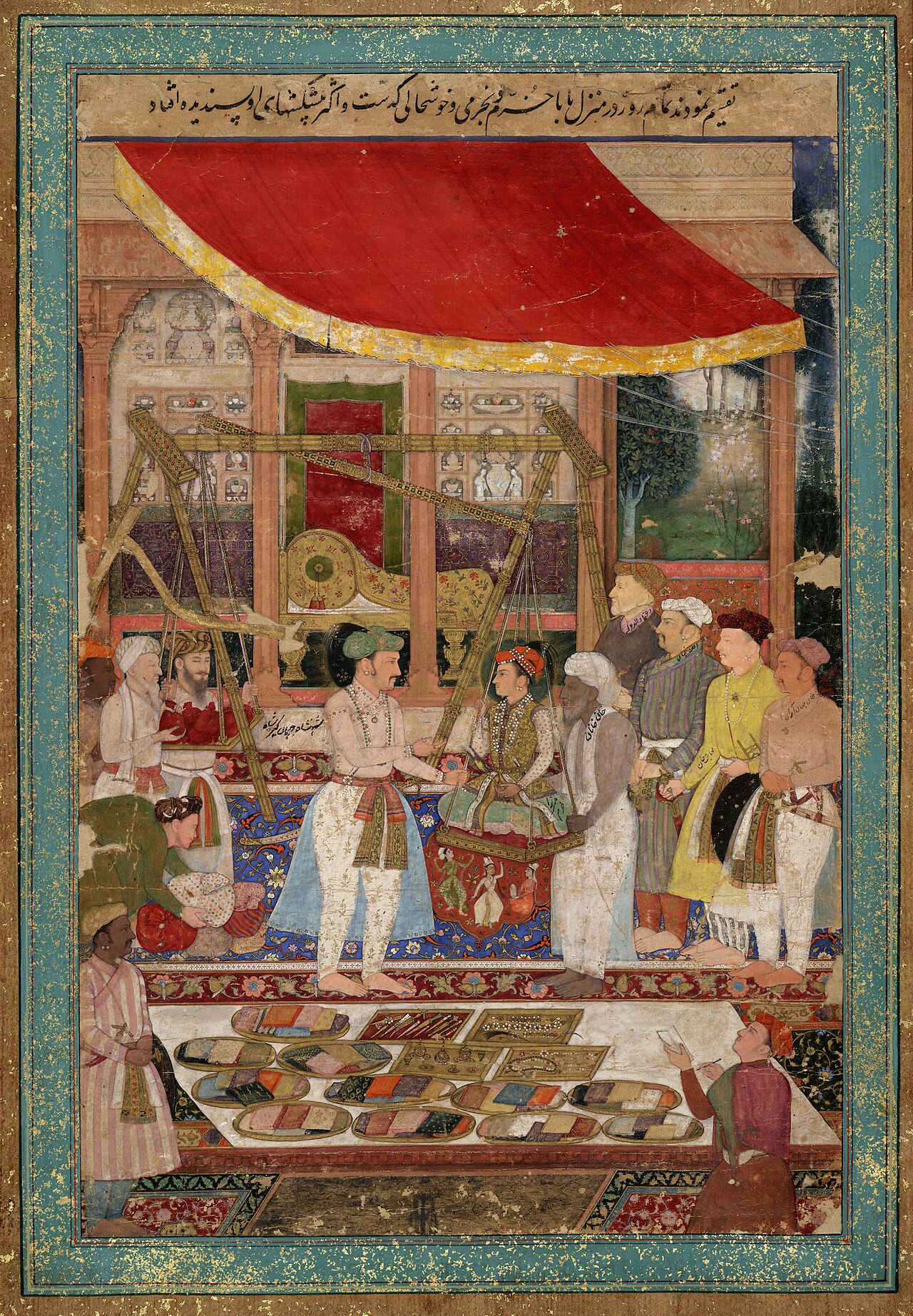
Jahangir Weighing Prince Khurram Against Gold and Silver
Manohar Das · c. 1610-1615
Free account
Read every Jahangir I source
Sign up free →
Ready when you are
Start chatting with Jahangir I now.
20 messages free · No credit card · Available in 50+ languages.