


Primary sourcePhotograph
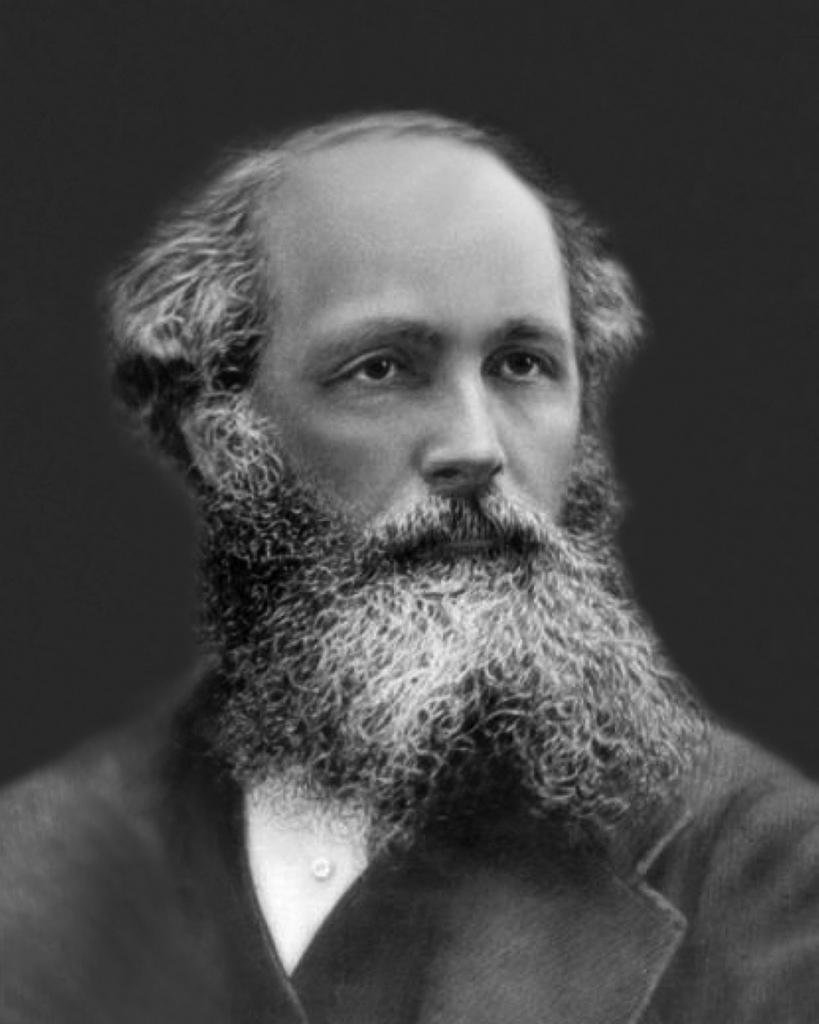
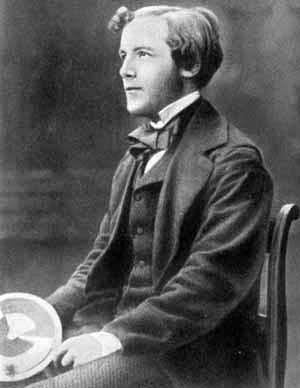
Portrait of James Clerk Maxwell
A studio photograph of James Clerk Maxwell in his mature years, the standard photographic likeness used to identify him.
This photograph is the standard surviving likeness of Maxwell himself.
About this source
What it is
This black-and-white studio photograph shows James Clerk Maxwell, bald and bearded, in a dark jacket, looking to the side. It is the image most commonly used to represent him.
Why it matters
Photographic portraits like this one let later generations put a face to a scientist whose written work changed physics. Maxwell is remembered for uniting electricity, magnetism and light into a single theory, and this image is how he has become visually familiar to students and historians.
Look closer
- What can you tell about Maxwell's era from the style of the photograph, his clothing and the studio setting?
- Why might a formal portrait like this be chosen as the standard image of a person, rather than a casual photo?
- What does a portrait like this not tell you about the person's ideas or work?
This photograph is part of the curated material that grounds the AI version of James Clerk Maxwell on Humy.ai — when students ask about related events, the AI can quote it and cite it.
More James Clerk Maxwell sources
Browse all 90 →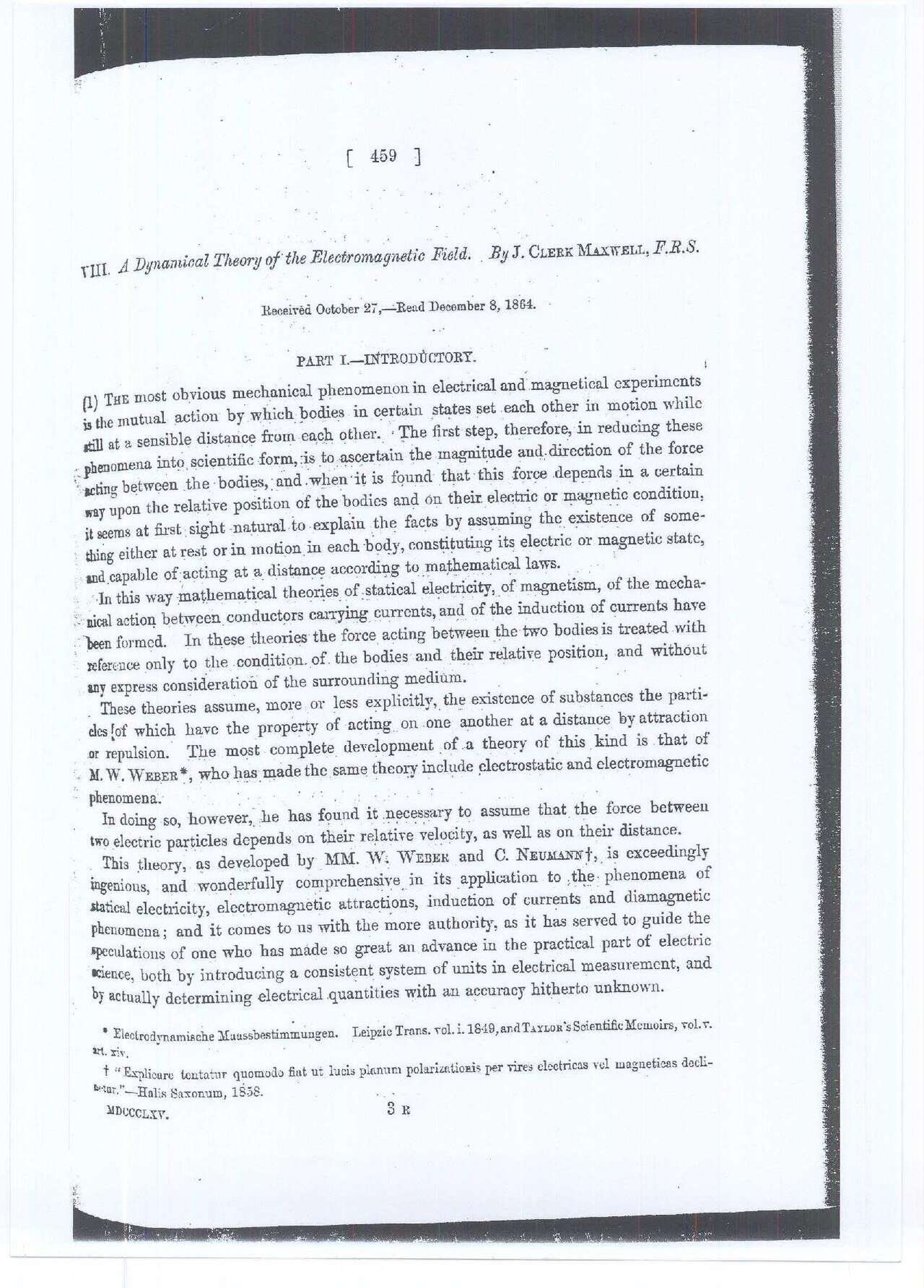 Document
Primary source
A Dynamical Theory of the Electromagnetic Field
James Clerk Maxwell · 1865 (read 8 December 1864)
 Photograph
Primary source
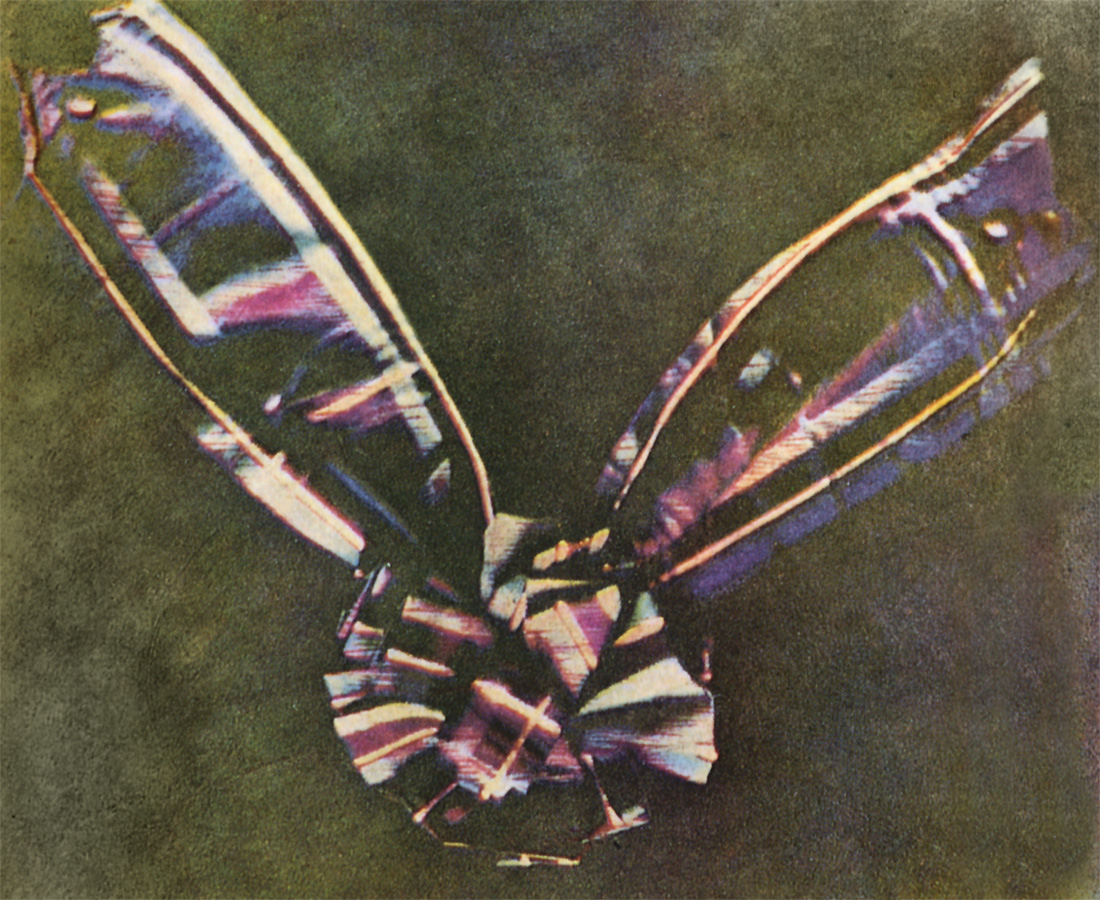
Tartan Ribbon Colour Photograph
James Clerk Maxwell with Thomas Sutton · 1861
 Document
Primary source
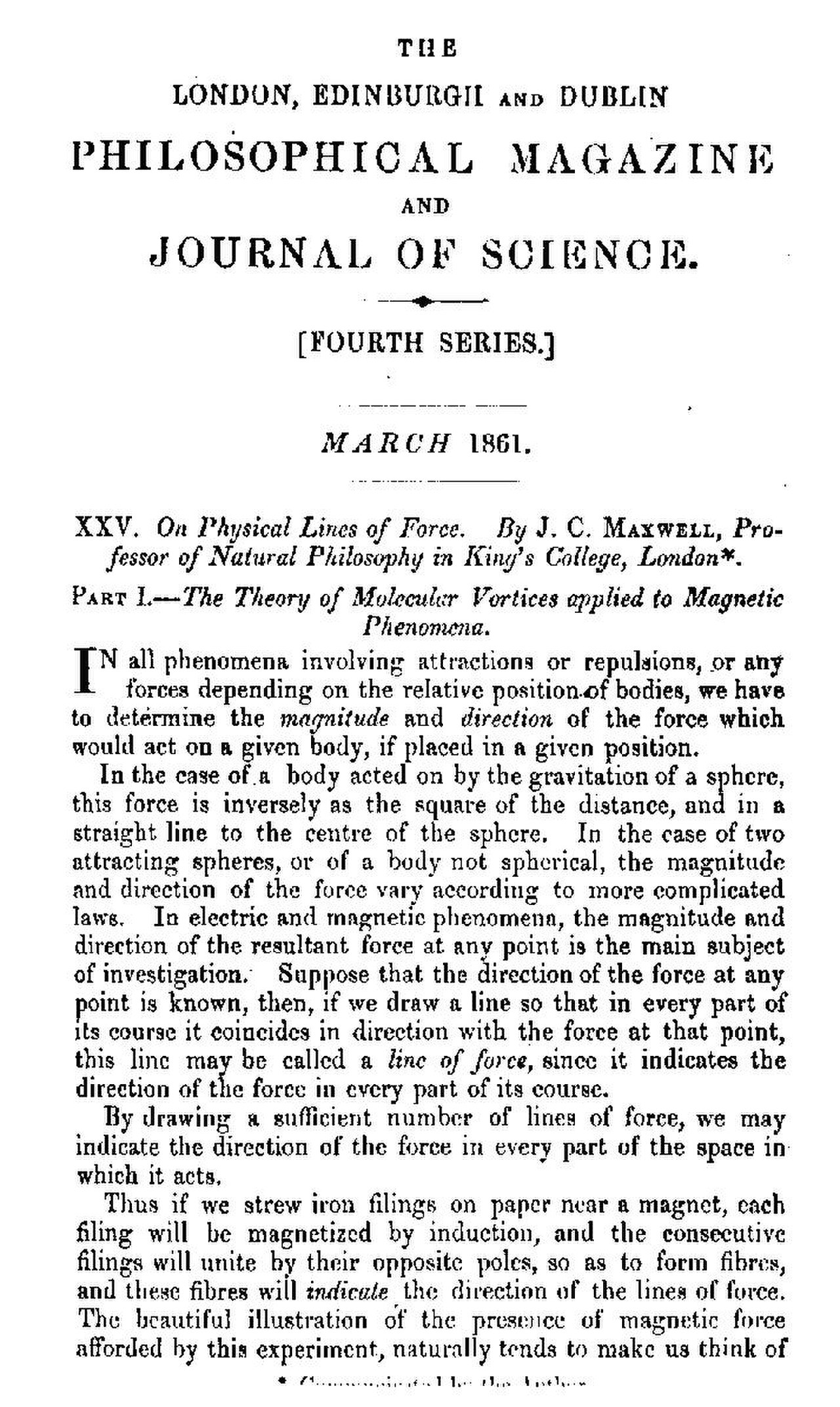
On Physical Lines of Force
James Clerk Maxwell · 1861–1862
 Document
Secondary source
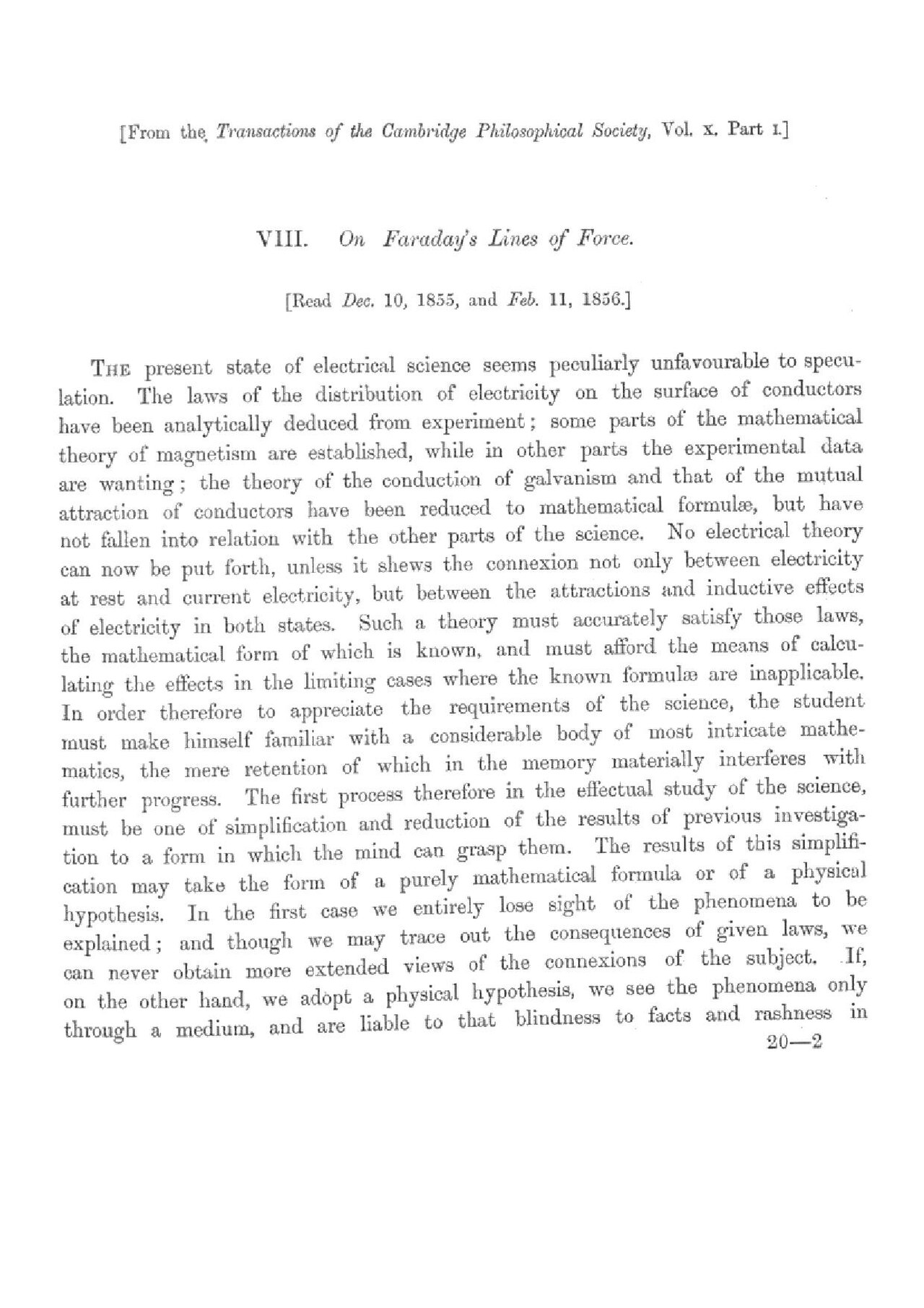
On Faraday's Lines of Force
James Clerk Maxwell · 1855-1856
Free account
Read every James Clerk Maxwell source
Sign up free →
Ready when you are
Start chatting with James Clerk Maxwell now.
20 messages free · No credit card · Available in 50+ languages.