


Primary sourcePainting1793
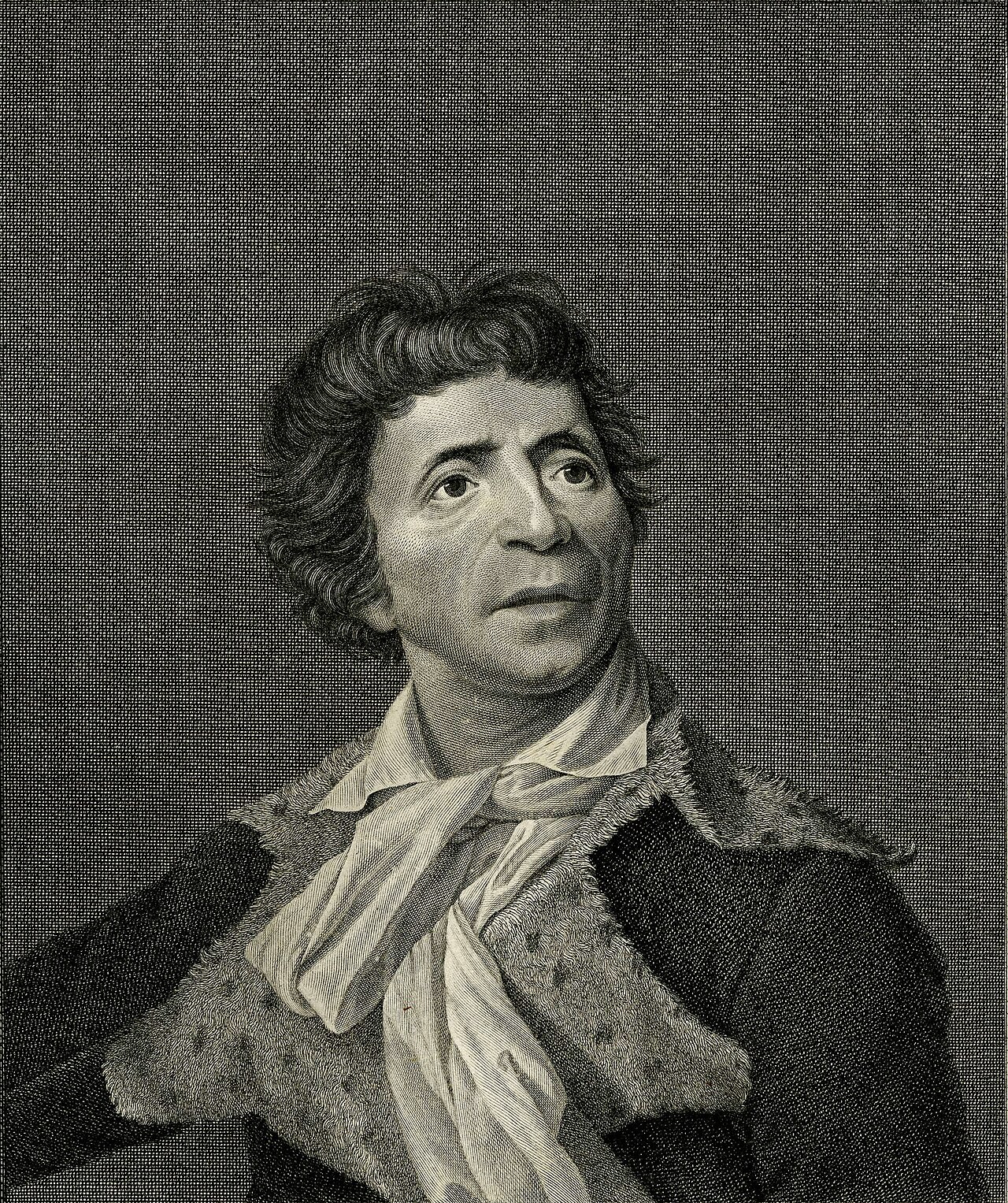
Portrait of Jean-Paul Marat
François Joseph Etienne Beisson, after Joseph Boze · 1793
A 1793 engraving of Jean-Paul Marat, made by Beisson after a portrait by Joseph Boze.
This engraved portrait depicts Marat himself, made in the year of his death.
About this source
What it is
This is a black and white engraving made in 1793 by François Joseph Etienne Beisson, based on a painted portrait of Jean-Paul Marat by Joseph Boze. It shows a man with wavy, tousled dark hair looking upward, wearing a high white cravat and a dark coat with a fur-lined collar.
Why it matters
Marat was a politician and journalist during the French Revolution, and this image was made in the same year he was killed. Portraits like this one, copied from an original painting into print form, helped spread an image of political figures to a wider public who could never see the original artwork. It shows how artists such as Boze and engravers such as Beisson worked together to shape how a public figure like Marat was remembered.
Look closer
- What does the pose and expression suggest about how Marat wanted to be seen, or how the artist wanted him to be seen?
- Why might an engraving based on a painting have been made and shared instead of the original painting itself?
- What is missing from a portrait like this that might tell us more about who Marat really was?
This painting is part of the curated material that grounds the AI version of Jean-Paul Marat on Humy.ai — when students ask about related events, the AI can quote it and cite it.
More Jean-Paul Marat sources
Browse all 87 →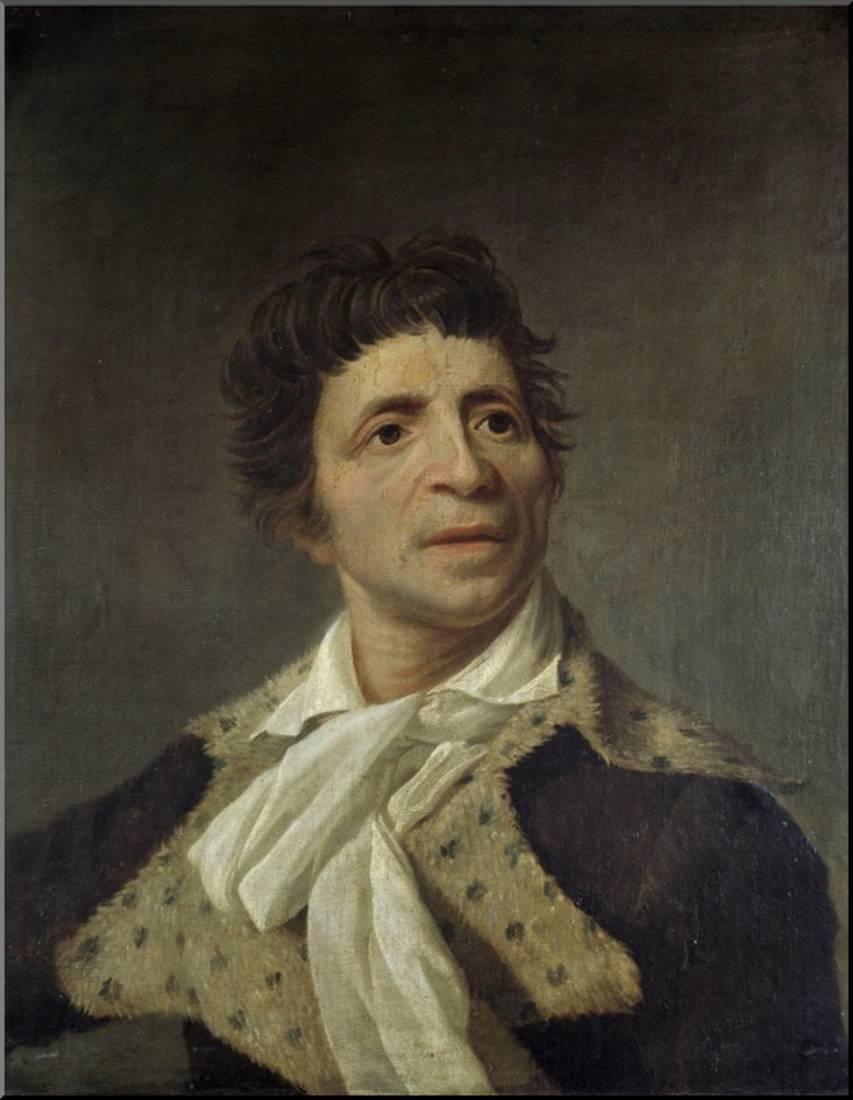 Painting
Primary source
Portrait of Jean-Paul Marat
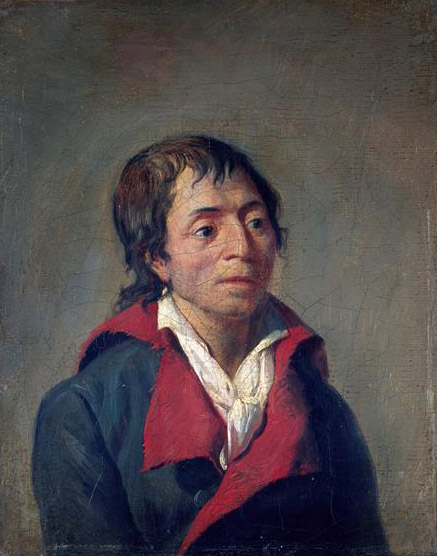
Joseph Boze · 1793
 Painting
Primary source
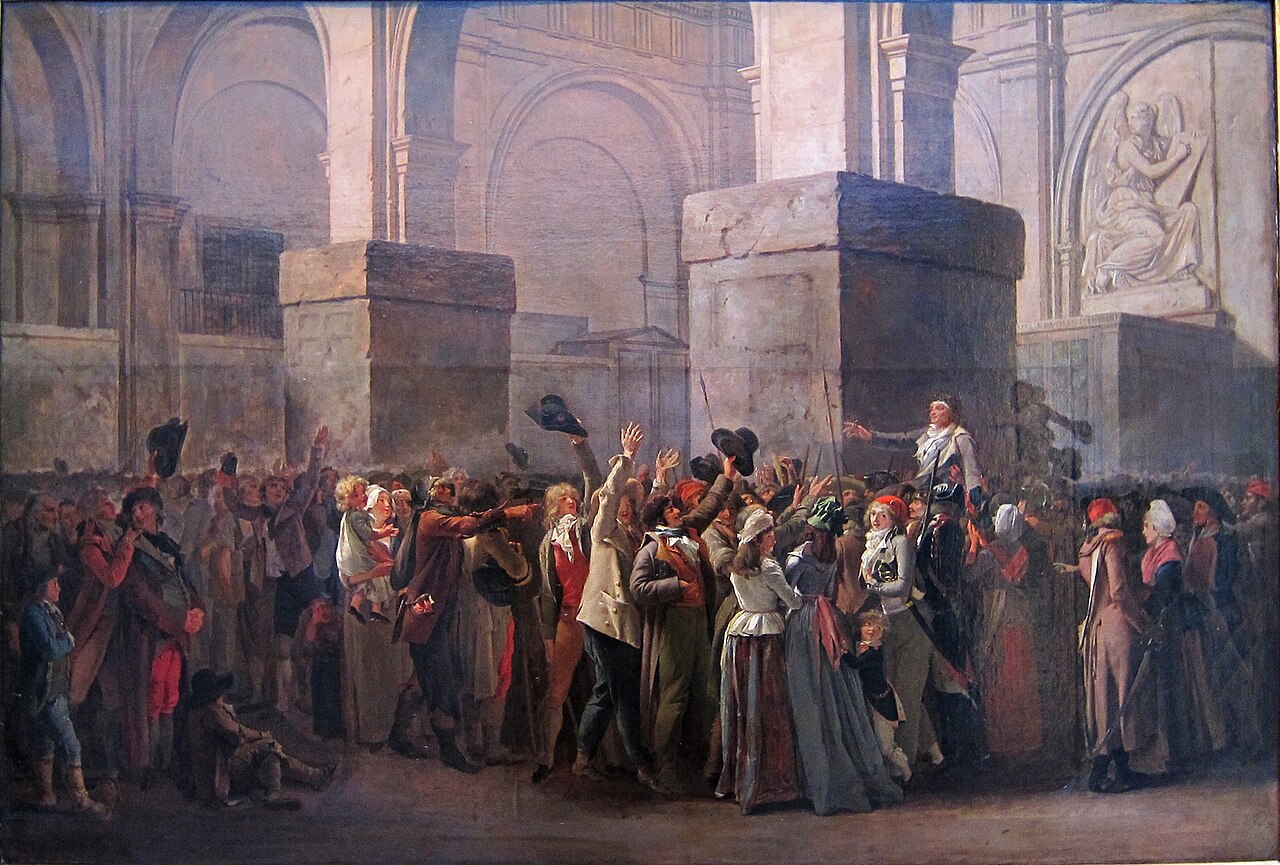
The Triumph of Marat
Louis-Léopold Boilly · 1794
 Painting
Primary source
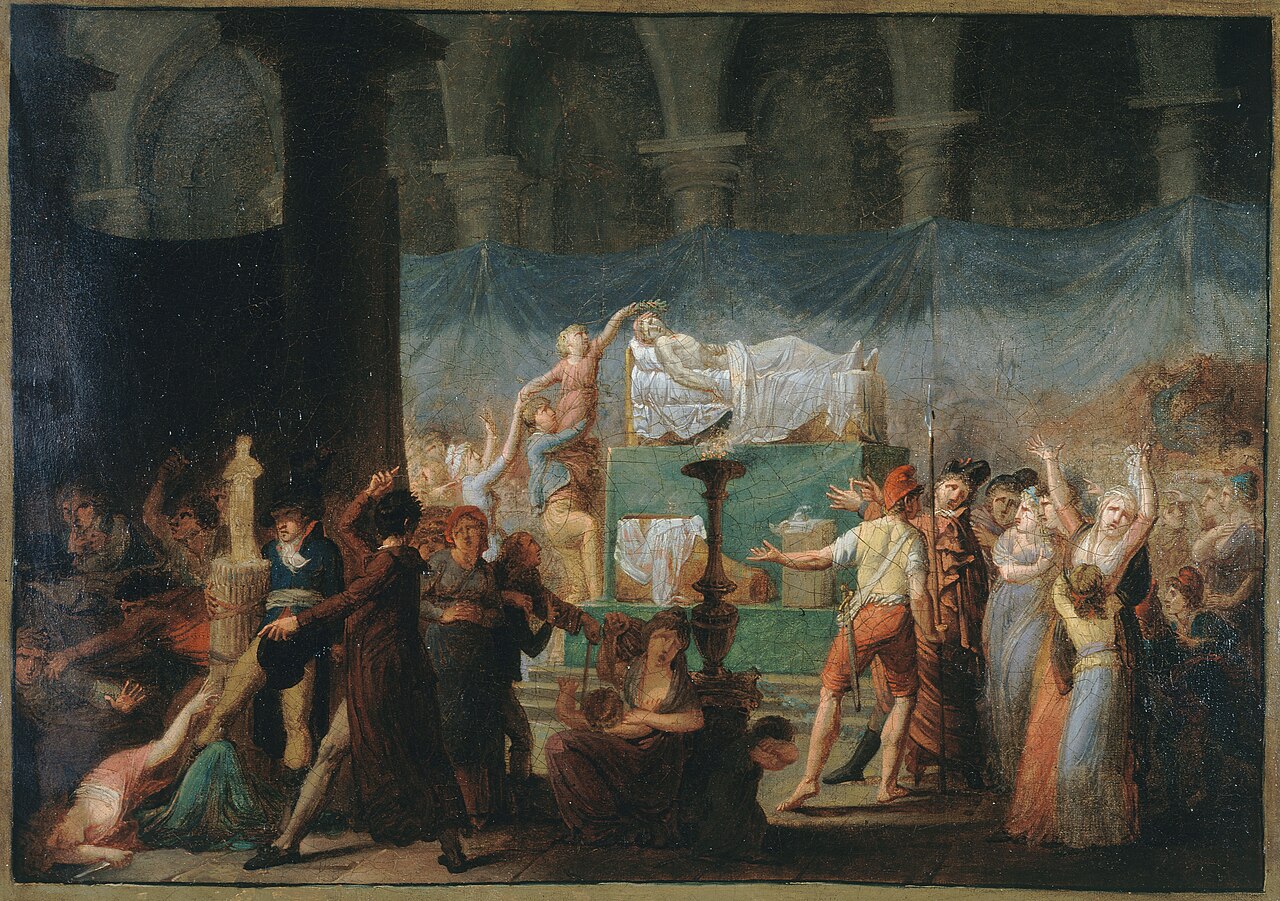
Funeral of Marat, at the Cordeliers Church, July 15 and 16, 1793
Fougeat · 1793
 Document
Primary source
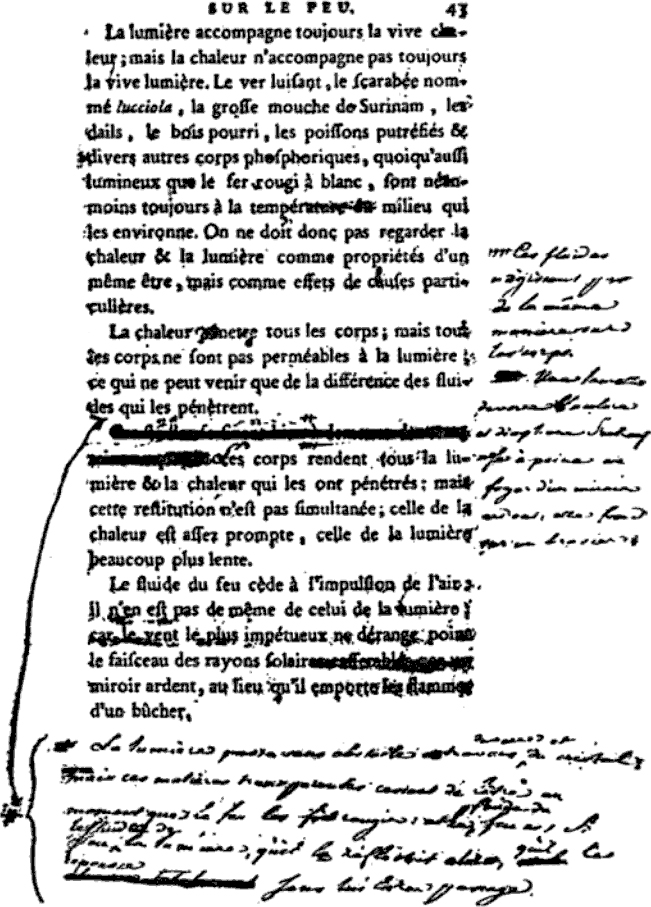
Proof Page of Recherches physiques sur le feu
Jean-Paul Marat
Free account
Read every Jean-Paul Marat source
Sign up free →
Ready when you are
Start chatting with Jean-Paul Marat now.
20 messages free · No credit card · Available in 50+ languages.