


Primary sourceArtifactc. 547
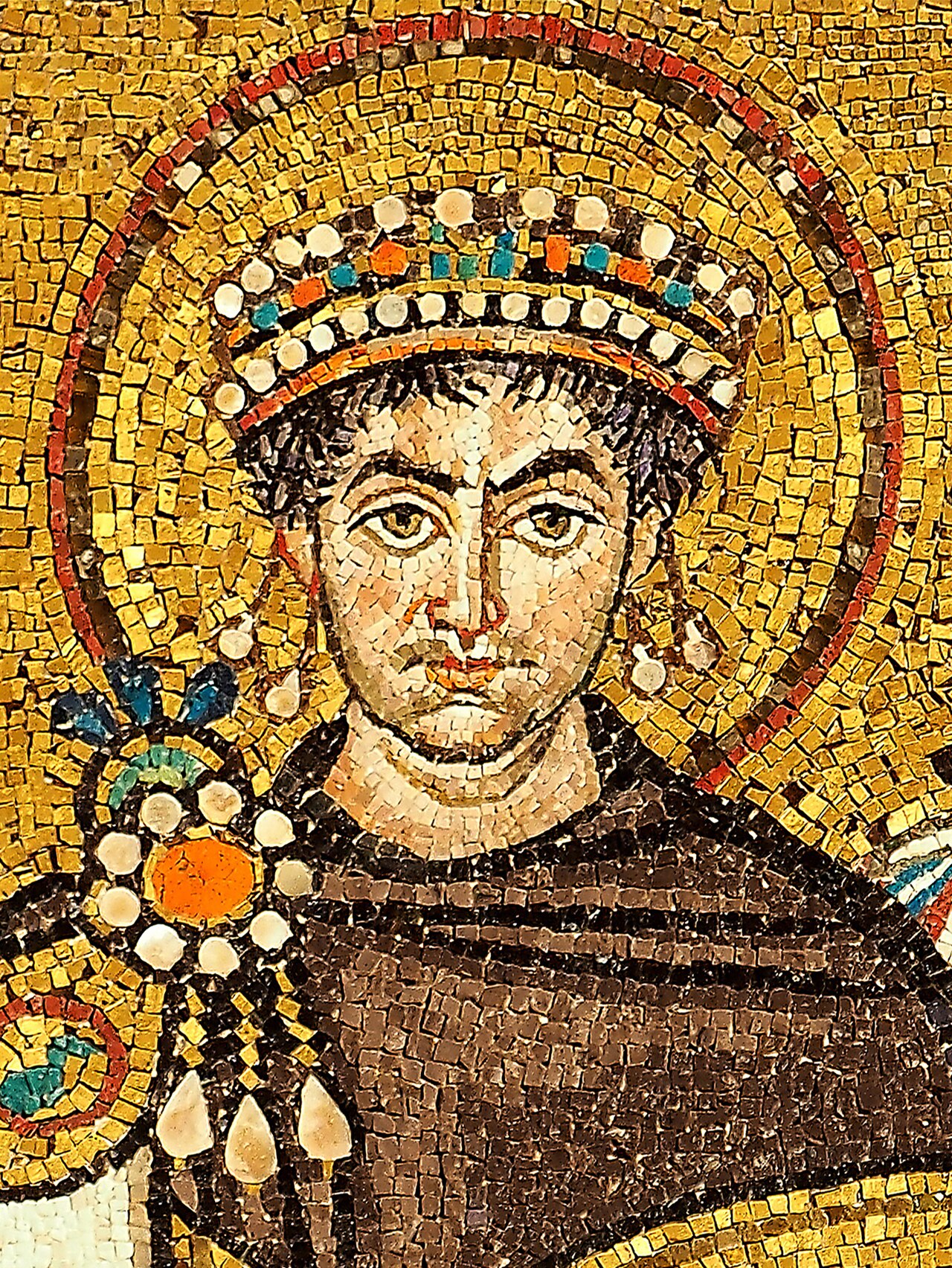
Portrait of Justinian I, San Vitale Mosaic
Byzantine mosaicists · c. 547
A mid-6th-century mosaic in the apse of San Vitale church in Ravenna, showing Justinian haloed among clergy, officials and soldiers.
This lifetime mosaic portrait shows Justinian as he wished to be seen: haloed, imperial, and surrounded by church and state power.
About this source
What it is
This mosaic, made around 547, decorates the Basilica of San Vitale in Ravenna. It shows a haloed figure identified as Emperor Justinian I, dressed in purple and gold, surrounded by clergy, court officials and soldiers.
Made from small coloured glass and stone tiles called tesserae, the portrait was created by Byzantine craftsmen while Justinian still ruled the empire.
Why it matters
The mosaic is one of the few surviving lifetime images of Justinian and shows exactly how he wanted to be seen: as a ruler who united imperial and religious authority. Its placement in a church in Italy, far from Constantinople, also reflects his ambition to reassert control over the western Mediterranean.
Look closer
- Why might Justinian want to be shown surrounded by soldiers and bishops together?
- What does the halo suggest about how he wanted to be seen?
- Who do you think this image was made for, and what message was it meant to send?
This artifact is part of the curated material that grounds the AI version of Justinian I on Humy.ai — when students ask about related events, the AI can quote it and cite it.
More Justinian I sources
Meet the AI Justinian I →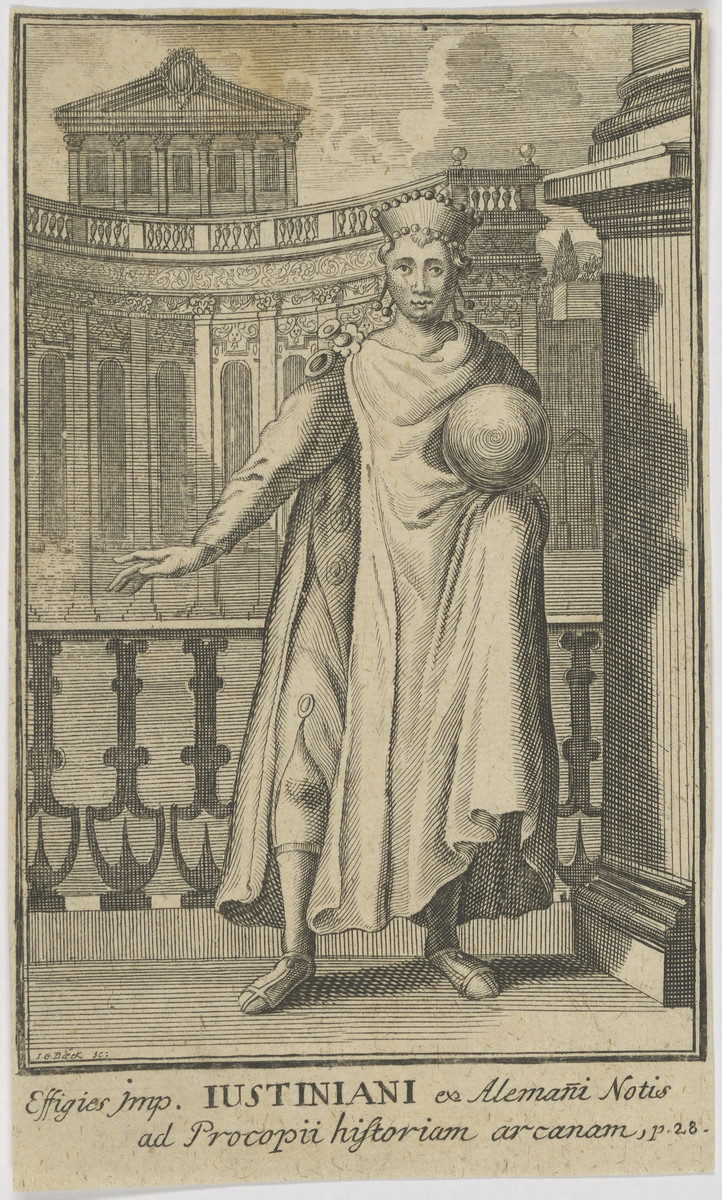 Painting
Secondary source
Portrait of Emperor Justinian
Johann Friedrich Böck
 Document
Primary source
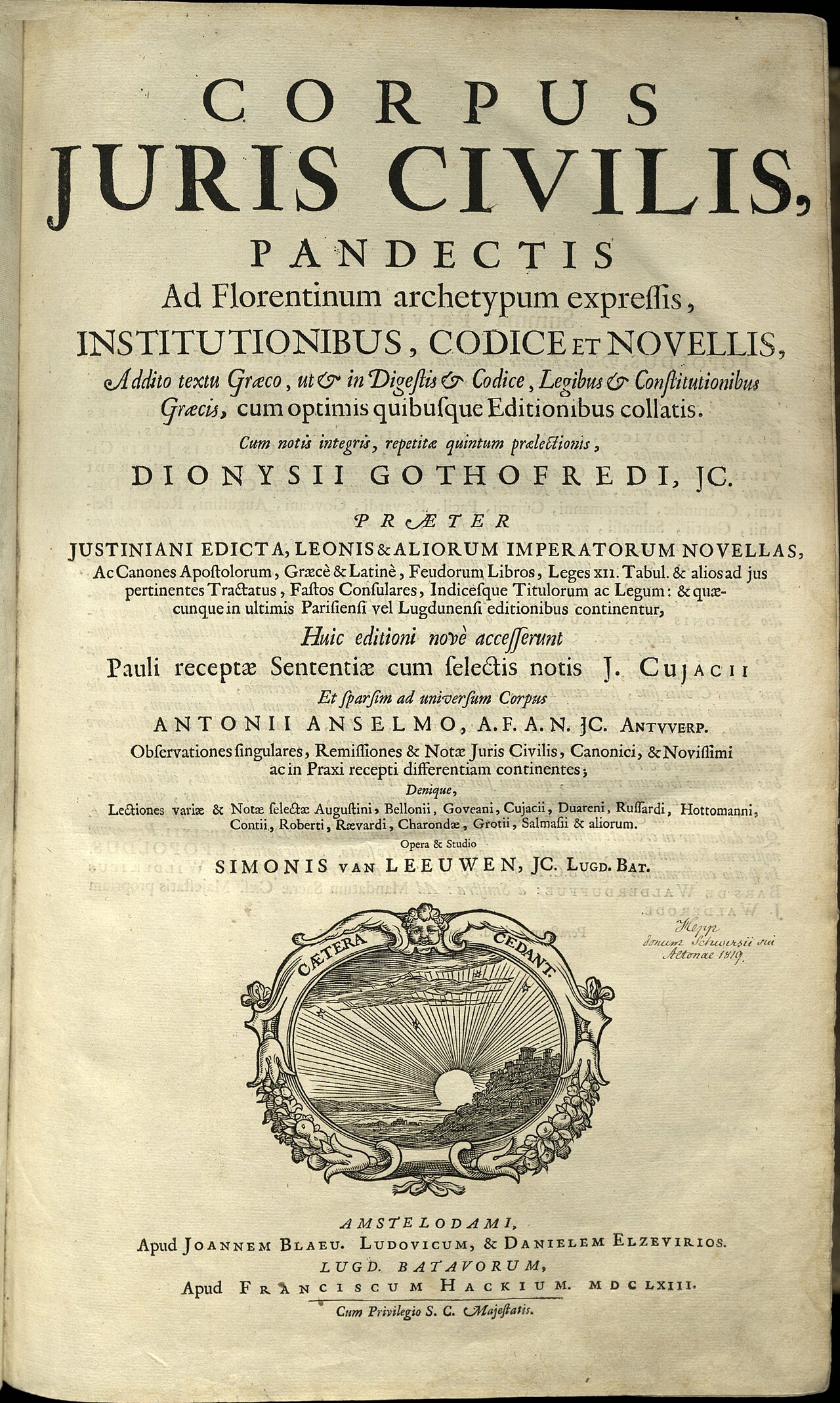
Corpus Juris Civilis
Tribonian · 528-534
 Artifact
Primary source
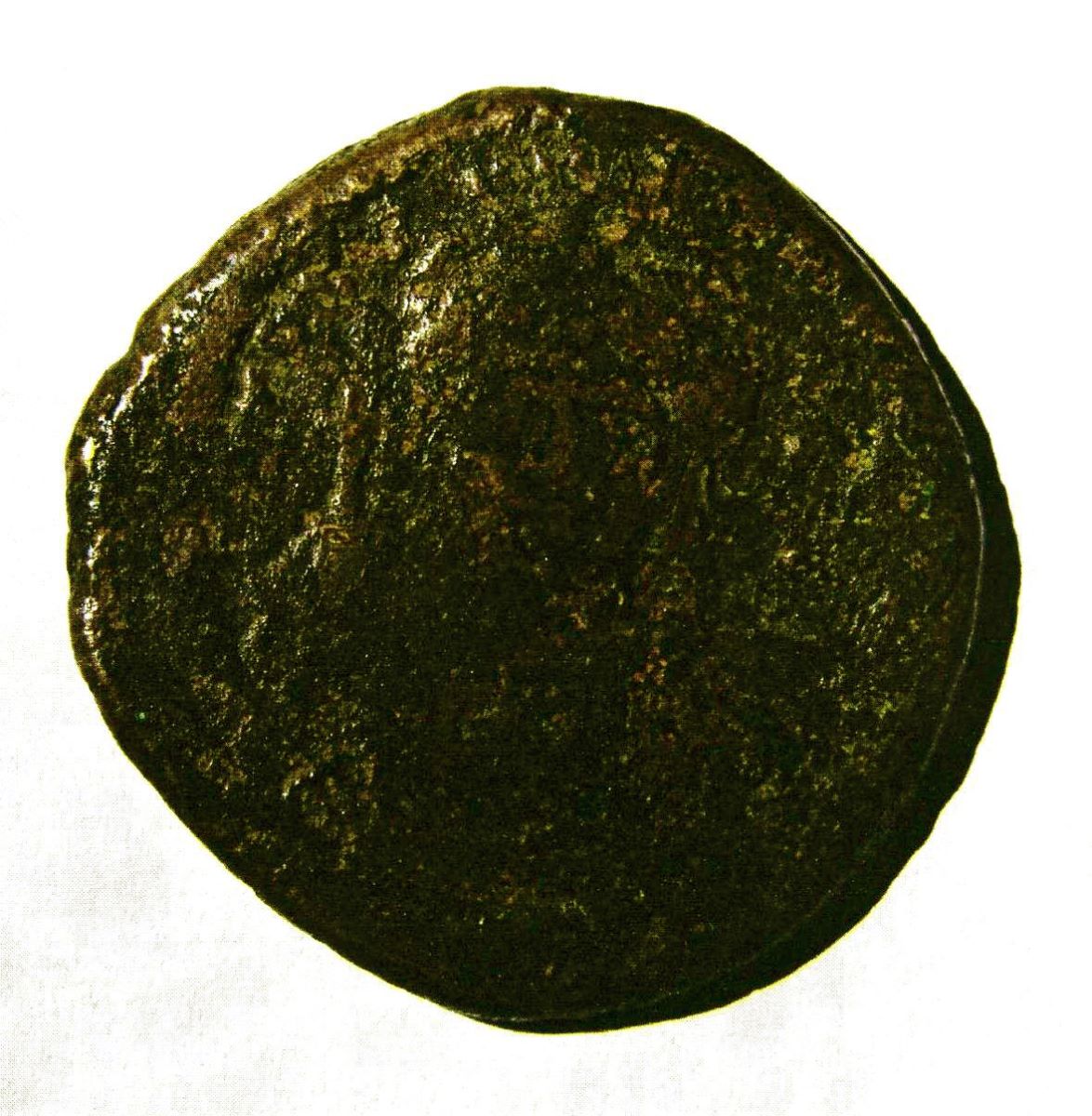
Bronze Follis of Justinian I with Globus Cruciger
 Artifact
Secondary source
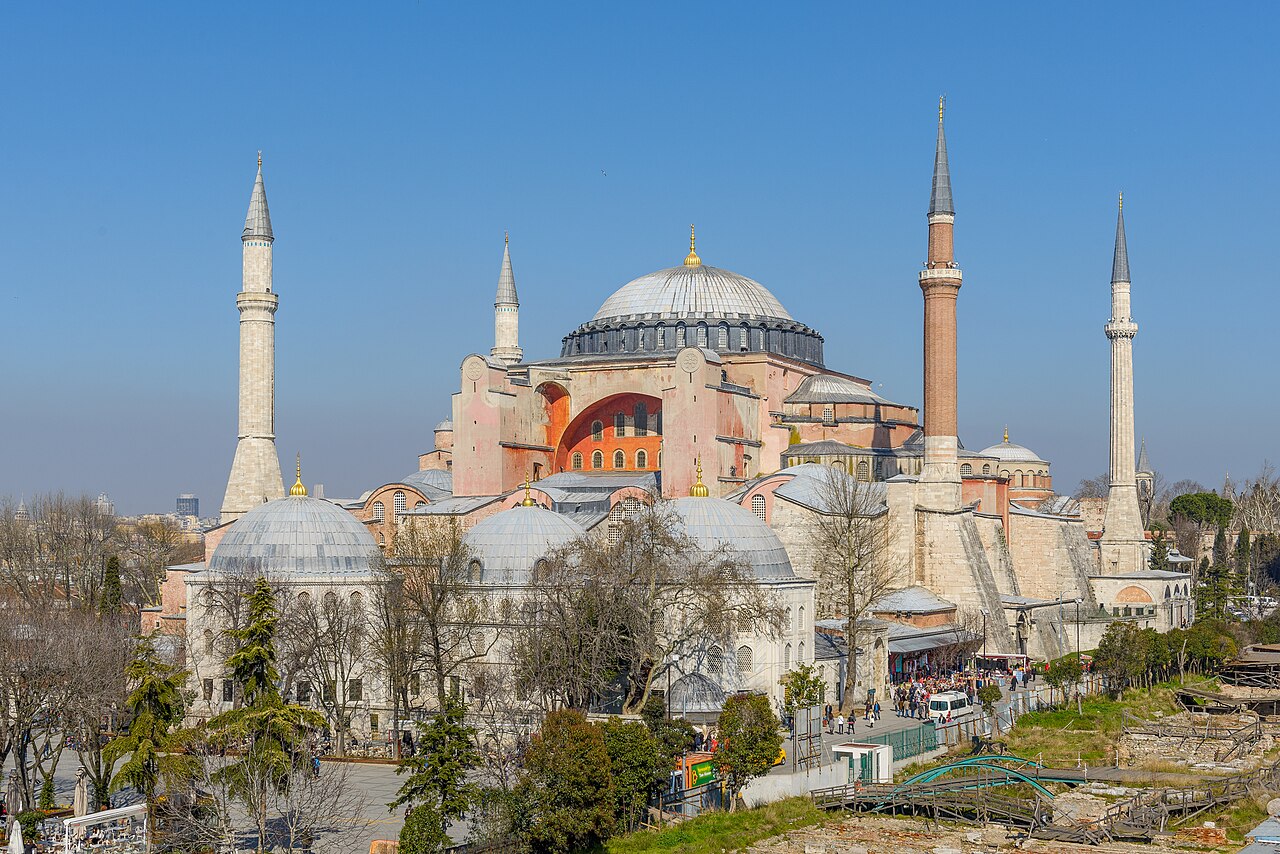
Hagia Sophia
Isidore of Miletus and Anthemius of Tralles · 532-537 CE
 Artifact
Primary source
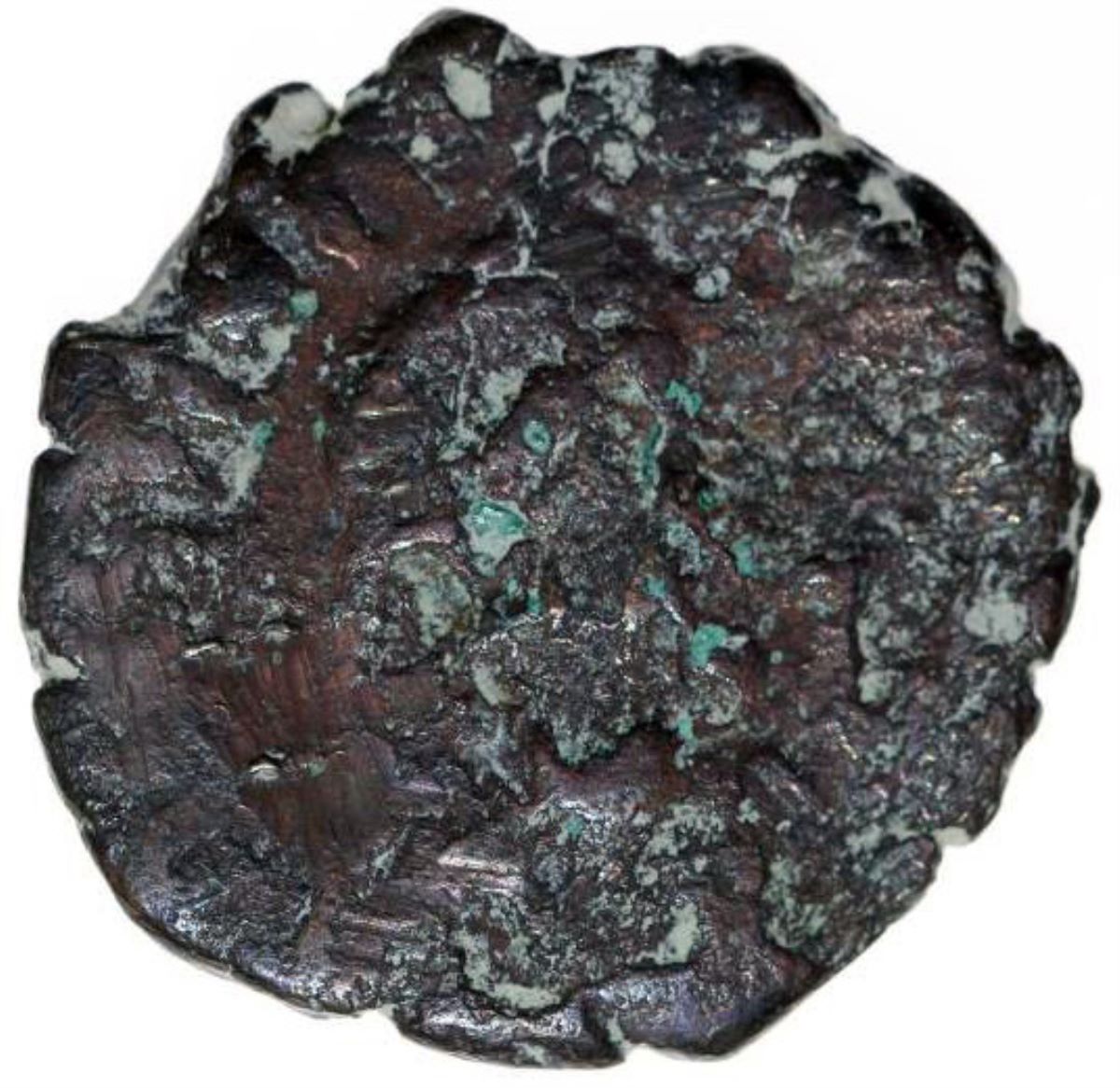
Half Follis of Justinian I with Profile Bust
Ready when you are
Start chatting with Justinian I now.
20 messages free · No credit card · Available in 50+ languages.