


Primary sourcePainting1673
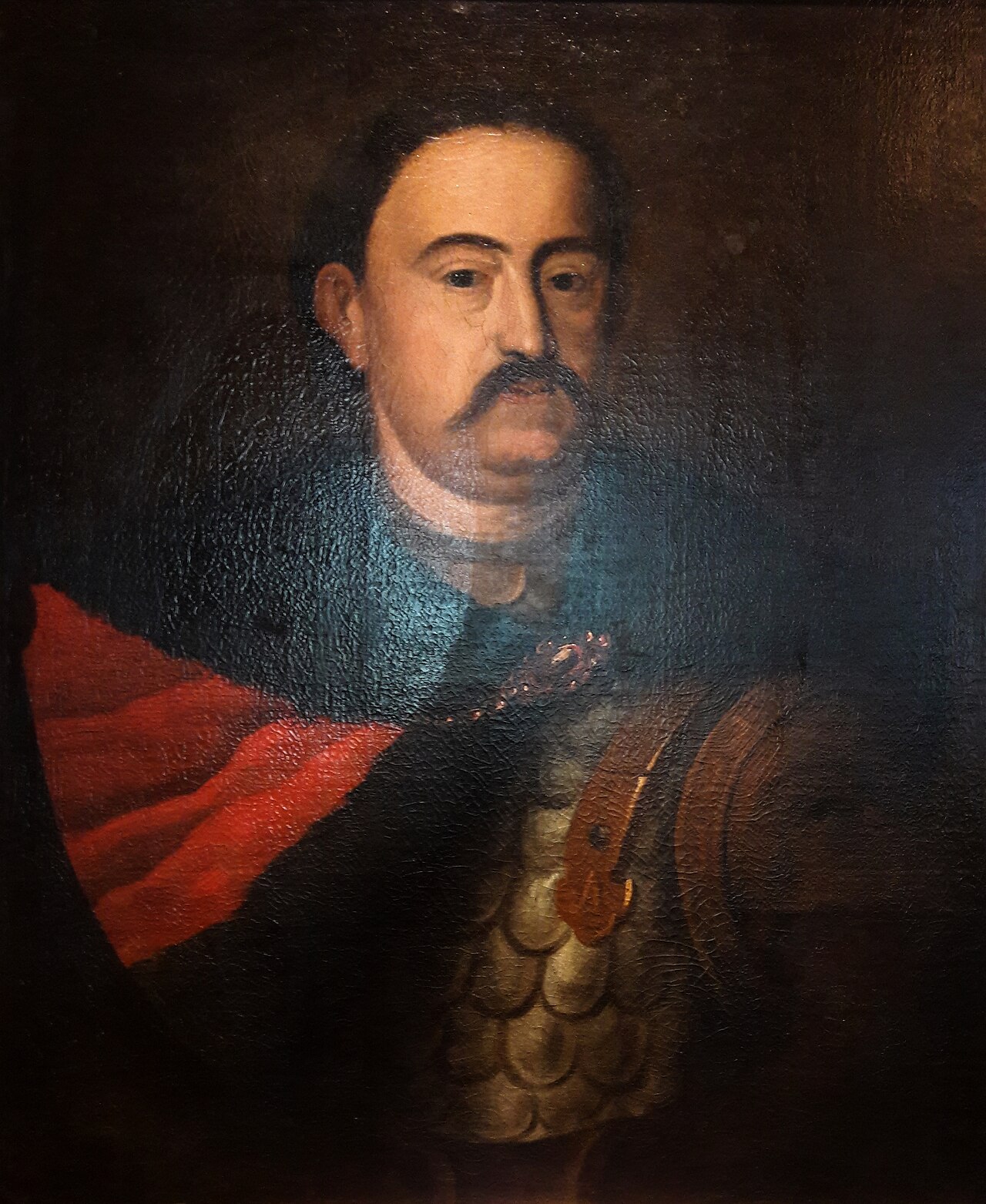
Portrait of King John III Sobieski in Karacena and Delia Coat
Daniel Schultz · 1673
A state portrait of John III Sobieski shown in scale armour and noble dress, expressing the Sarmatian warrior identity of the Polish nobility.
This portrait depicts Sobieski as the subject, showing how he presented his identity as a Polish noble warrior.
About this source
What it is
This oil painting, made in 1673 by Daniel Schultz or his workshop, shows John III Sobieski wearing karacena-style scale armour, a dark coat with a blue-grey collar, and a red cloak draped over his shoulder. It is held today by the National Museum in Warsaw.
Why it matters
The painting reflects how Polish nobles, including Sobieski, presented themselves through clothing and armour linked to the "Sarmatian" myth, an idea that the Polish szlebcie had ancient warrior ancestors. It shows how rulers used portraiture to project power and identity.
Look closer
- What does the clothing and armour tell you about how Sobieski wanted to be seen?
- Why might a ruler choose to be painted as a warrior rather than in everyday dress?
- What is missing from this portrait that might tell you more about Sobieski as a person?
This painting is part of the curated material that grounds the AI version of John III Sobieski on Humy.ai — when students ask about related events, the AI can quote it and cite it.
More John III Sobieski sources
Browse all 94 →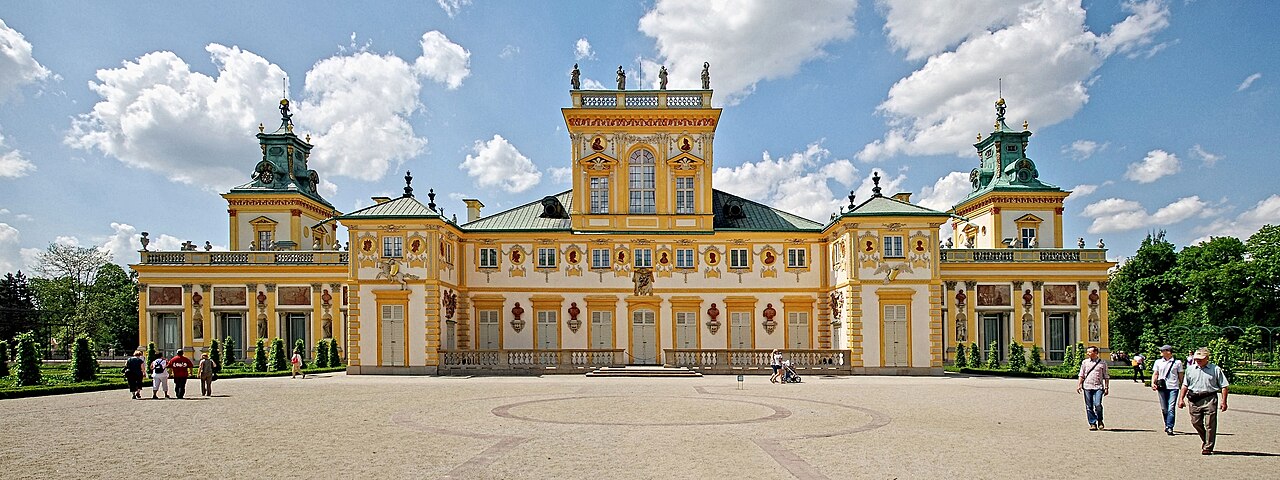 Artifact
Primary source
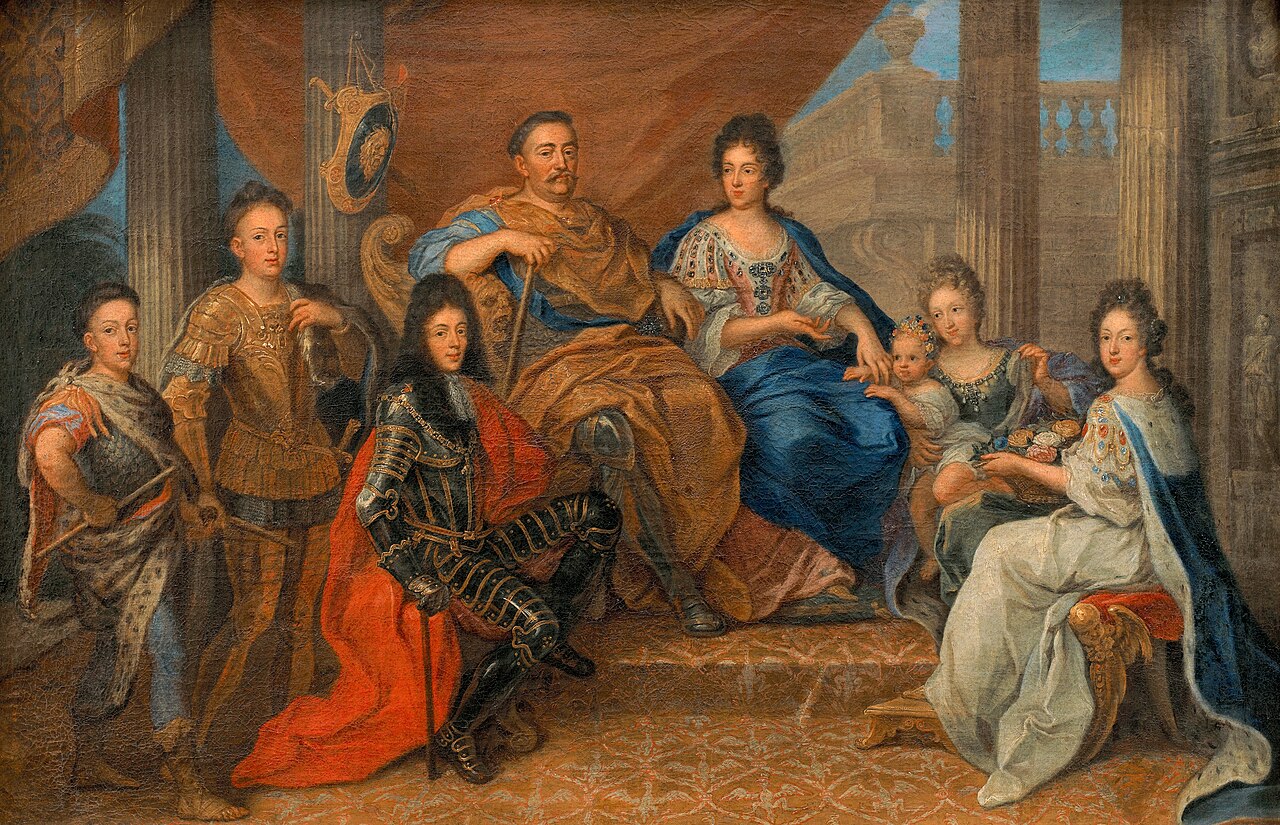
Wilanów Palace
Augustyn Wincenty Locci · 1677–1696
 Painting
Primary source
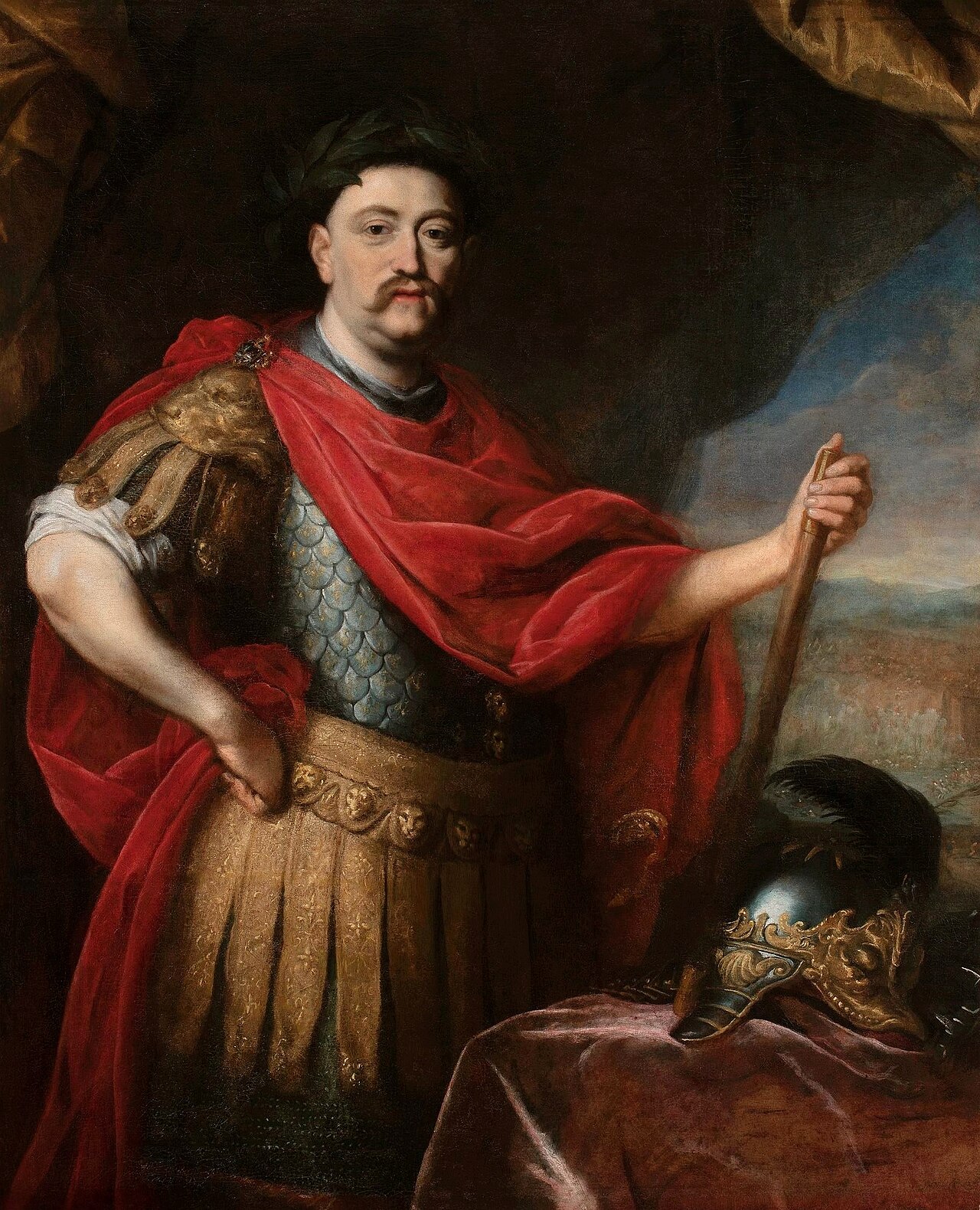
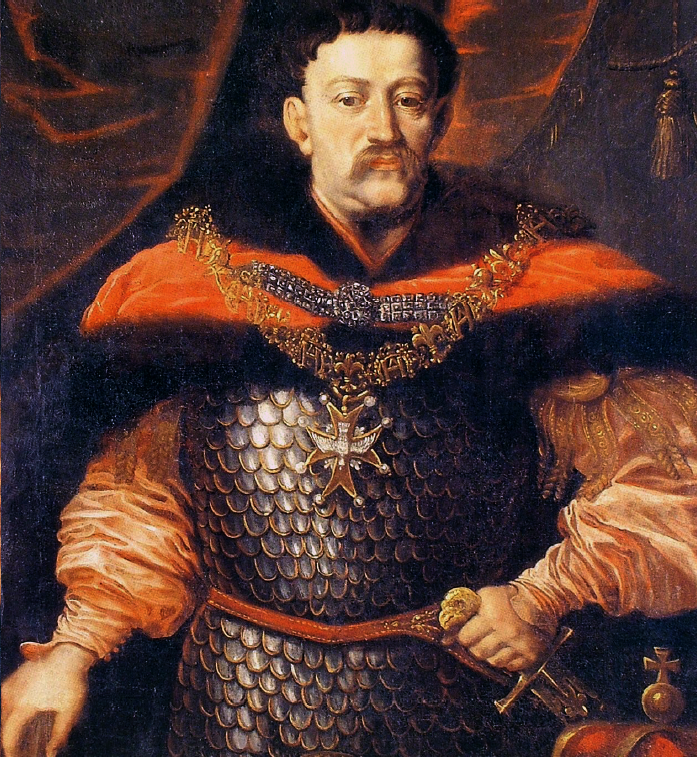
Portrait of John III Sobieski in Roman Costume
Daniel Schultz · 1673
 Painting
Primary source
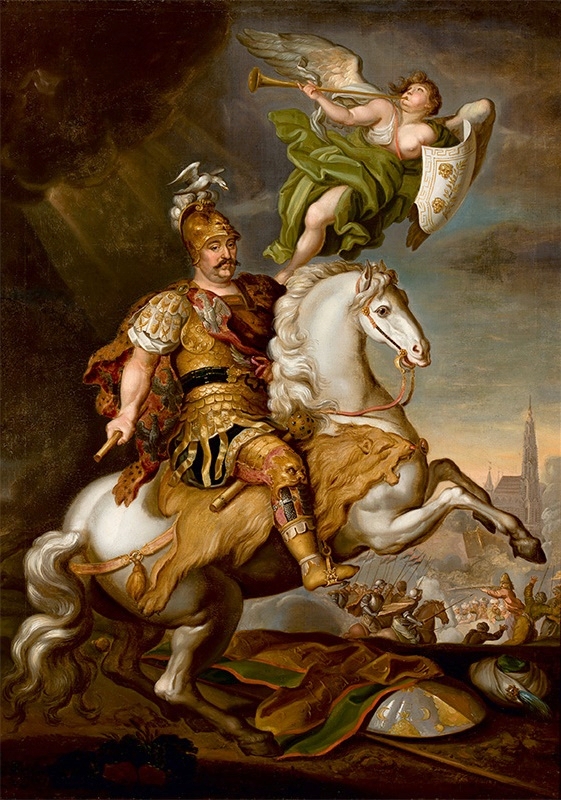
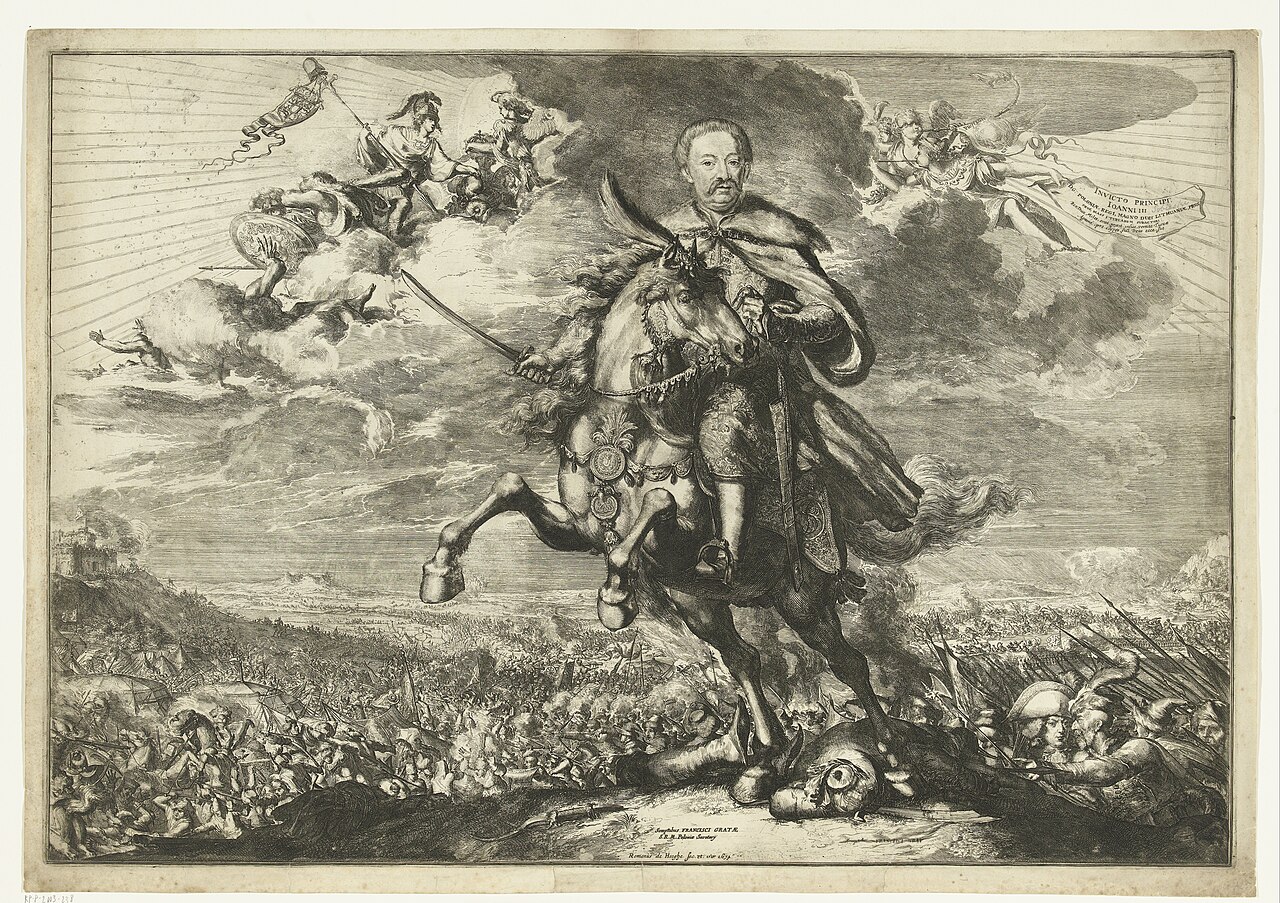
John III Sobieski at the Battle of Vienna
Jerzy Siemiginowski-Eleuter · 1686
 Artifact
Primary source
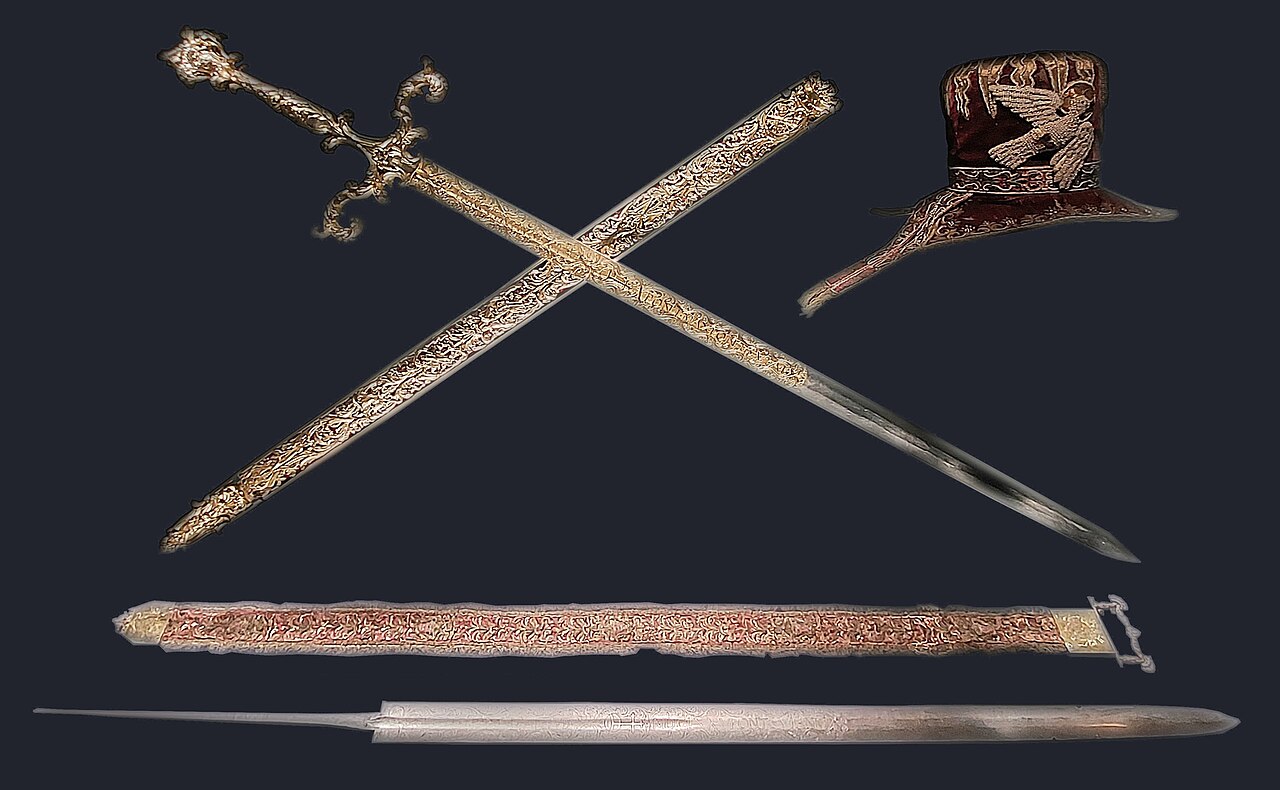
Blessed Sword and Hat of John III Sobieski
1684
Free account
Read every John III Sobieski source
Sign up free →
Ready when you are
Start chatting with John III Sobieski now.
20 messages free · No credit card · Available in 50+ languages.