


Secondary sourcePaintingbetween 1620 and 1680
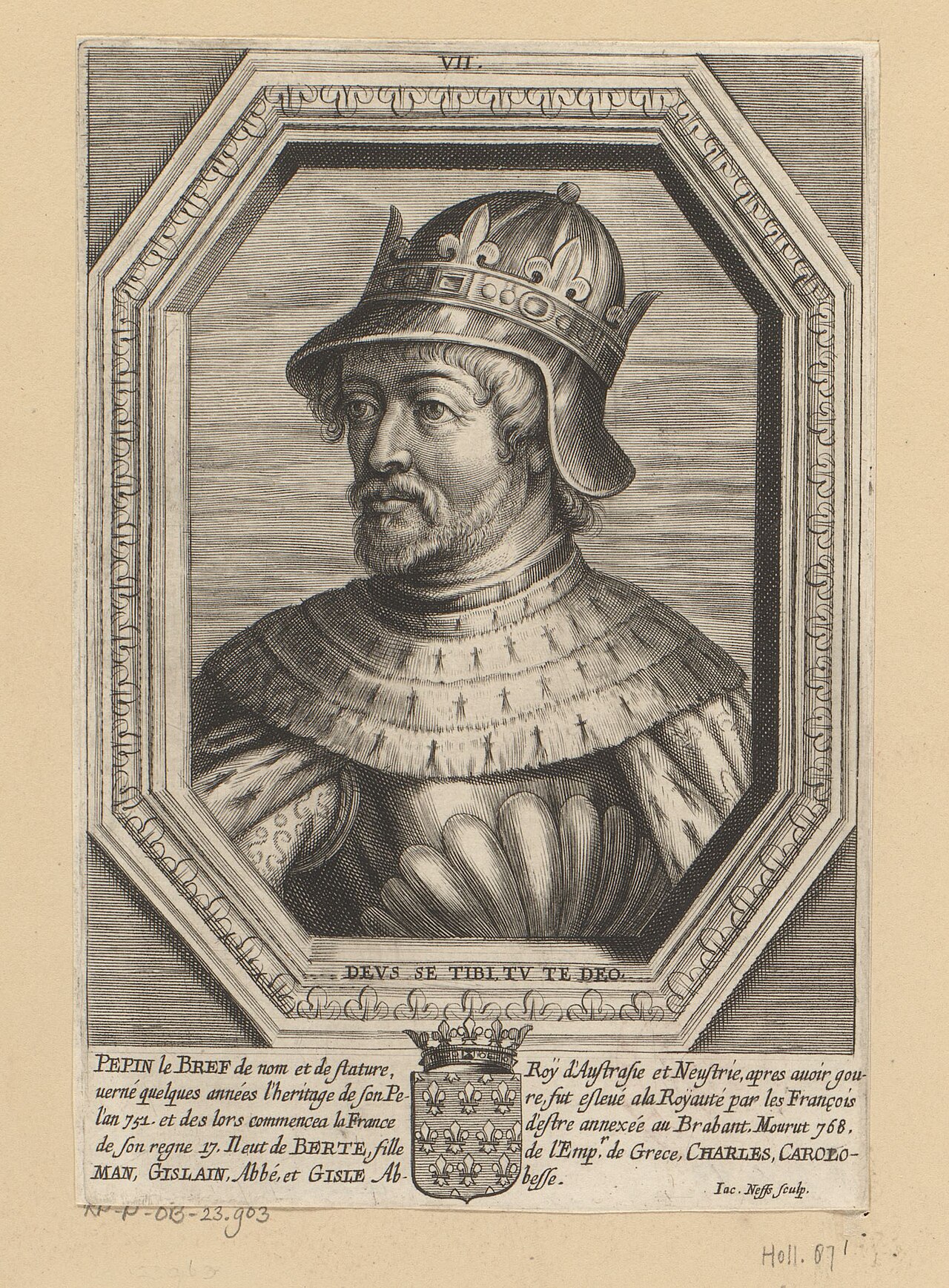
Portrait of King Pepin the Short
Jacob Neefs · between 1620 and 1680
A 17th-century engraved portrait imagining Pepin the Short as a crowned, armored king, made nearly 900 years after his reign.
A later imagined portrait created to represent Pepin the Short as a legendary Frankish king.
About this source
What it is
This engraving, made in Antwerp between about 1620 and 1680 by Jacob Neefs, shows a bearded king wearing a fleur-de-lis crown and ermine-trimmed cloak inside an octagonal frame. Below it are a coat of arms and French verses describing him.
Why it matters
No portrait of Pepin the Short made during his own lifetime survives, so later artists like Neefs invented an image for him using symbols of royal power — crowns, armor, fleurs-de-lis — rather than any real likeness. This print shows how later generations remembered and reimagined early Frankish kings as part of a long royal tradition.
Look closer
- What symbols in this portrait tell the viewer this is a king, even without a real likeness to go on?
- Why do you think printmakers continued making portraits of rulers who lived many centuries earlier?
- What can and can't this image tell us about the real Pepin the Short?
This painting is part of the curated material that grounds the AI version of Pepin the Short on Humy.ai — when students ask about related events, the AI can quote it and cite it.
More Pepin the Short sources
Browse all 58 →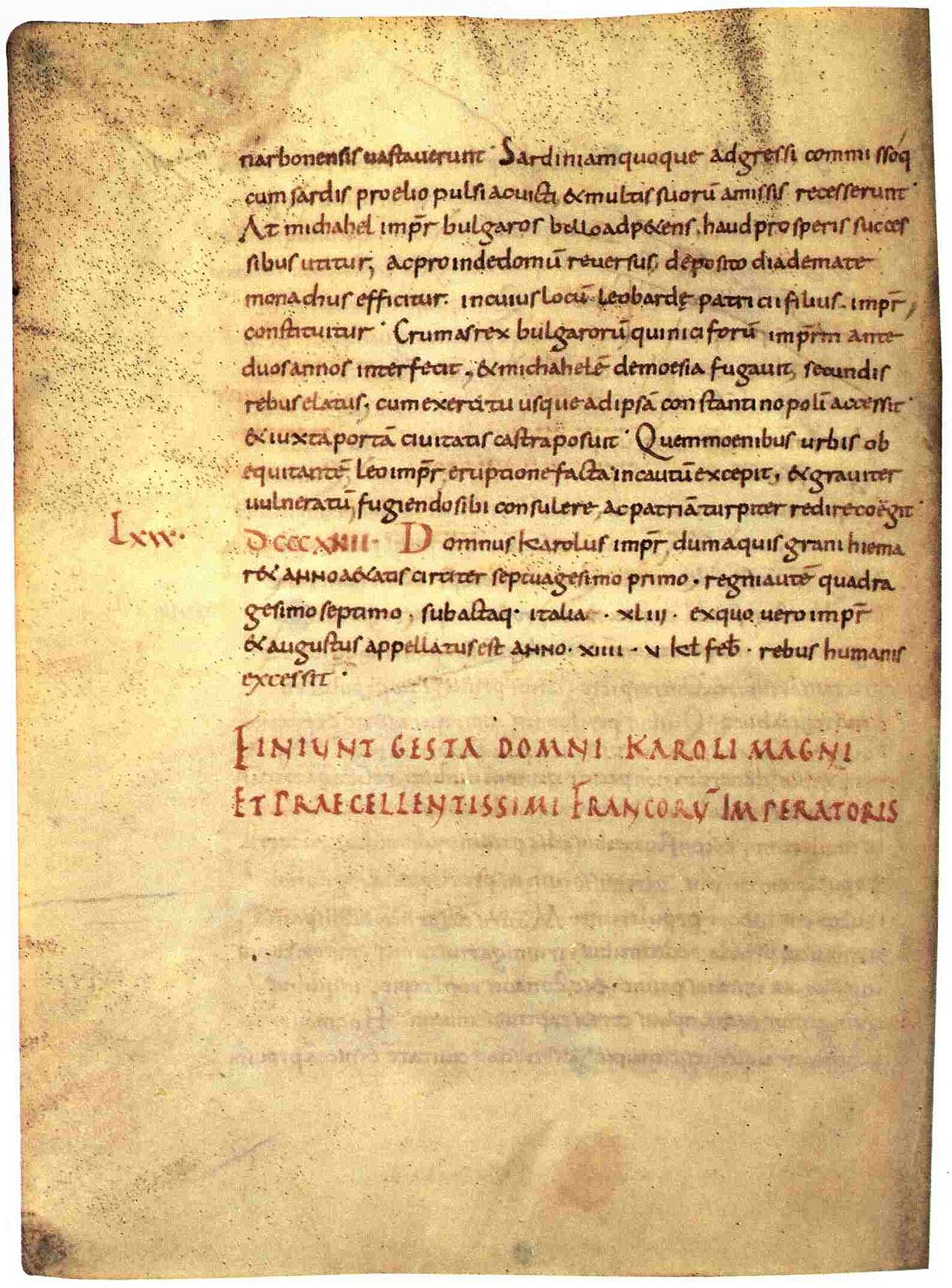 Document
Primary source
Royal Frankish Annals
741-829, this manuscript c. 900
 Document
Primary source
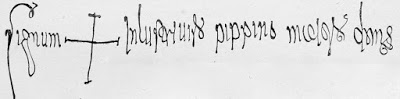
Signature of Pepin the Short
Pepin the Short
 Artifact
Secondary source
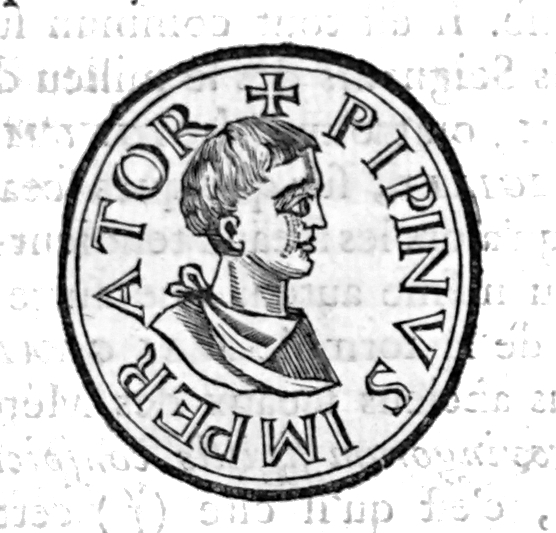
Seal of Pepin the Short
René Tassin
 Book
Secondary source
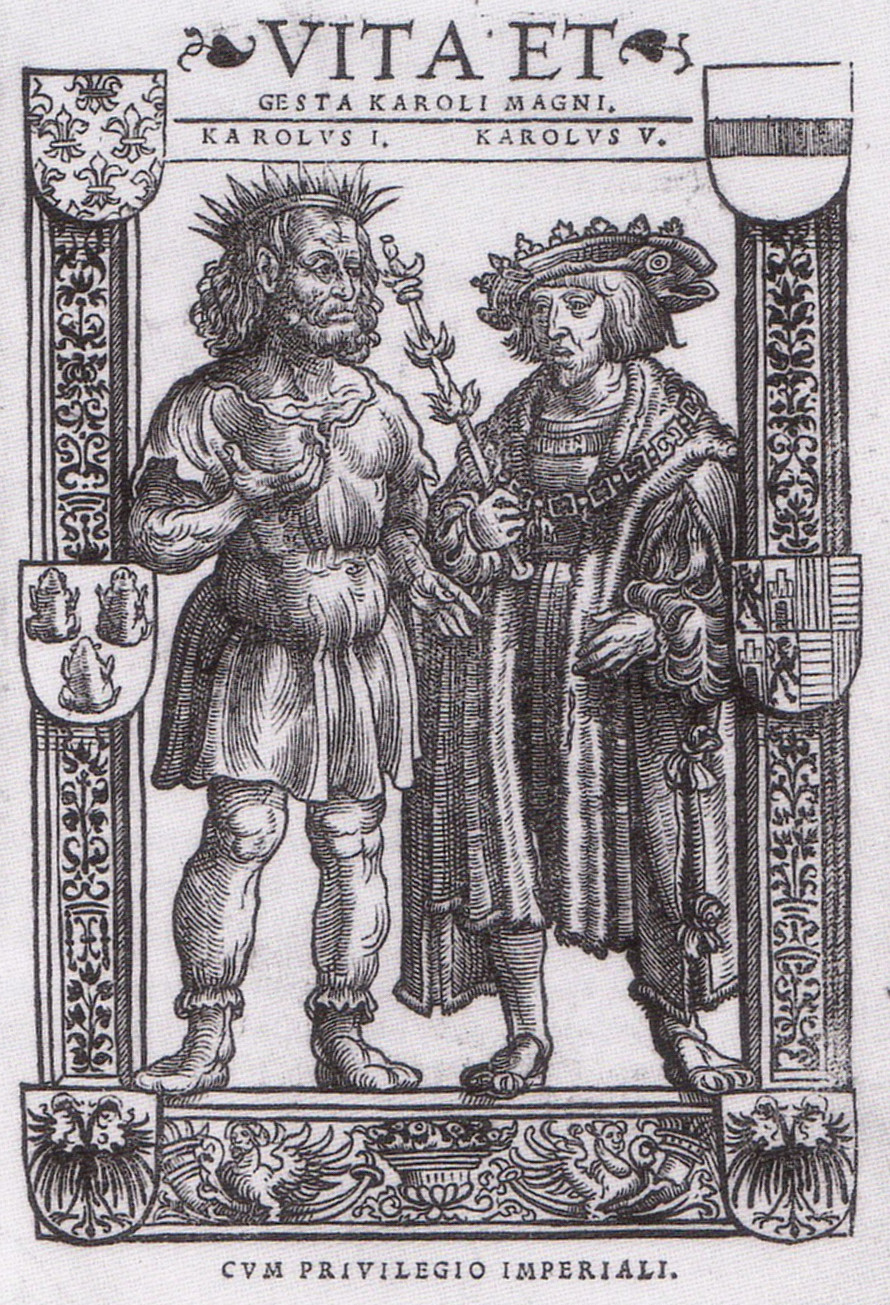
Vita Karoli Magni
Einhard · c. 817-833
Free account
Read every Pepin the Short source
Sign up free →
Ready when you are
Start chatting with Pepin the Short now.
20 messages free · No credit card · Available in 50+ languages.