


Secondary sourcePainting1294
Portrait of Kublai Khan by Anige
Anige of Nepal · 1294
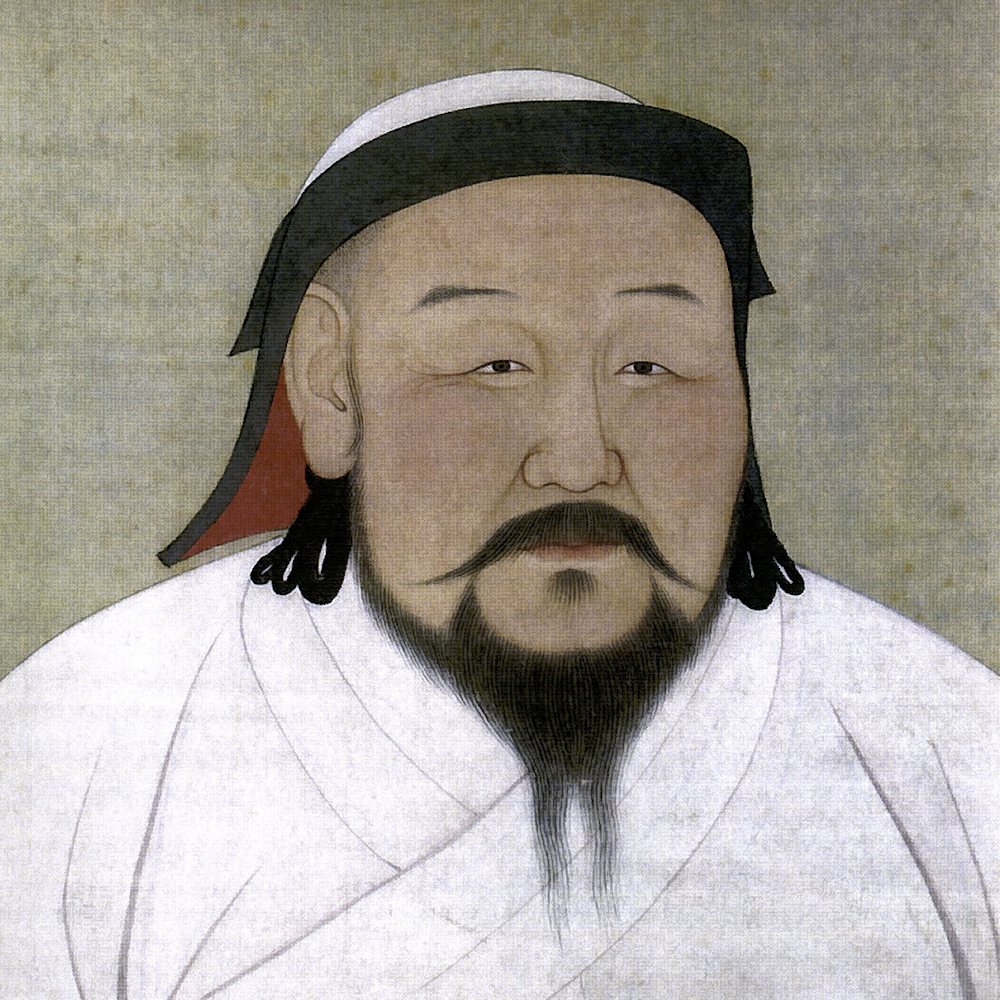
A posthumous painted portrait of Kublai Khan made shortly after his death by Anige, a Nepalese artist and astronomer at his court.
A posthumous portrait of Kublai Khan painted by his court artist and confidant Anige shortly after his death.
About this source
What it is
This silk painting in the Chinese portrait style shows Kublai Khan, founder of the Yuan dynasty. It was painted by Anige, a Nepalese astronomer, engineer and painter who worked closely with Kublai, shortly after the emperor's death in 1294. It is kept today in the National Palace Museum in Taipei.
Why it matters
Because Anige knew Kublai personally, the portrait is often treated as a trustworthy image of his appearance, even though it was made after his death and in an idealized court style. The white robe is thought to symbolize Kublai's role as a Mongol shaman-ruler blending Mongol and Chinese traditions.
Look closer
- What does the clothing and headwear suggest about how Kublai wanted to be remembered?
- Why might a court artist choose to show an idealized version rather than Kublai's appearance late in life?
- How does knowing the artist was close to Kublai change how we read this image?
This painting is part of the curated material that grounds the AI version of Kublai Khan on Humy.ai — when students ask about related events, the AI can quote it and cite it.
More Kublai Khan sources
Browse all 81 →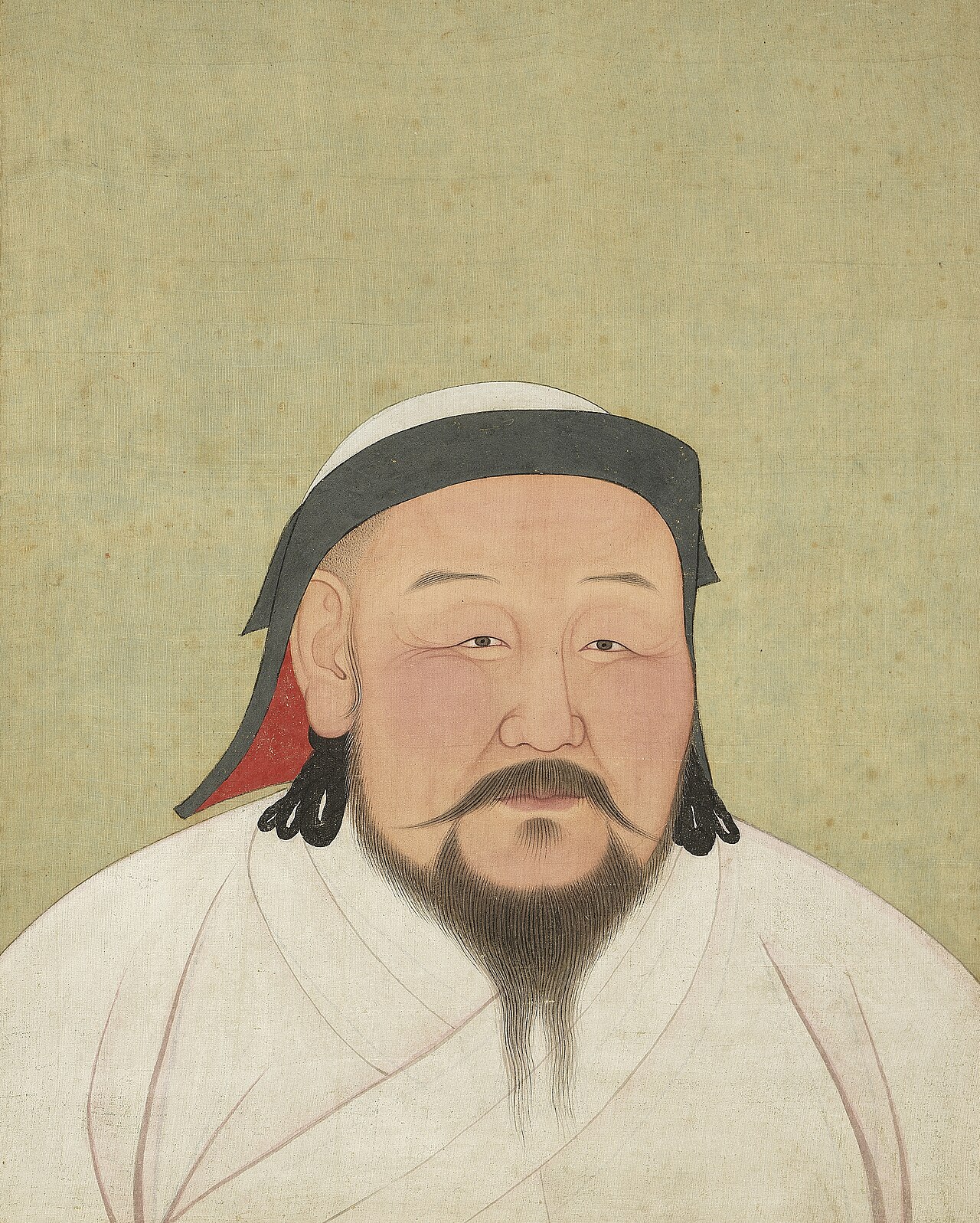 Painting
Secondary source
Portrait of Kublai Khan
Circle of Anige
 Book
Primary source
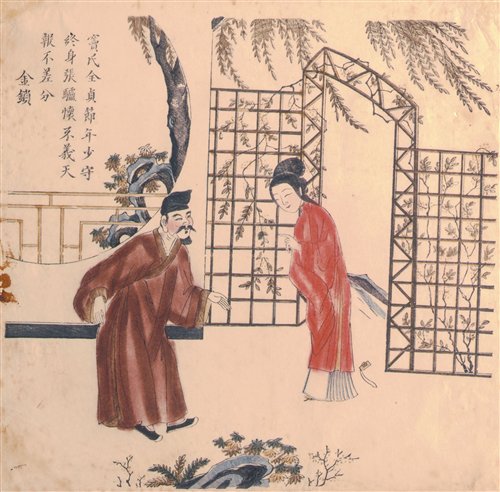
The Injustice to Dou E
Guan Hanqing · 1292
 Book
Secondary source
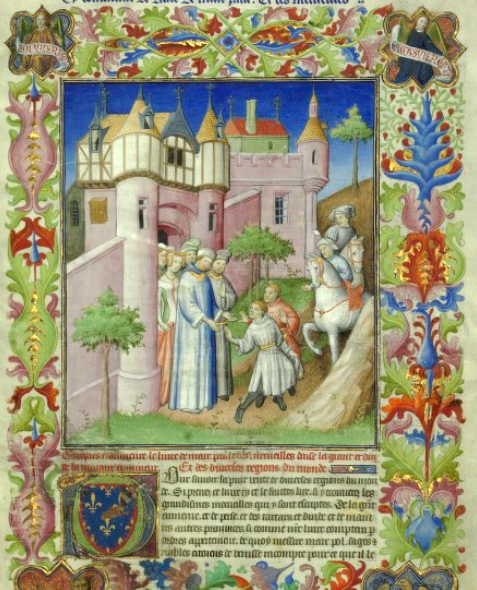
The Travels of Marco Polo
Rustichello da Pisa · 1298
 Book
Primary source
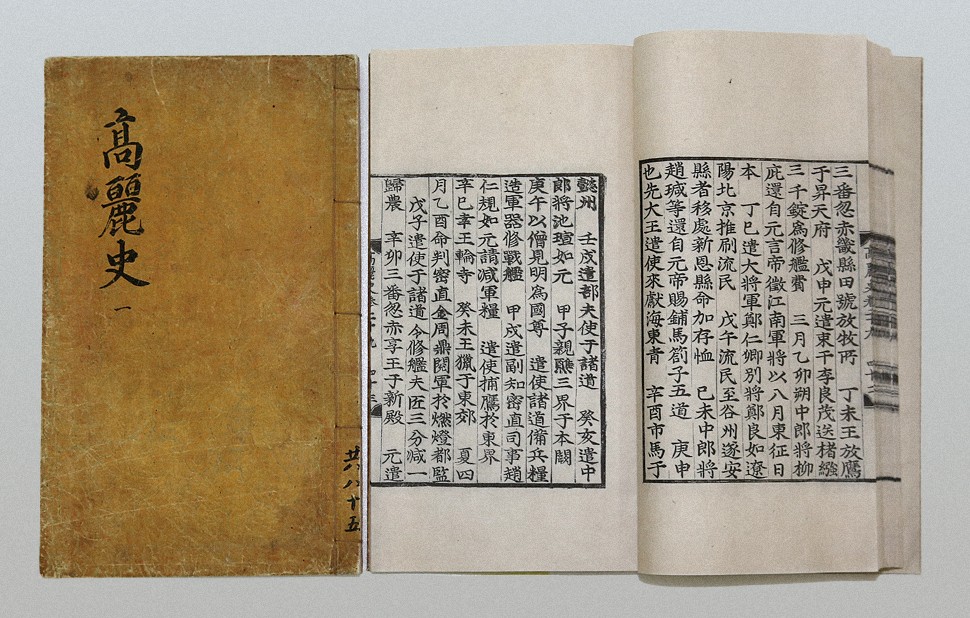
Goryeosa
Chŏng Inji · completed 1451
Free account
Read every Kublai Khan source
Sign up free →
Ready when you are
Start chatting with Kublai Khan now.
20 messages free · No credit card · Available in 50+ languages.