


Secondary sourceSculpture1830
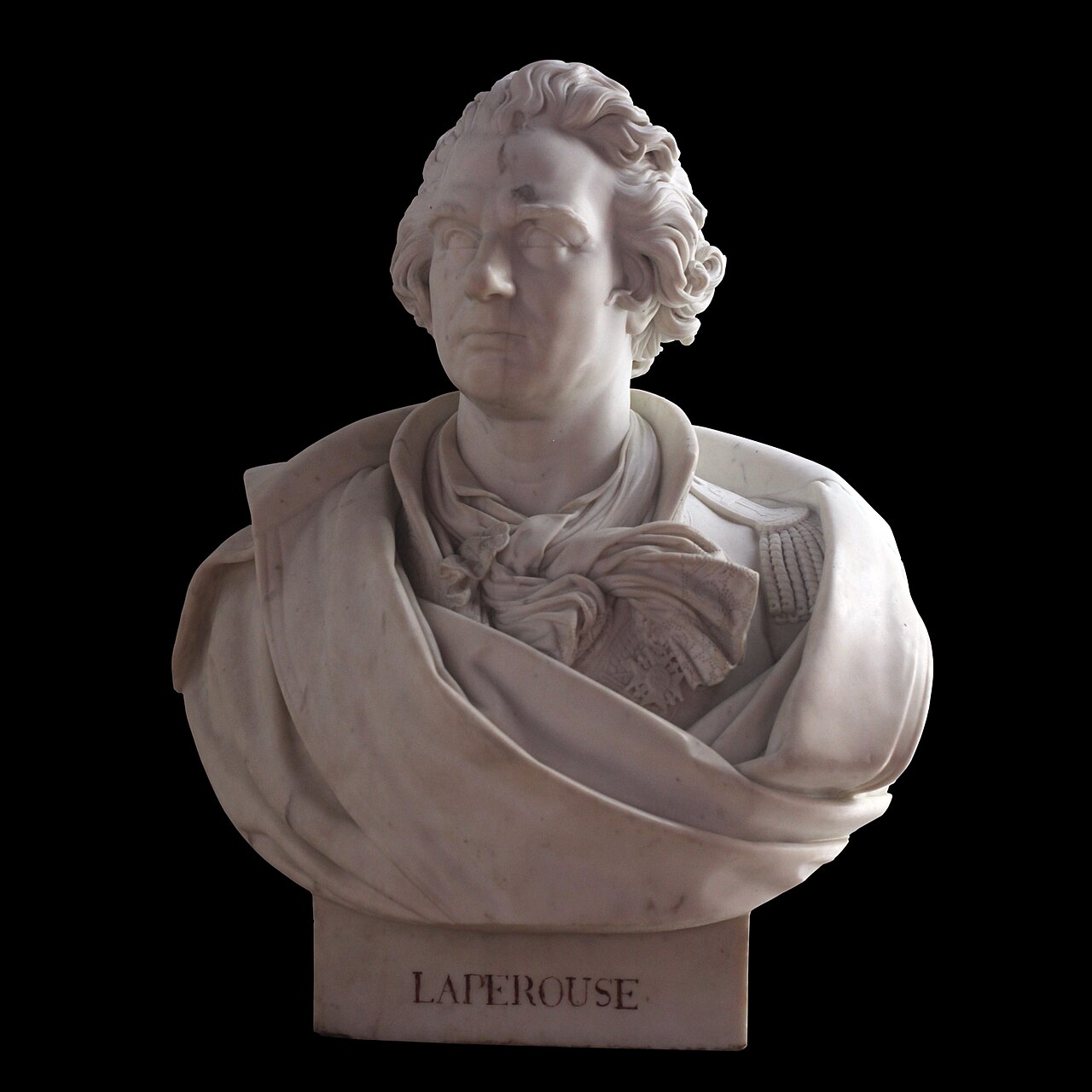
Portrait of Lapérouse
François Rude · 1830
A marble bust of La Pérouse sculpted by François Rude in 1830, made soon after the wreck site of his expedition was located.
This posthumous bust of La Pérouse shows how he was heroized in France after the discovery of his ships' wreck site.
About this source
What it is
This white marble bust, inscribed 'LAPEROUSE', was created by the sculptor François Rude in 1830. It shows La Pérouse with curly hair, wearing a cloak over a military-style uniform with an epaulette and cravat. It is now held in the collections of the Musée national de la Marine in Paris.
Why it matters
Made soon after the discovery of the wreck site of his ships, this bust reflects how La Pérouse was remembered and honoured as a national hero decades after his disappearance. It shows how French society turned a lost explorer into a figure of commemoration and pride, long after the facts of his fate were finally confirmed.
Look closer
- What details in the bust suggest the dignity or heroism the sculptor wanted to show?
- Why might a sculptor create this kind of portrait decades after La Pérouse's death?
- What can't a sculpture like this tell us about what actually happened to La Pérouse?
This sculpture is part of the curated material that grounds the AI version of Jean-François de Galaup, comte de Lapérouse on Humy.ai — when students ask about related events, the AI can quote it and cite it.
More Jean-François de Galaup, comte de Lapérouse sources
Browse all 95 →Primary source
Voyage de La Pérouse autour du monde
Louis Marie de Milet de Mureau · 1797
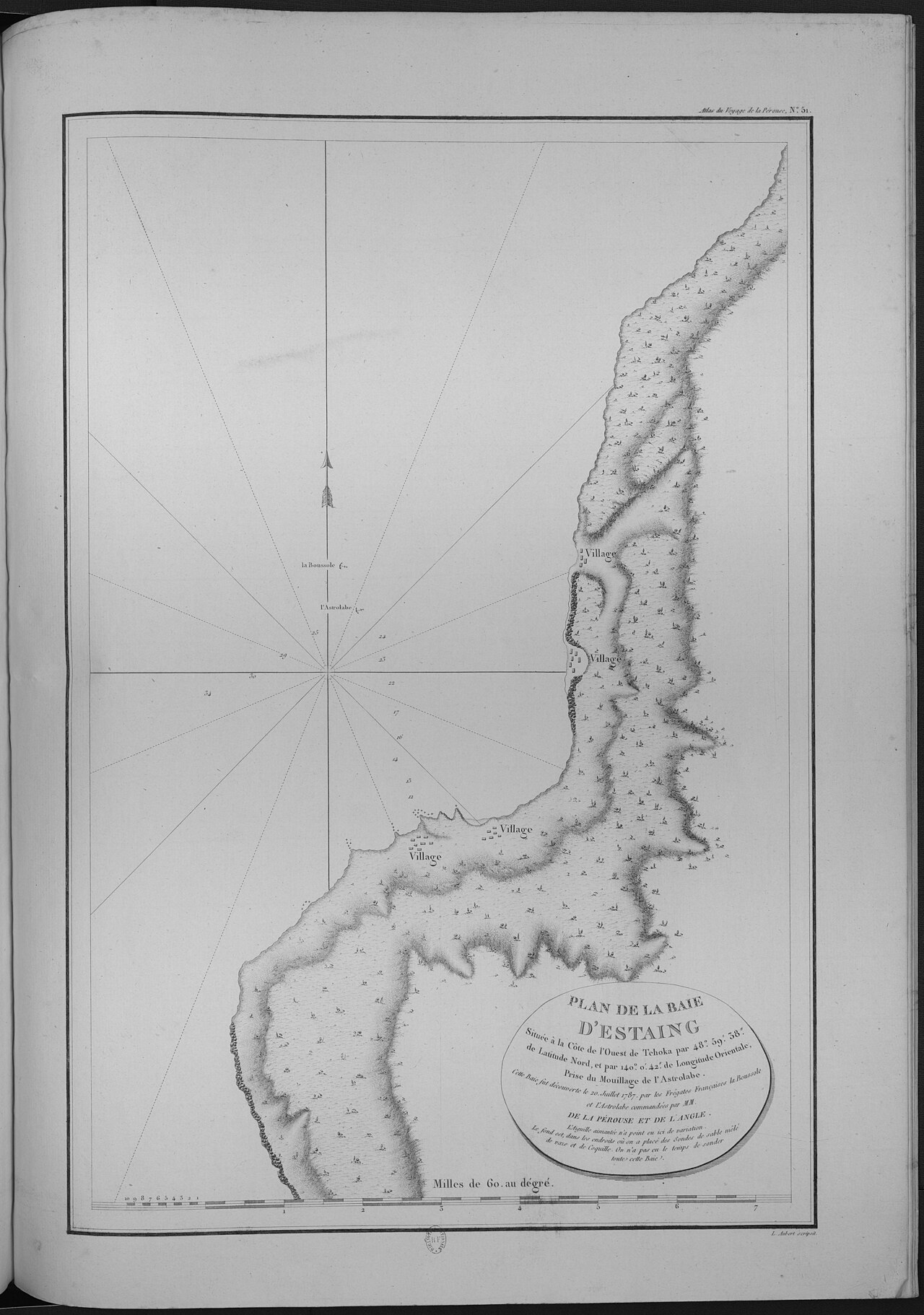 Document
Primary source
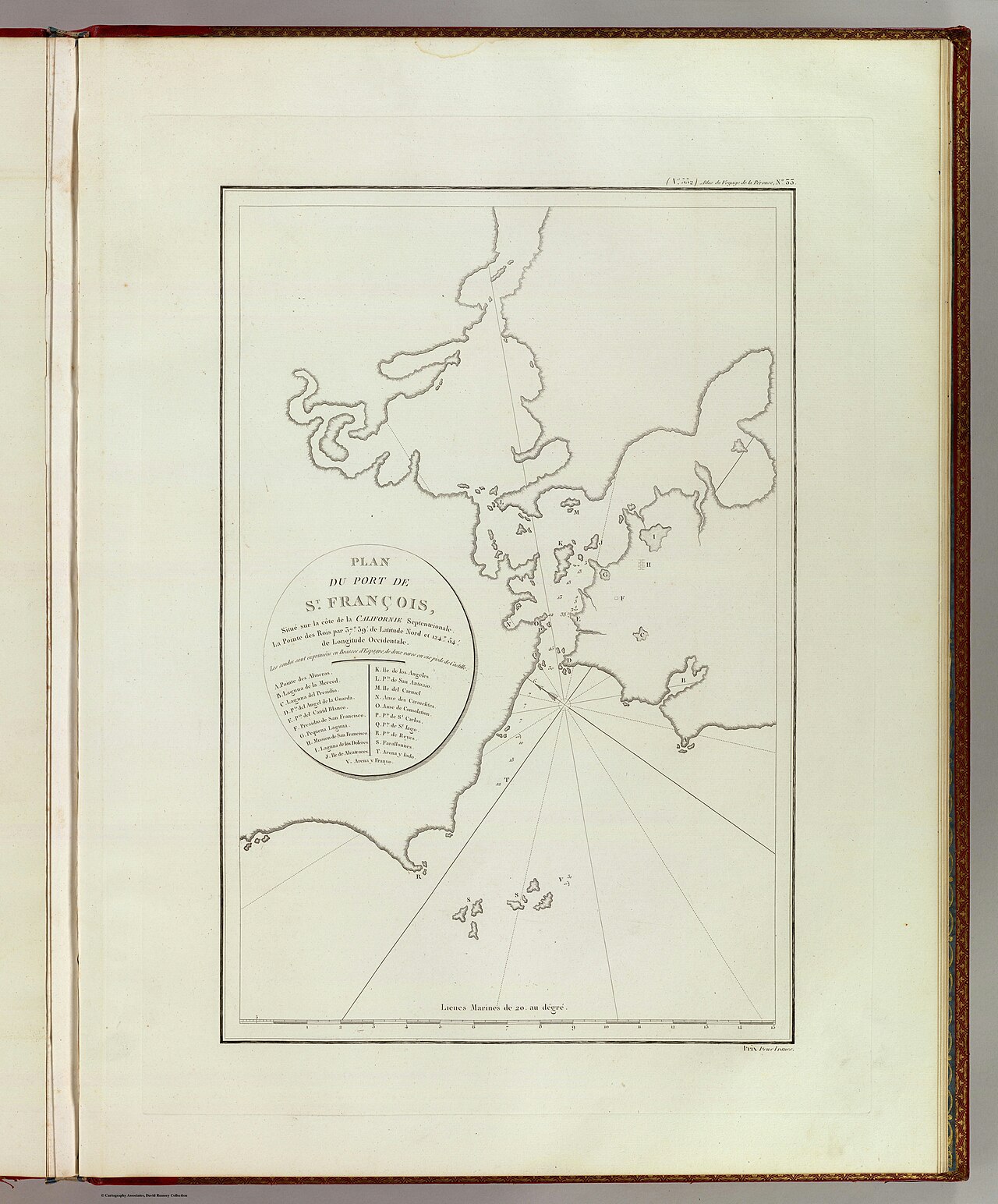
Atlas du voyage de La Pérouse
Jean-François de La Pérouse and expedition officers · 1797
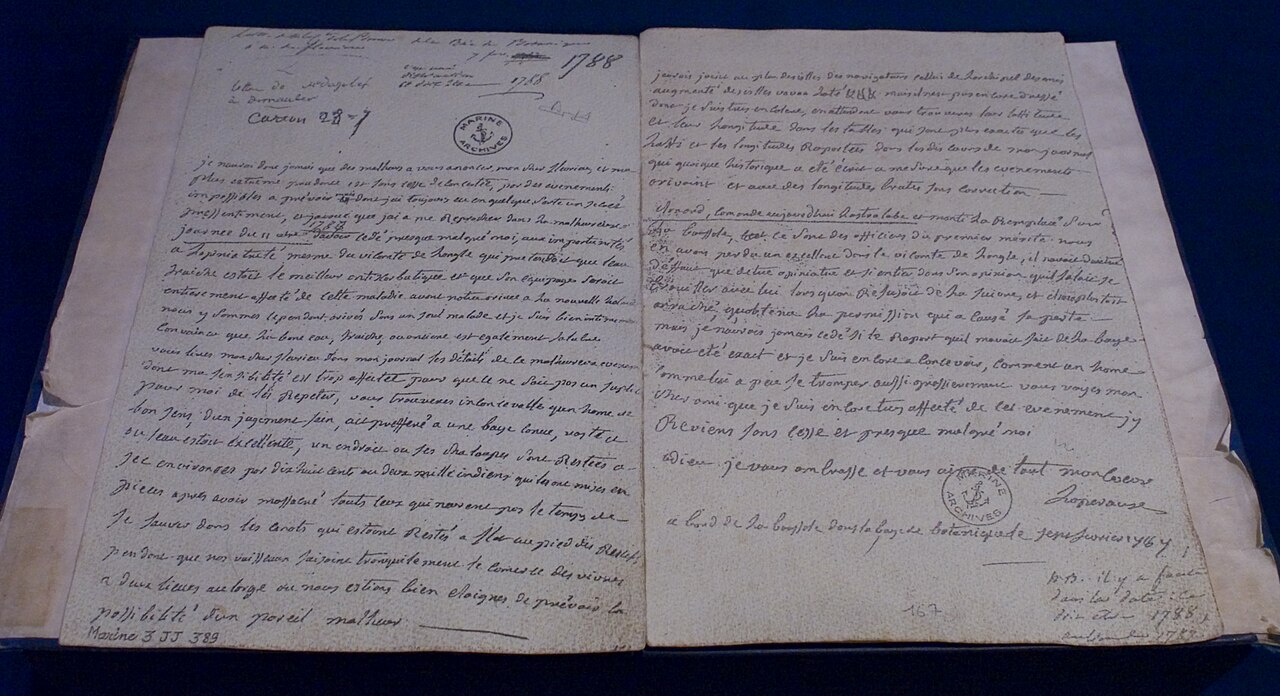 Letter
Primary source
Last letter La Pérouse
Jean-François de La Pérouse · February 1788
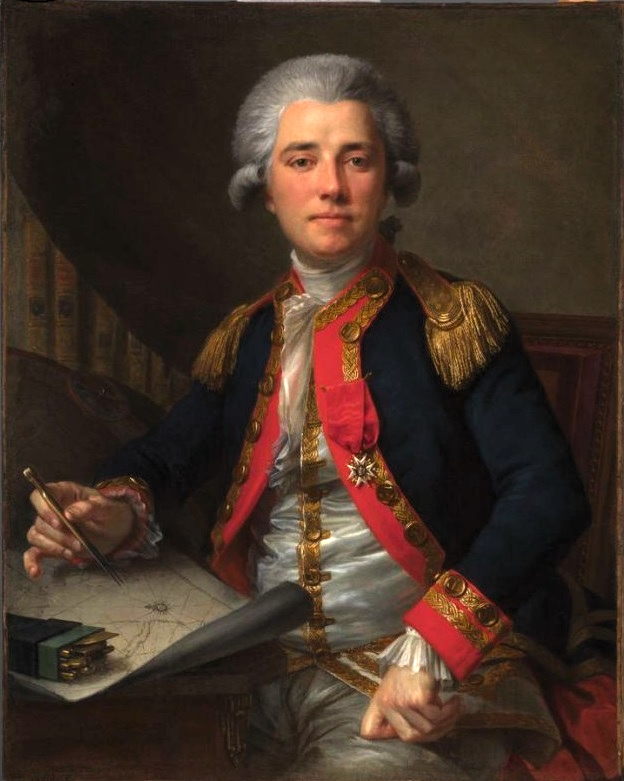 Painting
Primary source
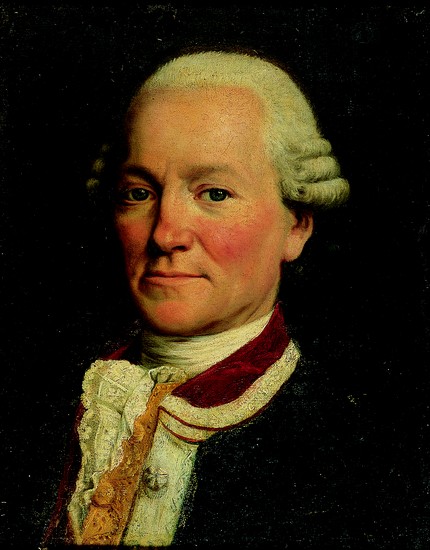
Portrait of Jean-François de Galaup, comte de La Pérouse
Geneviève Brossard de Beaulieu · 1778

Free account
Read every Jean-François de Galaup, comte de Lapérouse source
Sign up free →
Ready when you are
Start chatting with Jean-François de Galaup, comte de Lapérouse now.
20 messages free · No credit card · Available in 50+ languages.