


Primary sourcePhotograph1922
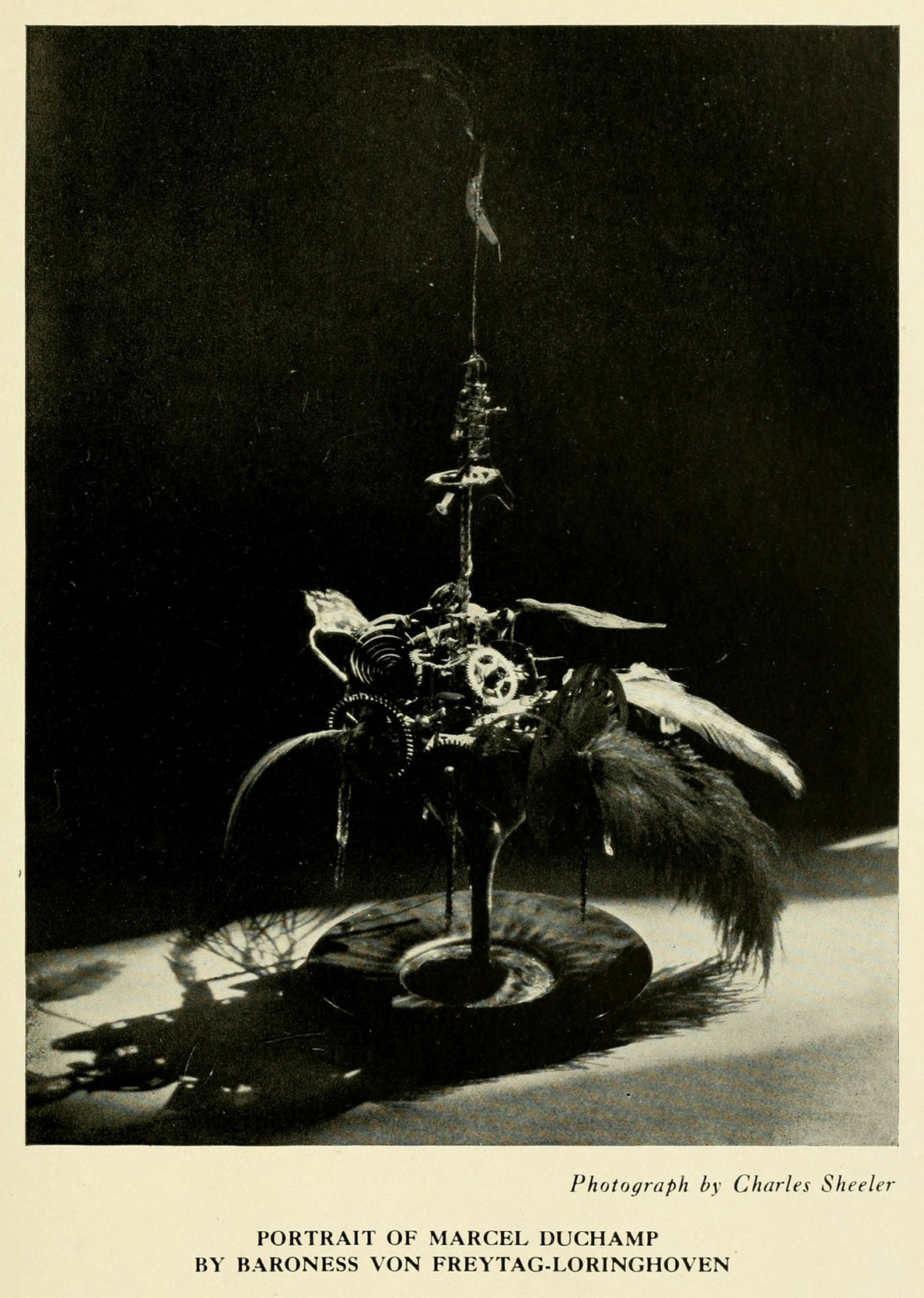
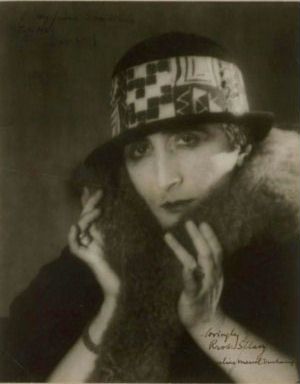
Portrait of Marcel Duchamp by Baroness Elsa
Charles Sheeler · 1922
A 1922 photograph of a sculptural assemblage portrait of Duchamp, made by Baroness Elsa von Freytag-Loringhoven and published in The Little Review.
This assemblage portrait, made and photographed during Duchamp's lifetime, shows how fellow Dada artists depicted him.
About this source
What it is
This is a black-and-white photograph by Charles Sheeler of a sculptural assemblage portrait of Marcel Duchamp created by Baroness Elsa von Freytag-Loringhoven. It was published in The Little Review magazine in winter 1922.
Why it matters
The piece shows how Duchamp was seen by fellow avant-garde artists in New York. Rather than a realistic likeness, the portrait uses gears, springs, and feathers—materials typical of Dada assemblage—to suggest his personality and ideas. It reflects the experimental artistic circles Duchamp moved in during his American years.
Look closer
- What do the mechanical and natural materials in the sculpture suggest about how the Baroness saw Duchamp?
- Why might an artist choose assemblage instead of a traditional portrait?
- What does the publication in a literary magazine tell us about Duchamp's artistic community?
This photograph is part of the curated material that grounds the AI version of Marcel Duchamp on Humy.ai — when students ask about related events, the AI can quote it and cite it.
More Marcel Duchamp sources
Browse all 69 →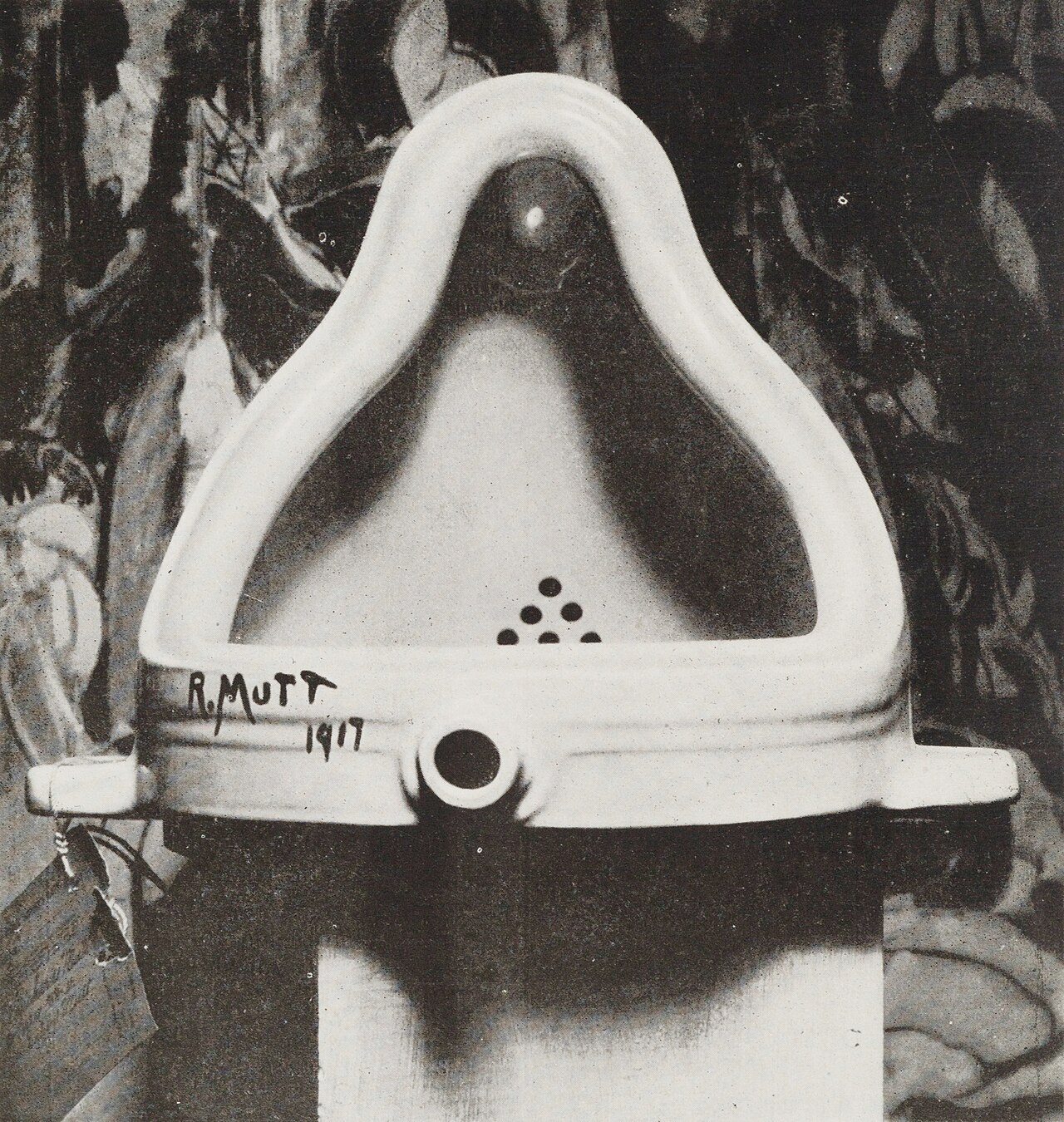 Sculpture
Primary source
Fountain
Marcel Duchamp · 1917
 Sculpture
Primary source
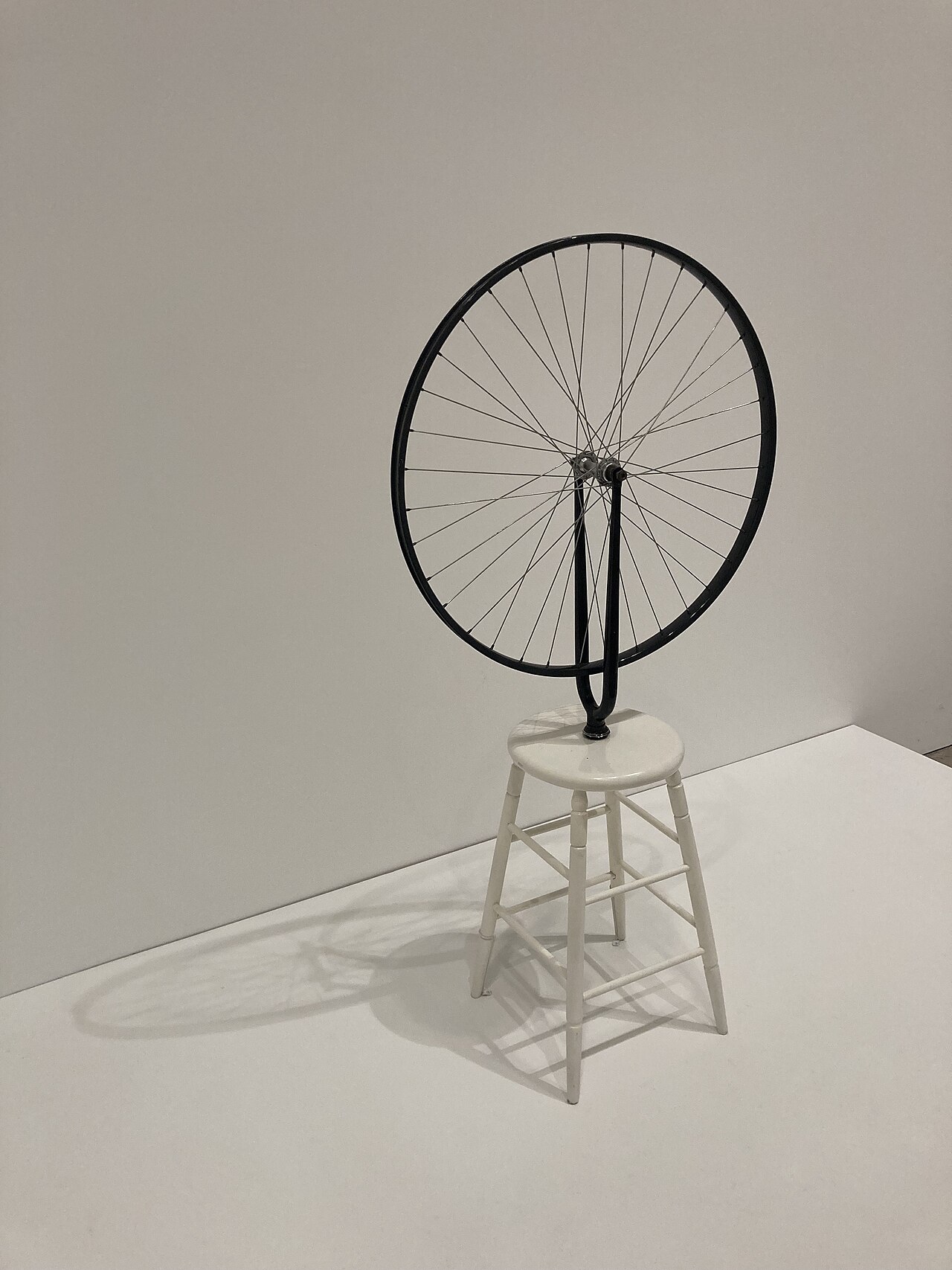
Bicycle Wheel
Marcel Duchamp · 1913
 Photograph
Primary source
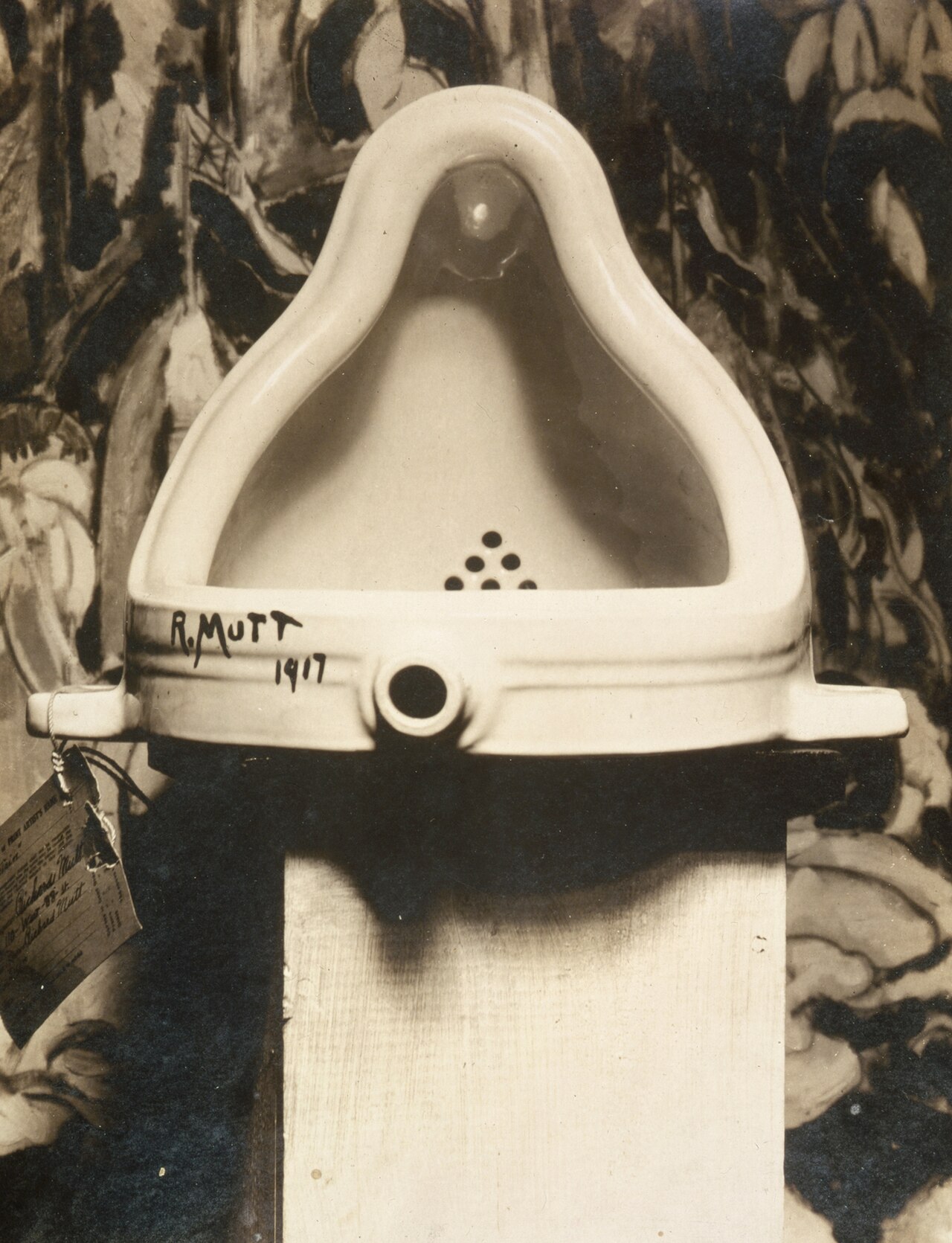
Photograph of Fountain by Alfred Stieglitz
Alfred Stieglitz · 1917
 Artifact
Primary source
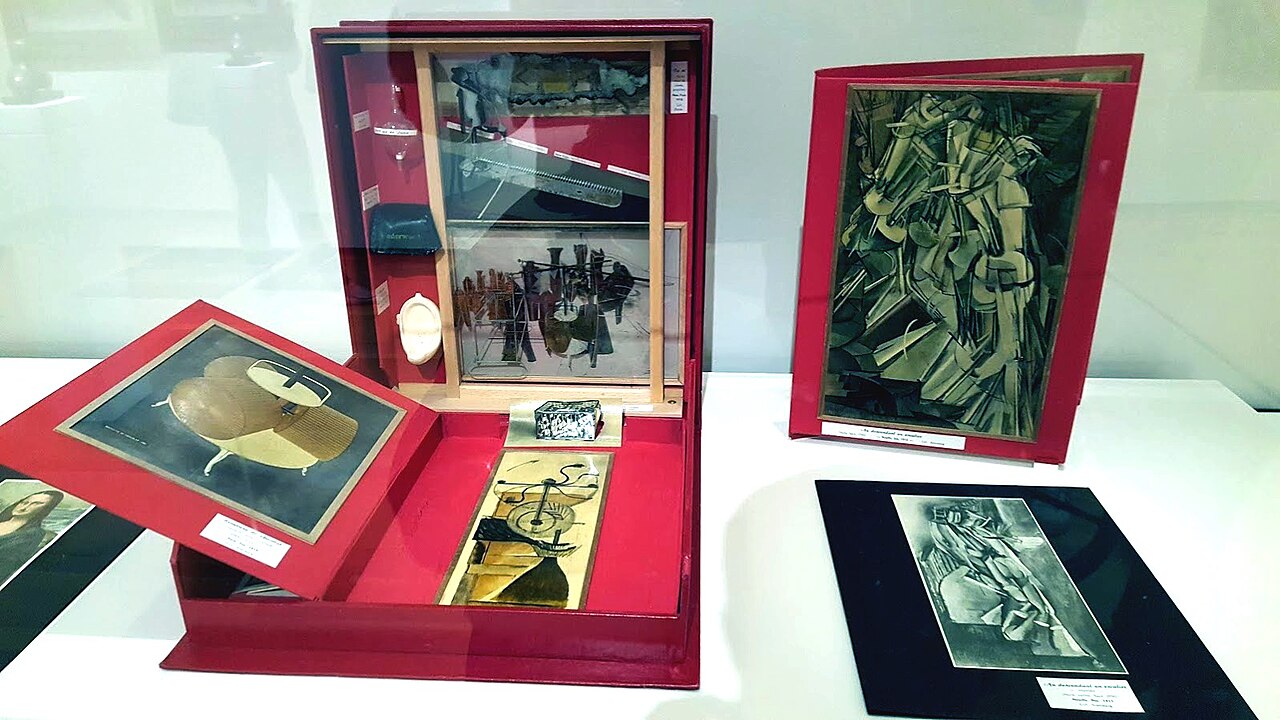
Box in a Valise
Marcel Duchamp · 1936
Free account
Read every Marcel Duchamp source
Sign up free →
Ready when you are
Start chatting with Marcel Duchamp now.
20 messages free · No credit card · Available in 50+ languages.