


Primary sourcePainting1750
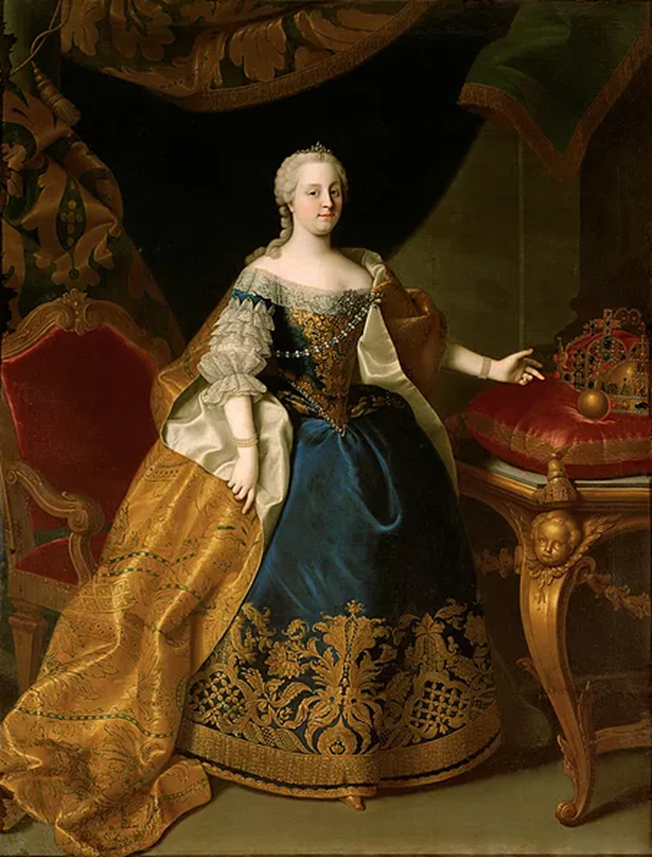
Portrait of Maria Theresa of Austria
Martin van Meytens · 1750
An official state portrait of the young Maria Theresa painted by Martin van Meytens around 1750, showing her with the crowns of her realms.
This official state portrait became the defining image of Maria Theresa as young sovereign of her realms.
About this source
What it is
This painting by Martin van Meytens, dated 1750, shows Maria Theresa in a blue and gold gown with a golden brocade mantle, a small tiara, and pearls, seated beside a crown resting on a cushion. It is held in the Maria-Theresien-Zimmer at the Hofburg Palace.
Why it matters
According to the curator's note, this state portrait of the young sovereign became the defining official image of her rule. Portraits like this were not simple likenesses but statements of power: the crown beside her and the rich fabrics were meant to show her authority as ruler of multiple kingdoms. Studying it helps show how rulers controlled how they were seen by the public.
Look closer
- What objects in the painting are meant to symbolize her power, and why?
- How does her clothing and posture suggest authority rather than simply fashion?
- What would this portrait not tell you about what being a ruler actually involved?
This painting is part of the curated material that grounds the AI version of Maria Theresa on Humy.ai — when students ask about related events, the AI can quote it and cite it.
More Maria Theresa sources
Browse all 96 →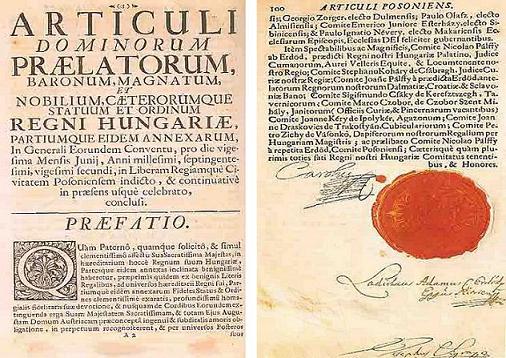 Document
Primary source
Pragmatic Sanction of 1713
Charles VI, Holy Roman Emperor · 1713
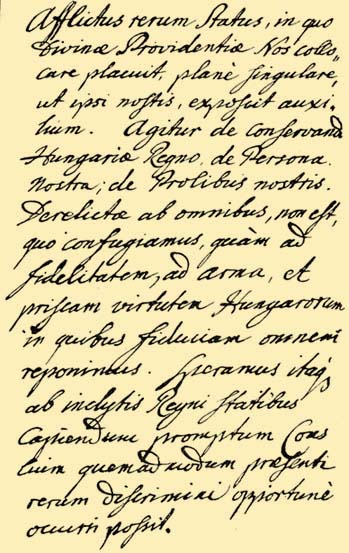 Speech
Primary source
Address to the Hungarian Diet at Pressburg
Maria Theresa · 11 September 1741
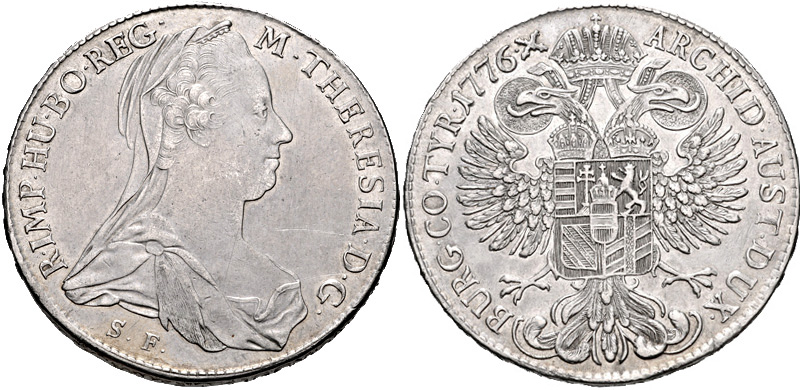 Artifact
Primary source
Maria Theresa Thaler
first minted 1741, this example dated 1780 (struck 1776)
 Painting
Primary source
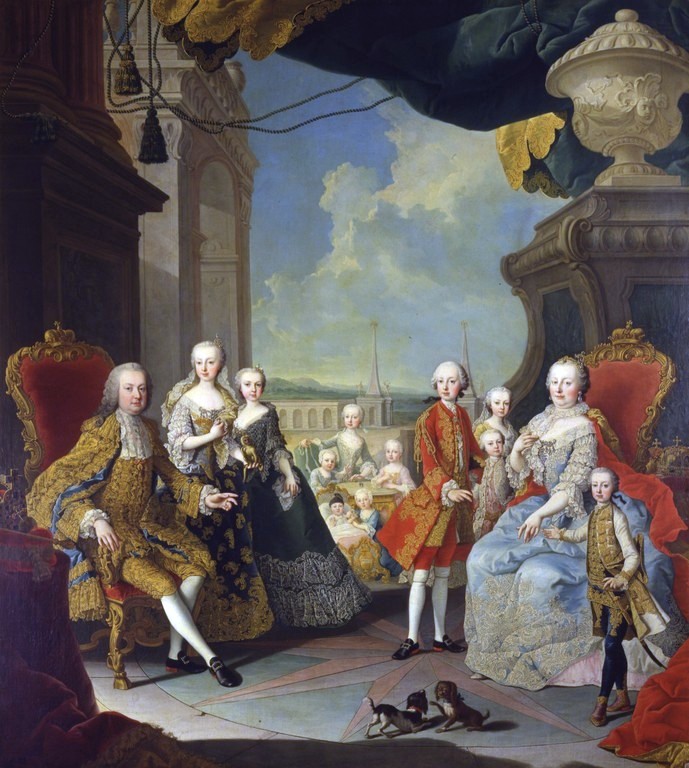
Franz Stephan and Maria Theresa Surrounded by Their Family
Martin van Meytens · 1754
Free account
Read every Maria Theresa source
Sign up free →
Ready when you are
Start chatting with Maria Theresa now.
20 messages free · No credit card · Available in 50+ languages.