


Secondary sourcePaintingc. 1620-1625
Portrait of Mary I, Maria Tudor la Sanguinaria
c. 1620-1625
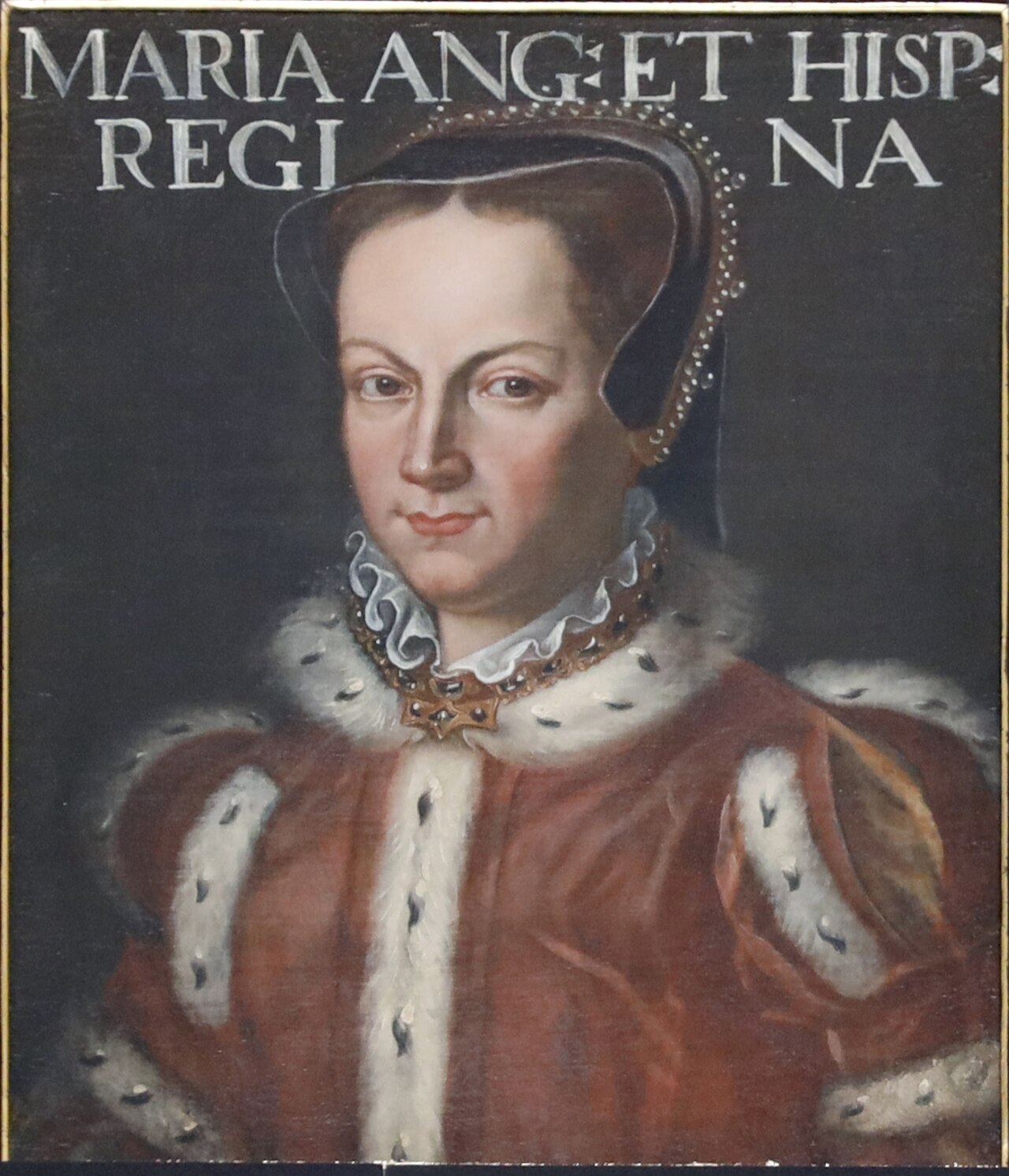
A Florentine-school oil portrait of Mary I, dated c. 1620-1625, held by the Uffizi in Florence. Its title uses a harsh nickname, 'la Sanguinaria', given later.
Shows how Mary I was portrayed and labelled in a later Florentine series, where her reputation was harshly framed.
About this source
What it is
This is an oil portrait of Mary I by a painter working in the Florentine style, dated c. 1620-1625 in the record. It shows a woman with pale skin and dark hair under a black cap edged with pearls, wearing a red-brown velvet gown trimmed with white fur, a white ruffled collar and a jeweled necklace. Gold Latin lettering across the top and bottom reads 'MARIA ANG: ET HISP: REGINA'. The painting is held by the Galleria degli Uffizi in Florence, in the Serie Gioviana, inventory number 430. The Commons record lists a name as creator, but the museum record gives only the Florentine school.
Why it matters
The portrait belongs to a series linked to the Giovian collection, which gathered images of notable people. The lettering names Mary as queen of England and Spain, which points to her marriage to Philip II. The title 'la Sanguinaria', meaning the bloody one, is a later and harsh nickname, so it reflects how her reign was judged in later times.
Look closer
- What does the Latin lettering say about Mary's titles, and which realms does it name?
- Why might a later series of portraits give a sitter a harsh nickname?
- What does the fine clothing suggest about how the painter wanted her to appear?
This painting is part of the curated material that grounds the AI version of Mary I on Humy.ai — when students ask about related events, the AI can quote it and cite it.
More Mary I sources
Browse all 95 →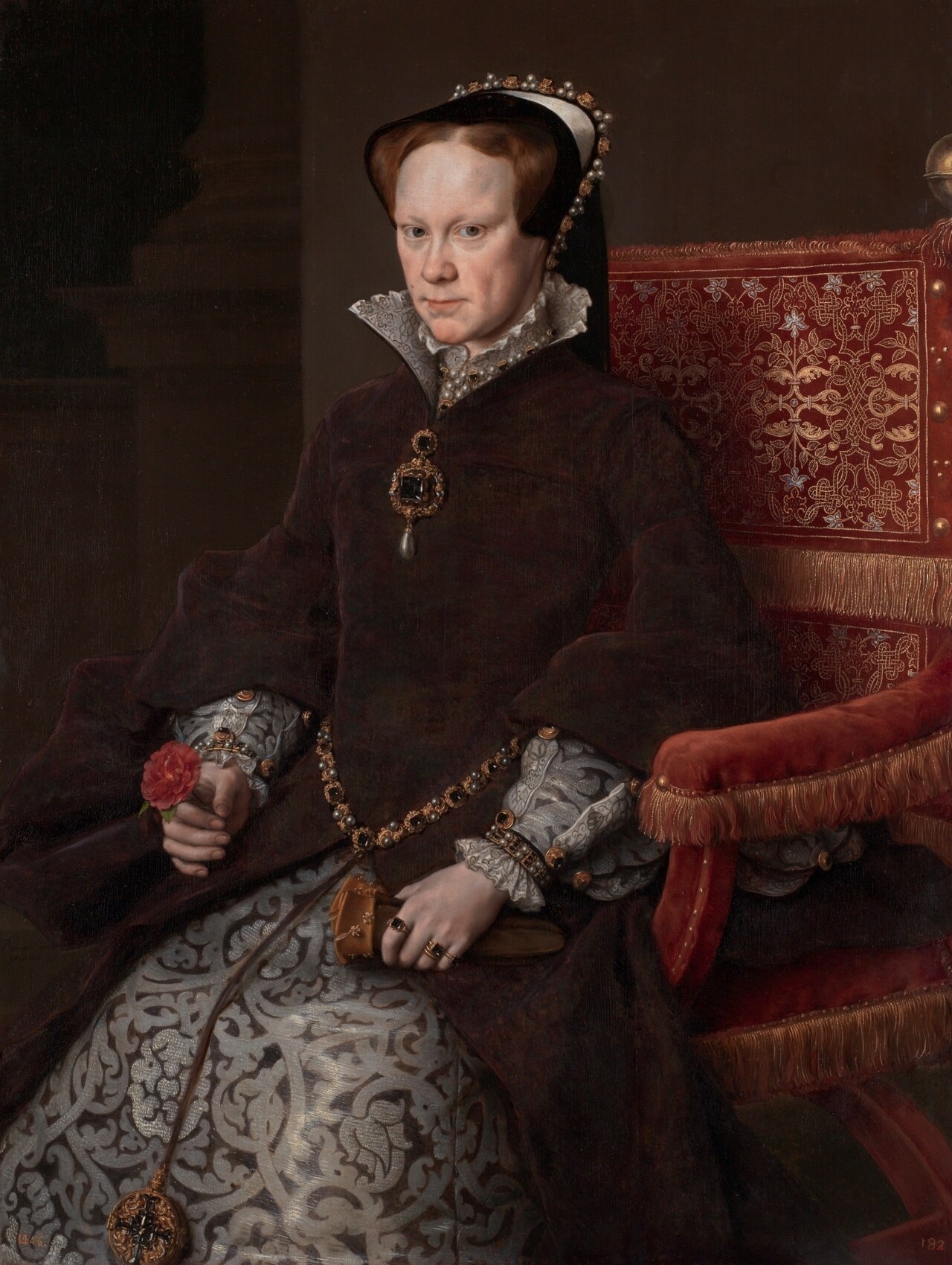 Painting
Primary source
Portrait of Mary Tudor
Antonis Mor · 1554
 Painting
Primary source
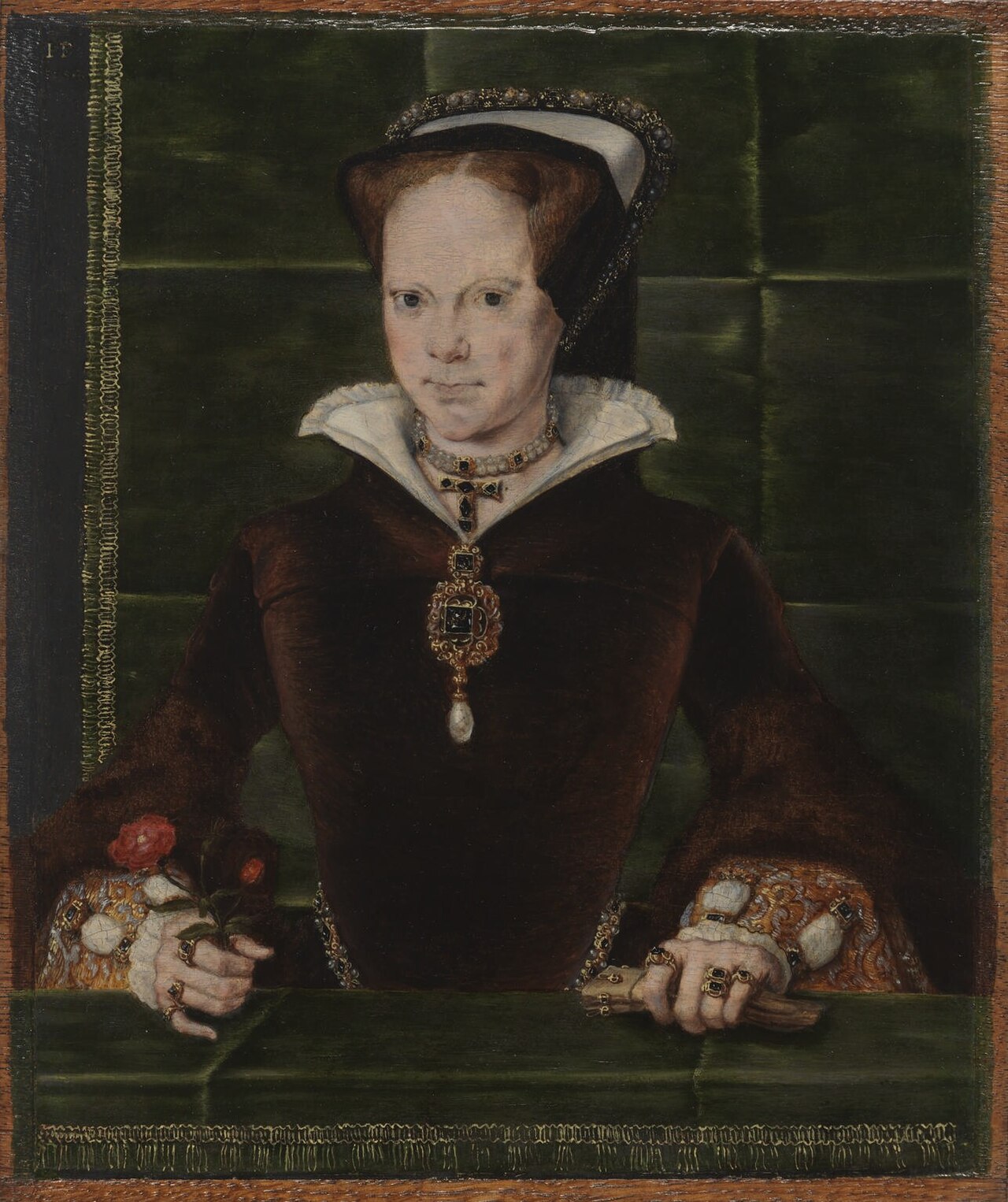
Queen Mary I
Hans Eworth · 1554
 Book
Primary source
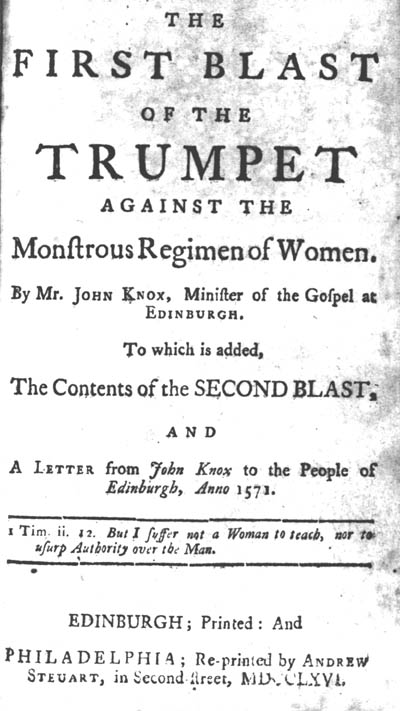
The First Blast of the Trumpet Against the Monstruous Regiment of Women
John Knox · 1558
 Painting
Primary source
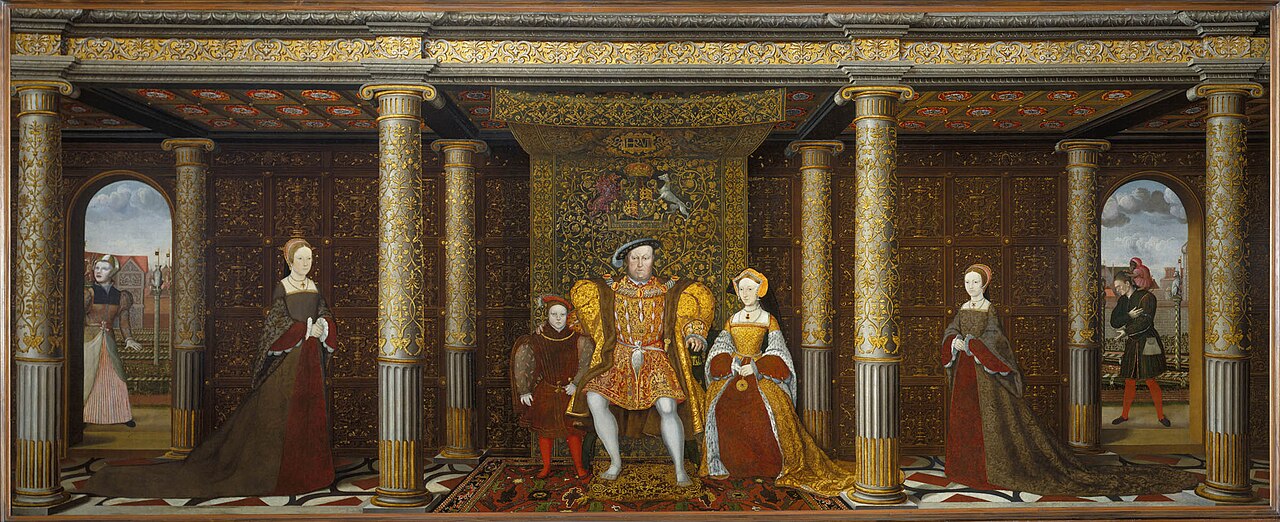
The Family of Henry VIII
British School, 16th century · 1545
Free account
Read every Mary I source
Sign up free →
Ready when you are
Start chatting with Mary I now.
20 messages free · No credit card · Available in 50+ languages.