


Primary sourcePainting1554
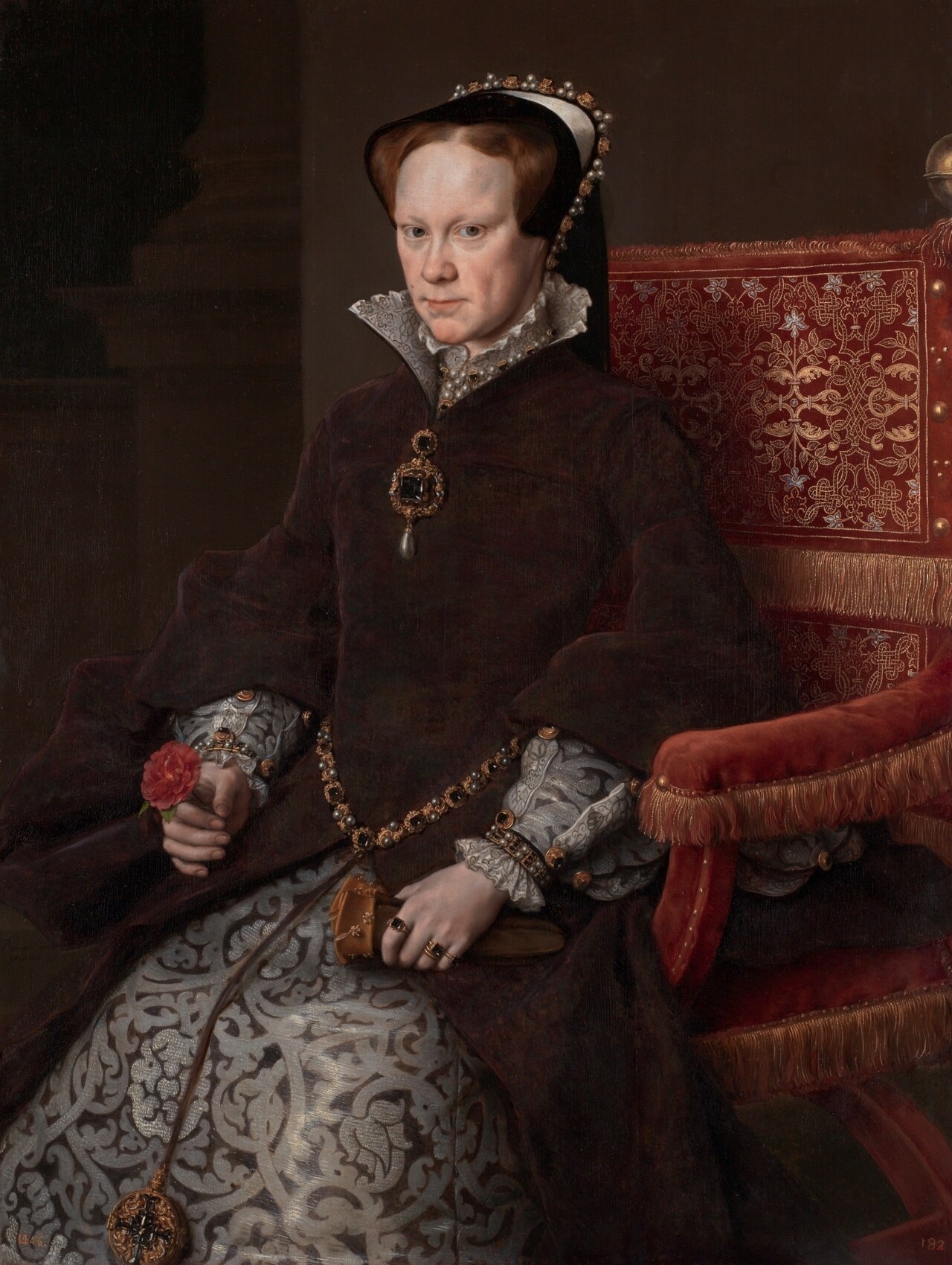
Portrait of Mary Tudor
Antonis Mor · 1554
A 1554 portrait by Antonis Mor of Mary I of England, made around her marriage to Philip, Charles V's son. It is held by the Prado.
Shows a dynastic marriage Charles arranged, linking his court to England through his son Philip and Mary I.
About this source
What it is
This is a painted portrait by Antonis Mor, dated 1554, now in the Museo del Prado. It shows a pale woman with red hair in a dark velvet gown, a pearl-trimmed black cap and a white ruff. She holds a red carnation and sits in an ornate red upholstered chair with gold fringe. The Prado's description identifies the sitter as Queen Mary I of England, daughter of Henry VIII and Catherine of Aragon, who became queen consort of Spain through her marriage to Philip II, son of Emperor Charles I of Spain.
Why it matters
The museum's note says the portrait was made in connection with the marriage Charles arranged between Philip and Mary I. Marriage portraits like this one were sent between courts so that rulers could see prospective partners, which shows how dynastic alliances were made in the sixteenth century.
Look closer
- What objects and colours does the painter use to signal wealth and status?
- Why might a portrait made for a marriage show the sitter in such a formal way?
- What does the painting leave out about the sitter's life or reign?
This painting is part of the curated material that grounds the AI version of Charles V, Holy Roman Emperor and Mary I on Humy.ai — when students ask about related events, the AI can quote it and cite it.
More Charles V, Holy Roman Emperor sources
Browse all 94 →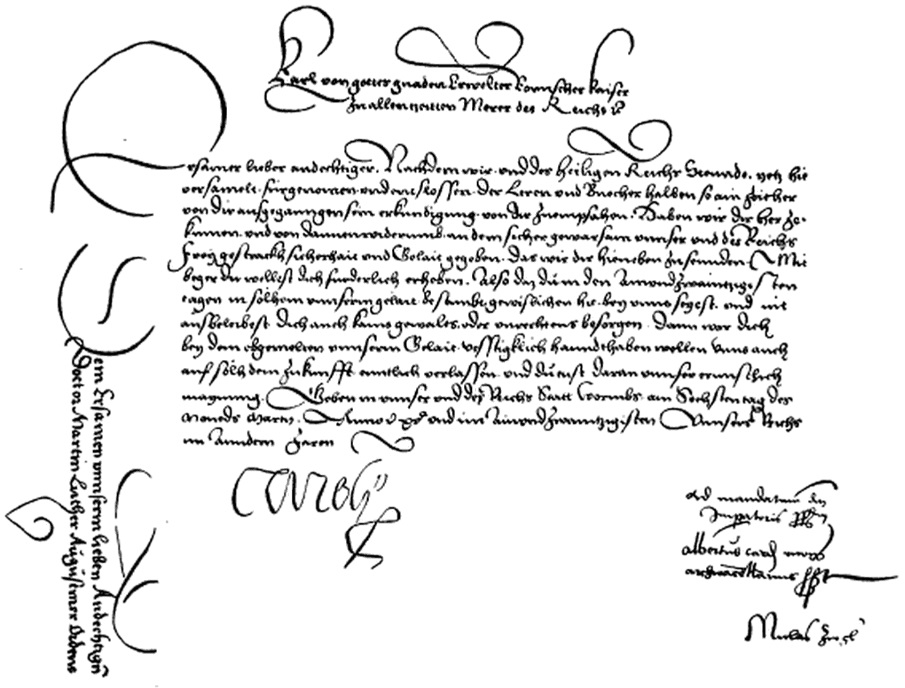 Document
Primary source
Summons for Luther to appear at the Diet of Worms
1521
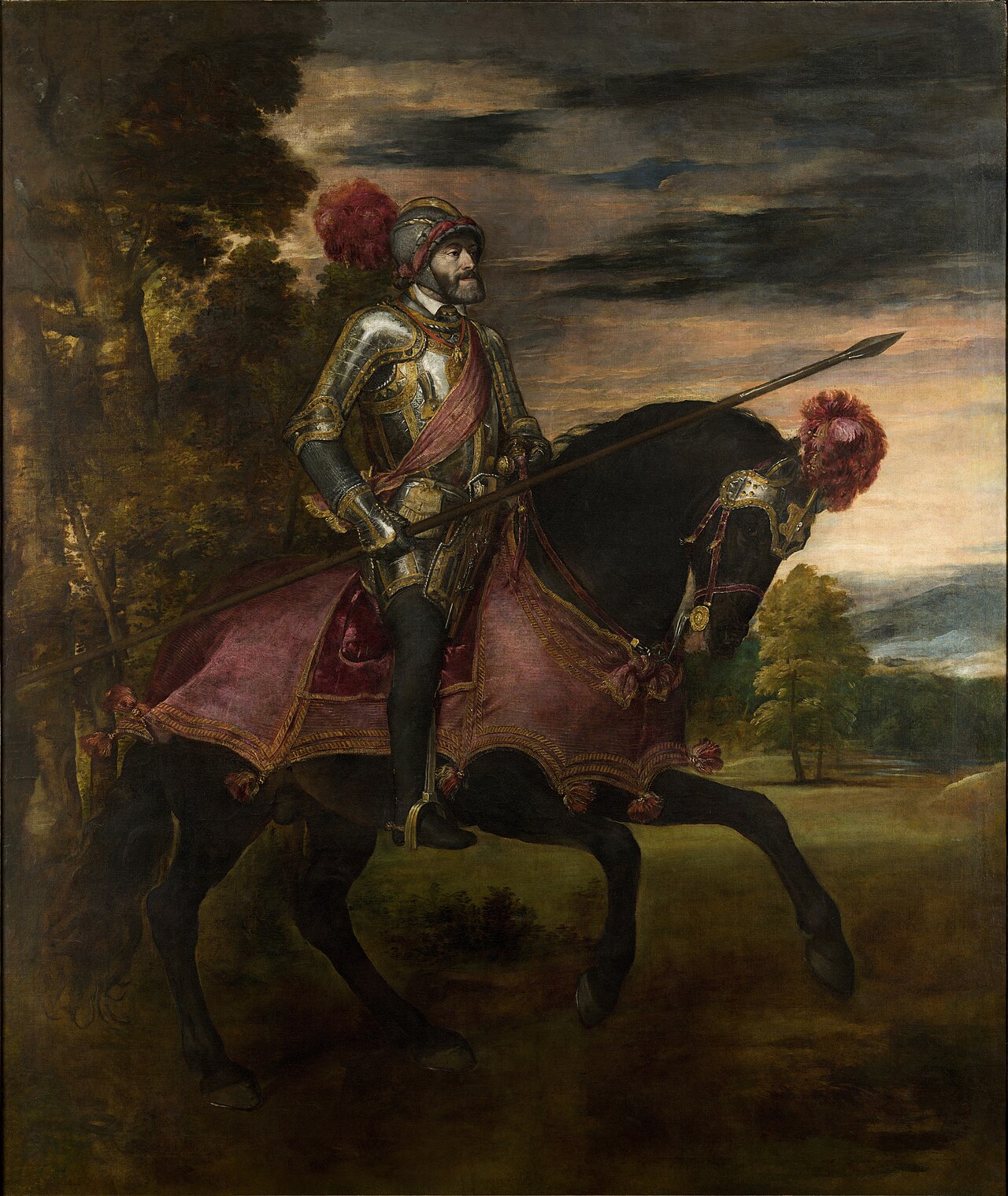 Painting
Primary source
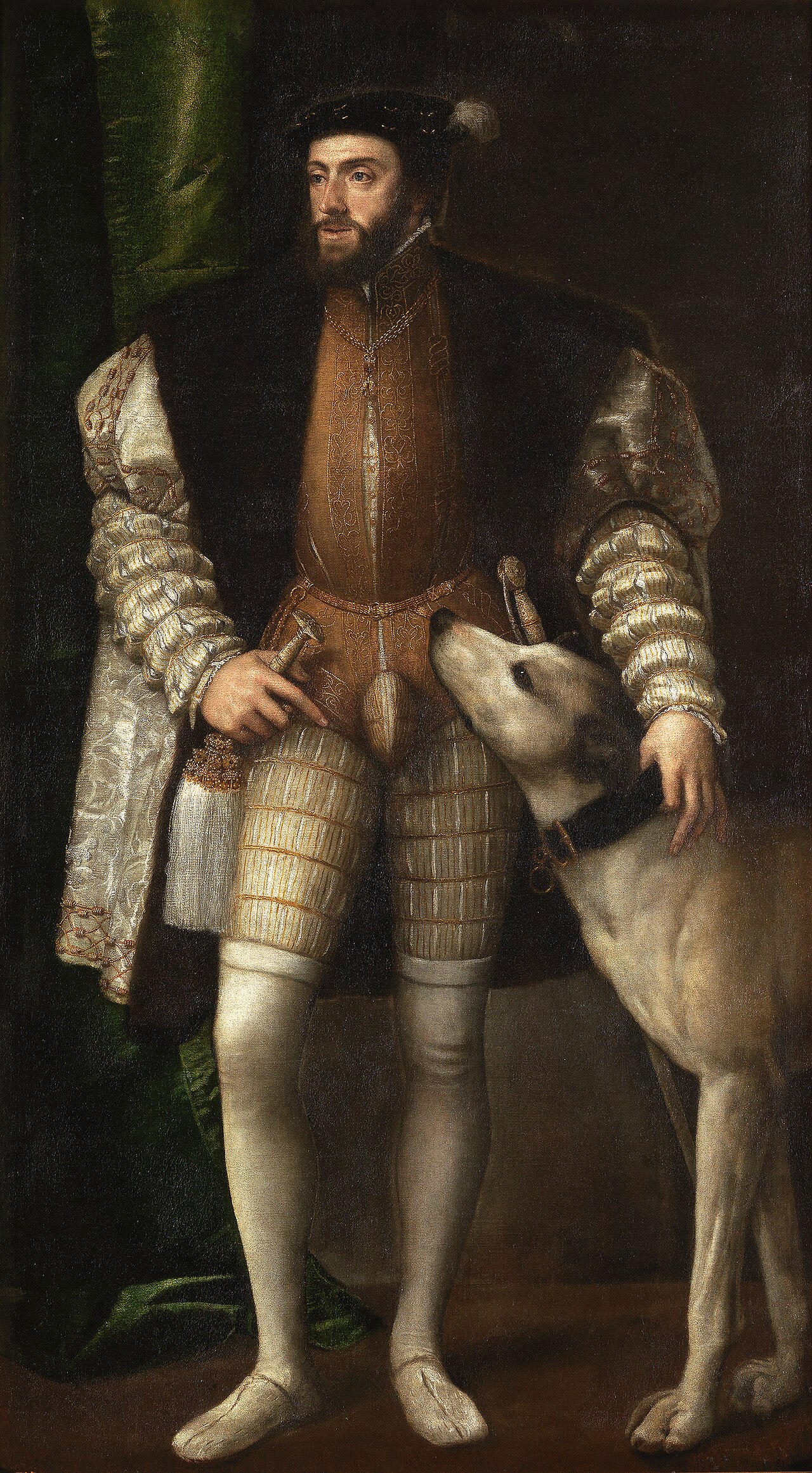
Equestrian Portrait of Charles V
Titian · 1548
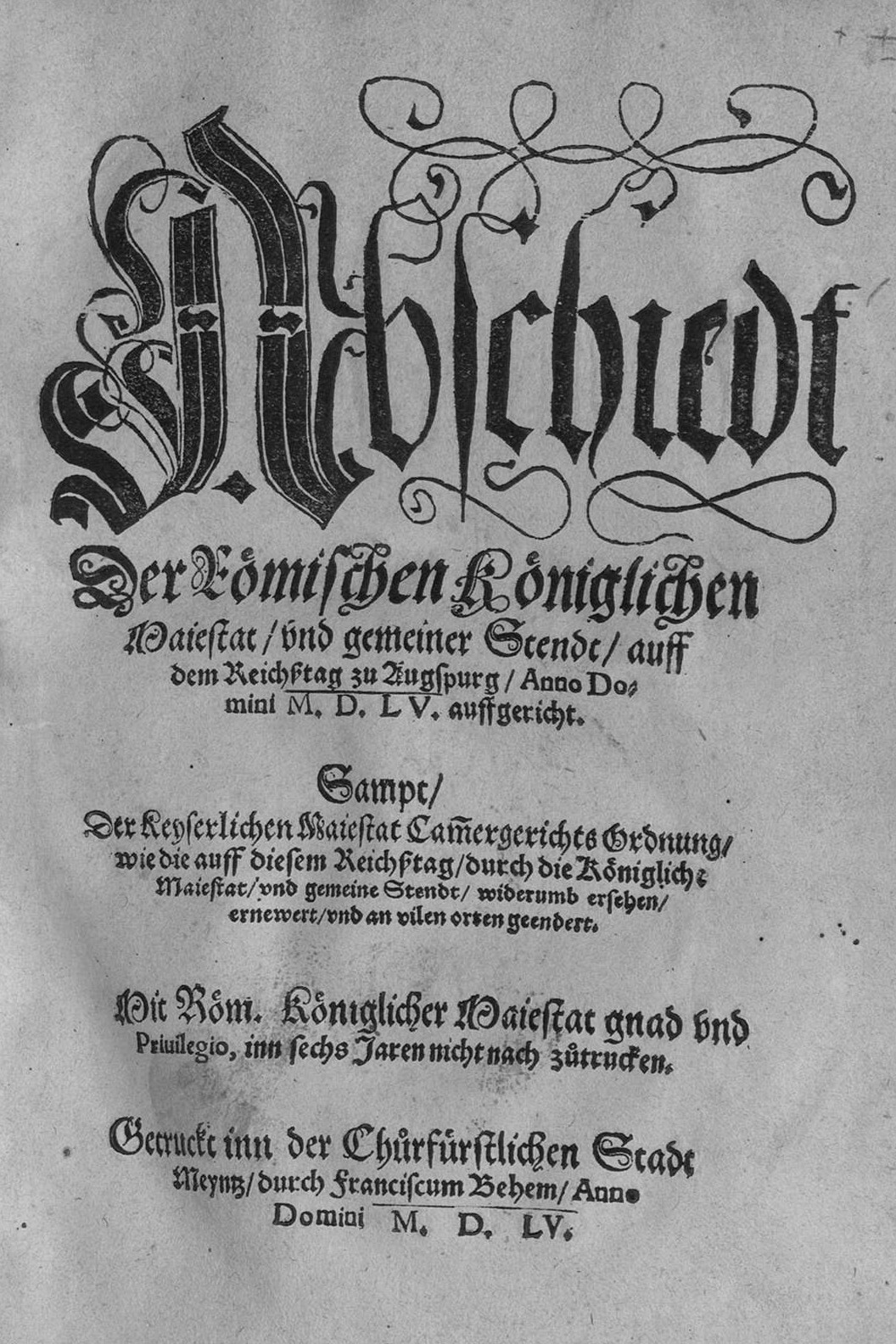 Document
Primary source
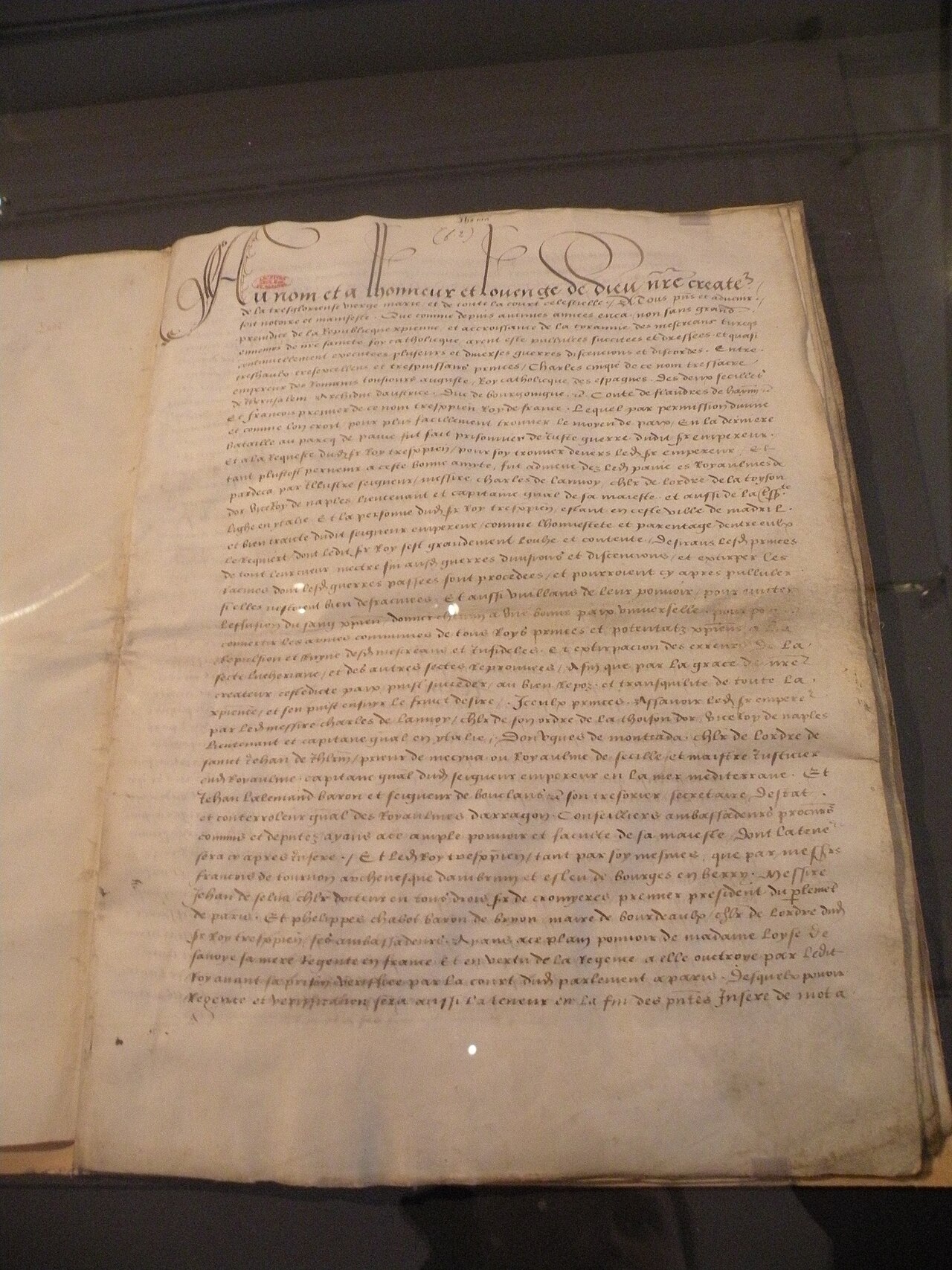
Peace of Augsburg
1555
 Letter
Primary source
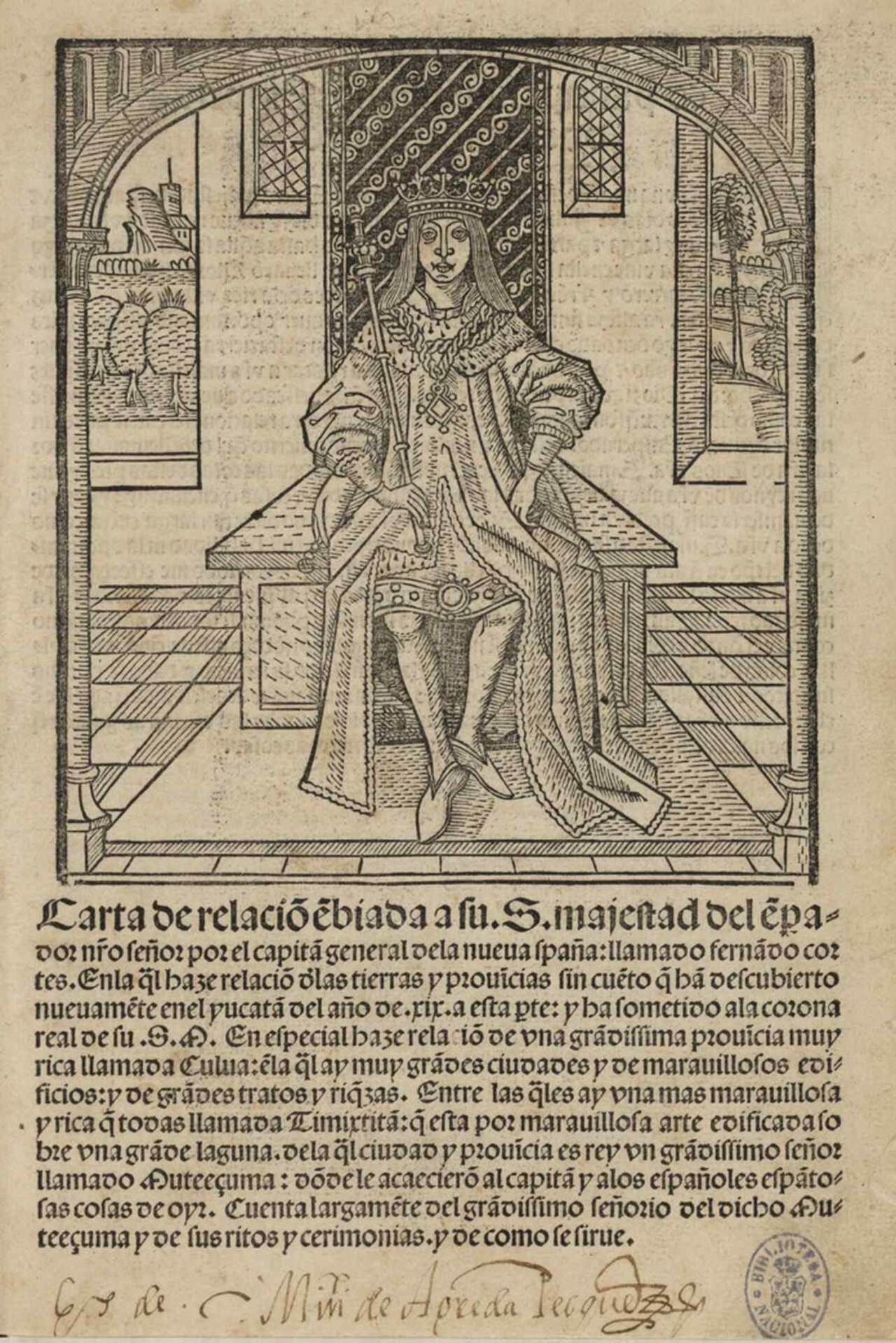
Second Letter to Charles V
Hernán Cortés · 1520 (printed 1522)
Free account
Read every Charles V, Holy Roman Emperor source
Sign up free →
Ready when you are
Start chatting with Charles V, Holy Roman Emperor now.
20 messages free · No credit card · Available in 50+ languages.