


Secondary sourcePainting1703
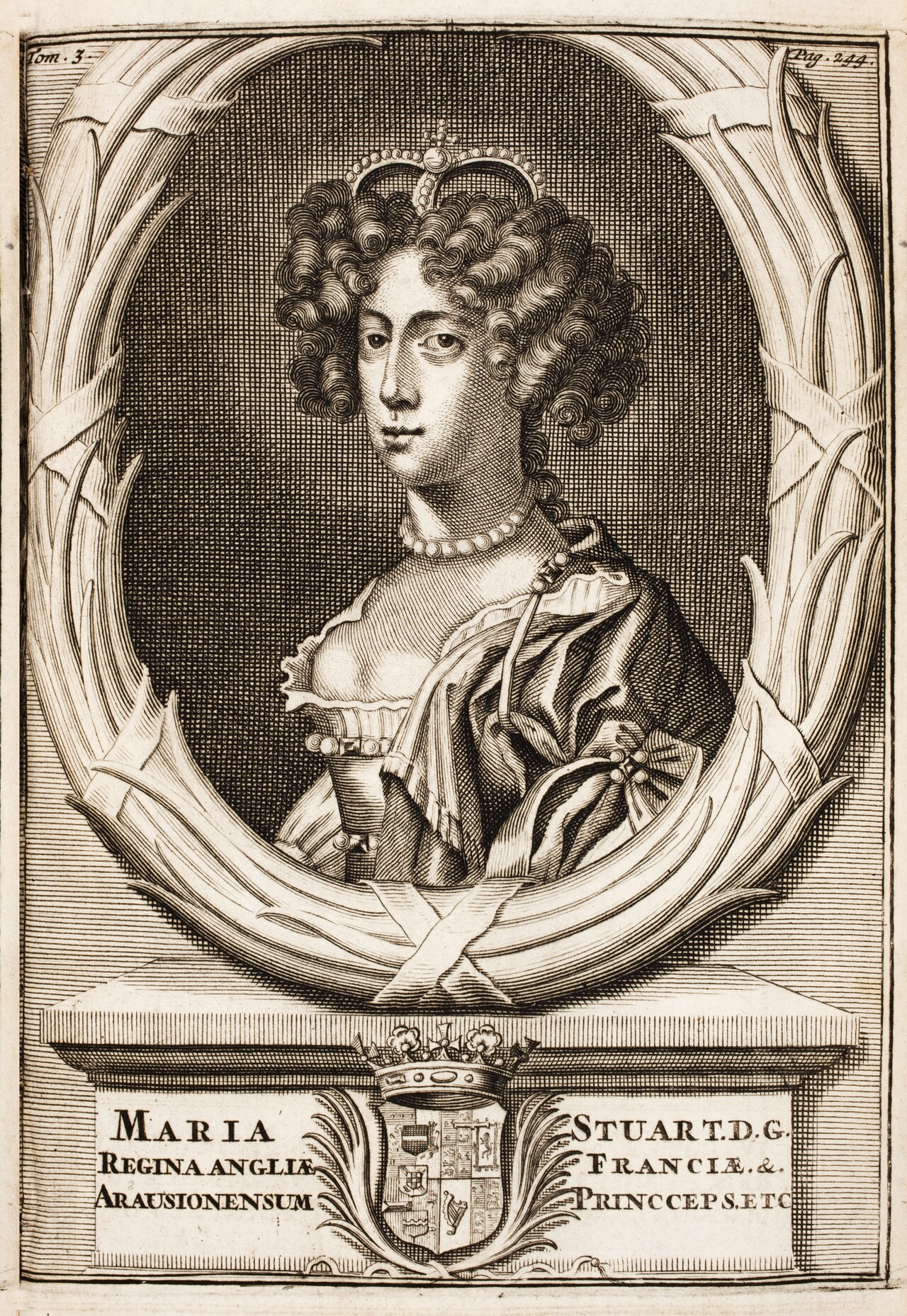
Portrait of Mary II, Histoire de Guillaume III
Pierre Mortier · 1703
An engraved oval portrait of Mary II, printed in volume 3 of a 1703 history of William III. It is a later likeness, made after her lifetime.
Shows how Mary II was presented to readers of a history of her co-ruler William III, more than eight years after her death.
About this source
What it is
This is an engraved oval portrait of Mary II, printed in volume 3 of a 1703 history of William III (page 299). The engraving is by Pierre Mortier. Its plinth carries the inscription 'MARIA STUART' and Latin titles, and a coat of arms with a crown appears below. Mary died in 1694, so this print was made years after her lifetime and is a later likeness.
Why it matters
The book is a history of William III, so its illustrations present Mary as part of his story. Printed portraits like this one shaped how readers pictured royal figures long after they had died. The image shows what an early eighteenth-century history wanted its readers to see: a crowned queen in a formal, ornamented frame.
Look closer
- What details of dress, jewels and the crown does the engraver include to show Mary's rank?
- Why might a history of William III include a portrait of Mary?
- What can this later print not tell us about how Mary actually looked?
This painting is part of the curated material that grounds the AI version of Mary II on Humy.ai — when students ask about related events, the AI can quote it and cite it.
More Mary II sources
Browse all 90 →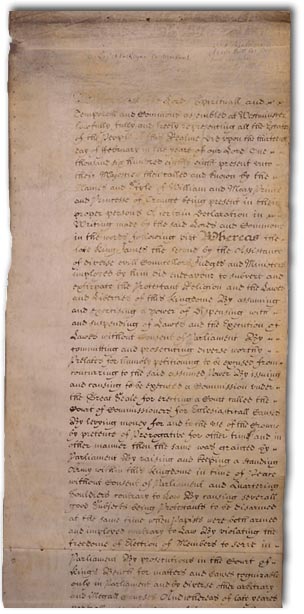 Document
Primary source
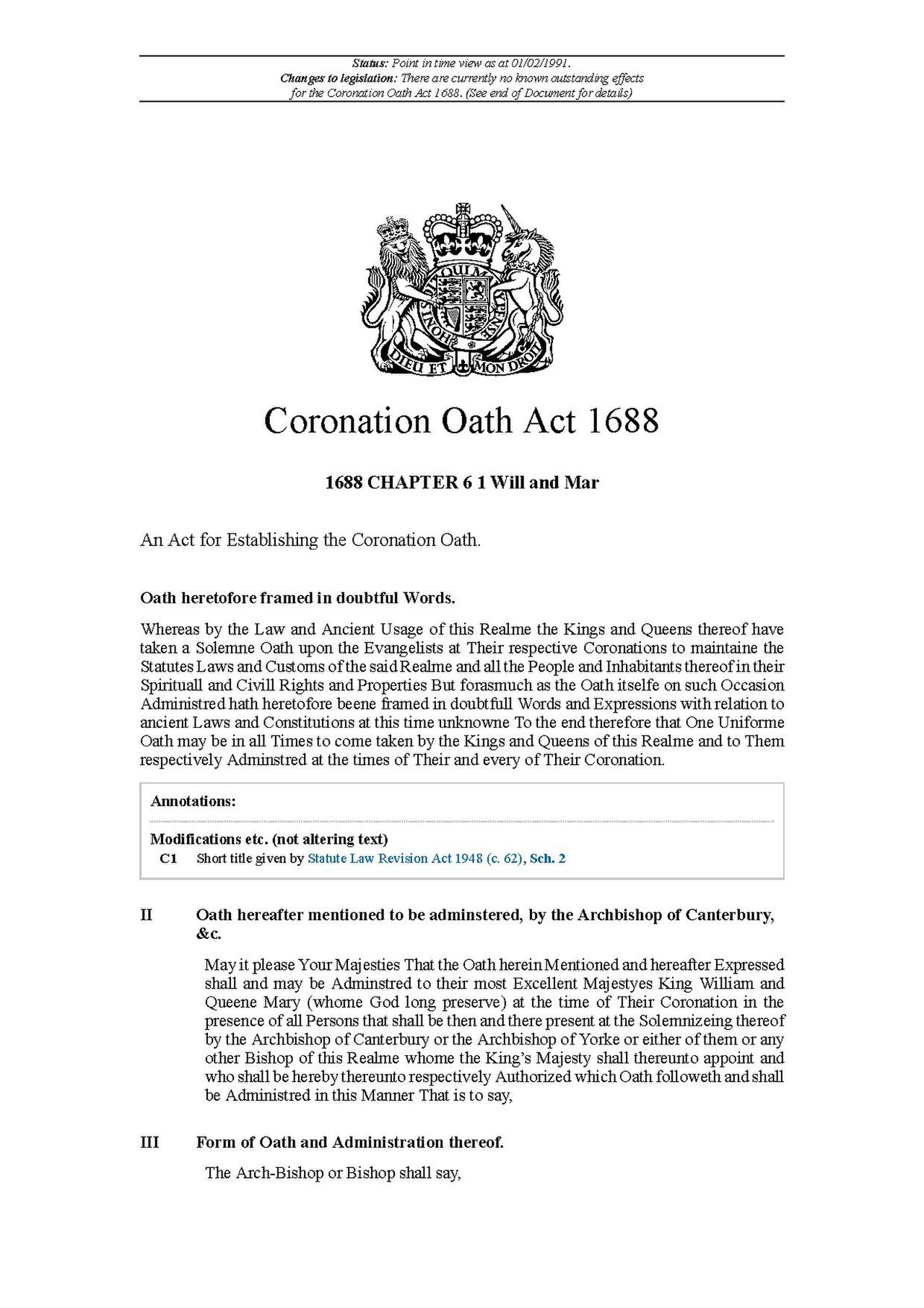
Bill of Rights 1689
1689
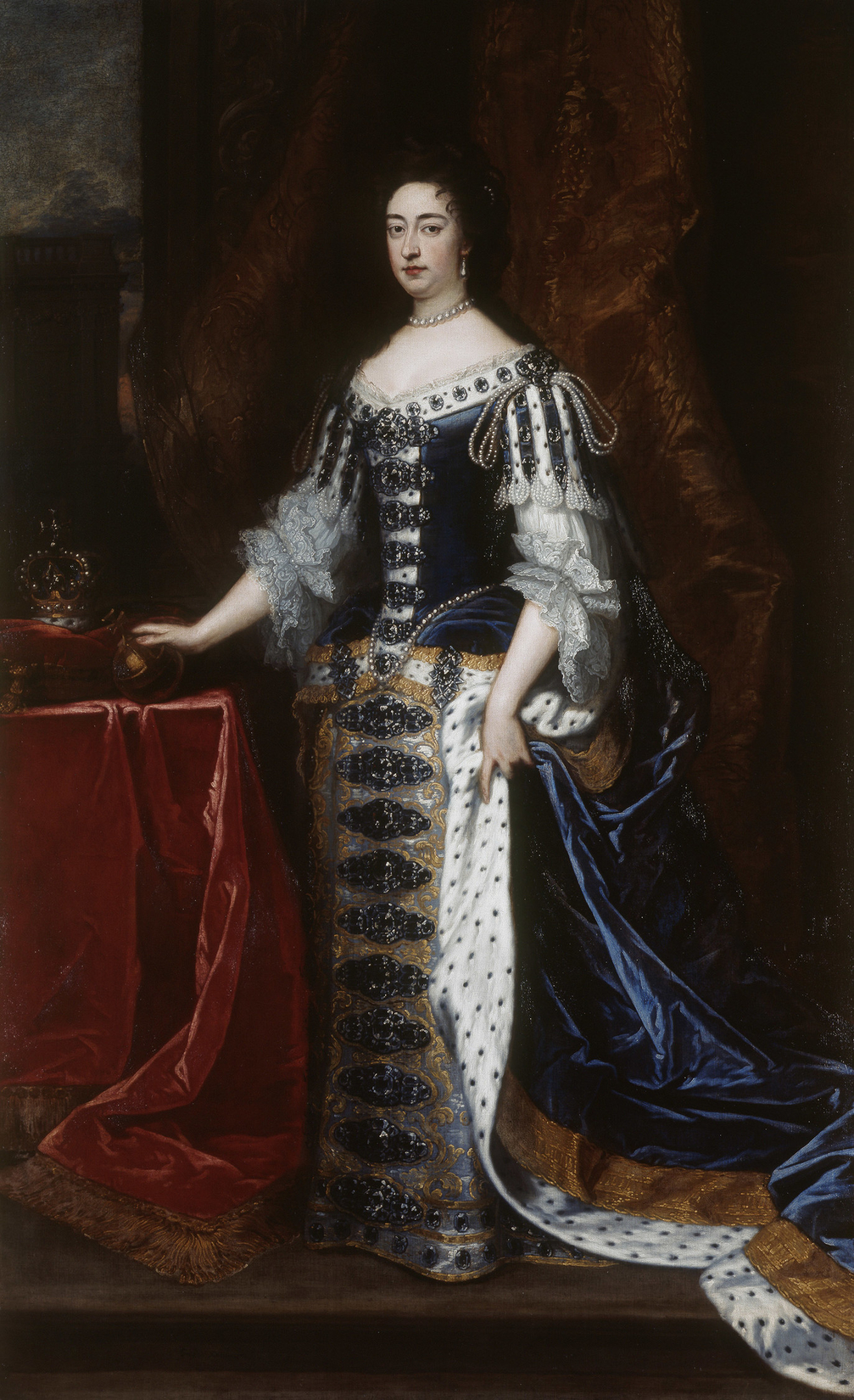 Painting
Primary source
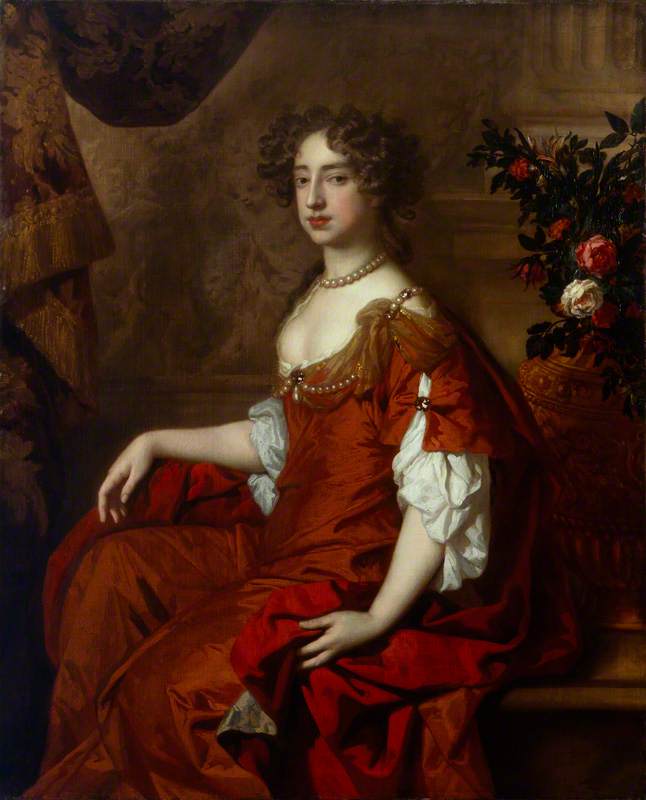
Portrait of Mary II of England
Godfrey Kneller
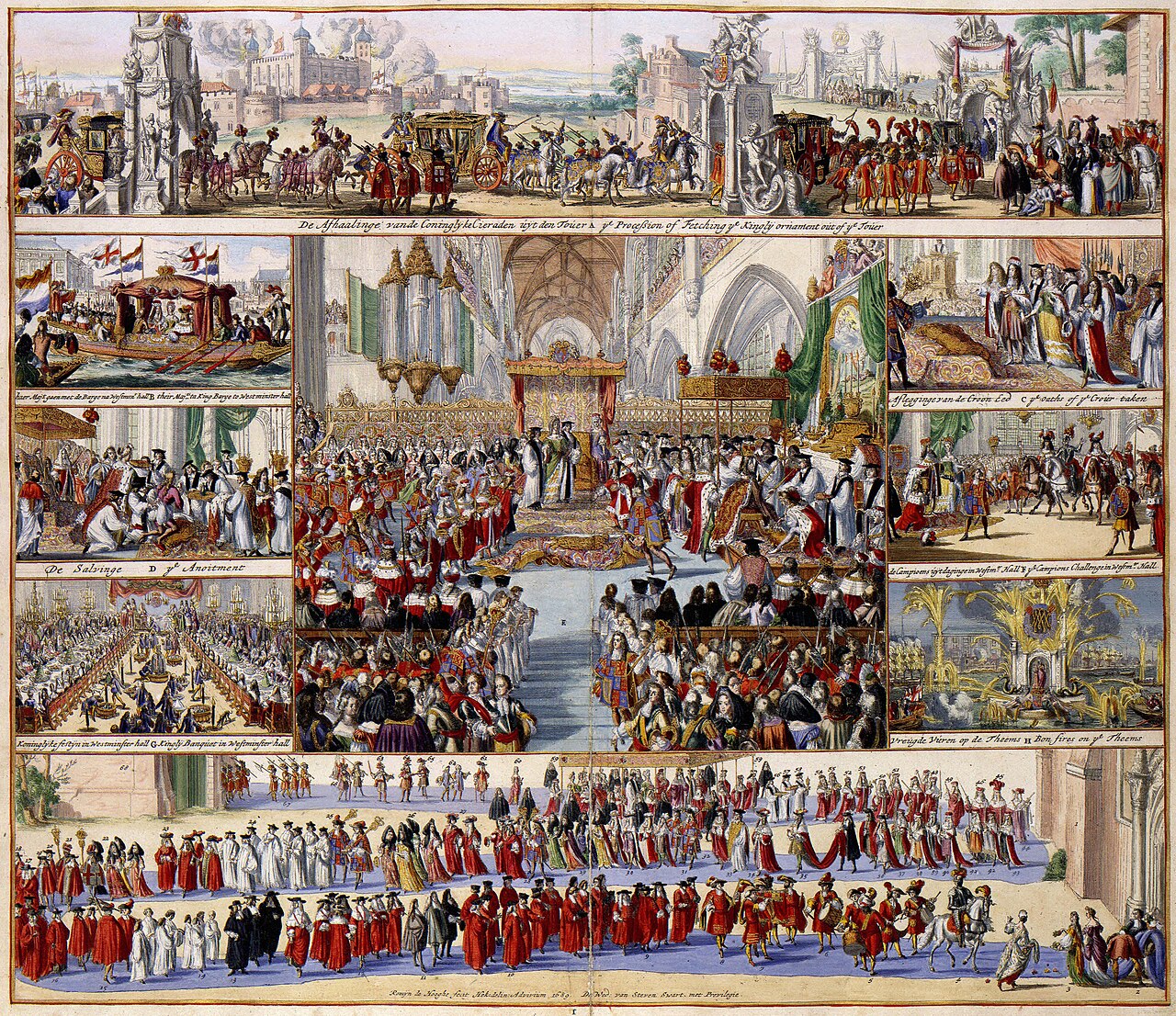 Painting
Primary source
Coronation of William III and Mary II
Romeyn de Hooghe · c. 1689
 Artifact
Secondary source
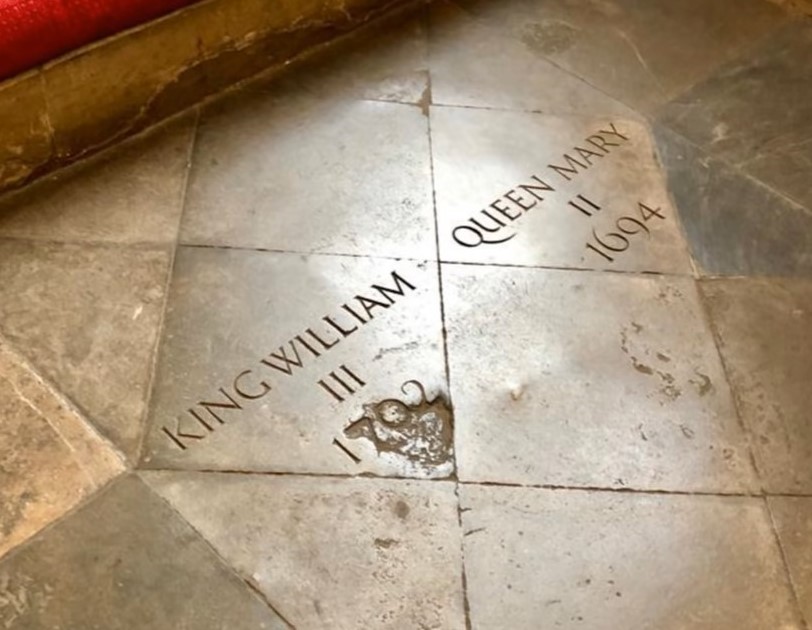
Tomb of William III and Mary II
Free account
Read every Mary II source
Sign up free →
Ready when you are
Start chatting with Mary II now.
20 messages free · No credit card · Available in 50+ languages.