


Secondary sourcePainting1695
Portrait of Mary, Princess of Orange, Consort of William III
1695
A small anonymous Dutch portrait of Mary made the year after her death, showing her continued commemoration in the Netherlands.
This posthumous Dutch miniature of Mary shows how she continued to be commemorated in the Netherlands after her death.
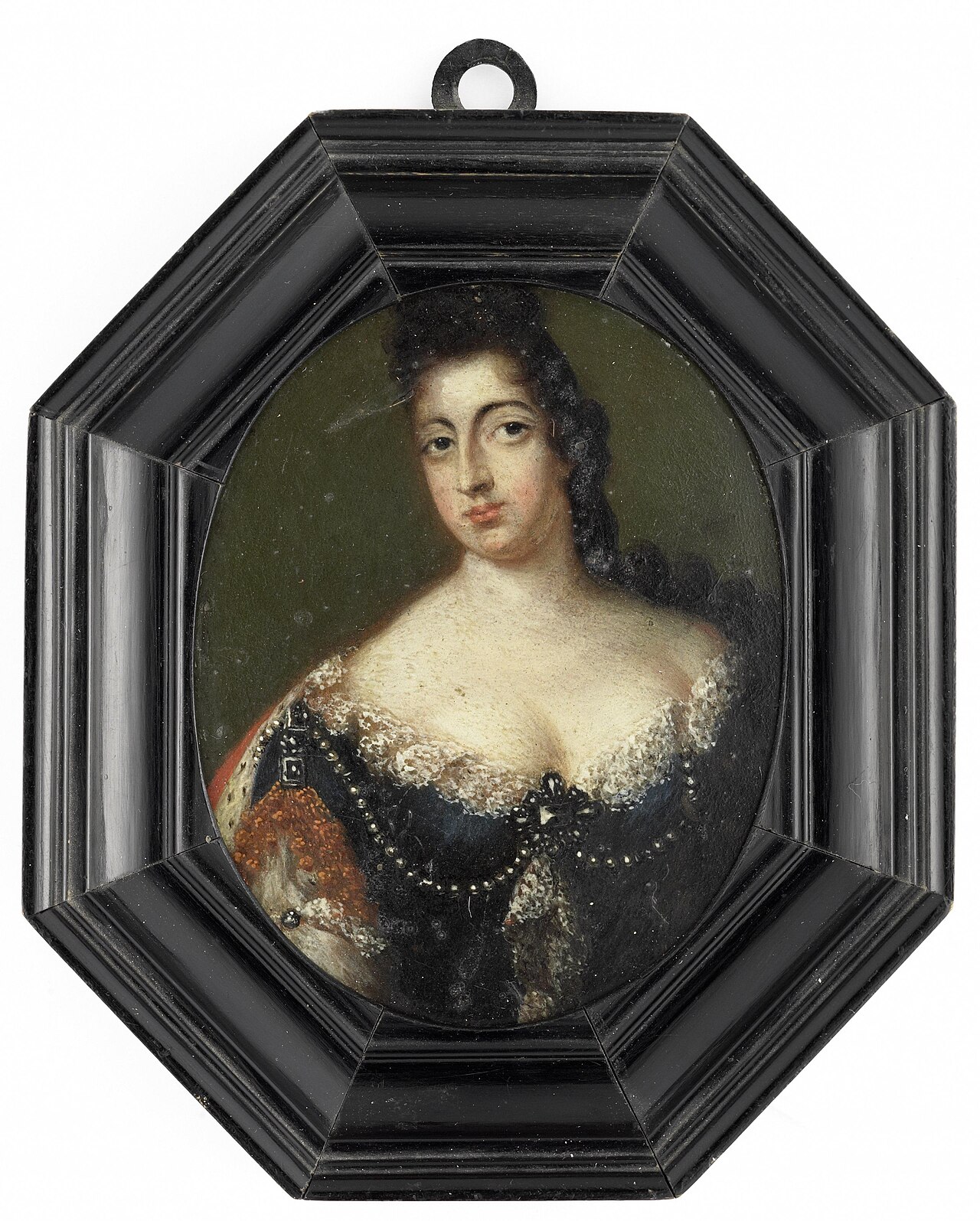
About this source
What it is
This small oval miniature painting, held by the Rijksmuseum, shows Mary with dark curled hair and pale skin, wearing a dark gown, pearl necklace, and an orange-red cloak trimmed with ermine. It was painted by an unknown artist in 1695, the year after Mary's death.
Why it matters
Mary was married to William III, Prince of Orange, and this portrait was made in the Netherlands, where she and her husband held strong ties. Its creation so soon after her death shows how she continued to be remembered and honored there, even after becoming Queen of England.
Look closer
- Why do you think this portrait was made in the Netherlands rather than England?
- What might the orange-red cloak be meant to symbolize?
- Since the artist is unknown, how might that affect how we read this portrait as evidence?
This painting is part of the curated material that grounds the AI version of Mary II on Humy.ai — when students ask about related events, the AI can quote it and cite it.
More Mary II sources
Browse all 90 →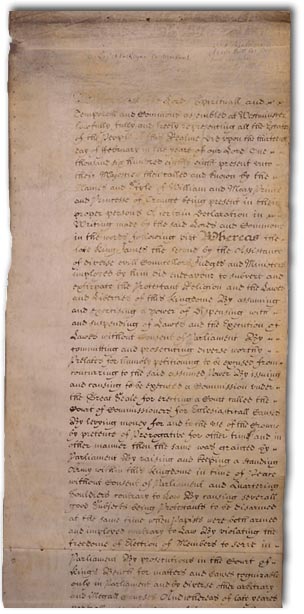 Document
Primary source
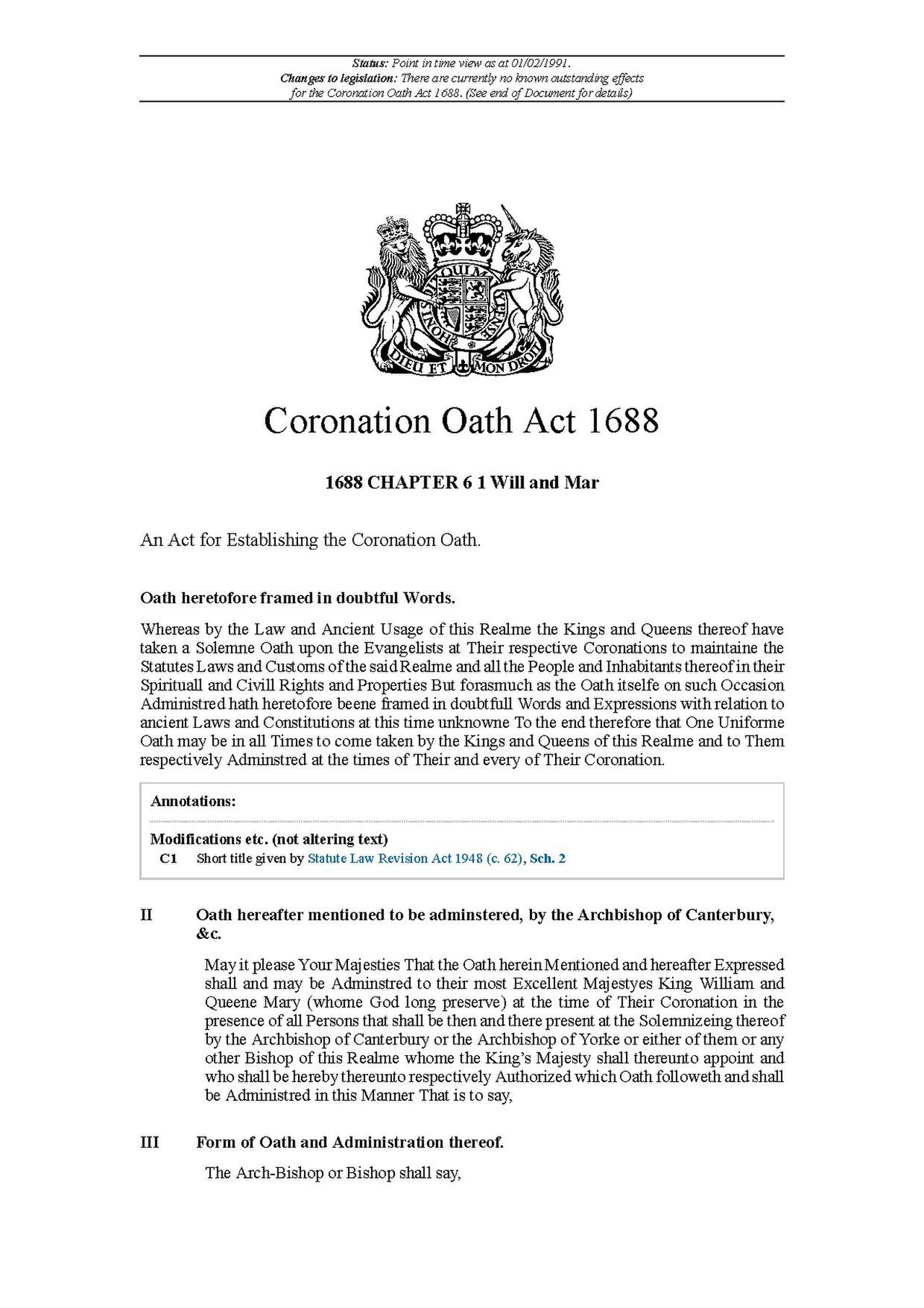
Bill of Rights 1689
1689
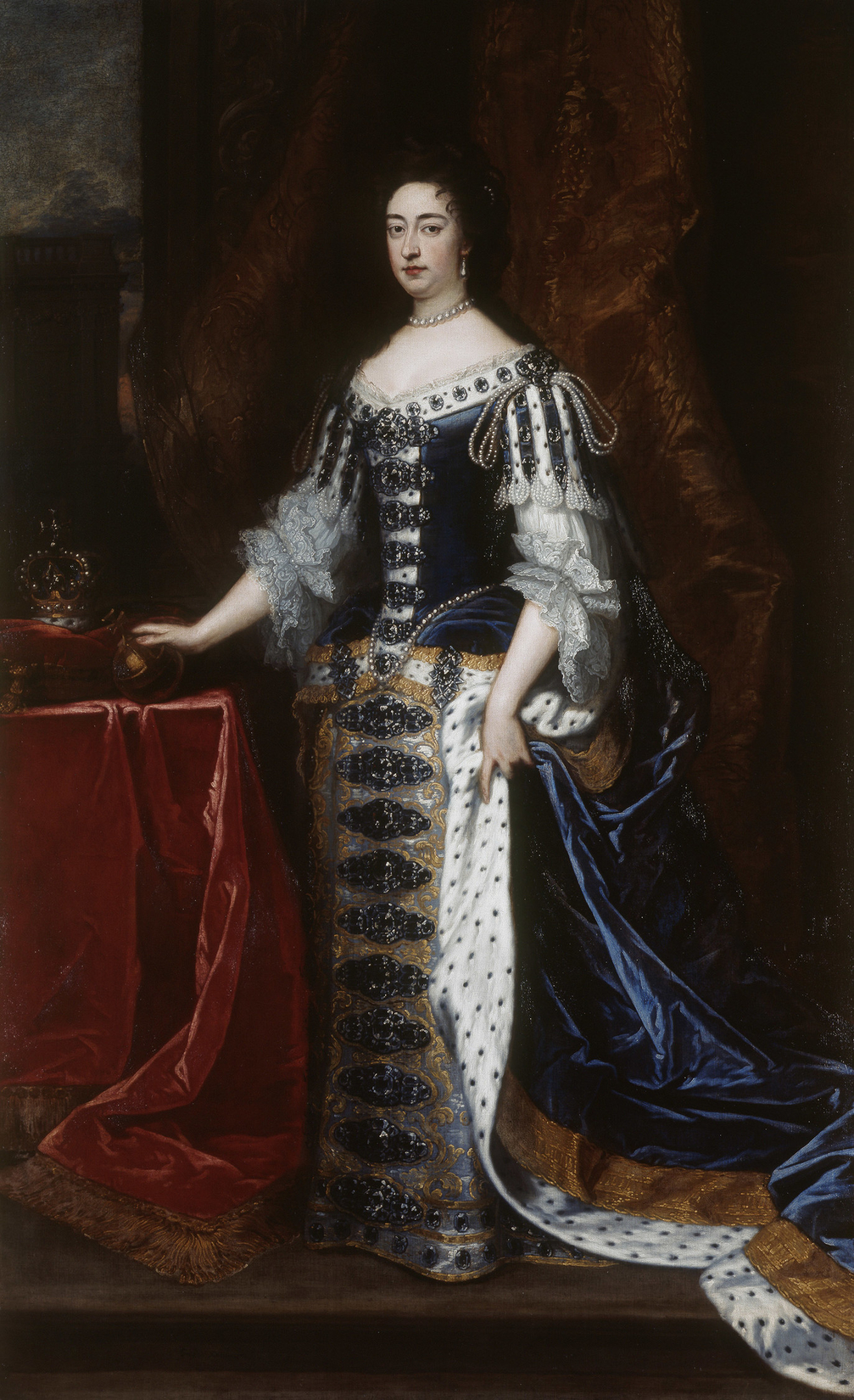 Painting
Primary source
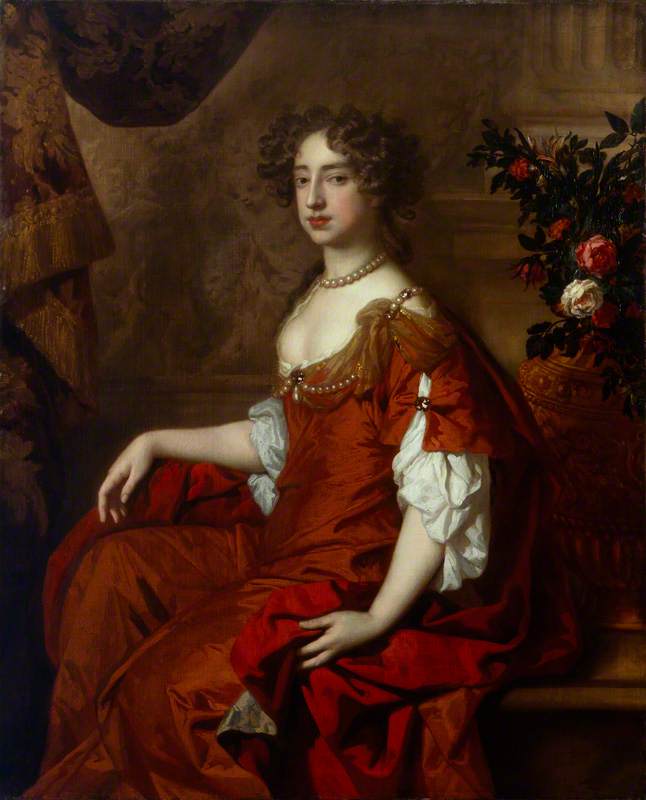
Portrait of Mary II of England
Godfrey Kneller
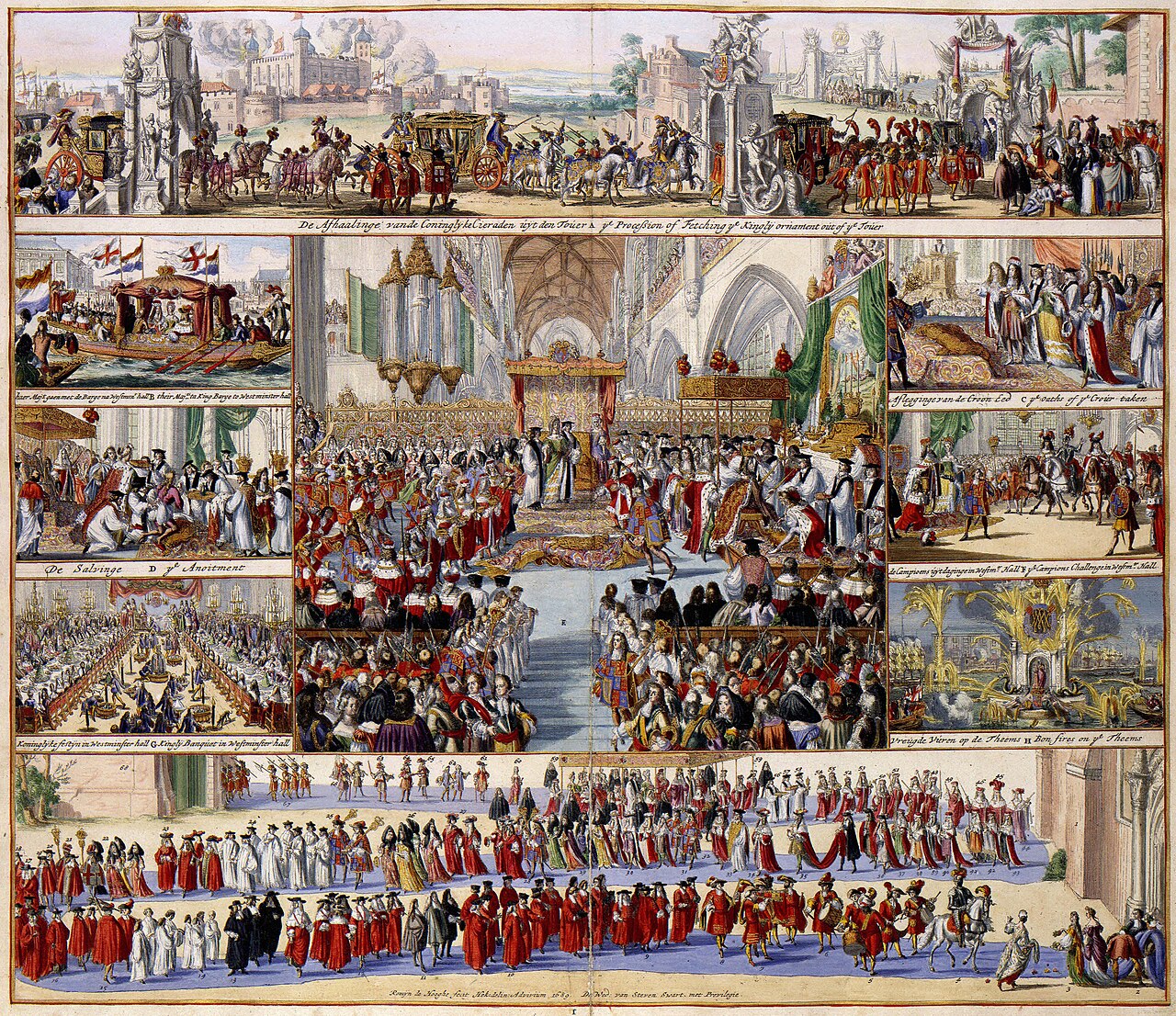 Painting
Primary source
Coronation of William III and Mary II
Romeyn de Hooghe · c. 1689
 Artifact
Secondary source
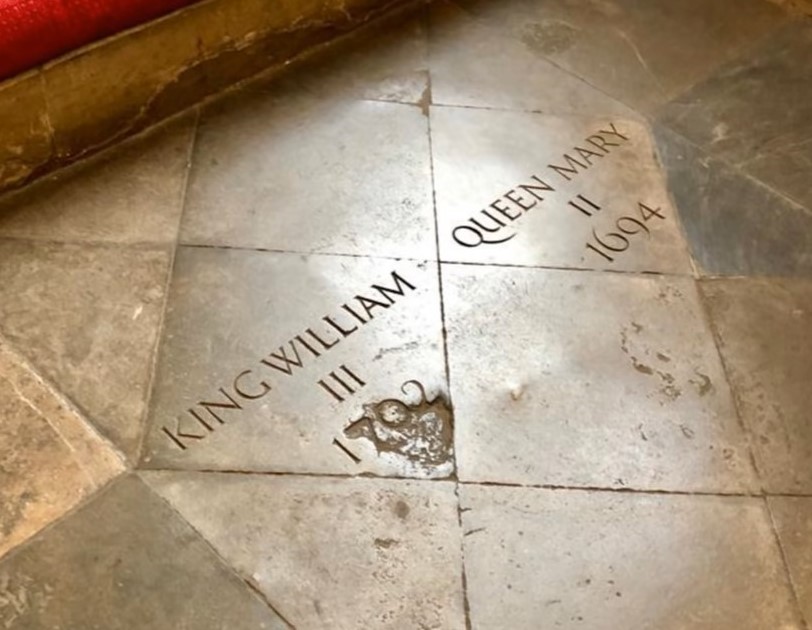
Tomb of William III and Mary II
Free account
Read every Mary II source
Sign up free →
Ready when you are
Start chatting with Mary II now.
20 messages free · No credit card · Available in 50+ languages.