


Secondary sourcePaintingbetween 1543 and 1549
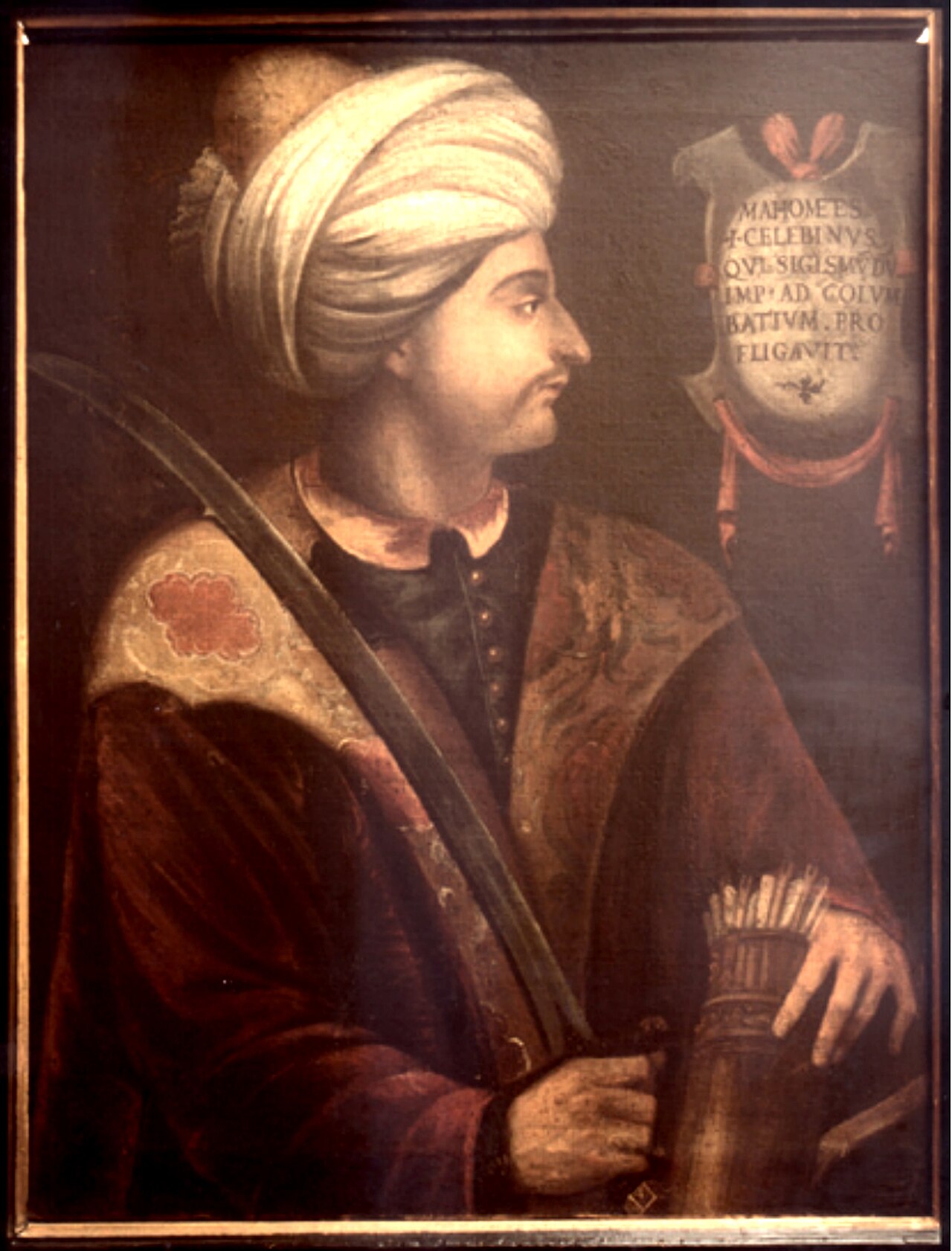
Portrait of Mehmet I Celebi
Anonymous (possibly Florentine school) · between 1543 and 1549
A 16th-century painted portrait of Mehmed I, part of a series of imagined Ottoman sultan portraits made over a century after his death.
A later imagined portrait of Mehmed I, created generations after his death as part of a European series of ruler portraits.
About this source
What it is
This oil painting shows a man in profile wearing a large white turban and an ornate robe, with a sword strap and quiver of arrows. It was painted by an anonymous artist, possibly of the Florentine school, between 1543 and 1549, and is now held at the Museo Archeologico in Como, Italy.
Why it matters
The painting belongs to a type of portrait series (associated with the historian Paolo Giovio) that aimed to depict famous rulers, including Ottoman sultans, for European audiences. Since it was made more than a century after Mehmed I's death, it tells us more about how Europeans imagined Ottoman rulers than about Mehmed I's actual appearance.
Look closer
- What clues suggest this portrait was not painted from life?
- Why might European painters and patrons in the 1500s want portraits of Ottoman sultans?
- What does the Latin inscription add, and what information might be missing from it?
This painting is part of the curated material that grounds the AI version of Mehmed I on Humy.ai — when students ask about related events, the AI can quote it and cite it.
More Mehmed I sources
Browse all 77 →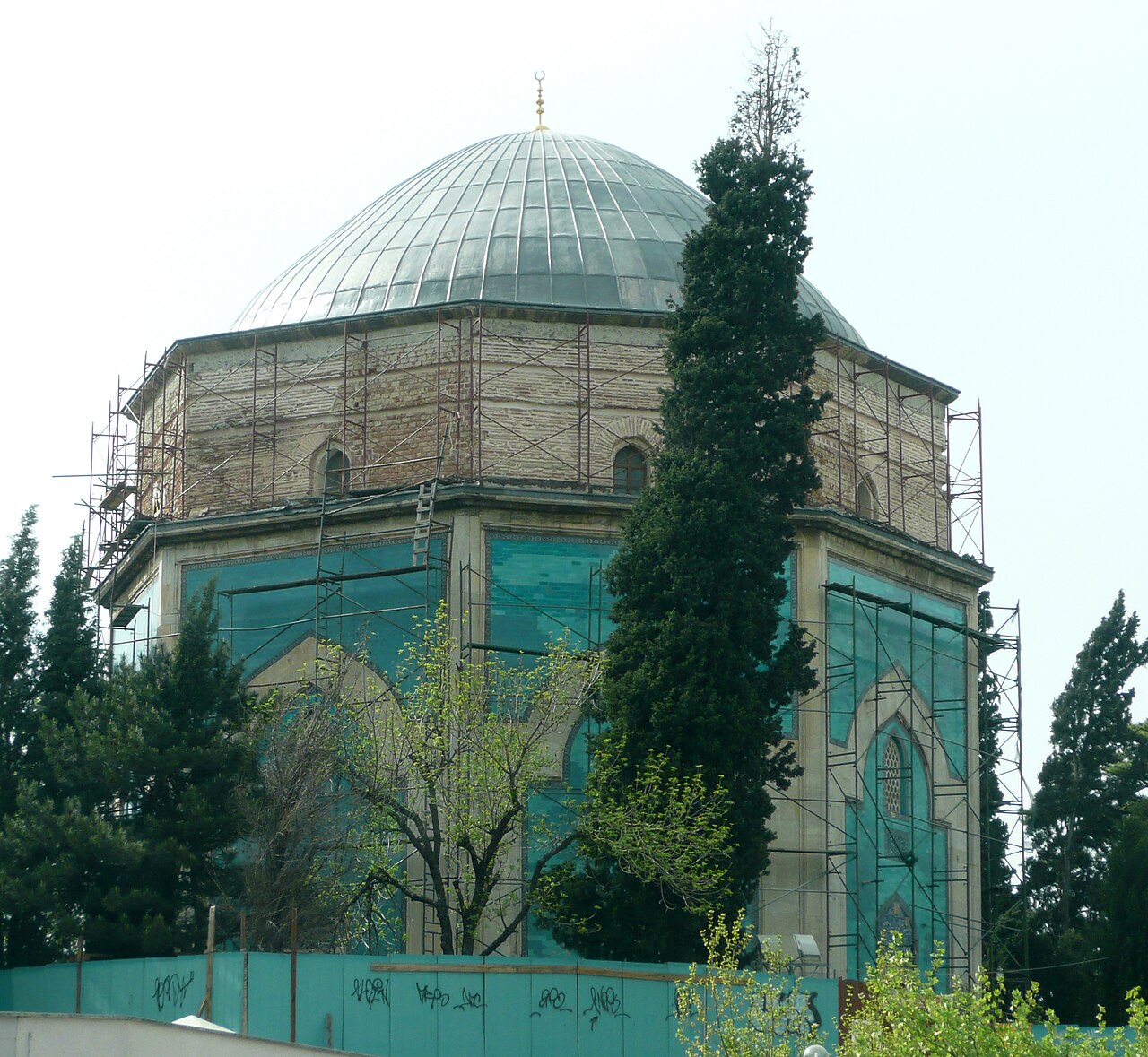 Artifact
Primary source
Green Mosque, Bursa
Hacı İvaz Pasha (architect) · completed c. 1420
 Artifact
Primary source
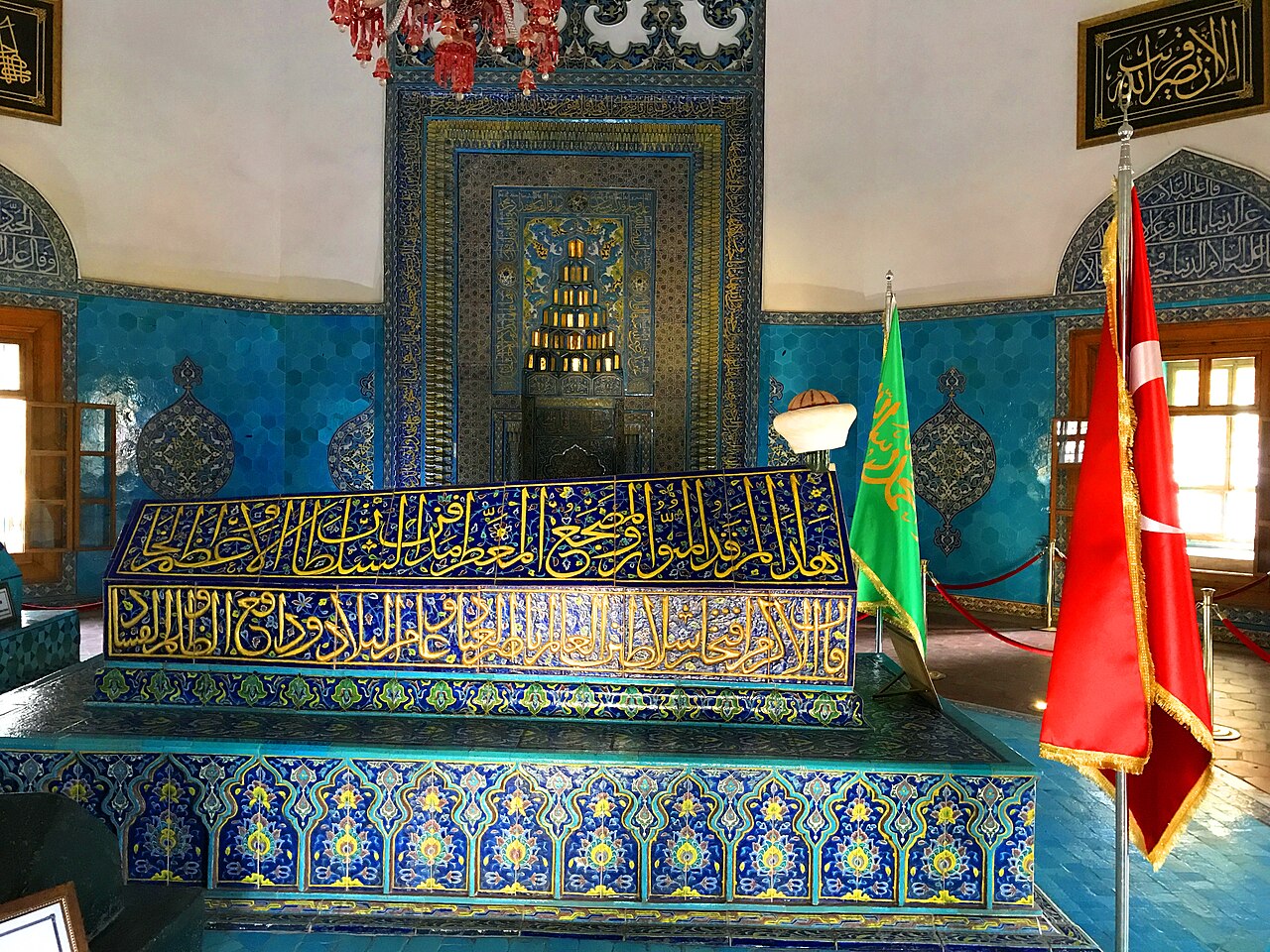
Green Tomb of Mehmed I
Hacı İvaz Pasha (architect) · after 1421
 Document
Primary source
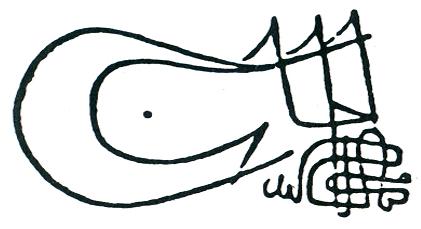
Tughra of Mehmed I
Unknown court calligrapher · 1413–1421
 Artifact
Primary source
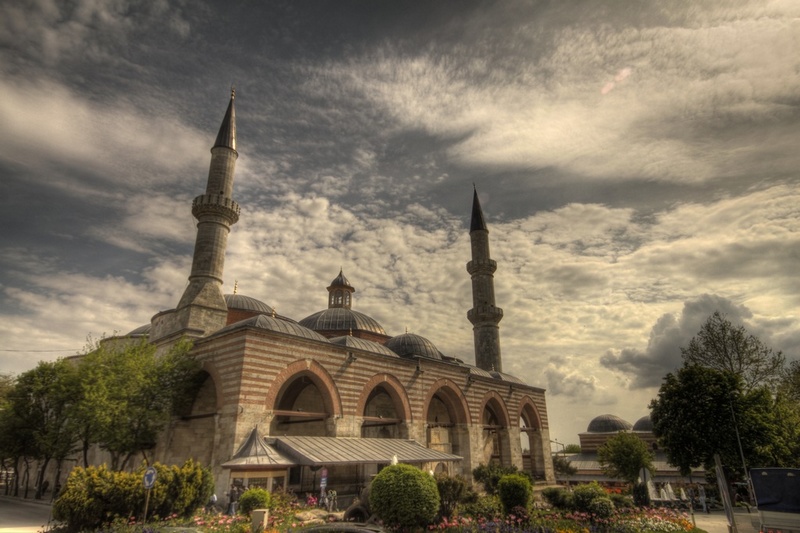
Old Mosque of Edirne
completed 1414
Free account
Read every Mehmed I source
Sign up free →
Ready when you are
Start chatting with Mehmed I now.
20 messages free · No credit card · Available in 50+ languages.