


Secondary sourcePainting1800–1868
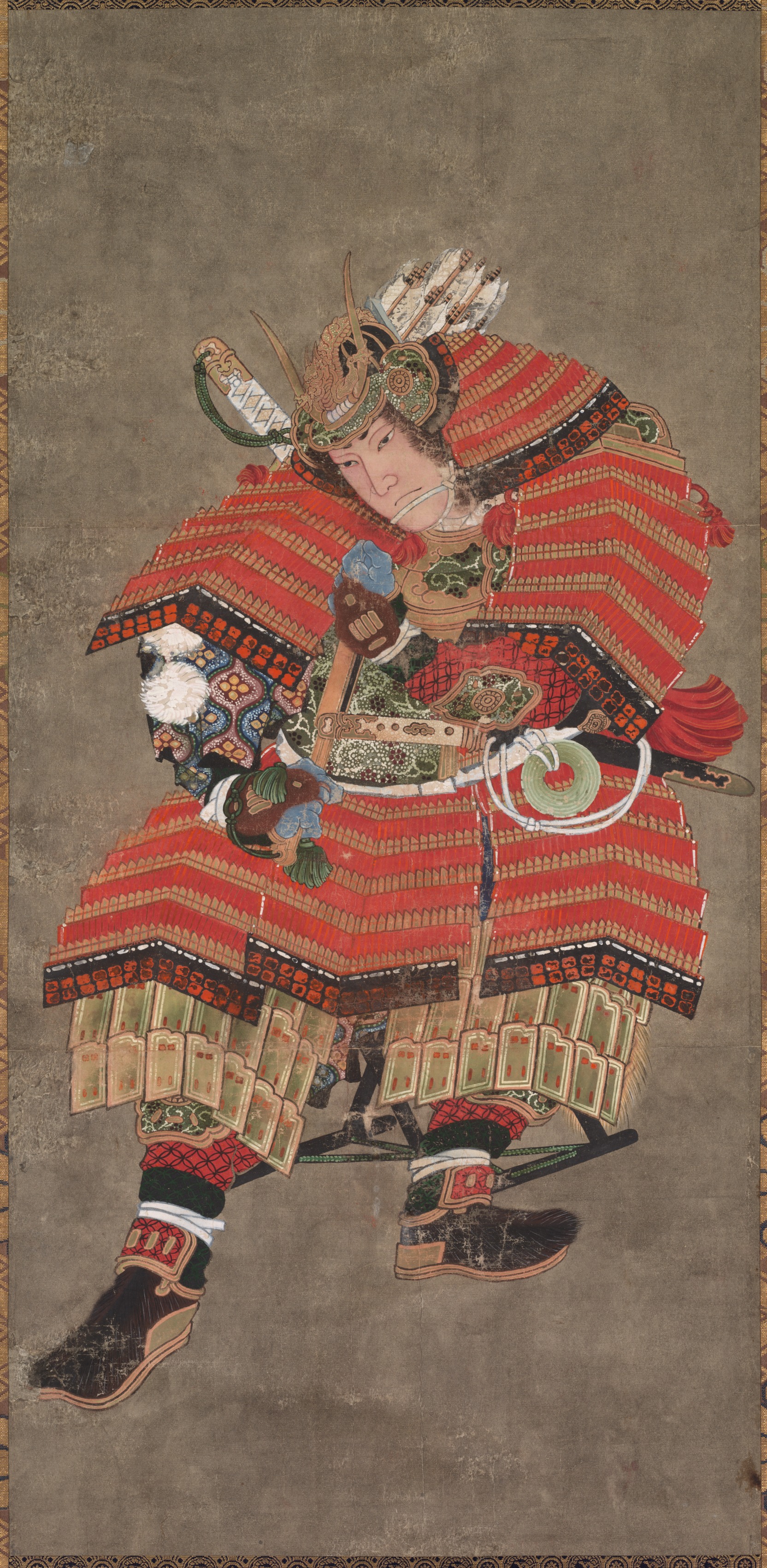
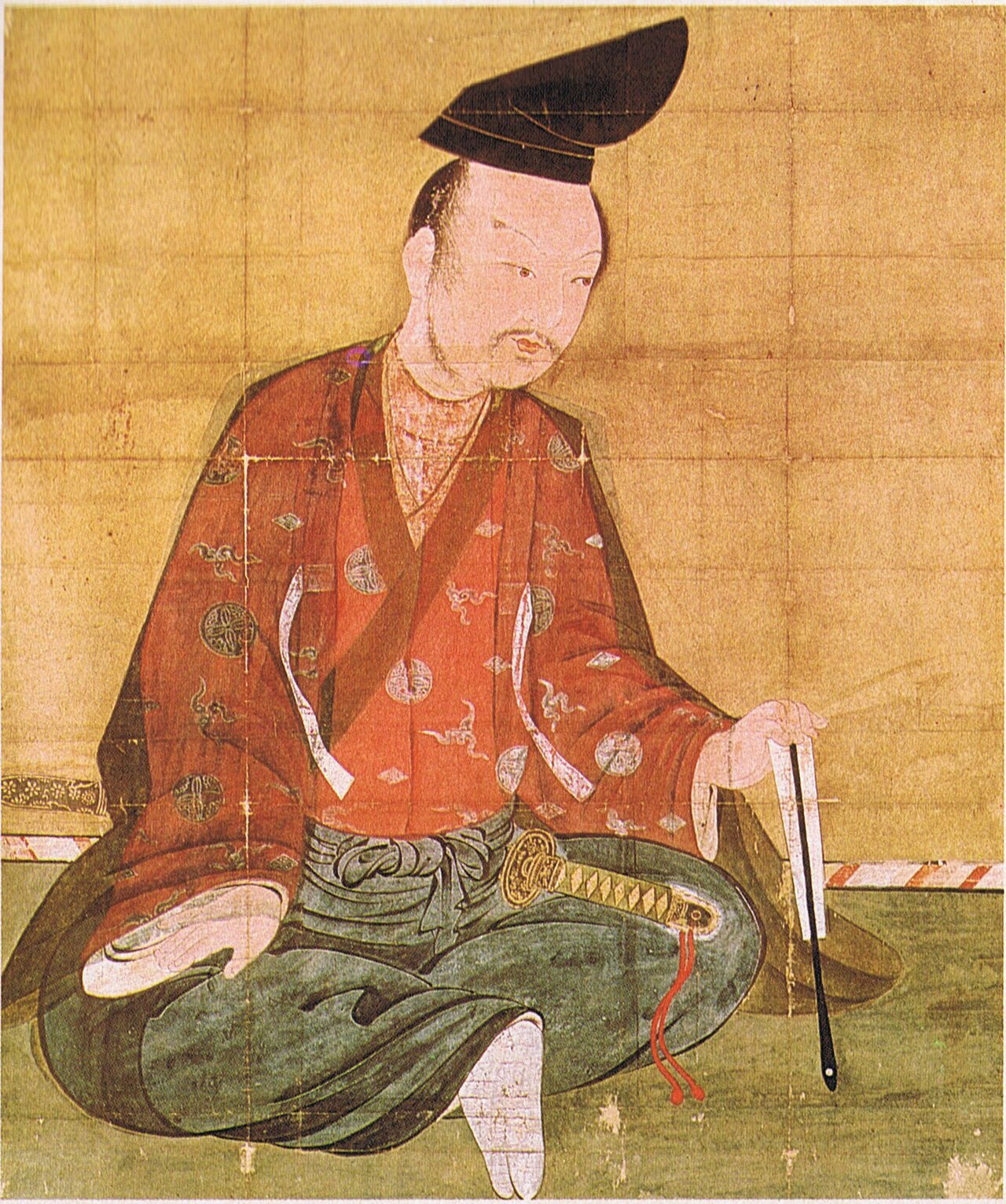
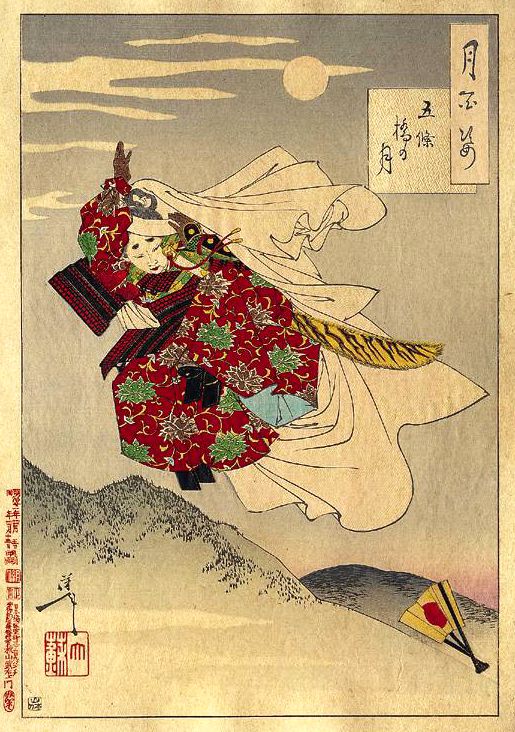
Portrait of Minamoto no Yoshitsune
1800–1868
An Edo-period hanging scroll imagining Yoshitsune in armor, painted centuries after his death.
A later imagined portrait of Yoshitsune in armor, showing how he was remembered and depicted long after his death.
About this source
What it is
This hanging scroll, painted in ink and color on paper sometime between 1800 and 1868 during Japan's Edo period, shows a samurai warrior in red and gold lacquered armor identified as Minamoto no Yoshitsune. It is held today by The Cleveland Museum of Art.
Why it matters
Because Yoshitsune lived centuries before this scroll was painted, the image does not show his real appearance but reflects how later Edo-period artists and audiences imagined a legendary medieval warrior. Such portraits reveal how heroic figures from Japan's past continued to be celebrated and reimagined in art long after their deaths.
Look closer
- What clues in the armor, helmet, and pose suggest this is an idealized image rather than a true likeness?
- Why might artists centuries later want to create portraits of famous historical warriors?
- What does the plain background and careful mounting suggest about how this scroll was meant to be displayed and valued?
This painting is part of the curated material that grounds the AI version of Minamoto no Yoshitsune on Humy.ai — when students ask about related events, the AI can quote it and cite it.
More Minamoto no Yoshitsune sources
Browse all 91 →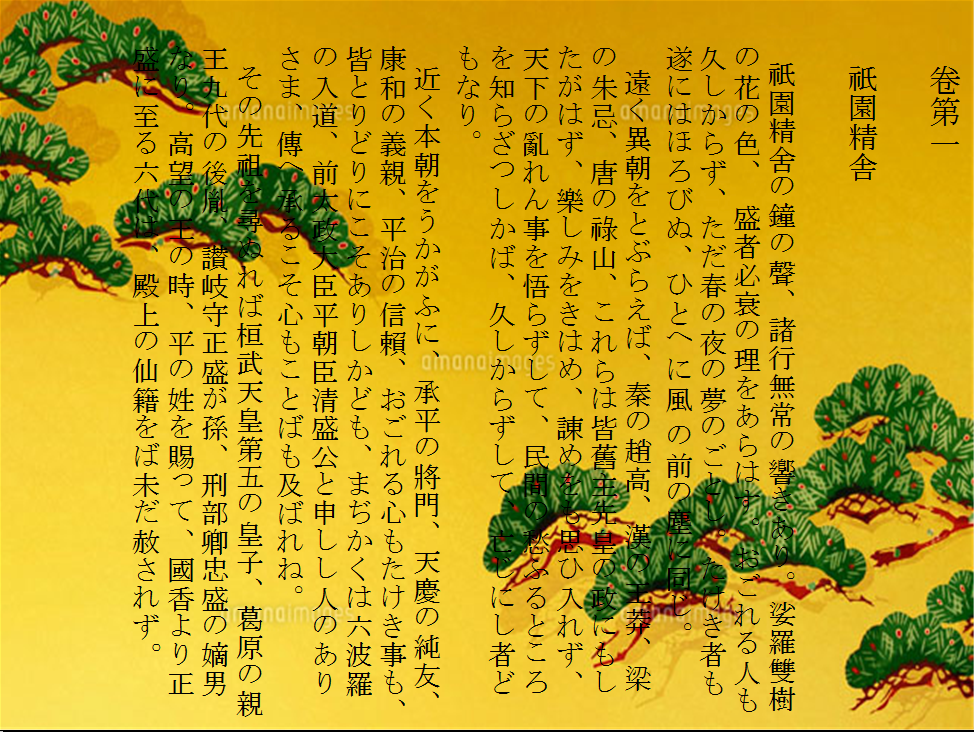 Book
Secondary source
The Tale of the Heike
Akashi Kakuichi · compiled prior to 1330, Kakuichi version c. 1371
 Document
Secondary source
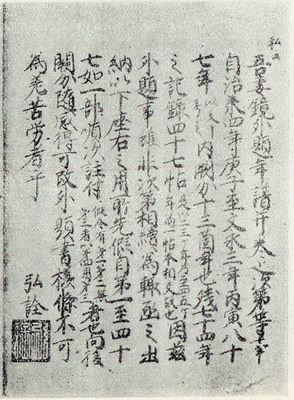
Azuma Kagami
compiled after 1266
 Document
Primary source
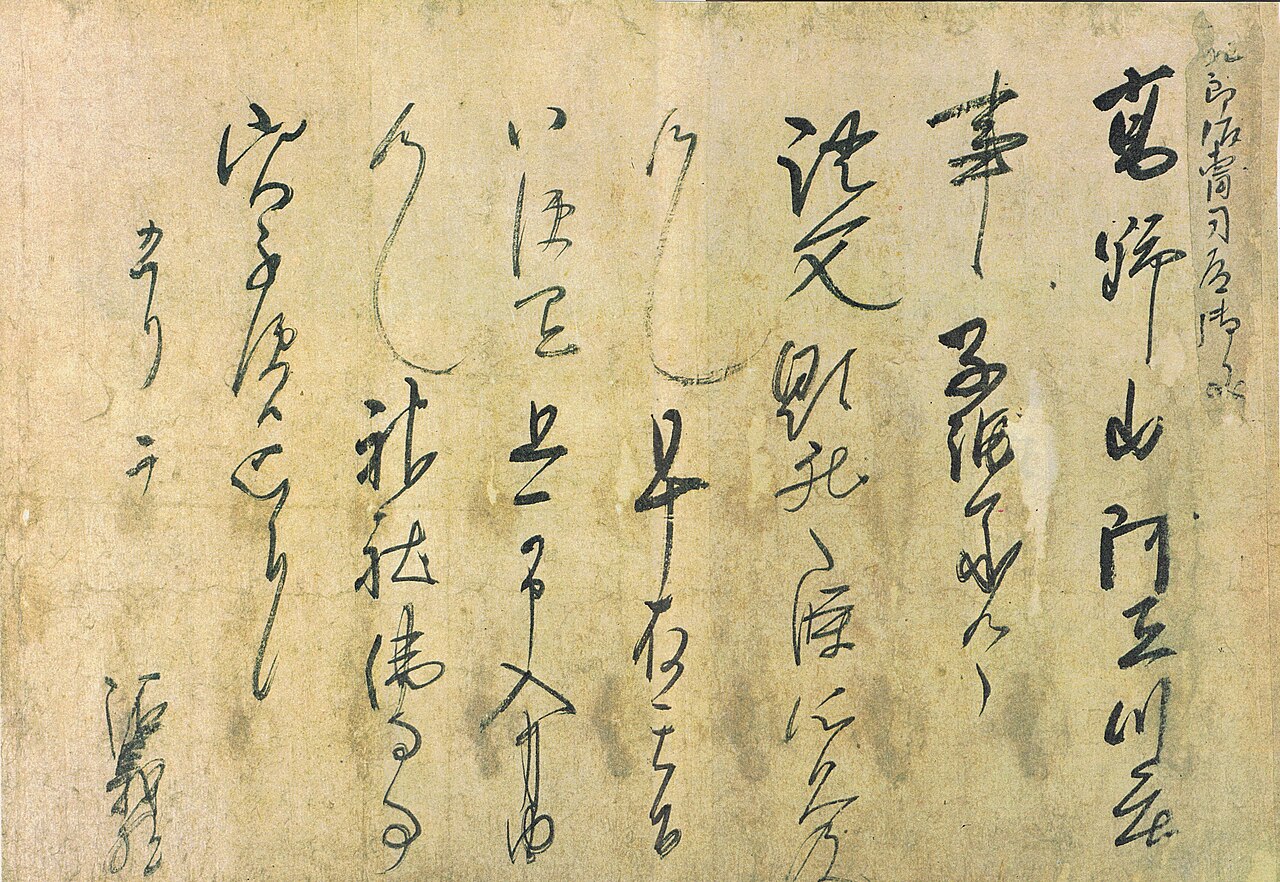
Yoshitsune ukebumi
Minamoto no Yoshitsune · 12th century
Secondary source
Oku no Hosomichi
Matsuo Bashō · 1702 (journey made in 1689)

Free account
Read every Minamoto no Yoshitsune source
Sign up free →
Ready when you are
Start chatting with Minamoto no Yoshitsune now.
20 messages free · No credit card · Available in 50+ languages.