


Secondary sourcePainting17th century, copy of early 14th century original
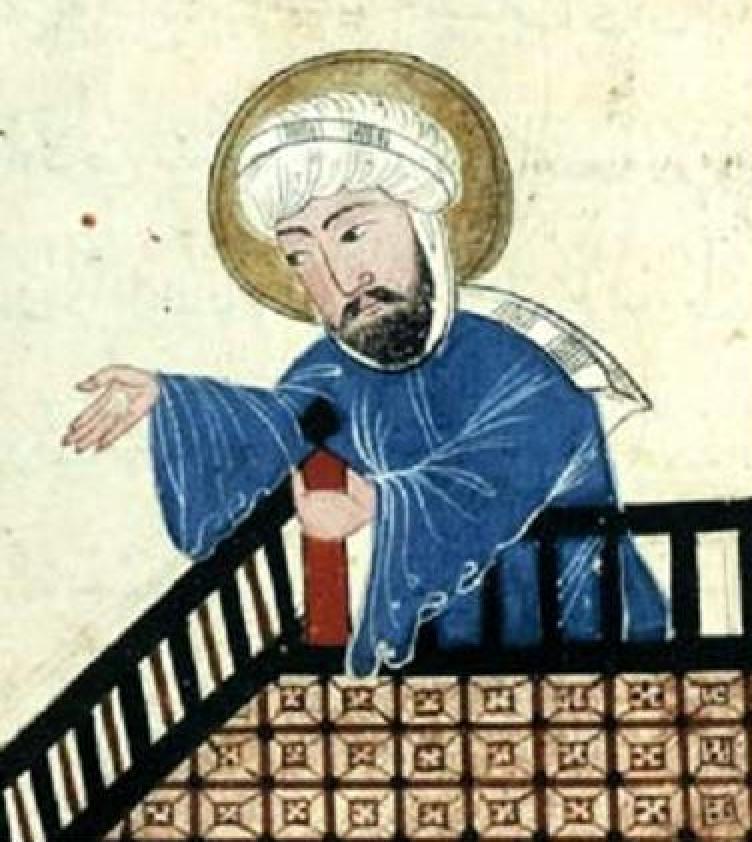
Portrait of Muhammad (Ottoman copy of the Edinburgh codex)
17th century, copy of early 14th century original
A 17th-century Ottoman painting of Muhammad, copied from an early 14th-century Mongol manuscript illustration of a history book.
This painting is an artist's depiction of Muhammad, copied from one of the earliest known images of him.
About this source
What it is
This miniature painting shows a bearded man in a turban with a gold halo, dressed in a blue robe. It is a 17th-century Ottoman copy of an illustration from the 'Edinburgh codex', an early 14th-century Ilkhanid-period manuscript of a history book by al-Biruni.
Why it matters
The original Edinburgh codex contains some of the earliest surviving painted depictions of Muhammad. Centuries later, Ottoman artists copied this image, showing how different Islamic cultures across time chose to represent him, sometimes with a face shown and a halo, as seen here.
Look closer
- What details in the painting (the halo, the turban, the robe) suggest the figure is meant to be honoured?
- Why might artists centuries apart make different choices about showing Muhammad's face?
- What might be lost or changed when a painting is copied from an older manuscript?
This painting is part of the curated material that grounds the AI version of Muhammad and Murad III on Humy.ai — when students ask about related events, the AI can quote it and cite it.
More Muhammad sources
Browse all 71 →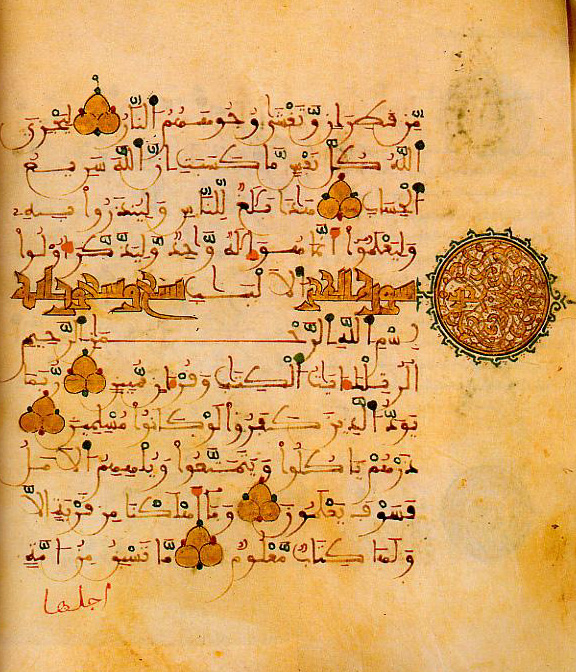 Book
Primary source
Qur'an
compiled 632-656 (this manuscript 12th century)
 Document
Primary source
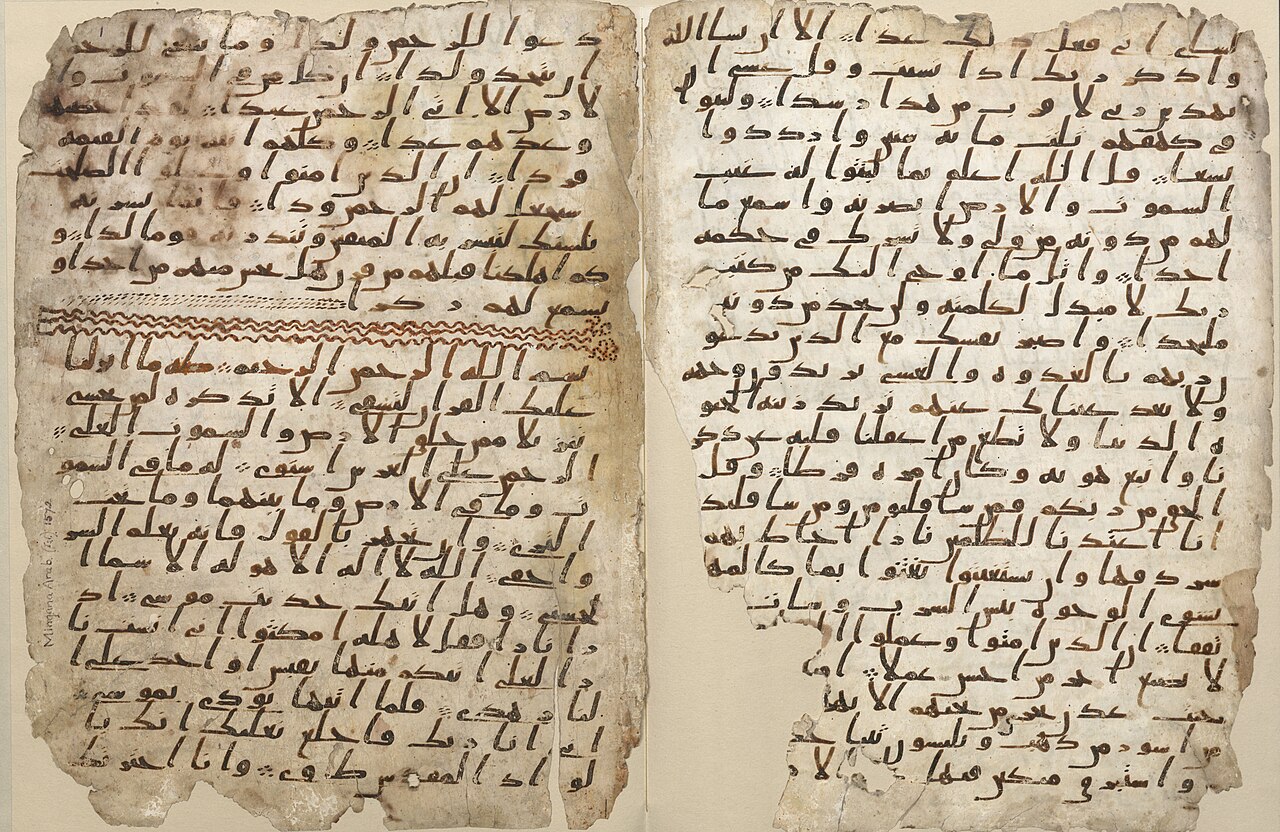
Birmingham Quran Manuscript
568–645 CE
 Book
Primary source
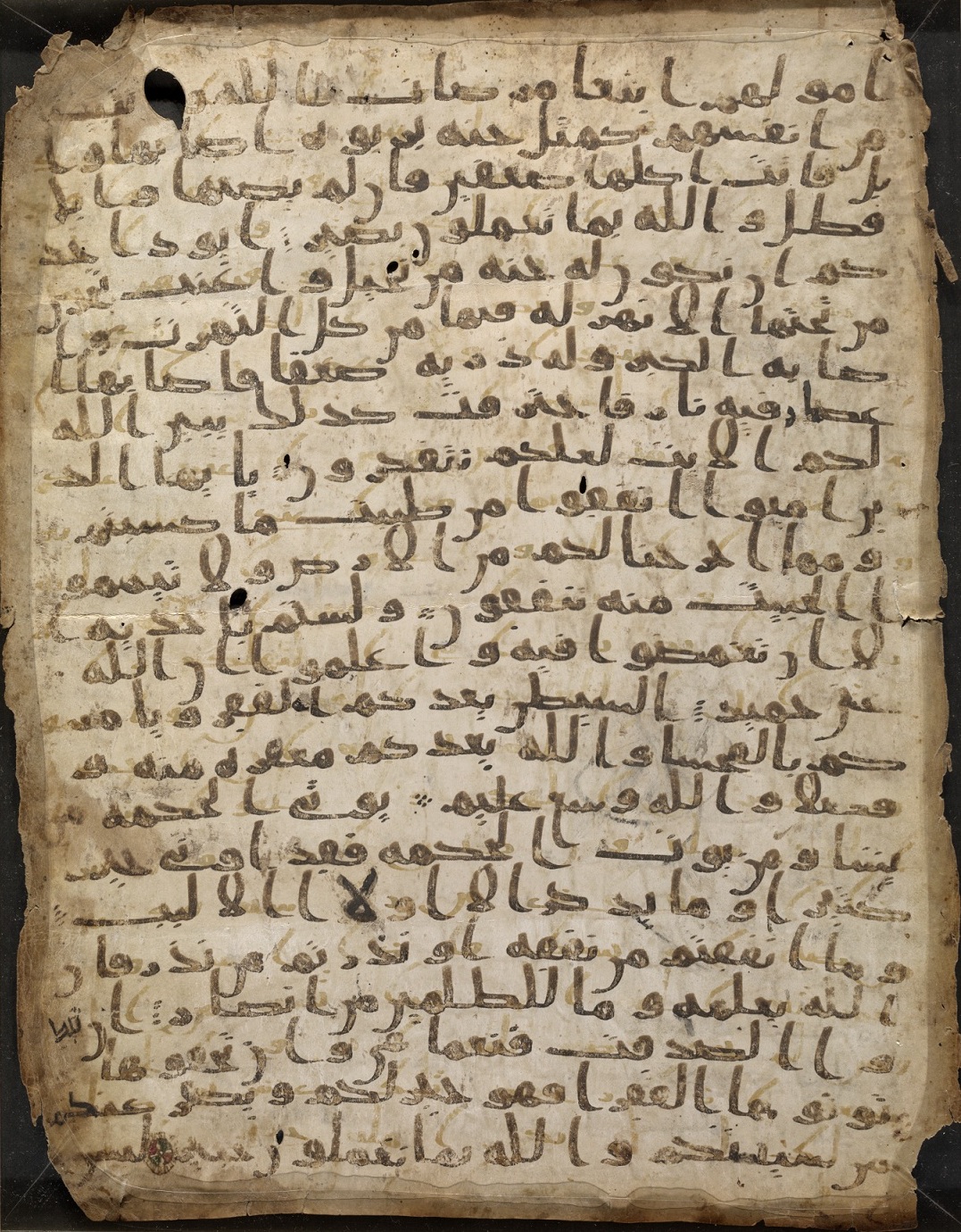
Sana'a Manuscript
c. 650 CE
 Book
Secondary source
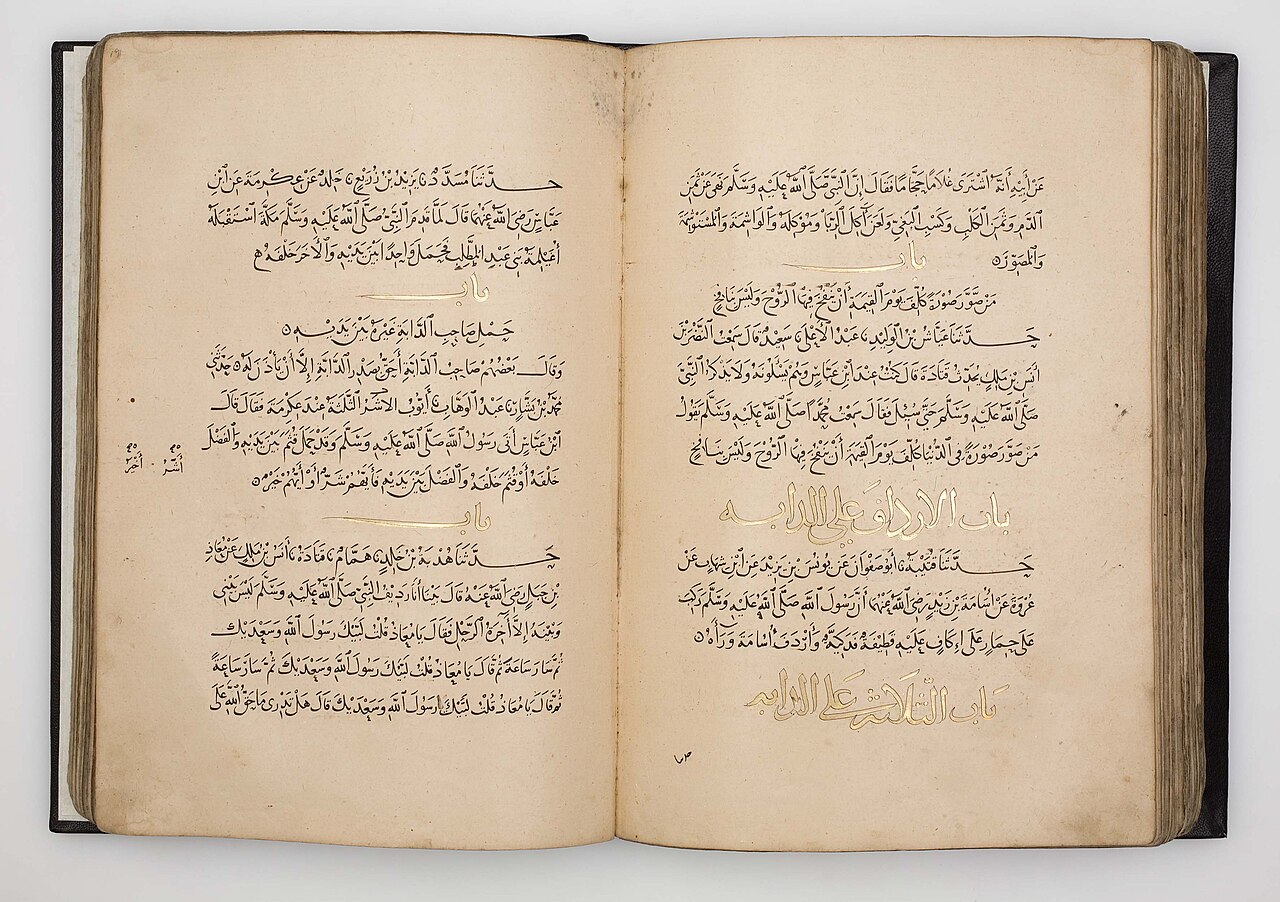
Sahih al-Bukhari
Muhammad ibn Isma'il al-Bukhari · c. 846 CE
Free account
Read every Muhammad source
Sign up free →
Ready when you are
Start chatting with Muhammad now.
20 messages free · No credit card · Available in 50+ languages.