


Secondary sourceSculpturemedieval
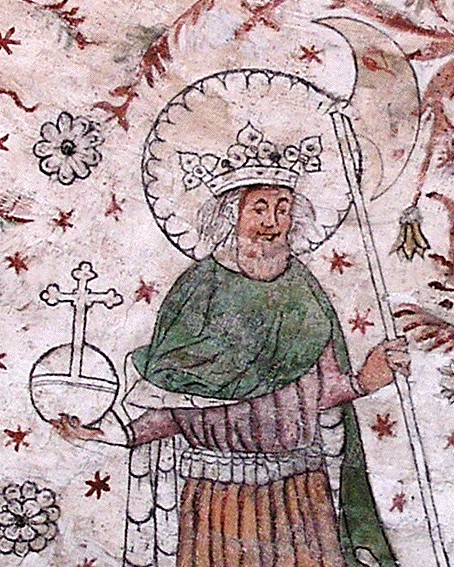
Portrait of Olaf II of Norway
medieval
A medieval wooden carving of Saint Olaf holding his axe, from Överselö church in Sweden, showing how his cult spread beyond Norway.
A devotional image of Olaf as a sainted king, showing the spread of his cult into Sweden.
About this source
What it is
A painted wooden figure of Saint Olaf, crowned and haloed, holding an orb topped with a cross and a tall axe-like staff, originally from Överselö church.
Why it matters
This sculpture shows how the cult of Olaf, built up after his death and sainthood, spread far beyond Norway into Sweden, where churches commissioned their own images of him. The crown, halo, orb and axe are the standard attributes used to identify Olaf in medieval art across Scandinavia, showing how his image became a recognisable religious symbol.
Look closer
- What do the objects Olaf holds (the orb and the axe) tell us about how he was remembered?
- Why might churches far from Norway want an image of this particular saint?
- What does the care put into painting and carving this figure suggest about his importance to the people who made it?
This sculpture is part of the curated material that grounds the AI version of Olaf II of Norway on Humy.ai — when students ask about related events, the AI can quote it and cite it.
More Olaf II of Norway sources
Browse all 87 →Secondary source
Óláfs saga helga in Heimskringla
Snorri Sturluson · c. 1230
 Book
Secondary source
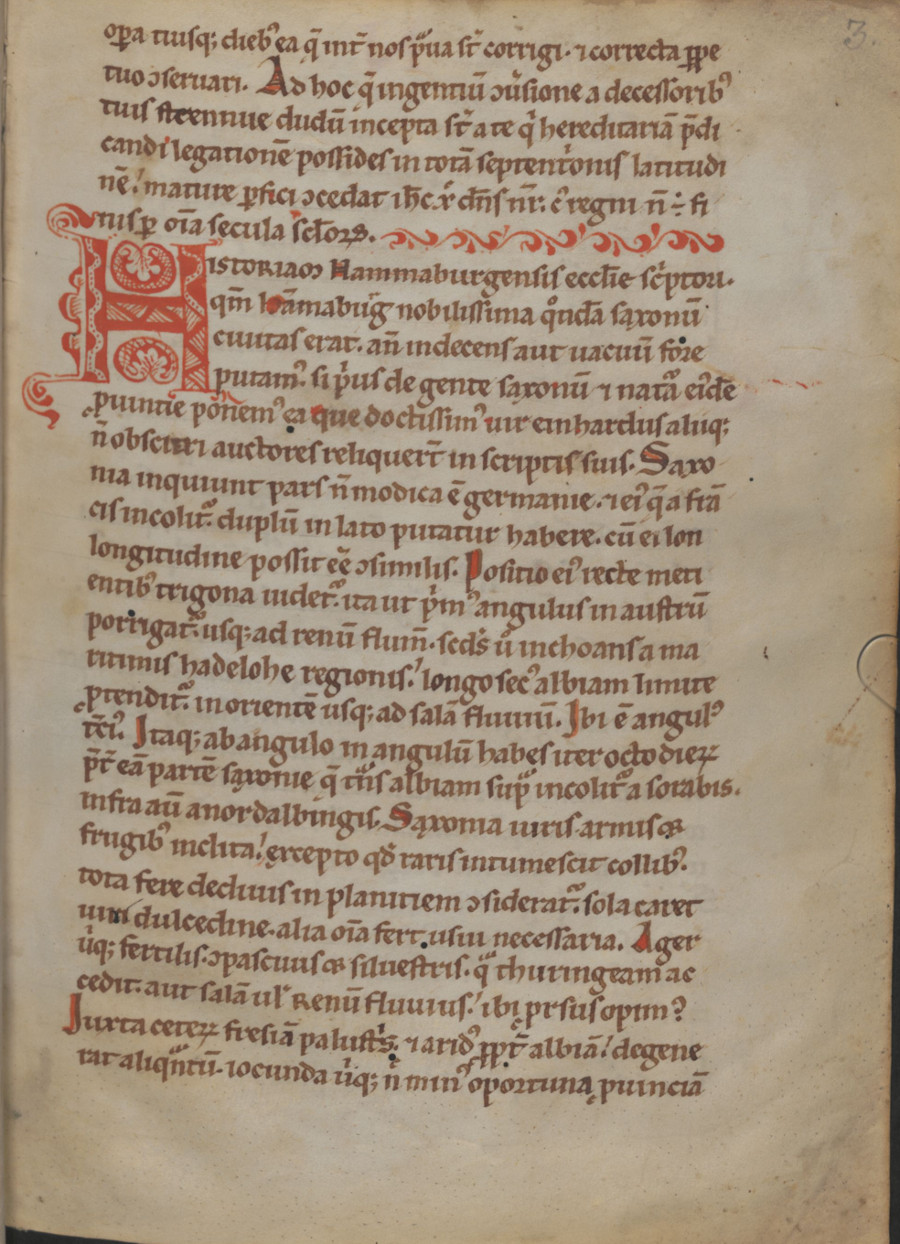
Gesta Hammaburgensis ecclesiae pontificum
Adam of Bremen · 1073-1076
 Artifact
Secondary source
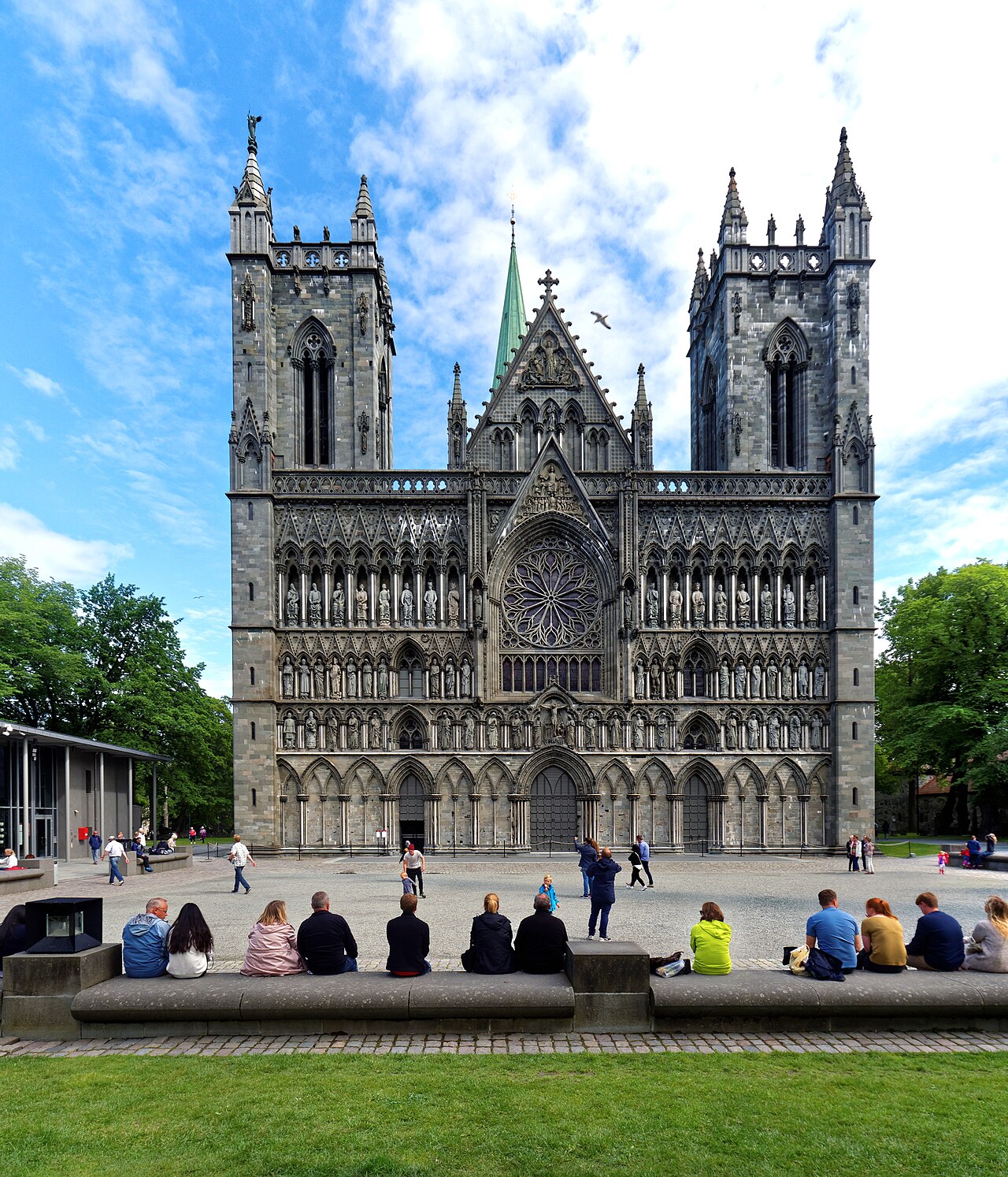
Nidaros Cathedral
1070-1300 (begun)
 Artifact
Primary source
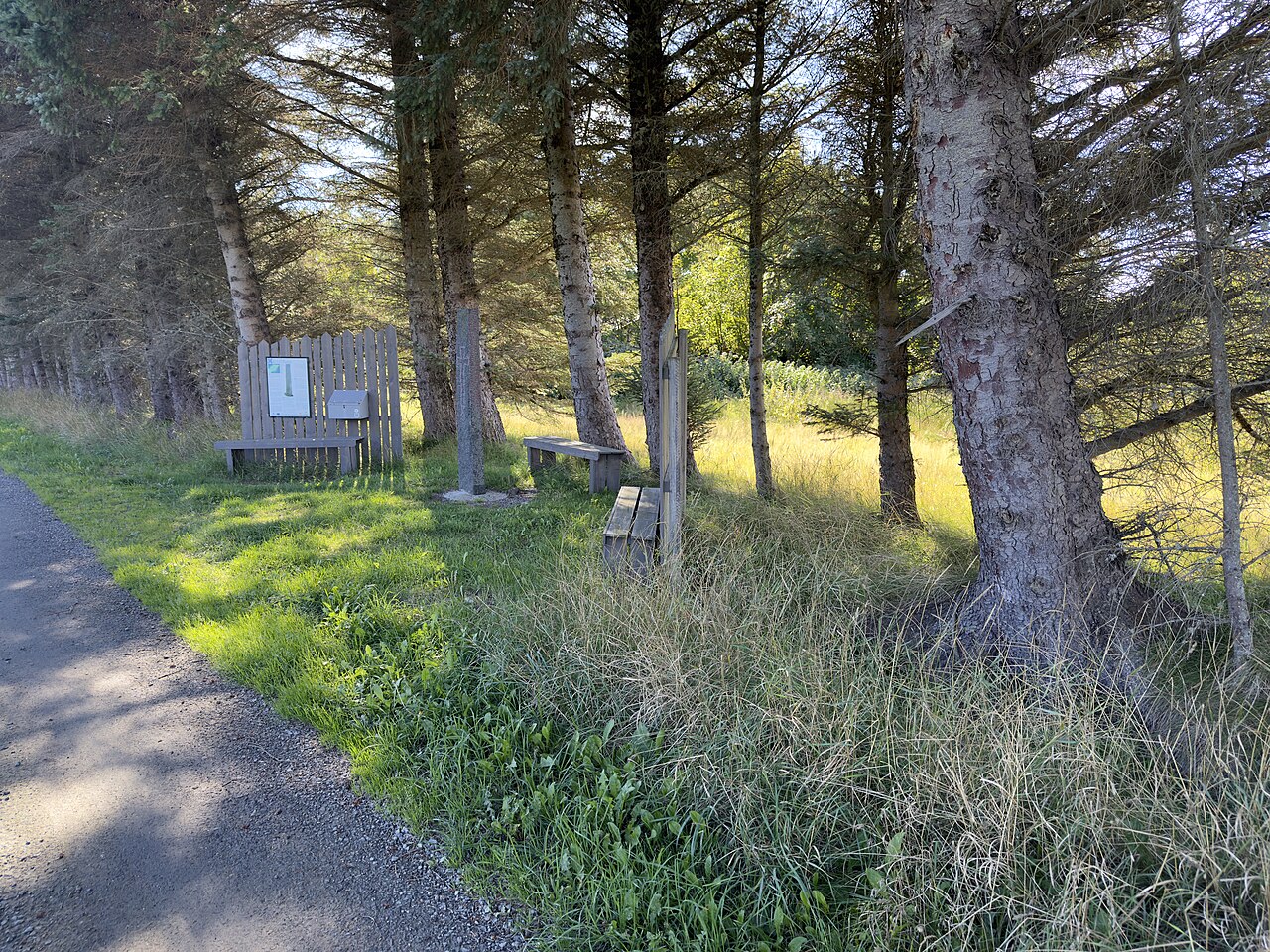
Kuli Stone
c. 1034

Free account
Read every Olaf II of Norway source
Sign up free →
Ready when you are
Start chatting with Olaf II of Norway now.
20 messages free · No credit card · Available in 50+ languages.