


Primary sourcePaintingbetween 1781 and 1782
Portrait of Pavel
between 1781 and 1782
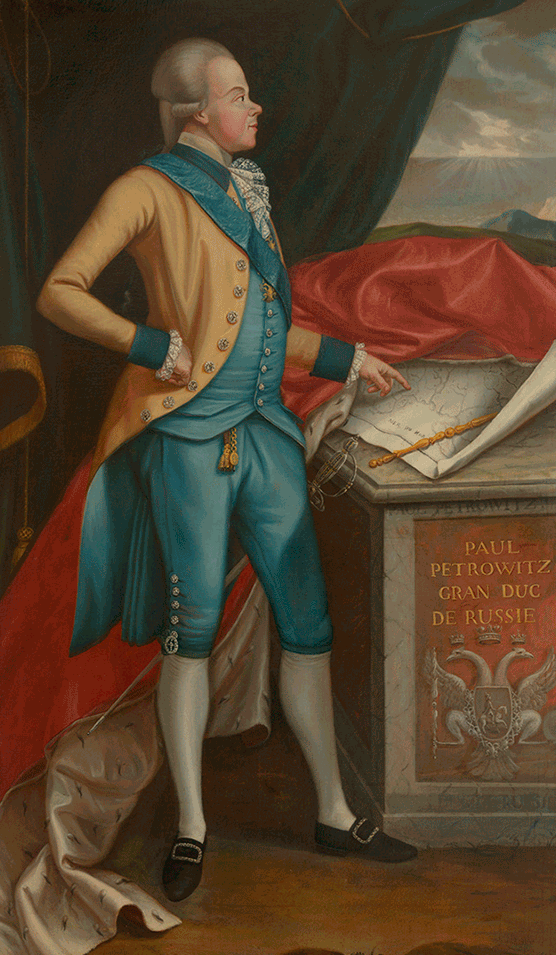
A full-length painting of the young Grand Duke Pavel, made by an unidentified Western European painter between 1781 and 1782 during his travels. It shows him in a gold-yellow coat beside a stone plinth.
Shows Pavel as a young Grand Duke presenting himself abroad during his travels, which is why it belongs in his archive as a depiction of him.
About this source
What it is
This is a full-length oil portrait of a young man with powdered hair, wearing a gold-yellow coat with blue facings, a blue waistcoat, white stockings and black shoes with buckles. He stands with one hand on his hip and the other resting on a stone plinth inscribed PAUL PETROWITZ GRAN DUC DE RUSSIE. A map, a baton and red drapery appear behind him. The painter is unidentified, and the work is dated between 1781 and 1782. The Commons record gives its title as a portrait of Pavel by an unknown Western European artist.
Why it matters
The portrait was painted while Pavel was travelling in Western Europe, so it shows how he presented himself to foreign audiences. The inscription names him as Grand Duke of Russia, and the map and baton suggest rank and the power of a state. Portraits like this were used to make a royal visitor known abroad, and the unknown painter reflects the artistic market of the time.
Look closer
- What objects around Pavel, such as the map, baton and drapery, are meant to signal his status?
- Why might a young prince want a portrait with a formal inscription made while travelling?
- What can we not learn from this painting, since its painter and patron are not named?
This painting is part of the curated material that grounds the AI version of Paul I of Russia on Humy.ai — when students ask about related events, the AI can quote it and cite it.
More Paul I of Russia sources
Browse all 91 →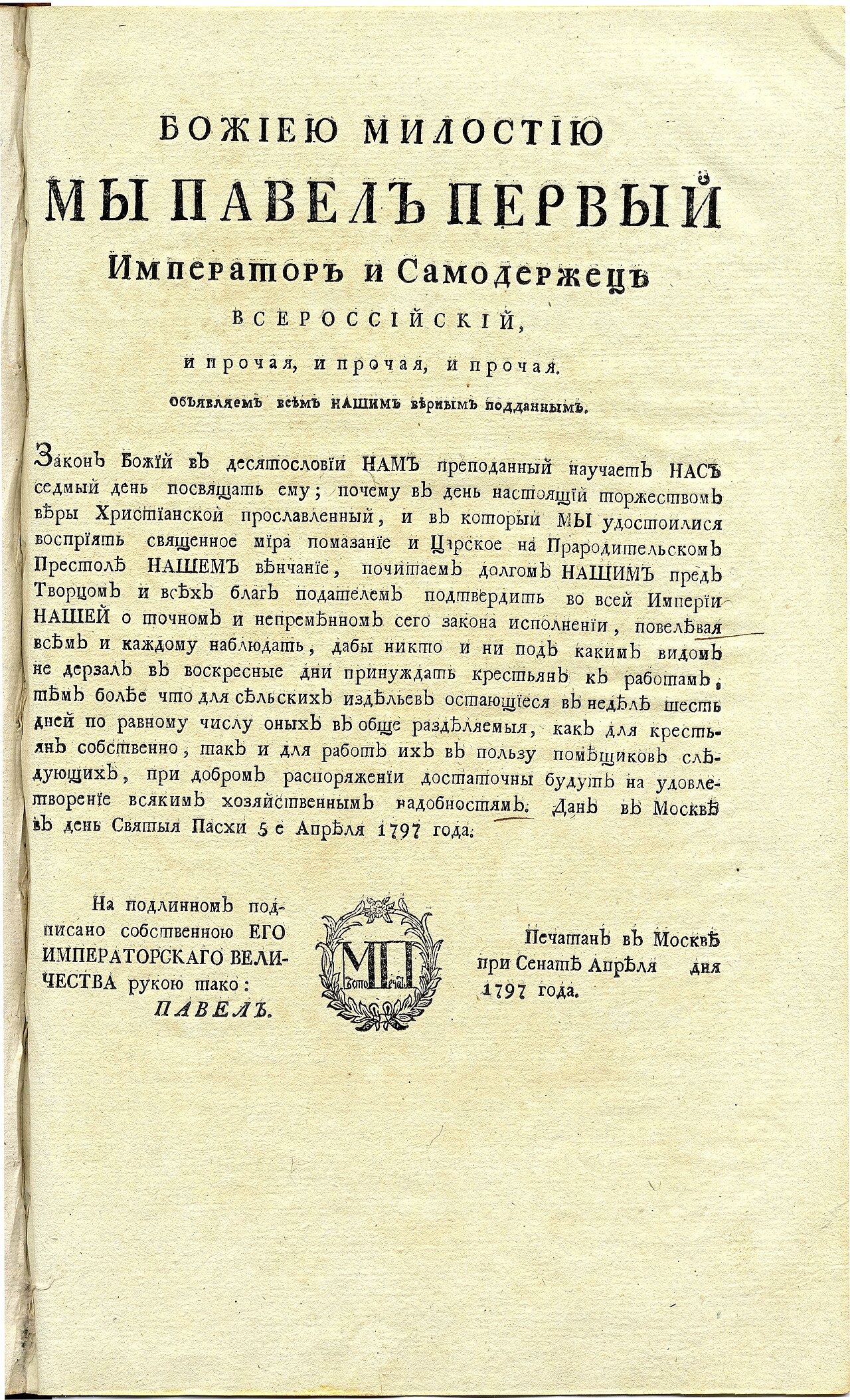 Document
Primary source
Manifesto of Three-Day Corvée
Paul I of Russia · 16 April 1797
 Document
Primary source
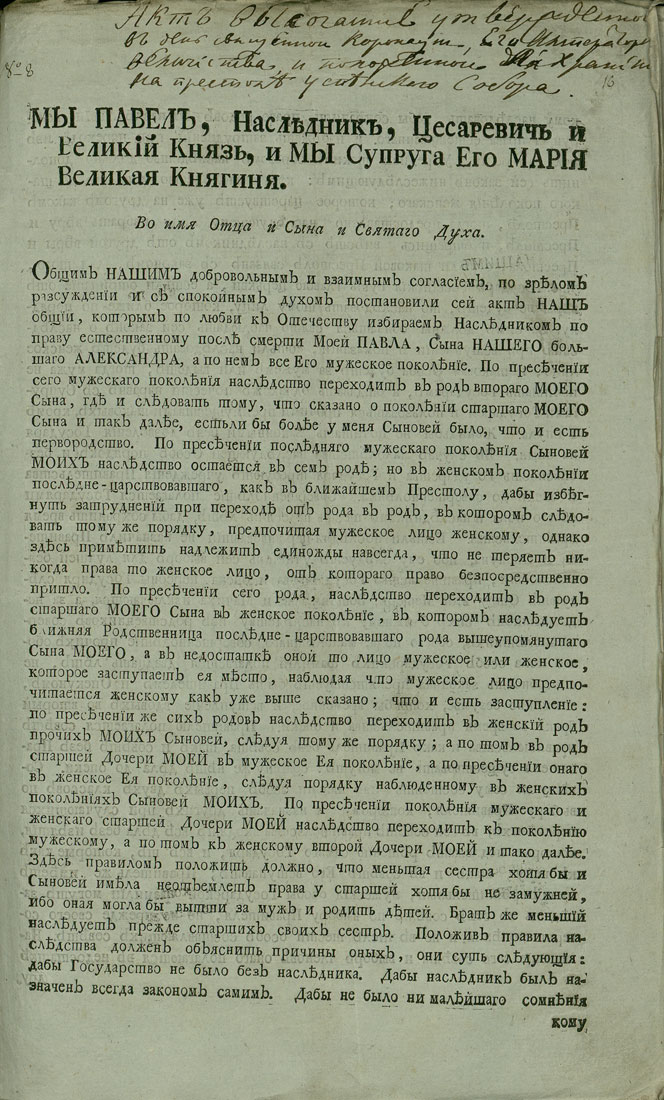
Pauline Laws
Paul I of Russia · 1797
 Artifact
Primary source
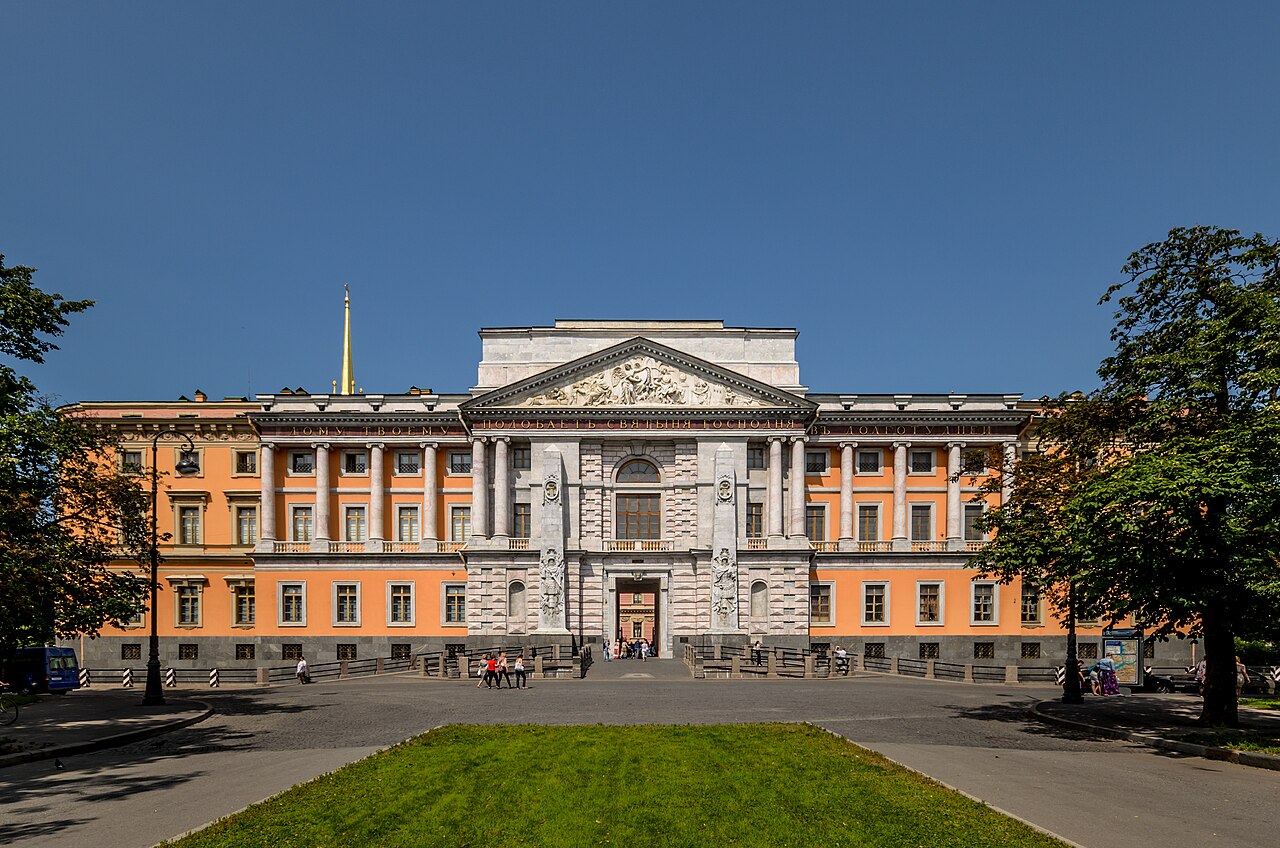
Saint Michael's Castle
Vincenzo Brenna and Vasily Bazhenov · 1797-1801
 Painting
Primary source
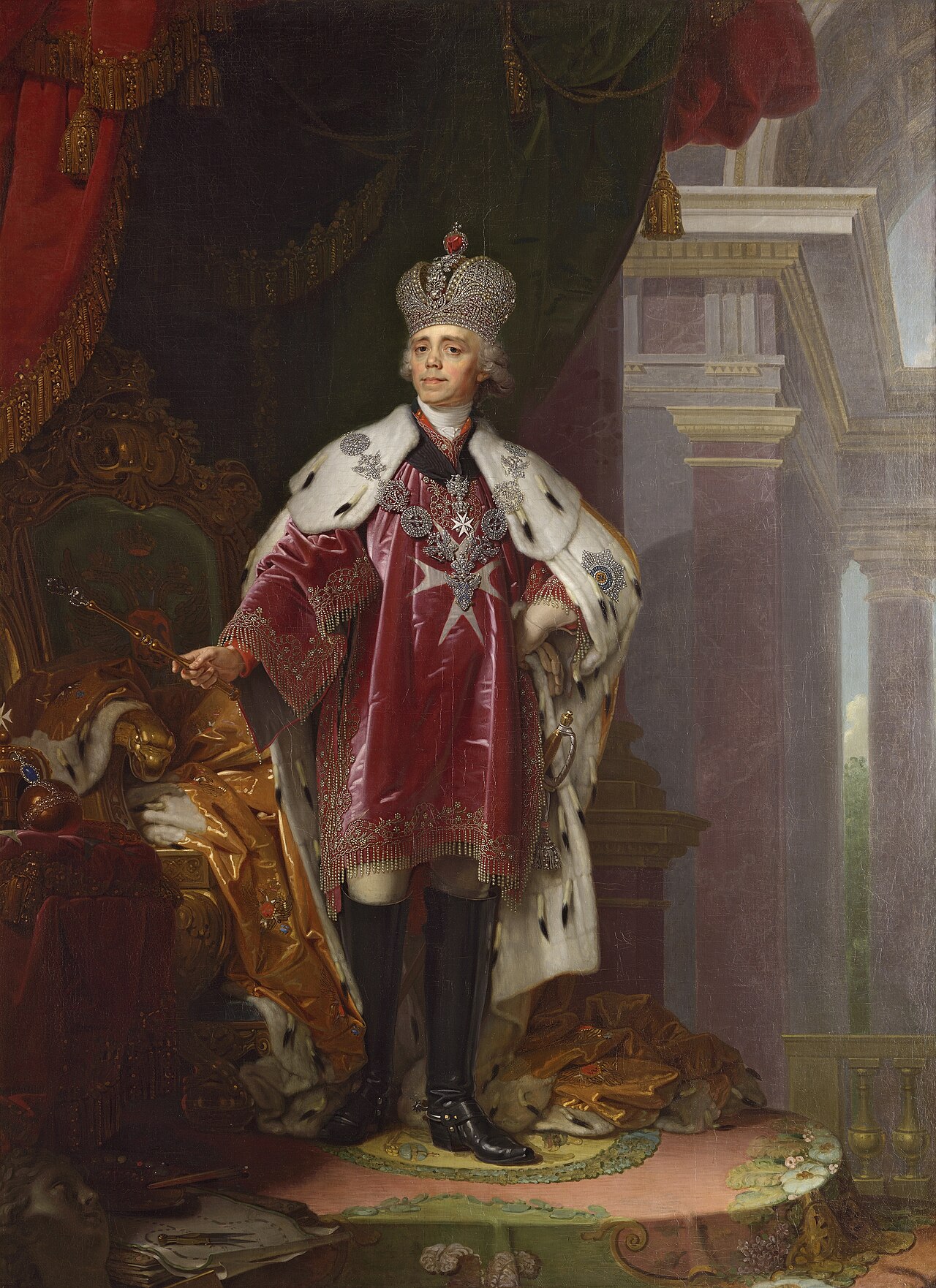
Portrait of Paul I of Russia
Vladimir Borovikovsky
Free account
Read every Paul I of Russia source
Sign up free →
Ready when you are
Start chatting with Paul I of Russia now.
20 messages free · No credit card · Available in 50+ languages.