


Secondary sourcePainting1600
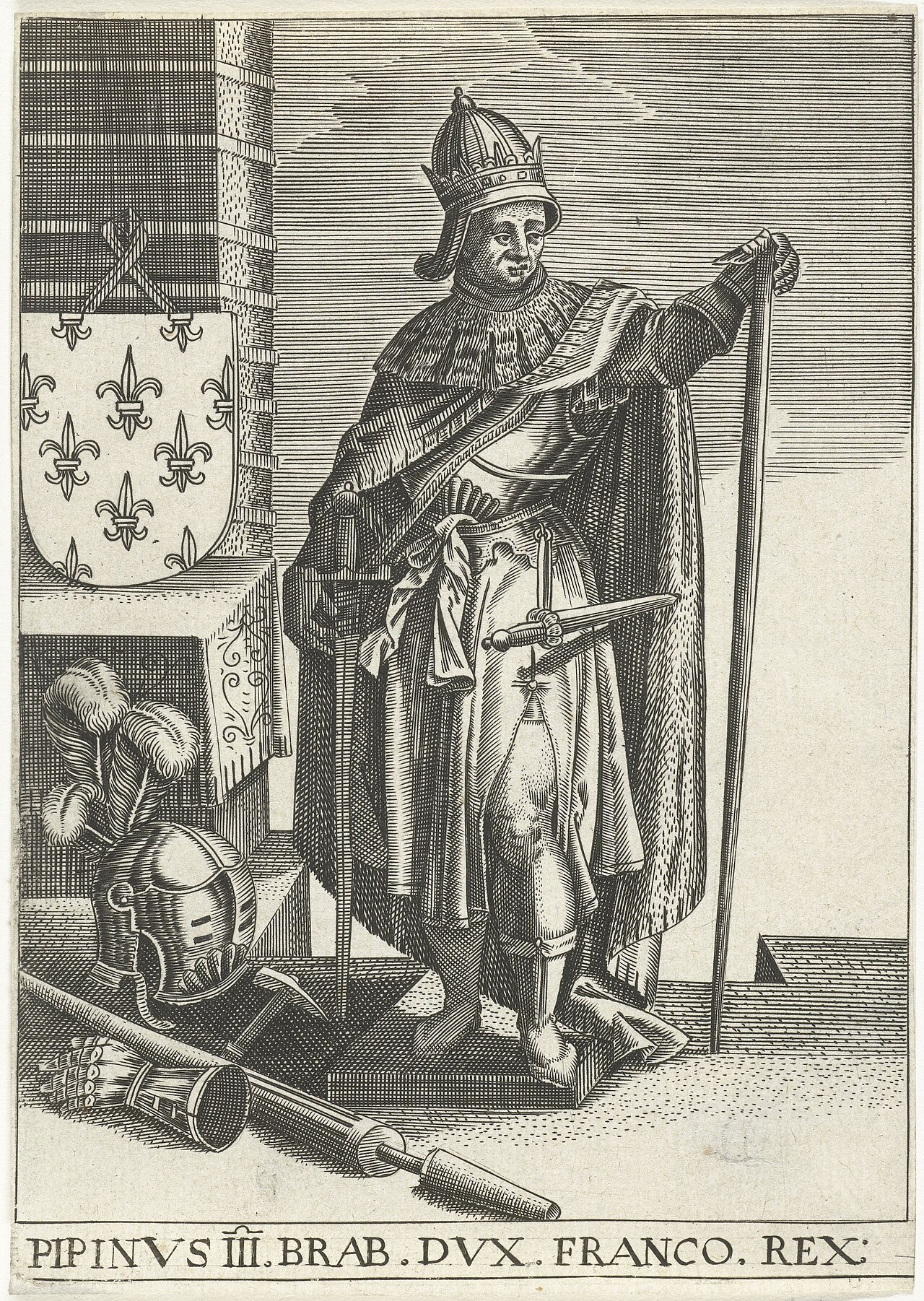
Portrait of Pepin the Short as Pipinus III
Hans Collaert (attributed) · 1600
A 1600 engraved book illustration imagining Pepin the Short in full armor, made centuries after his death for a chronicle of the dukes of Brabant.
An imagined, much later portrait of Pepin the Short used to illustrate his legendary status as a founding Frankish king.
About this source
What it is
This is an engraved print made around 1600 in Antwerp, created as a book illustration for a chronicle of the dukes of Brabant. It shows a standing, full-length armored figure labeled 'Pipinvs III Brab. Dux Franco Rex' — identifying him as both a duke of Brabant and king of the Franks.
Why it matters
Pepin the Short became king of the Franks in the 8th century, but this image was made about 800 years later. It tells us more about how Renaissance-era printmakers and publishers imagined early medieval kings than about Pepin himself. Such prints were used to connect later rulers and regions, like Brabant, to famous ancient kings.
Look closer
- What details — armor, crown, weapons — make this figure look like a king, even though no real portrait of Pepin survives?
- Why might a 1600s book about Brabant's dukes want to include an image of a Frankish king from centuries earlier?
- What does this print leave out about what Pepin actually looked like or did?
This painting is part of the curated material that grounds the AI version of Pepin the Short on Humy.ai — when students ask about related events, the AI can quote it and cite it.
More Pepin the Short sources
Browse all 58 →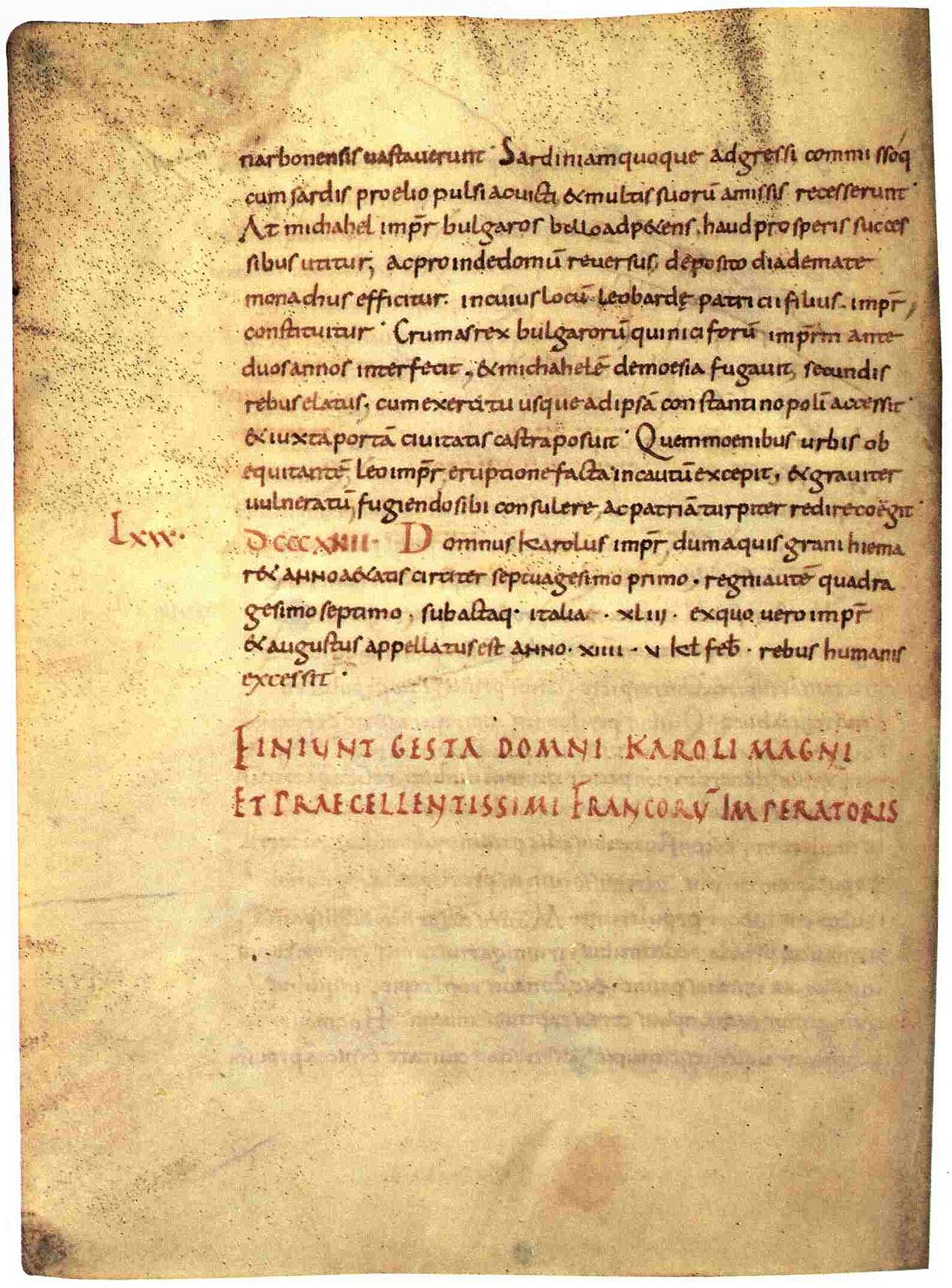 Document
Primary source
Royal Frankish Annals
741-829, this manuscript c. 900
 Document
Primary source
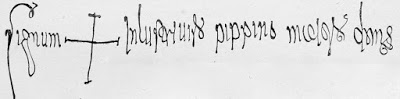
Signature of Pepin the Short
Pepin the Short
 Artifact
Secondary source
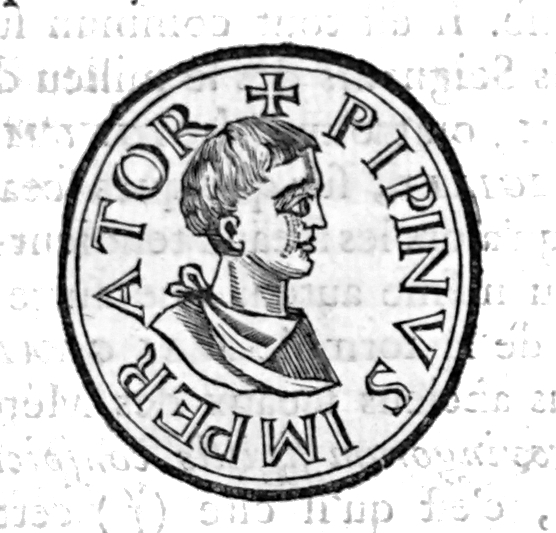
Seal of Pepin the Short
René Tassin
 Book
Secondary source
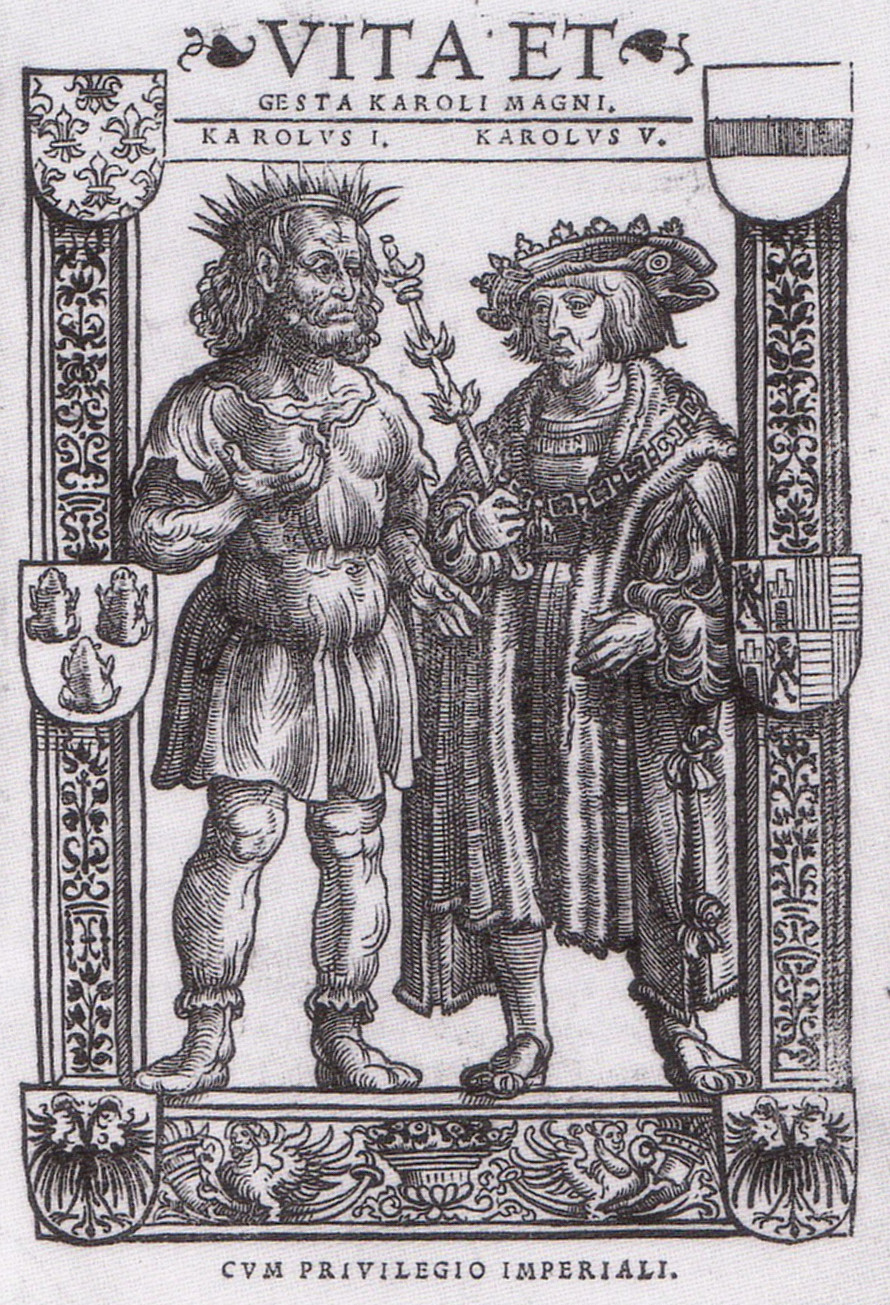
Vita Karoli Magni
Einhard · c. 817-833
Free account
Read every Pepin the Short source
Sign up free →
Ready when you are
Start chatting with Pepin the Short now.
20 messages free · No credit card · Available in 50+ languages.