


Secondary sourcePainting1883
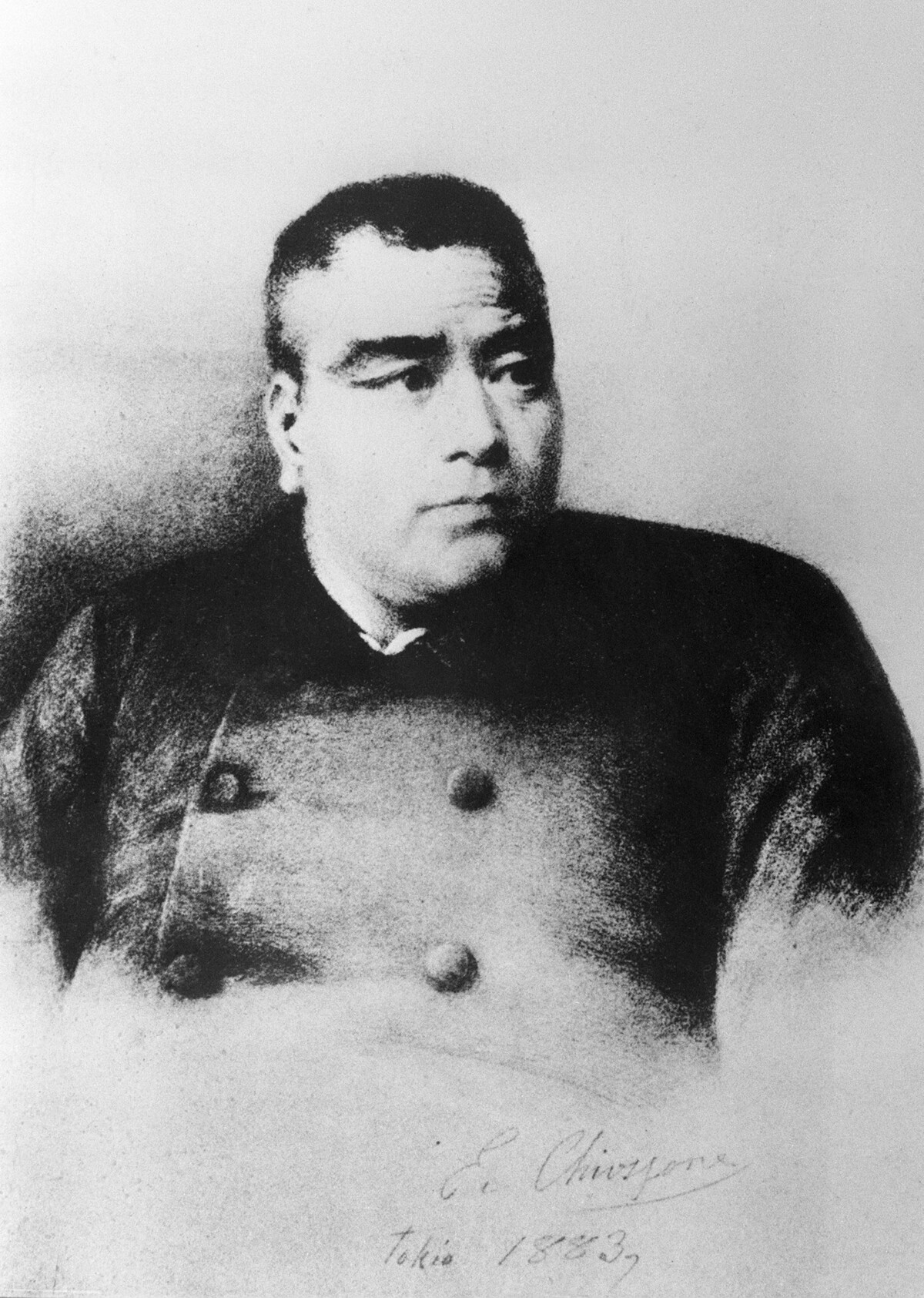
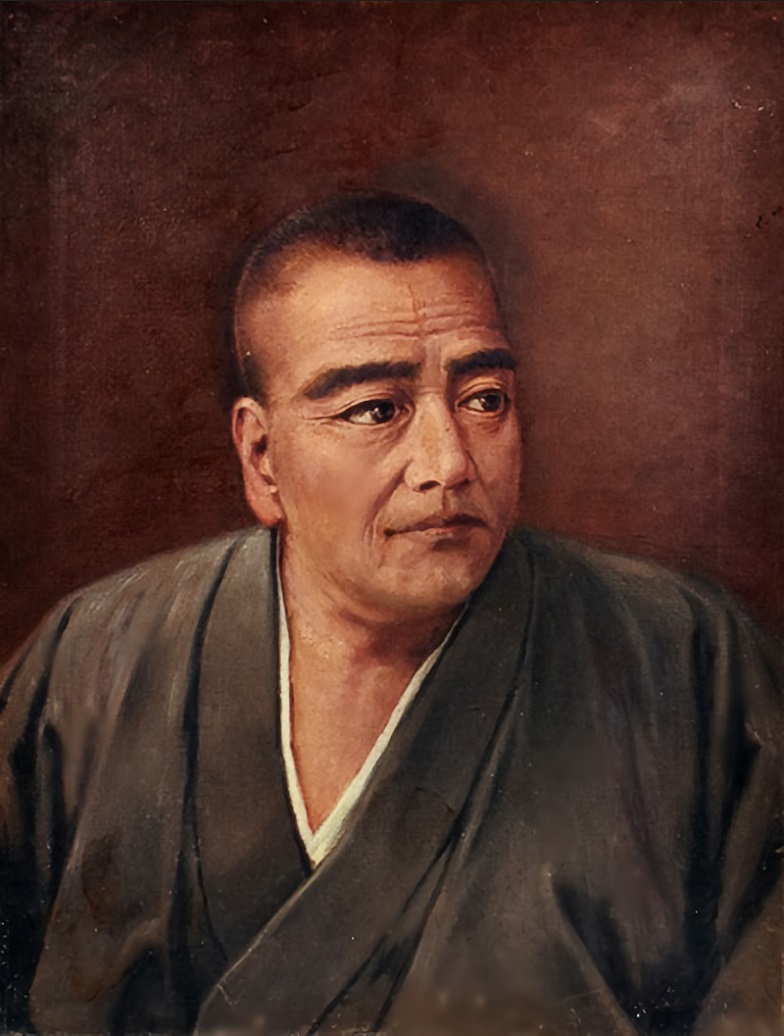
Portrait of Saigō Takamori
Edoardo Chiossone · 1883
The canonical image of Saigō Takamori, drawn in 1883 by Edoardo Chiossone six years after Saigō's death, since no authentic photograph of him survives.
This invented portrait, made after Saigō's death from relatives' features, became the standard image of him despite no photograph existing.
About this source
What it is
This conté portrait was made in 1883 by the Italian artist Edoardo Chiossone, six years after Saigō Takamori had died. Since no verified photograph of Saigō exists, Chiossone built the likeness by combining the features of Saigō's younger brother and a cousin.
Why it matters
This image became the standard portrait of Saigō reproduced in Japanese textbooks and was later used as the model for the famous bronze statue of him in Ueno Park. It shows how a national hero's image can be constructed after death, shaped by family members' faces rather than direct observation, raising questions about how historical memory is created.
Look closer
- Why do you think this invented image became so widely accepted as Saigō's 'true' likeness?
- What problems can arise when a historical figure's image is created from relatives rather than from life?
- How might textbooks and statues have shaped the way later generations imagined Saigō?
This painting is part of the curated material that grounds the AI version of Saigō Takamori on Humy.ai — when students ask about related events, the AI can quote it and cite it.
More Saigō Takamori sources
Browse all 79 →Secondary source
Nanshūō Ikun
Saigō Takamori · 1890
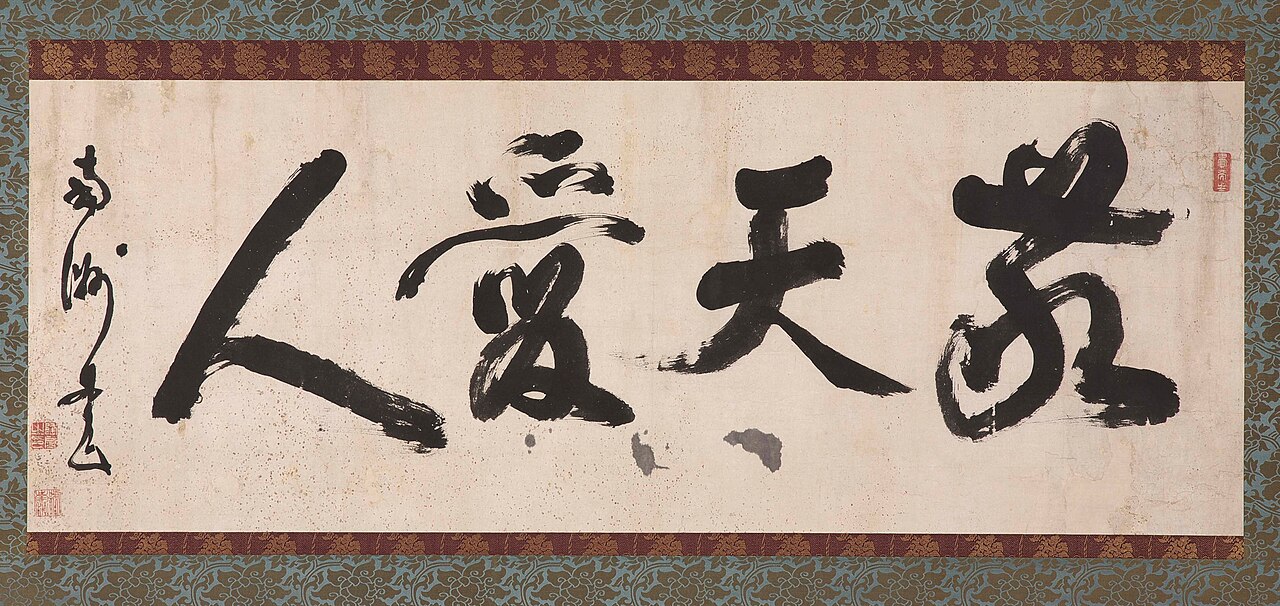 Artifact
Primary source
Keiten Aijin
Saigō Takamori
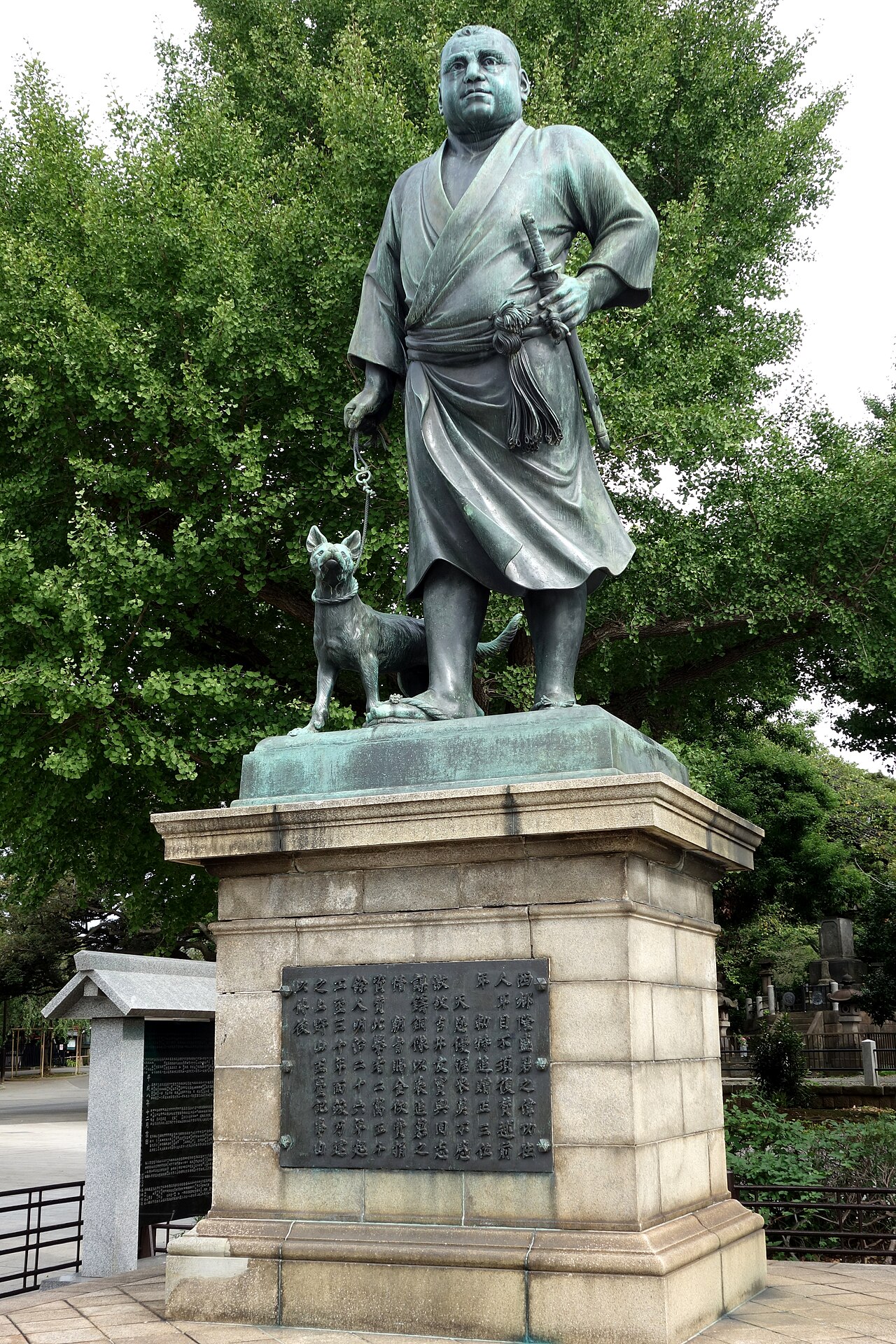 Sculpture
Secondary source
Statue of Saigō Takamori
Takamura Kōun · 1898
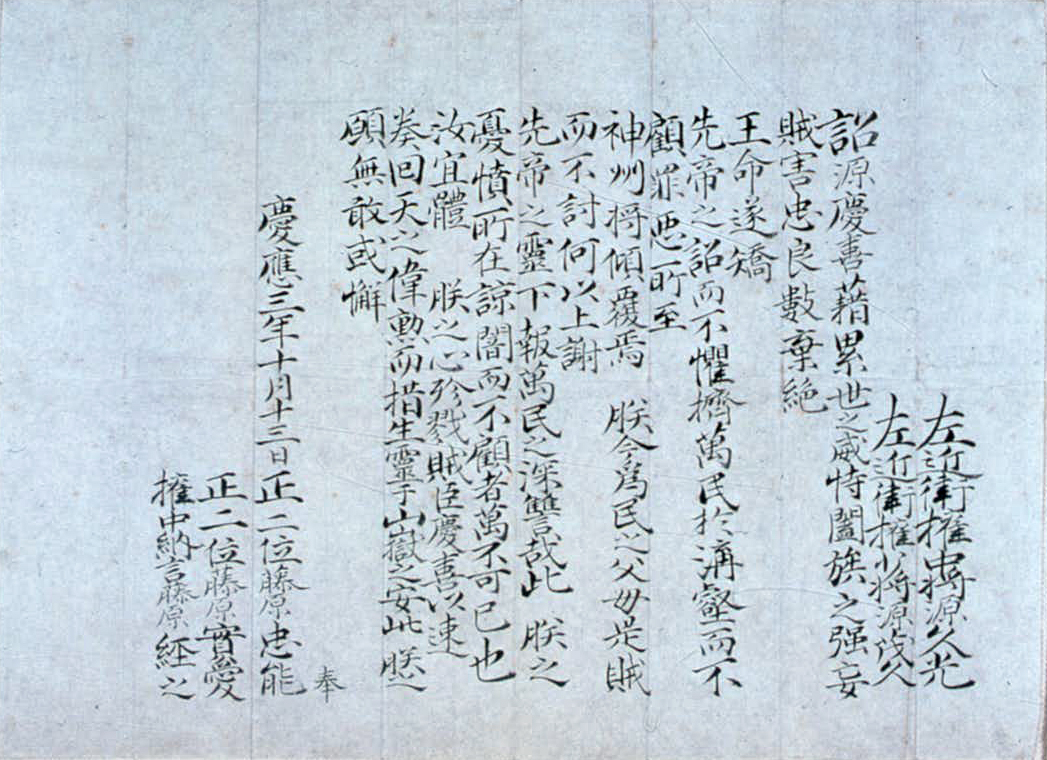 Document
Primary source
Secret Imperial Rescript to Overthrow the Shogunate
November 1867
Free account
Read every Saigō Takamori source
Sign up free →
Ready when you are
Start chatting with Saigō Takamori now.
20 messages free · No credit card · Available in 50+ languages.