


Secondary sourceSculpture1898
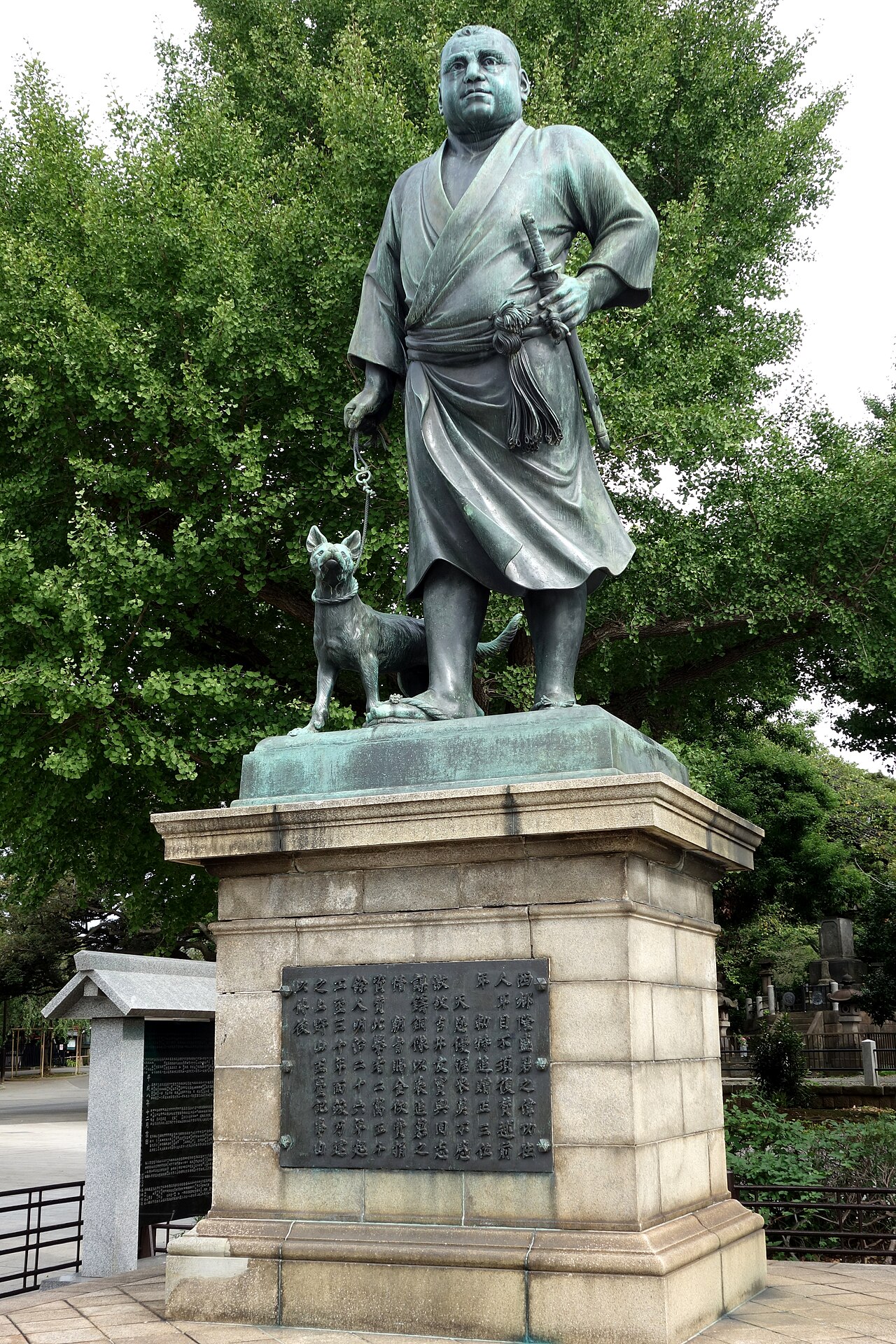
Statue of Saigō Takamori
Takamura Kōun · 1898
A bronze statue of Saigō Takamori with his dog, erected in Ueno Park in 1898 after his posthumous pardon.
This posthumous statue of Saigō shows how the government rehabilitated him as a national hero after his death in rebellion.
About this source
What it is
This bronze statue by sculptor Takamura Kōun shows Saigō Takamori in a loose kimono with a sword, standing beside his dog. It was unveiled in Ueno Imperial Grant Park in 1898, more than twenty years after Saigō's death.
Why it matters
Saigō had died leading a rebellion against the government he had helped create, but after his posthumous pardon the state chose to honor him as a national hero with this informal, approachable statue. His widow reportedly said the statue did not actually resemble him, a reminder that memorials can shape public memory in ways that differ from the real person.
Look closer
- Why might the government have chosen this casual pose, with a dog, rather than a formal military image?
- What does it mean that Saigō's own widow said the statue didn't look like him?
- How does erecting a statue of a former rebel years after his death change how people remember him?
This sculpture is part of the curated material that grounds the AI version of Saigō Takamori on Humy.ai — when students ask about related events, the AI can quote it and cite it.
More Saigō Takamori sources
Browse all 79 →Secondary source
Nanshūō Ikun
Saigō Takamori · 1890
 Artifact
Primary source
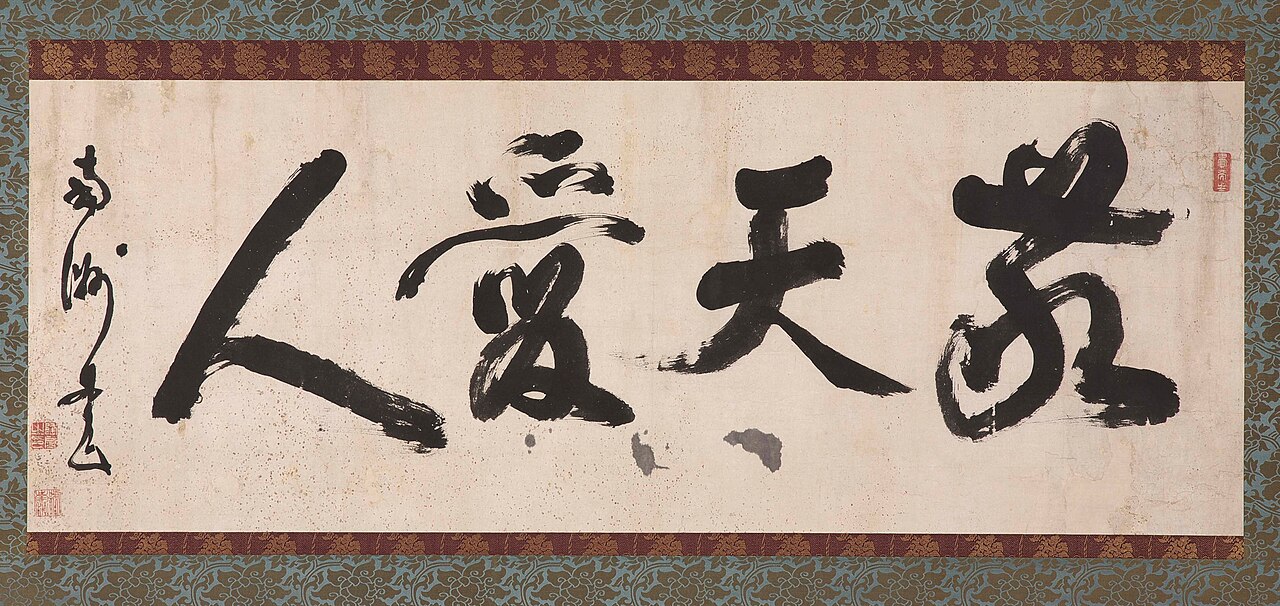
Keiten Aijin
Saigō Takamori
 Painting
Secondary source
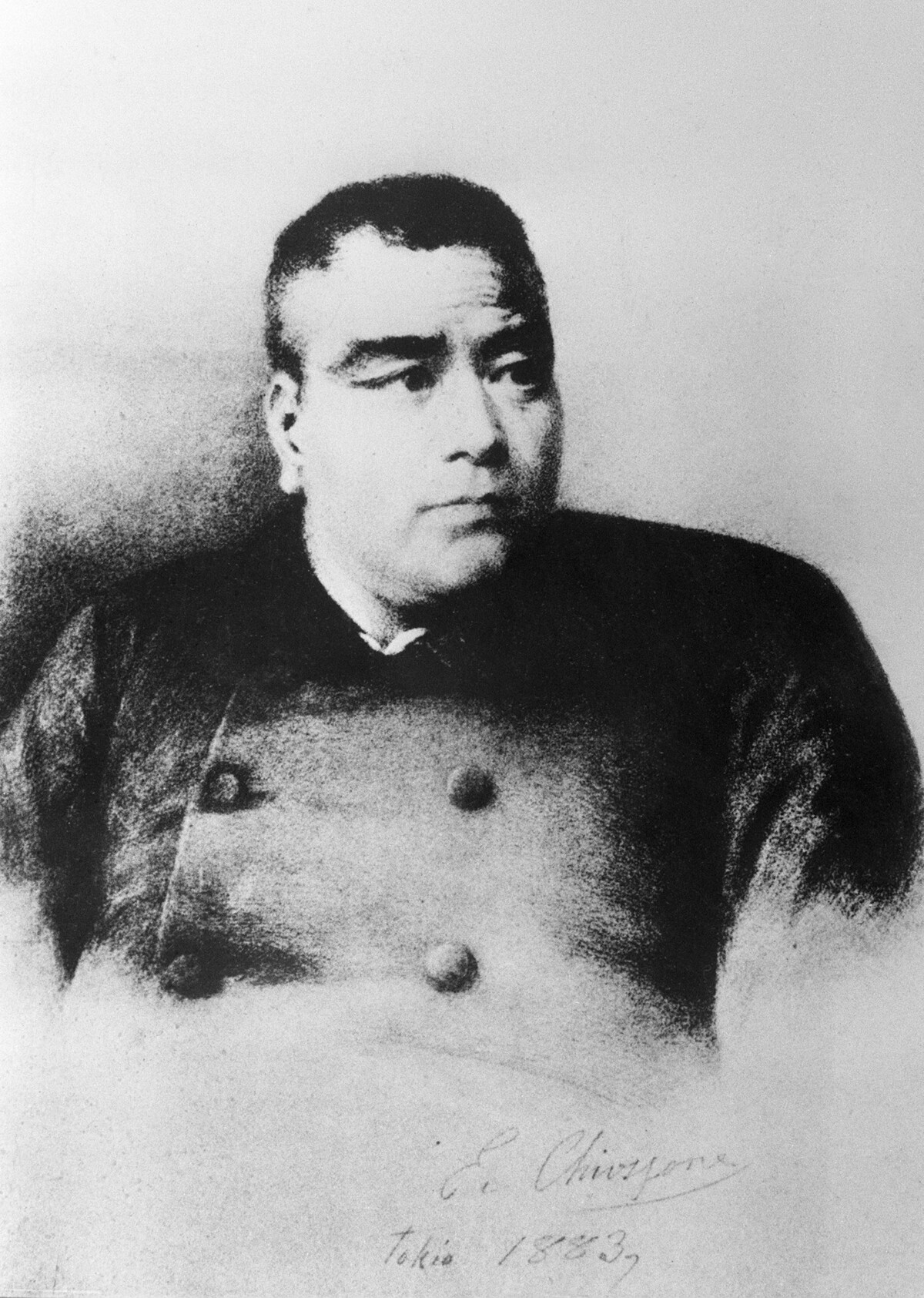
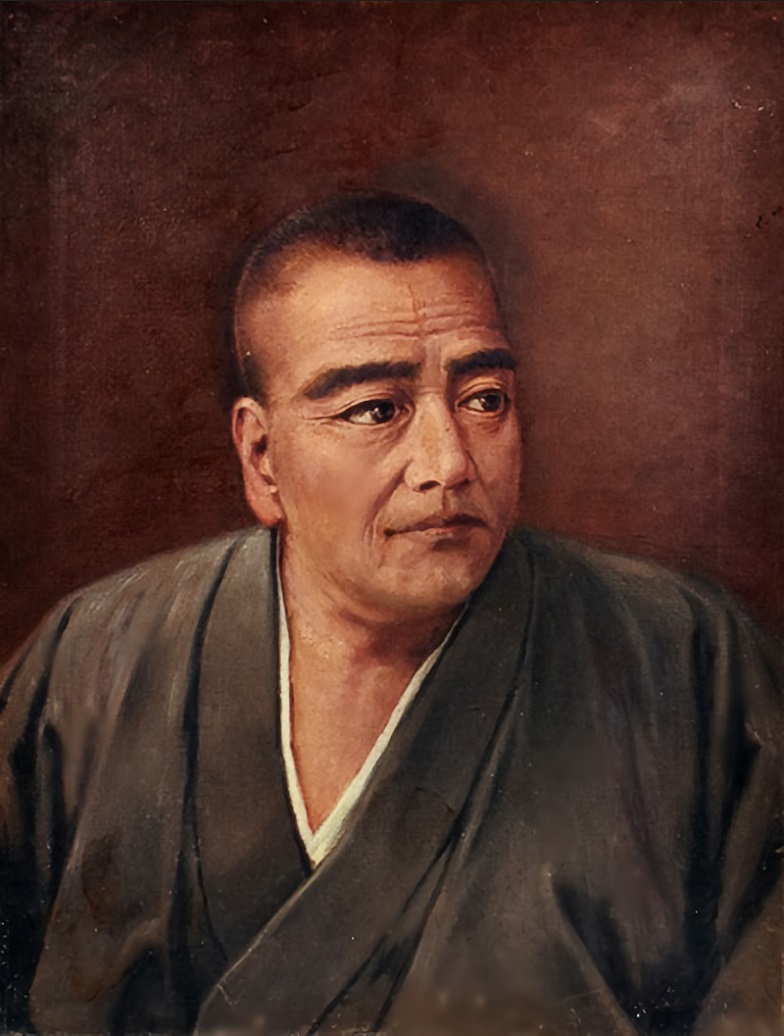
Portrait of Saigō Takamori
Edoardo Chiossone · 1883
 Document
Primary source
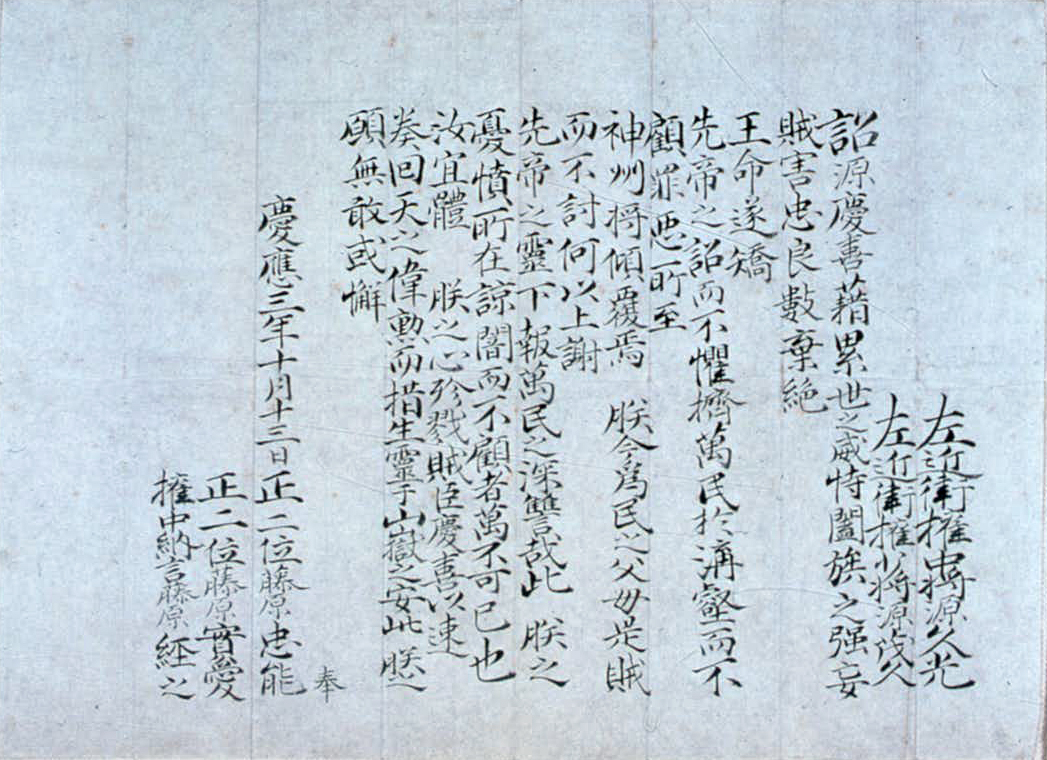
Secret Imperial Rescript to Overthrow the Shogunate
November 1867
Free account
Read every Saigō Takamori source
Sign up free →
Ready when you are
Start chatting with Saigō Takamori now.
20 messages free · No credit card · Available in 50+ languages.