


Secondary sourcePainting1750
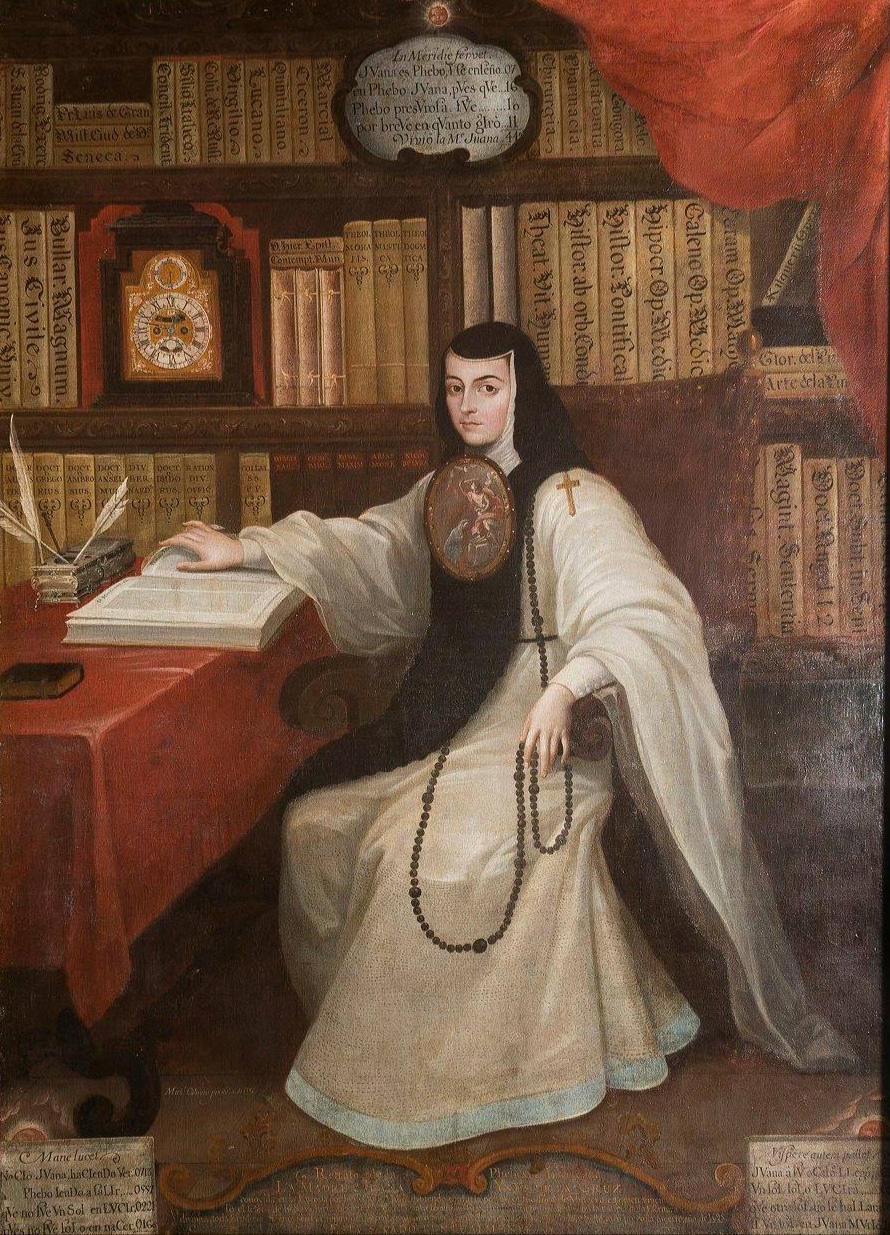
Portrait of Sor Juana Inés de la Cruz
Miguel Cabrera · 1750
An oil painting by Miguel Cabrera showing Sor Juana seated at her desk amid books, the most famous image of her as scholar and nun.
This posthumous portrait shaped the enduring image of Sor Juana as a scholar and defines how she is remembered today.
About this source
What it is
This oil painting by Miguel Cabrera, dated 1750, shows Sor Juana Inés de la Cruz seated at a red-draped table with an open book, quill pens, and an inkstand. Behind her are shelves of books, a clock, and an inscribed plaque. It is held at Chapultepec Castle.
Why it matters
Painted decades after her death, it became the canonical image of Sor Juana as a learned nun and writer. It reflects how later generations in New Spain remembered her as a scholar surrounded by the tools of study and writing, shaping the way she is still pictured today.
Look closer
- What objects surround her, and what do they suggest about how she wanted to be remembered — or how Cabrera wanted her remembered?
- Why might an artist painting decades after her death choose to show her in a library rather than praying?
- What does the painting leave out about her life or struggles?
This painting is part of the curated material that grounds the AI version of Juana Inés de la Cruz on Humy.ai — when students ask about related events, the AI can quote it and cite it.
More Juana Inés de la Cruz sources
Meet the AI Juana Inés de la Cruz → Letter
Primary source
Respuesta a Sor Filotea de la Cruz
Sor Juana Inés de la Cruz · 1691
 Book
Primary source
Hombres necios
Sor Juana Inés de la Cruz
 Book
Primary source
Primero sueño
Sor Juana Inés de la Cruz · 1692
 Document
Primary source
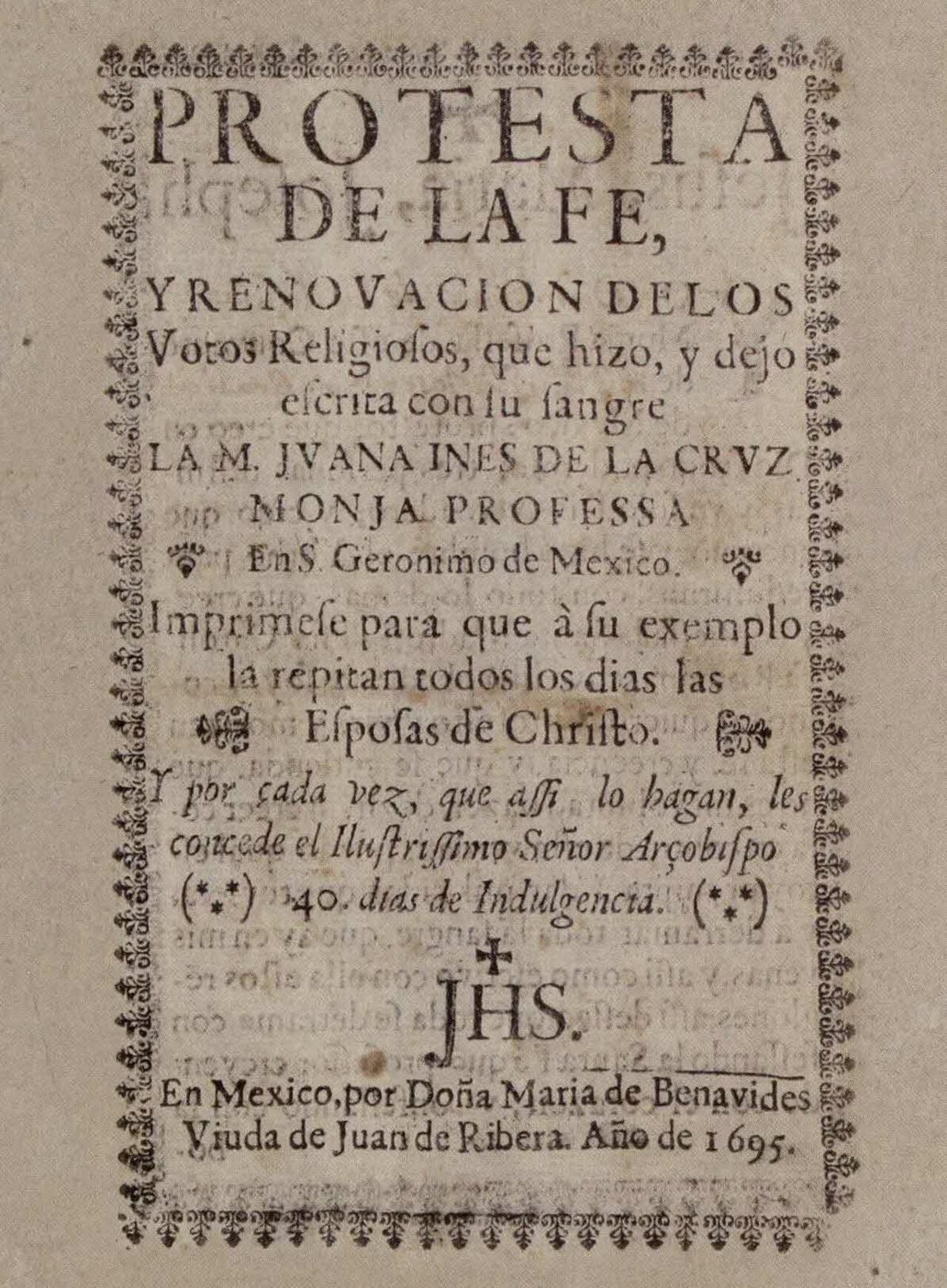
Protesta de la fe y renovación de los votos religiosos
Sor Juana Inés de la Cruz · 1695
 Book
Primary source
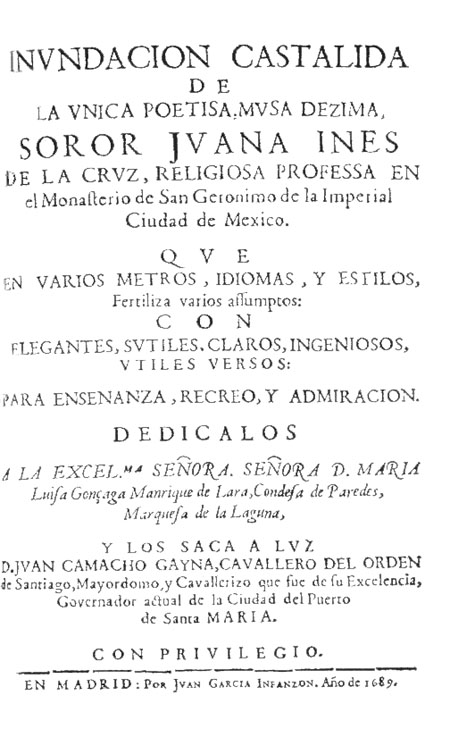
Inundación castálida
Sor Juana Inés de la Cruz · 1689
Ready when you are
Start chatting with Juana Inés de la Cruz now.
20 messages free · No credit card · Available in 50+ languages.